Weekly Perl: A Commercial Real Estate News Recap

Marc Perlof • February 16, 2024
A group of people are walking down a tiled floor.

NRF: January retail sales are ‘great’ start to new year


Consumers kept shopping in January. Retail sales in January nearly matched December’s busy holiday spending and rose significantly year-over-year, according to the CNBC/NRF Retail Monitor, powered by Affinity Solutions, released by the NRF. 
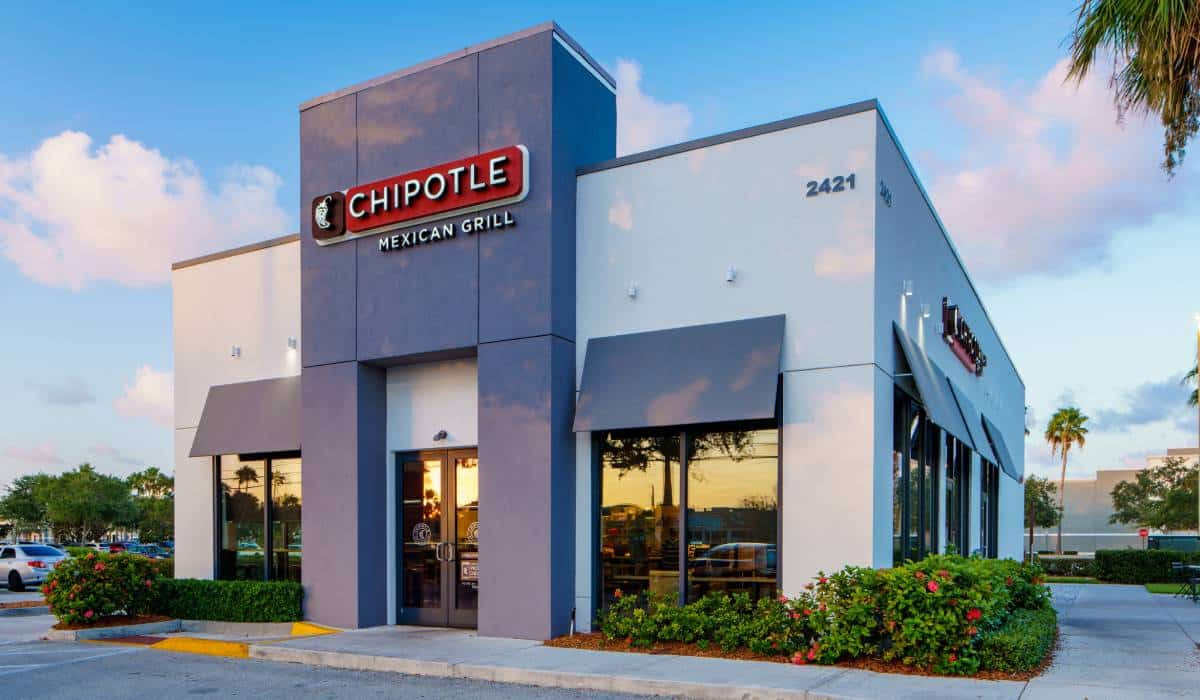
A chipotle restaurant is located in a residential area.

Chipotle Speeds Toward Even Greater Heights


You could say Chipotle had an enviable problem. The brand’s digital growth out of COVID soared rewards membership over 35 million and loaded up the backline to the point where stores became unbalanced in staffing. In the summer of 2022 or so, Chipotle launched what it dubbed “Project Square One.” As it sounds, the notion was to return to basics on the in-store experience that helped Chipotle define a category over three decades ago.
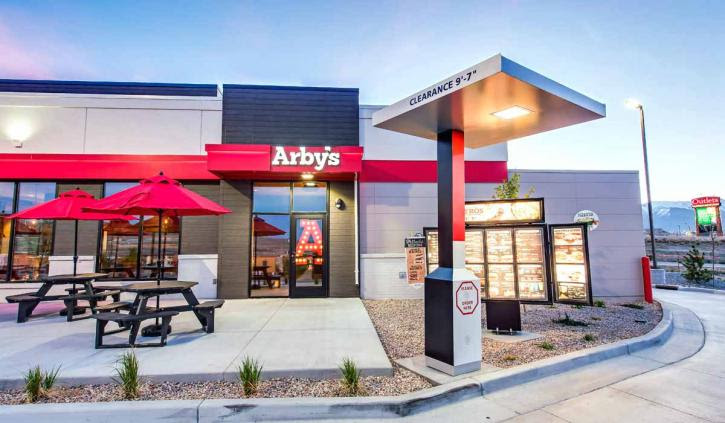
The outside of an arby 's restaurant with picnic tables and umbrellas.

Report: Inspire Brands Could Go Public in $20 Billion Valuation


According to a Wednesday report from Bloomberg, Inspire Brands-backer Roark Capital has held preliminary discussions with potential advisers to take the multi-concept giant public. An initial public offering would arrive in late 2024 or 2025, depending on market conditions, sources told the publication, with Inspire commanding a value of roughly $20 billion. 
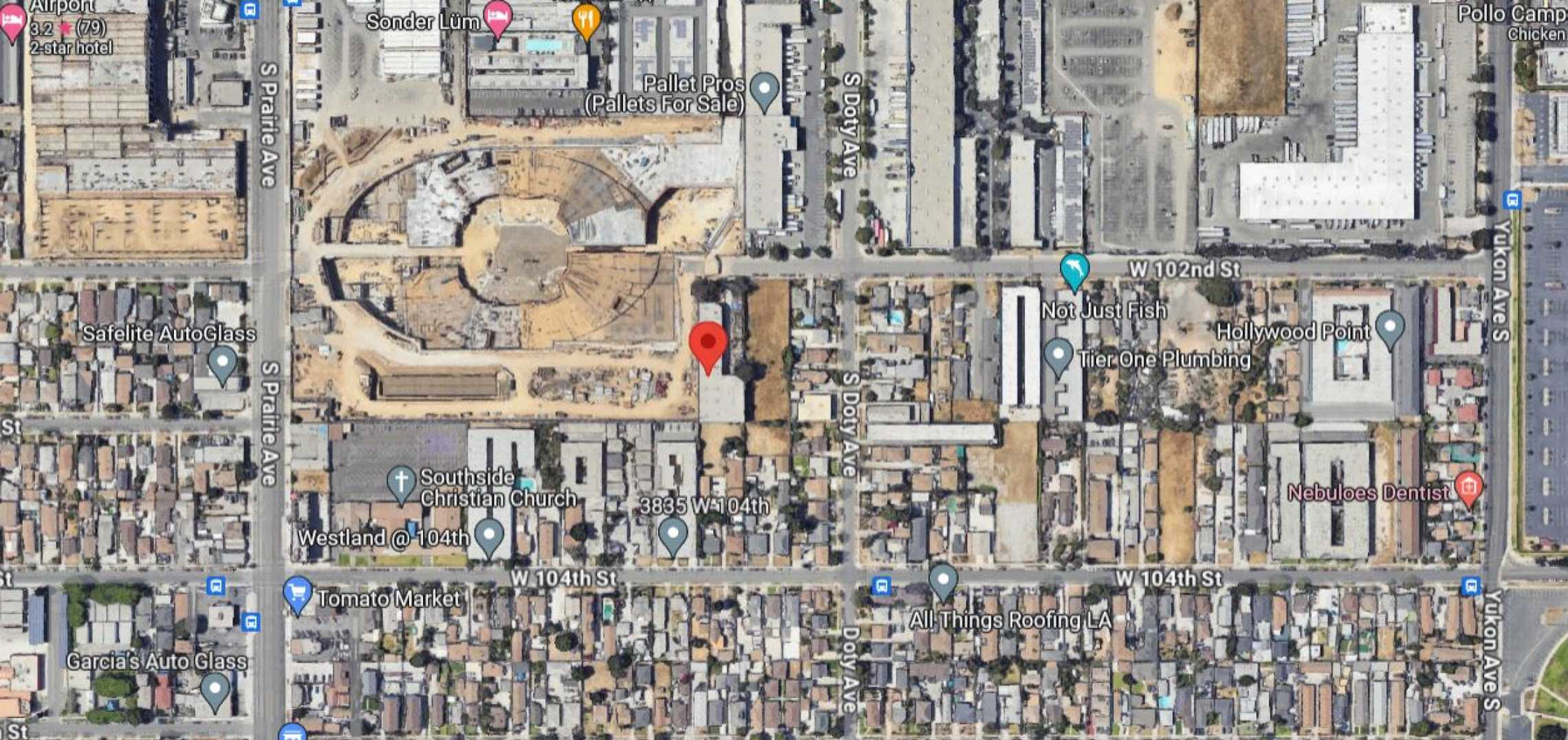
An aerial view of a city with lots of buildings and streets.

15-story hotel planned next to new L.A. Clippers arena in Inglewood


Just south of Intuit Dome, where the L.A. Clippers are scheduled to begin playing games next season, Los Angeles-based Arya Group, Inc. is planning a mid-rise hotel development which would rank among the tallest buildings in Inglewood. The proposed project, slated for a site at 3820 W. 102nd Street, calls for razing a low-rise commercial building to make way for a new 15-story, approximately 310,000-square-foot building featuring a 174-room hotel, 3,255 square feet of offices, 6,537 square feet of hotel restaurant space, 1,310 square feet of lounge space, a 4,000-square-foot private club, and 4,000 square feet of spa and amenity space. 
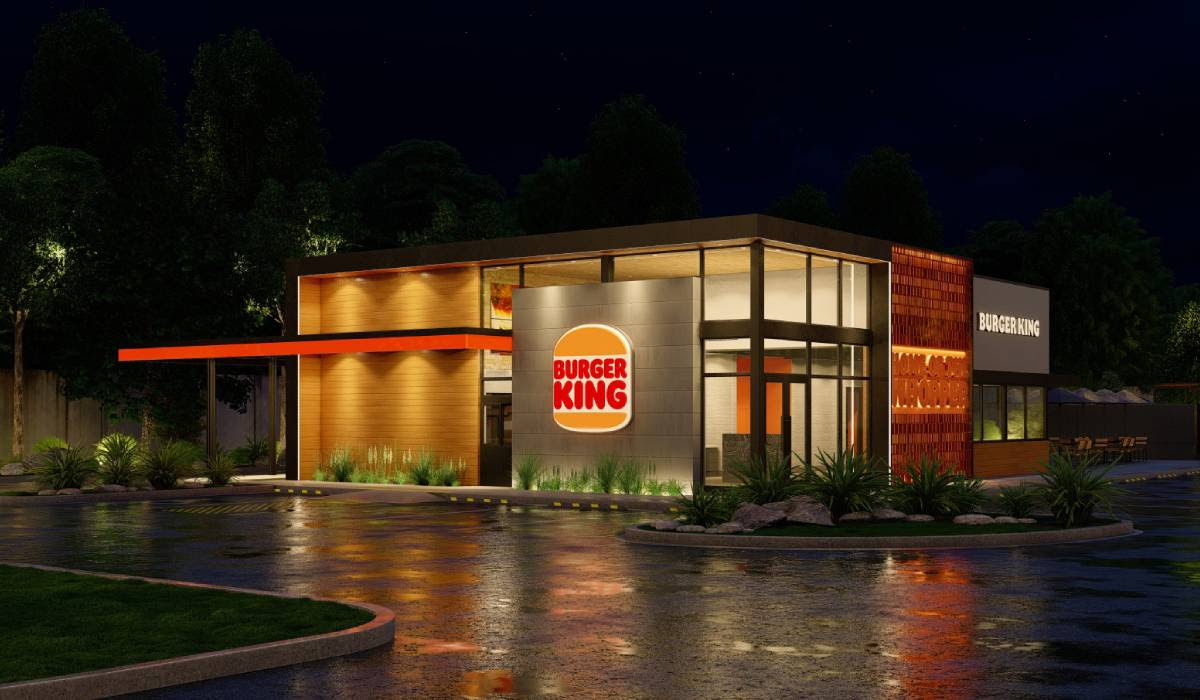
An artist 's impression of a burger king restaurant at night.

Thanks to $400M Plan, Burger King Sees Guests Returning to Restaurants


The chain reported low-single-digit traffic growth in Q4, which was the first positive increase since Q2 2021. Also, U.S. same-store sales rose 6.4 percent, lapping 5 percent growth in the year-ago period. For the year, comps lifted 7.5 percent, rolling over 2.2 percent in 2022. Burger King franchisees are making more money as well. Average profitability per restaurant increased nearly 50 percent in 2023, moving from $140,000 to more than $205,000.
The front of a kroger store with a blue sky in the background

Kroger promises to lower prices, invest in stores following merger


The Kroger Co. has detailed its commitment to customers as it faces regulatory scrutiny over its proposed acquisition of rival Albertsons Cos. The supermarket giant said, consistent with its previous approach to mergers, it will lower prices following its merger with Albertsons. It plans to invest $500 million to lower prices following the close of the deal — starting day one.  It also will also invest $1.3 billion to improve Albertsons' stores. 
Two security guards are standing next to each other on a sidewalk in front of a ups truck.

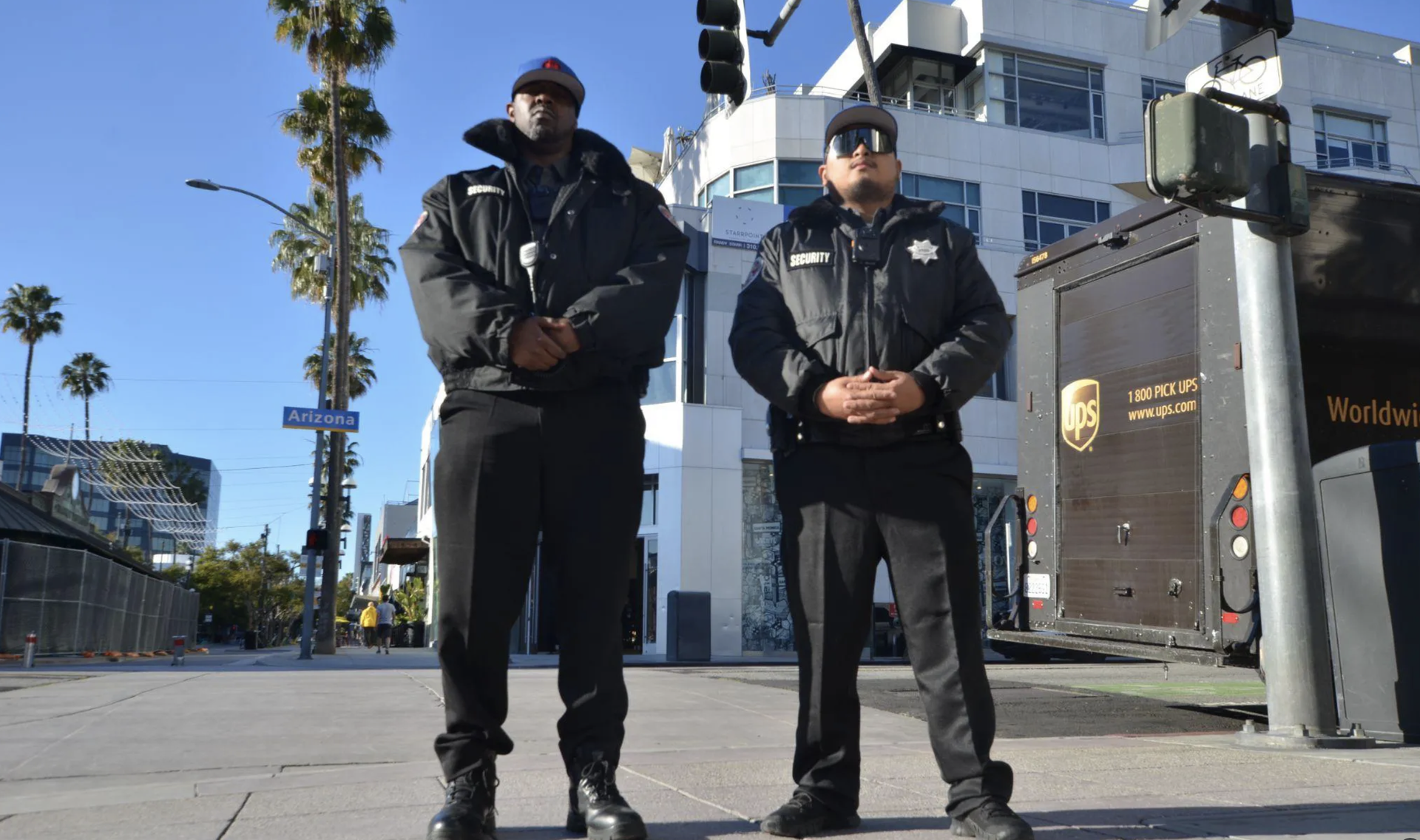
Legion averages 100 “engagements” a day during first month of downtown deployment


The newly hired private security company patrolling Downtown Santa Monica reported more than 3,000 interactions during its first month on patrol and while local businesses say the systemic problems persist, some say they’ve seen signs of improvement recently. During the first meeting of the Downtown Santa Monica Inc., (DTSM) Board of Directors for 2024, security company Legion Corporation, presented a report on its first month of operations.
A brick building with a red and white sign that says snipple on it.

Shipley Do-Nuts’ Texas Roots Blossom into National Success


He worked as the chief executive of Korean fast-casual Bonchon for four and a half years and in marketing roles at Wingstop for the same amount of time. One of his biggest memories—or nightmares, if you think about it—was the cyclical nature of the chicken market, where operators live and die by what the price is on any given day, week, or month.
A shell gas station with a car parked in front of it.

Shell to acquire 45 convenience stores in New Mexico


Shell is expanding its U.S. retail footprint. The company has signed an agreement  to acquire Brewer Oil Company’s (BOC) retail division, which includes 45 fuel and convenience store sites in New Mexico. The acquisition also includes traditional fueling stations and cardlocks for fleet vehicles.
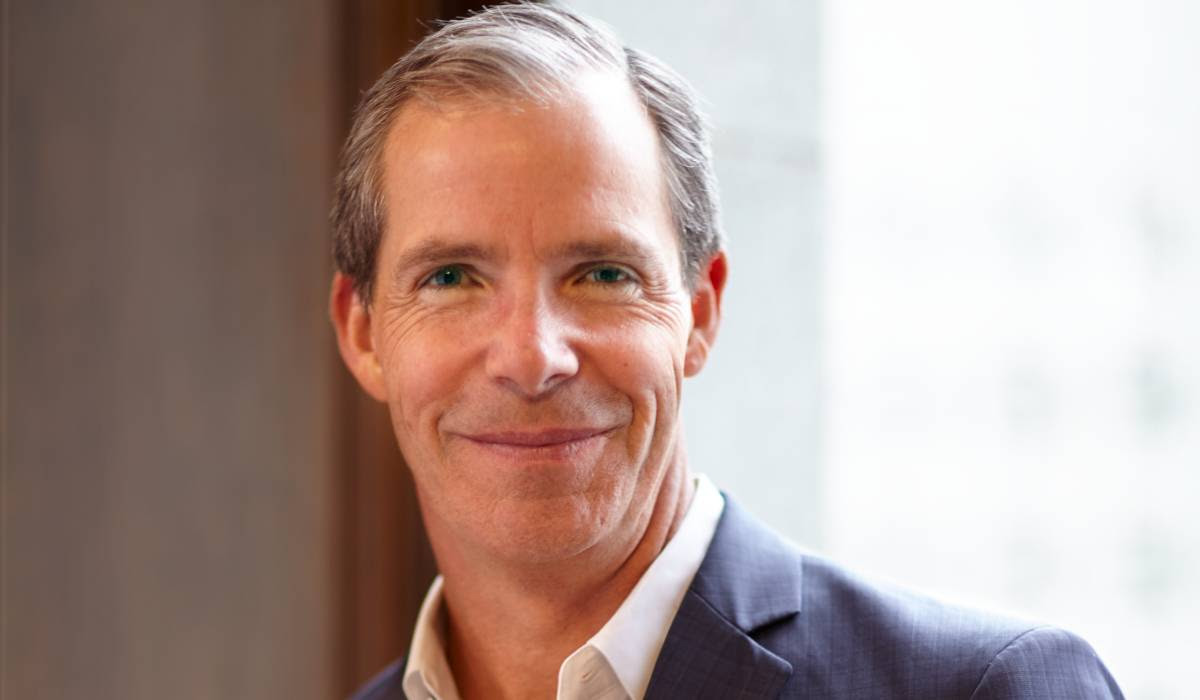
A man in a suit and white shirt is smiling for the camera.

World’s Largest Franchisee Flynn Group Explores Sale


Sources told Reuters that the majority interest could be valued at more than $5 billion, including debt. The company is working with Bank of America on the sales process. Flynn Group, founded in 1999 by industry veteran Greg Flynn, is the largest operator of Applebee’s, Arby’s, and Pizza Hut, and also owns hundreds of stores for Taco Bell, Panera, and Wendy’s. Altogether, the company oversees more than 2,600 units and earns more than $4.5 billion in annual sales. 
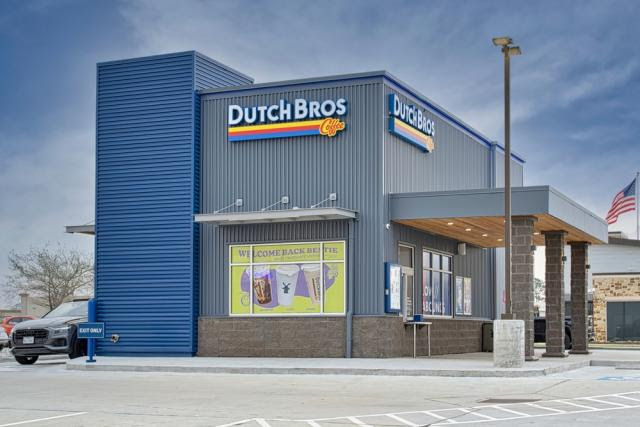
A dutch bros store with a truck parked in front of it.

Positioned for Success: Retail, dining segments to watch in 2024


Amid price hikes, rising interest rates and mounting consumer debt,  the retail industry did pretty well in 2023 — certainly a lot better than some experts had predicted — as consumers continued to shop. As to what to expect this year, foot traffic analytics firm Placer.ai has dived into its rich treasure chest of data to find which segments are best positioned for success in 2024. 

By Marc Perlof February 2, 2026
Retail Real Estate 2026: Why Some Properties Stay Strong While Others Struggle By Marc Perlof | MarcRetailGuy February 2, 2026 If you own retail real estate, here is what just changed. Retail real estate in 2026 is no longer one market. It has split into clear winners and clear losers. Owners who understand this are protecting value. Owners who do not are feeling pressure. The biggest change is how people spend money when things feel uncertain. Interest rates are higher. Costs are up. Households are more careful. That shift shows up first at the property level. Some retail feels stress faster than others. Lifestyle centers, nightlife areas, entertainment districts, and tourist retail depend on optional spending. When people cut back, visits drop. Sales slow. Tenants push back on rent. Vacancies last longer. This is not a crash. It is a pressure issue tied to spending people can delay. Other retail performs differently. Grocery anchored centers, pharmacies, medical and dental, quick-service food, auto service, and personal care are built around daily habits. People cut wants before needs. That makes income steadier and easier to support in a cautious market. Recent retail market reports show this split clearly. National retail vacancy stayed fairly stable through late 2025, mostly in the mid-5 percent to high-6 percent range, with necessity-based centers performing better than discretionary locations¹. Leasing slowed in 2025, with longer decision times and more rent pushback, especially from non-essential tenants². Buyers are still active, but they are more careful. They now focus on tenant quality, lease length, and operating costs more than rent growth³. What retail owners should focus on right now • Daily-needs tenants reduce risk. Properties with grocery, medical, pharmacy, and quick-service food see more stable rent and fewer concession requests. That helps protect sale price and lender support in slower markets¹. • Grocery-anchored centers sell faster. Buyers still want these assets because traffic is predictable and costs are easier to pass through. These deals tend to fall apart less often³. • Discretionary retail carries pricing risk. Properties tied to optional spending face longer vacancies, rent resistance at renewal, and wider gaps between buyer and seller pricing. Waiting too long to adjust can hurt value, not just cash flow². One thing is becoming clear in early 2026. The market is not pricing retail as one category anymore. It is pricing risk. Two properties with the same income can be worth very different amounts based on tenant mix, lease terms, and rising expenses. Owners who understand this protect equity. Others only see the gap after a buyer or lender points it out. The takeaway is simple. Retail real estate in 2026 is about quality, not hype. Stable income matters. Lease terms matter. Tenant mix matters. Insurance and operating costs matter. Owners who match strategy to how their tenants actually perform stay in control. Owners who rely on old assumptions end up reacting. If you want a clear, property-specific review of how buyers and lenders would view your retail asset today, I can prepare a short market positioning summary. No templates. No guesses. Just how your property would really trade in this market. Ask yourself this. Is your property built around spending people can delay, or spending they rely on every week? #RetailRealEstate2026 #RetailMarketOutlook #EssentialServicesRetail #GroceryAnchoredRetailCenters #DiscretionaryRetailProperties
By Marc Perlof January 30, 2026
Smoothie King plots 90-plus new openings for 2026 The world’s largest smoothie franchise isn’t planning on slowing down its growth after a strong 2025.  Smoothie King says it plans to open more than 90 new store openings in 2026, in addition to launching a targeted franchisee incentive program spanning several key states, including Arizona, Illinois, Massachusetts, Michigan, Pennsylvania, Virginia and more. Through the program, Smoothie King says it is offering financial incentives to “growth-minded franchisees,” designed to accelerate brand awareness and density in these markets...
By Marc Perlof January 26, 2026
By Marc Perlof | MarcRetailGuy January 26, 2026 If you own retail real estate, here’s what just changed for you. 2026 is shaping up to be a year where retail property owners need to pay attention. Not to fear. Not to headlines. To real signals in the market. There is more global and domestic uncertainty right now. Conflicts overseas, trade tension, higher government debt, and political changes in the U.S. all affect interest rates, insurance markets, and investor behavior. This does not mean panic. It means owners need clear, reliable information. Here is where the retail market stands today. Local retail remained steady through late 2025. In Los Angeles County, vacancy ranged from about 5.6 to 6.9 percent in the second half of the year¹²³. That tells us demand is still healthy, even as some tenants adjust space needs or renew leases at new rent levels. Leasing activity slowed in some areas. Spaces are taking longer to fill, and asking rents softened slightly as owners and tenants reset pricing². This is a normal market adjustment, not a collapse. On the investment side, commercial real estate transactions increased nationally through mid 2025. Both the number of deals and total dollar volume rose, showing capital is still moving⁵. Buyers are active when pricing reflects today’s risks and returns. This is exactly what I am seeing in live pricing discussions and negotiations right now. Insurance remains one of the biggest issues for retail owners. Property insurance markets became more stable in 2025, and rate increases slowed in some areas. However, insurers are still selective. Coverage terms matter more than ever, especially for properties exposed to wildfire or coastal risk⁴. Insurance costs directly affect net income, lease negotiations, and buyer interest. Retail Outlook for Q1 and Q2 2026 In early 2026, the retail market is likely to stay steady but measured. Vacancy is expected to remain near current levels. Leasing will be deliberate, not rushed. Rents should hold close to where they ended in 2025 as owners and tenants continue to agree on realistic pricing. Capital will remain active for properties with solid income, strong tenant credit, and durable lease terms. Buyers are selective, but they are still moving forward when risk and return are properly aligned. Insurance markets will stay selective in the first half of 2026. Owners need to plan renewals carefully and understand how insurance affects operating costs, tenant negotiations, and future sale value. Here is a simple retail risk check for 2026: • Local vacancy around 6 percent, stable but uneven by location¹ • Leasing takes longer than peak years, making pricing discipline critical² • Capital remains active, but underwriting is conservative⁵ • Insurance coverage is improving in some areas, but terms still matter⁴ Not all retail performs the same. Discretionary-driven destinations like lifestyle centers, nightlife districts, and tourist-focused shopping streets feel more pressure when consumer spending slows. Retail that serves daily needs and essential services tends to perform better during uncertain cycles. The best strategy now is disciplined and data-driven. Focus on tenant credit strength. Protect lease term and income stability. Price based on real market data. Understand insurance risk clearly. This is how value is protected in changing markets. I help retail property owners position assets based on real tenant behavior and real buyer demand. Not headlines. Call or DM me if you want a clear view of how your retail property should be positioned for 2026. How will you adjust your leasing or investment strategy this year based on what the market is actually telling us? #RetailRealEstate #LosAngelesCRE #CommercialRealEstateOutlook #RetailInvestment #CRE2026 #MarcRetailGuy
More Posts