Weekly Perl: A Commercial Real Estate News Recap

Marc Perlof • July 26, 2024
A banner for weekly commercial real estate news recap
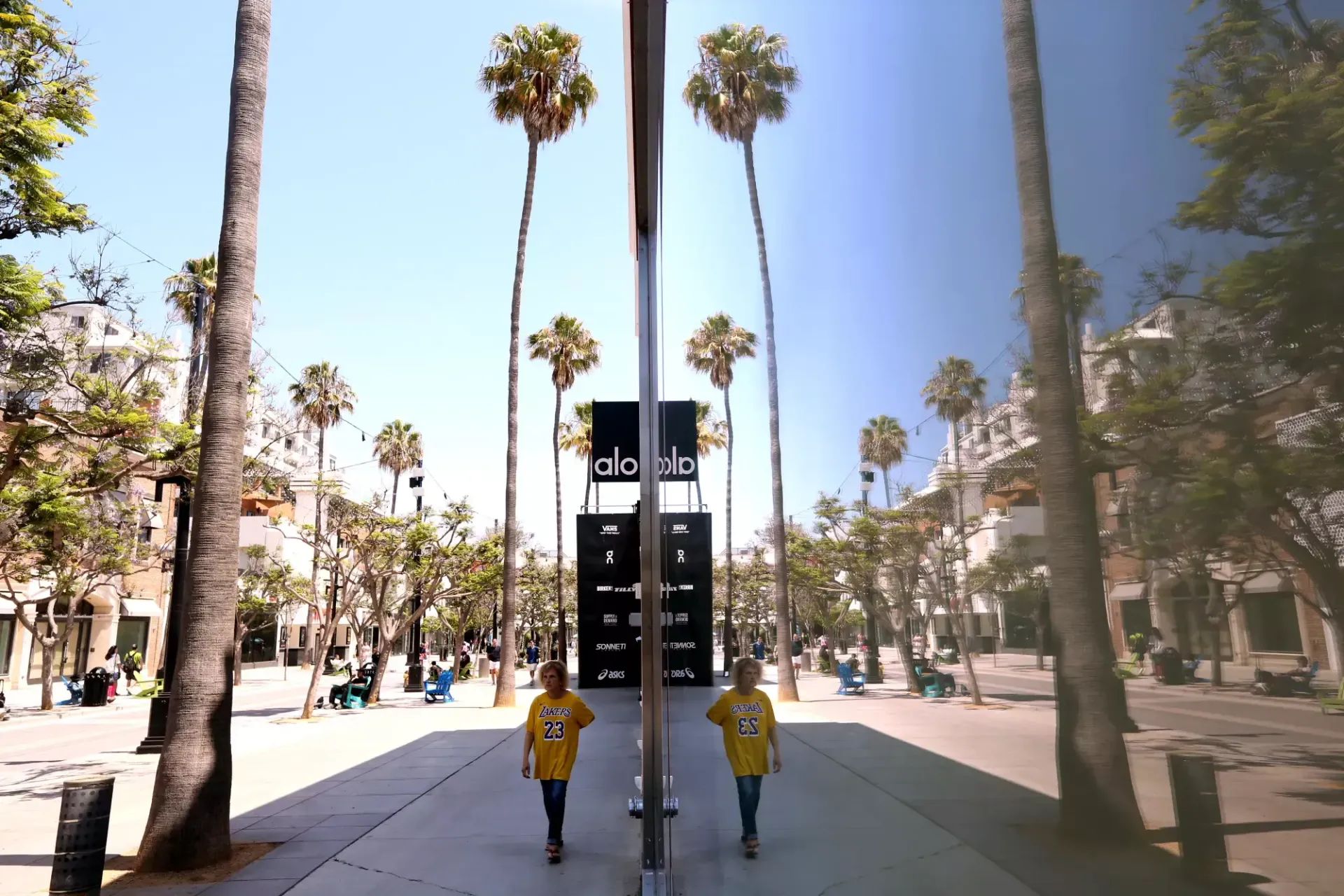
Two people walking in front of a sign that says adidas

Santa Monica’s Third Street Promenade is a retail relic. Can it be saved?


Once Santa’s Monica’s signature destination for shopping and dining, the Third Street Promenade is showing its age.

Its decline has left the promenade’s landlords and city officials trying to counter years of stagnation, public safety concerns and fast-changing retail norms in an attempt to breathe new life into it.
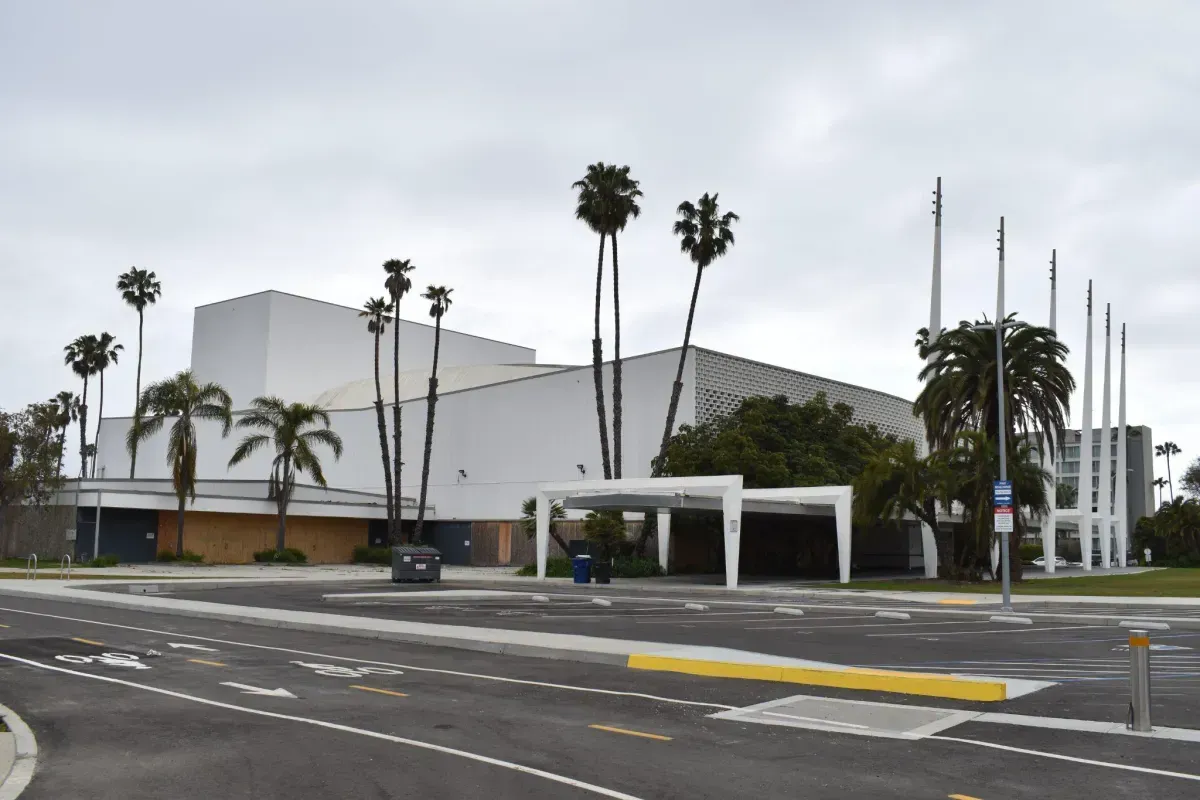

A large white building with palm trees in front of it

Curtain rises on formal proposal to revitalize the Civic Center


The already made public, but technically secret deal to reopen Santa Monica’s Civic Auditorium will have its first formal announcement at Tuesday’s council meeting. Approval of an Exclusive Negotiation Agreement (ENA) with Revitalization Partners Group, LLC (RPG) is part of the consent calendar for the July 23 meeting but as the calendar is approved in bulk with no debate, there will be no discussion of the deal unless a councilmember specifically asks for it to be pulled from the group list.

Read Full Article...

A big lots store with a blue sky in the background

Big Lots’ Vacant Stores Could Be Leased Quickly in Tight Market, Analysts Say


Last month, Big Lots CEO Bruce Thorn told investors the company was "moving quickly and aggressively" to solidify its position "as America's discount home store." Then just a week later, the retailer reported it was closing as many as 40 locations and might have to cease operations. Columbus, Ohio-based Big Lots, struggling for several years now since the pandemic's end, has a vast brick-and-mortar footprint. Its roughly 1,400 stores occupy about 46.6 million square feet of space. Some or all of that could be up for grabs if the company is forced to file for Chapter 11 bankruptcy protection or, worse-case scenario, has to liquidate.

A panera restaurant with umbrellas in front of it

Report: Panera Brands Explores Sale of Caribou Coffee and Einstein Bros. Bagels


Panera Brands is reportedly exploring a sale of Caribou Coffee and Einstein Bros. Bagels, according to Reuters. The deal could be valued at more than $1.5 billion. Reuters said Bank of America is running the sales process and that restaurant operators and private equity firms have shown interest in acquiring the chains. The transaction would also include Bruegger’s Bagels, Noah’s New York Bagels, and Manhattan Bagel. According to the publication, Panera wants a valuation 10 times its EBITDA of $150 million in 2024.


A box of assorted donuts from krispy kreme

Krispy Kreme sells majority stake of Insomnia Cookies


Krispy Kreme is doubling down on its doughnuts business. Krispy Kreme said it has sold its majority ownership stake of Insomnia Cookies to Verlinvest and Mistral Equity Partners. The company received $127.4 million for the sale and expects to receive an additional $45 million in the coming weeks following an Insomnia Cookies refinancing of intercompany debt. 

The front of a conn 's home plus store.

Report: Conn’s to close 100 stores, considers bankruptcy


Conn’s may be downsizing its store portfolio. The struggling, Texas-based retailer of furniture, mattresses, appliances and consumer electronics may close about 100 locations and liquidate the inventory as part of a possible Chapter 11 bankruptcy filing, reported Bloomberg


The front of a walgreens store with a red and white sign.

S&P Global Ratings downgrades Walgreens, citing struggles in both pharmacy and retail


S&P Global Ratings analysts have downgraded Walgreens Boot Alliance by two notches, to ‘BB’ from ‘BBB-’, which puts the drugstore company into speculative-grade territory. Analysts Diya Iyer and Hanna Zhang cited guidance for the year “notably below” their expectations, and said “material strategic changes, limited cash flow generation, and large maturities in coming years are key risks to the business.”


A person is holding a silver trophy in their hand.

Von Maur, Costco, Trader Joe’s among U.S. best retailers — by category


Quality products, reasonable prices and excellent customer service — these are the attributes that allow retailers to succeed. That’s according to Newsweek, which partnered with Statista to release the third annual ranking of "America's Best Retailers." More than 7,000 shoppers were surveyed for their opinions on retailers spanning 40 industry categories (such as apparel, electronics and supermarkets), resulting in a ranking that recognizes the 200 best places to make a purchase, according to Newsweek.




By Marc Perlof June 19, 2026
Federal Reserve holds rates steady but signals possible hike before year’s end US stock markets dropped on Wednesday afternoon after the Federal Reserve left interest rates unchanged and signaled a possible rate hike before the end of the year. The Fed was widely expected to keep rates at a range of 3.5% to 3.75%, where they have remained since December. The decision was unanimously supported by the Fed’s voting committee.  “Economic activity is expanding at a solid pace despite elevated uncertainty that owes, in part, to the conflict in the Middle East,” the Fed’s open market committee said in the statement...
By Marc Perlof June 15, 2026
By Marc Perlof | MarcRetailGuy CA #01489206 June 15, 2026 If you own retail real estate, here’s what just changed for you. In a buyer’s market, pricing discipline matters more than optimism. Retail property owners who understand how buyers think during weaker markets usually protect more value than owners who continue pricing based on past market conditions. When buyers gain leverage, they become more selective, move slower, and focus much more on risk. That changes how retail properties are priced, negotiated, and sold. In the previous article, “When to Adjust Price vs Hold Firm on Your Retail Property,” I discussed how owners should interpret buyer behavior, pricing feedback, and negotiation pressure once a property hits the market. What Changed What happens in a buyer’s market? In a buyer’s market, buyers gain more negotiating power because there are fewer active buyers compared to the number of properties for sale. Investors know they have more options, which changes how they negotiate. That usually slows down transactions. Buyers take longer to make decisions, ask more questions during due diligence, and review future risks more carefully before making offers. This is especially true for NNN properties, shopping centers, strip centers, and multitenant retail properties where buyers are closely reviewing tenant quality, how soon tenants may need to renew their leases, property repairs that still need to be completed, and future operating expenses. Why are buyers becoming more cautious? Buyers are becoming more careful because the margin for error is smaller today. Higher interest rates, more expensive financing, rising insurance costs, and economic uncertainty are causing investors to focus more on protecting themselves from future problems. Instead of focusing mostly on upside potential, buyers are asking: Will the tenants remain stable? Can rents hold up if the economy slows? Will future expenses increase faster than income? Will future buyers still want this property several years from now? That mindset affects pricing directly. Why It Matters Why do pricing mistakes hurt more in buyer driven markets? In buyer driven markets, aggressive pricing can reduce activity quickly. When buyers believe a property is overpriced, many simply move on instead of negotiating. That can create a difficult cycle for sellers. Limited activity often leads to longer time on market, weaker leverage, and growing buyer concerns over time. Buyers also become more aggressive once they believe a seller may eventually lower pricing. However, that assumption is not always correct. Some retail property owners are financially stable, are not highly motivated to sell, and are willing to wait if pricing does not reflect the property’s long term value. What concerns are buyers focused on most? Buyers today are closely reviewing anything that could create future problems. This includes: short lease terms property repairs that still need to be completed relying too heavily on one tenant for income weak tenant sales rising operating expenses poor common area maintenance (CAM) recovery structures older building systems future repair costs Even if a property is performing well today, buyers may still lower their pricing if they believe future risks are increasing. That is why clean, stable, and predictable retail properties are usually performing much better than properties with uncertainty or operational problems. Strategic Advice for Retail Property Owners Should you lower pricing quickly in a buyer’s market? Not automatically. Owners should avoid repeatedly lowering pricing out of frustration or fear. Frequent price cuts can weaken buyer confidence and make sellers appear desperate. Instead, pricing adjustments should be based on consistent feedback from qualified buyers. How do you reduce buyer fear? In buyer driven markets, reducing uncertainty becomes extremely important. Owners should review anything that could create concerns for buyers. This includes how organized the leases, financial records, and property information are, as well as any repairs that still need to be completed. Buyers will also pay close attention to lease expiration dates, common area maintenance charges and reimbursements, NNN expense responsibilities, lease options, rent increases, guarantor strength, and who is responsible for major items such as the roof, HVAC system, and parking lot. The easier it is for buyers to understand the property and its future risks, the more confidence they usually have during negotiations. When might waiting make more sense than selling? Not every market is ideal for selling. In some situations, extending leases, improving tenant quality, resolving deferred maintenance, increasing NOI, or waiting for financing conditions to improve may create better long term results than selling immediately. That does not mean owners should avoid selling in weaker markets. It means owners should understand whether they are selling from a position of strength or reacting emotionally to market uncertainty. What should sellers focus on most? The goal in buyer driven markets is not simply attracting offers. The goal is building buyer confidence while protecting leverage as much as possible during negotiations. Owners who reduce uncertainty, position their properties correctly, and respond strategically to buyer concerns usually perform much better than owners who rely only on aggressive pricing. Real Deal Insight We are beginning to see buyers usually lower what they are willing to pay when they see uncertainty in today’s retail market. Properties with organized financials, stable tenants, and fewer future concerns are consistently attracting stronger pricing and smoother negotiations. Owner Self Assessment If buyers reviewed your property today, would they see stable long term income or future problems they need to price into the deal? If you are considering selling and want to understand how buyers would likely evaluate your property in today’s market, reach out directly. I will walk you through how investors are reviewing pricing, lease risk, operating expenses, and future value before you make a decision. Are you positioning your property to reduce buyer fear or unintentionally increasing it? In the next article, “How to Price Retail Property in a Seller’s Market,” we will discuss how strong buyer demand changes negotiation strategy, pricing leverage, and competitive bidding environments. Based in Los Angeles. Serving Southern California. Active across California. Advising clients nationwide.  #RetailRealEstate #NNN #ShoppingCenters #StripCenters #CommercialRealEstate #InvestmentSales #CapRates #RetailProperty #LosAngelesCRE #1031Exchange
By Marc Perlof June 12, 2026
Inflation tops 4% for the first time in 3 years on spike in gasoline prices Soaring gasoline prices, triggered by the U.S. war with Iran, have pushed inflation to its highest level in more than three years. A report from the Labor Department on Wednesday showed consumer prices in May were up 4.2% from a year ago. That's the biggest annual increase since April of 2023. By contrast, the Labor Department says average wages have risen only 3.4% over the last year, so workers' real spending power has declined...
More Posts