Weekly Perl: A Commercial Real Estate News Recap

Marc Perlof • March 14, 2025
A banner for weekly commercial real estate news recap
1000th Store Orlando

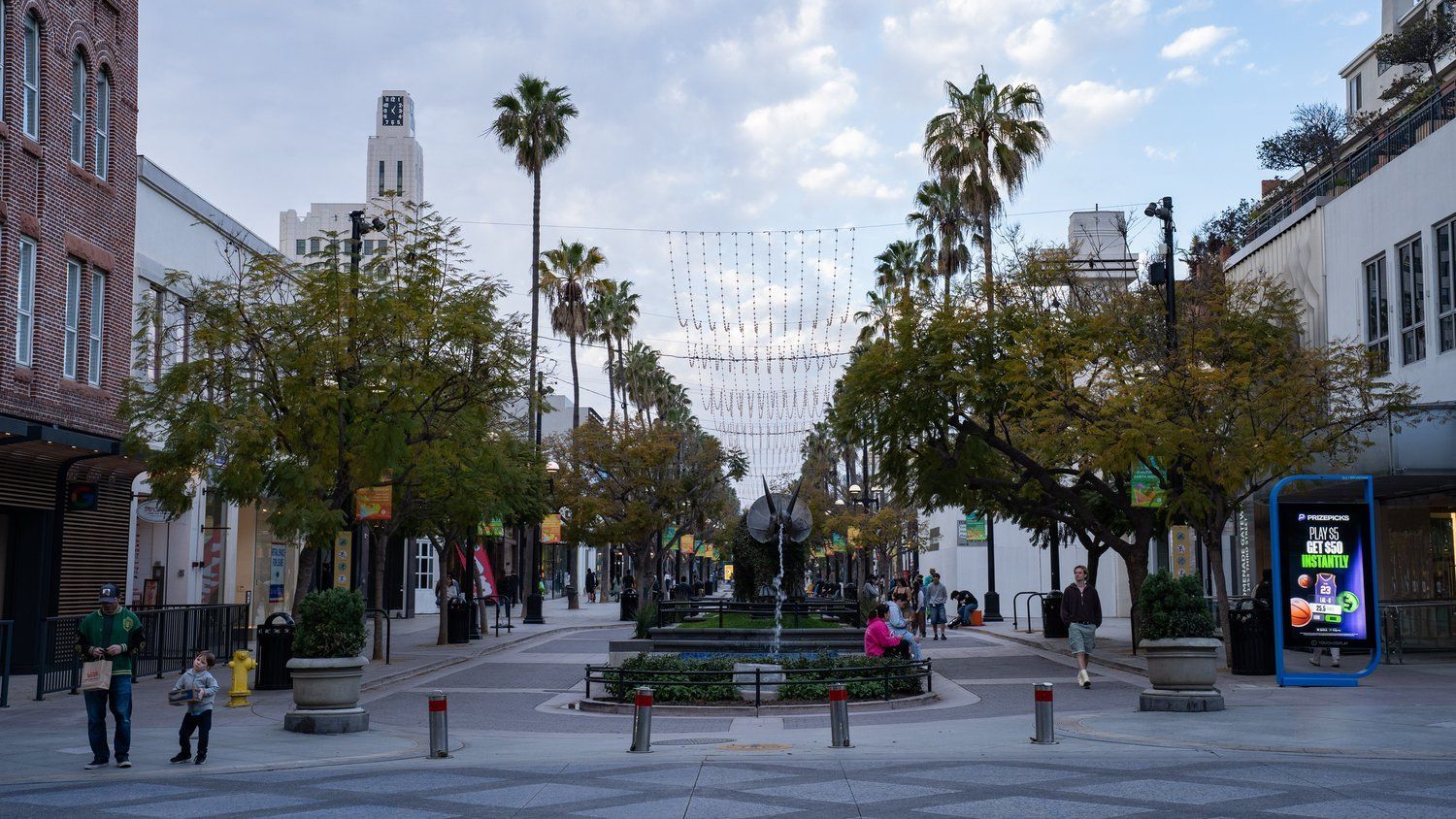
The continuous downfall of the Third Street Promenade


Residents of Santa Monica are no longer taken aback by the crippling state of the Third Street Promenade – for some it is a normalcy they have always known, and for others, it is a fall from grace they have come to accept. 

A kfc restaurant with a sign that says ' mr. kentucky ' on it

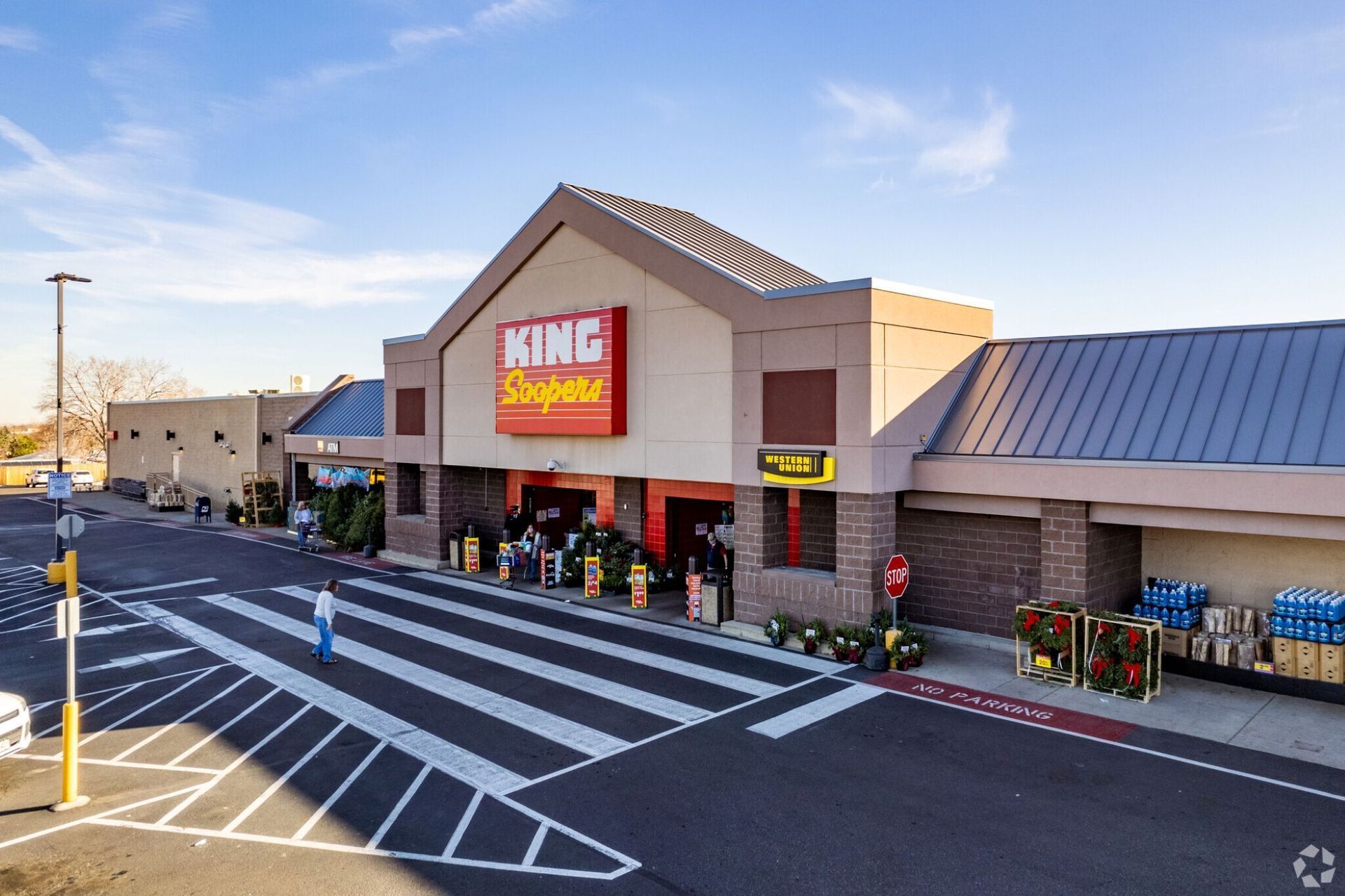
Kroger to launch superstore concept in retail-starved Denver suburb


Grocery giant Kroger is looking to match supersized population growth with plans to debut its superstore concept in a Denver suburb where retail development has lagged far behind its residential boom.

The front of a dollar tree store with green awnings

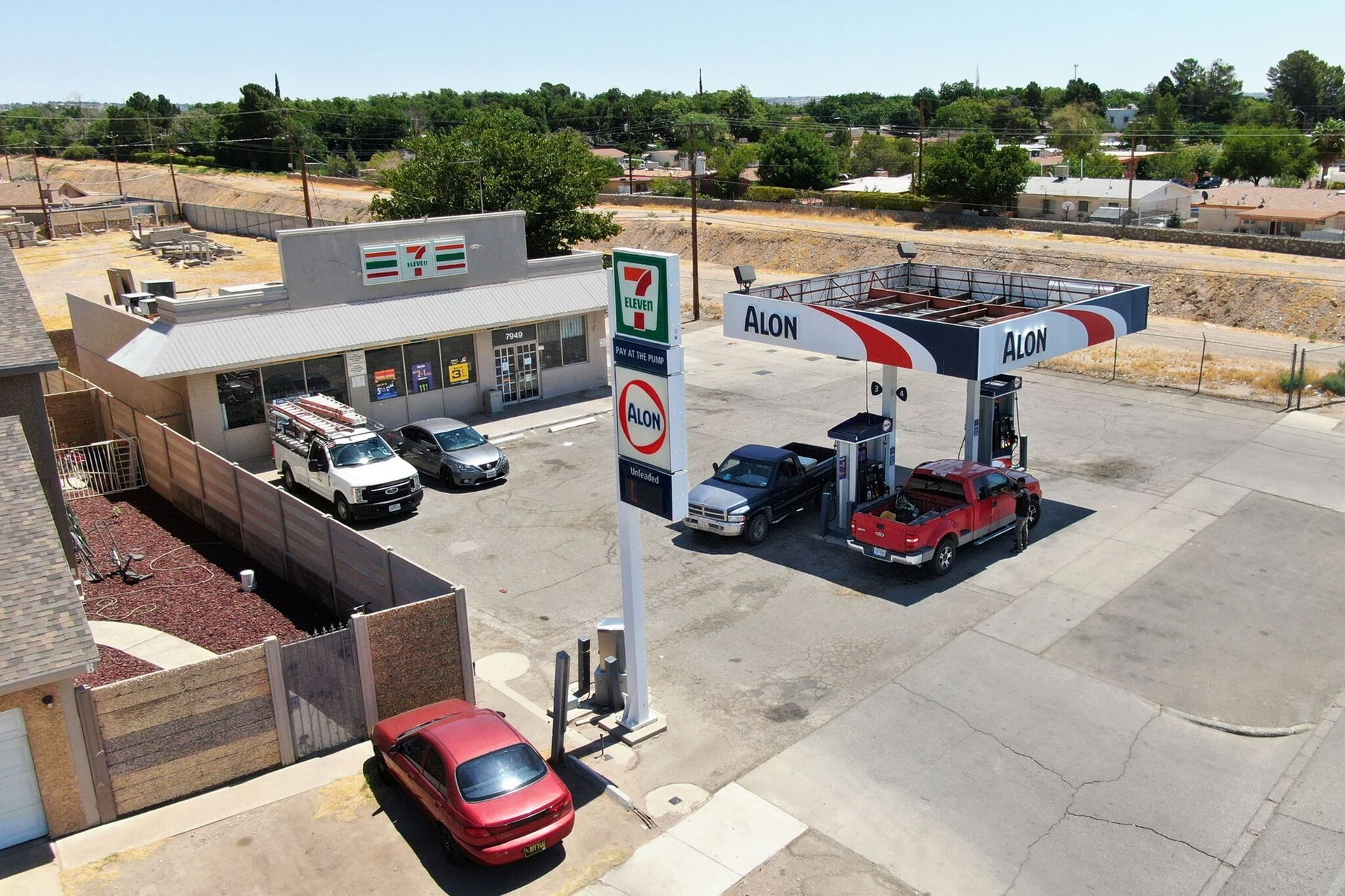
Circle K owner considers selling 2,000 US stores as part of potential 7-Eleven deal


The parent company of 7-Eleven said Alimentation Couche-Tard agreed to consider divesting about 2,000 Circle K stores in the United States to address potential antitrust concerns that could torpedo a merger of the companies.

The front of a dollar tree store with green awnings

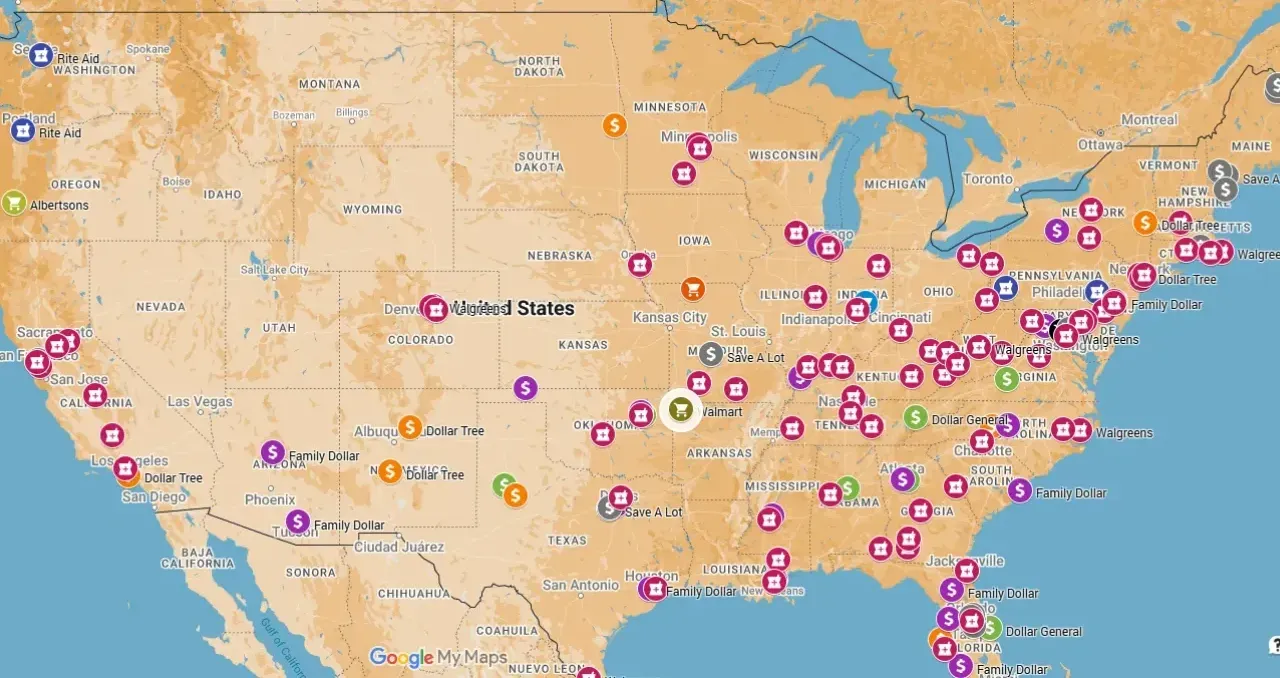
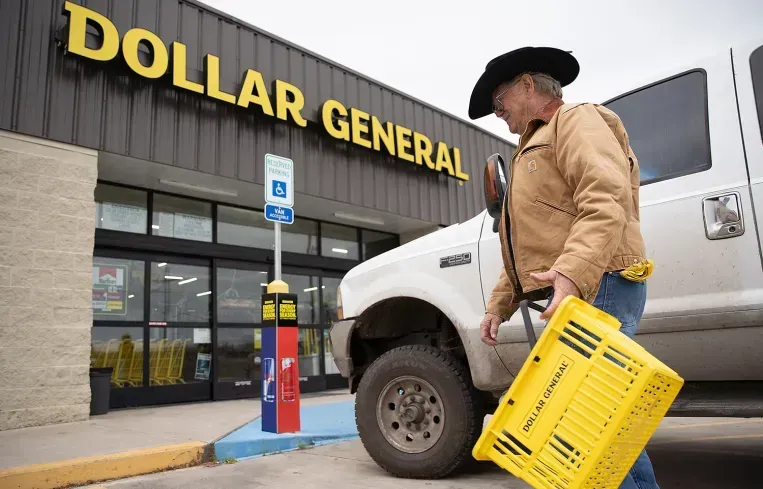
Dollar stores surge, Walgreens retreats in new store map


February was another big month for dollar stores across the U.S., with 122 opening and 37 closing, according to the monthly Supermarket News store map.

A large brick building with a tower on top of it is on the corner of a street.

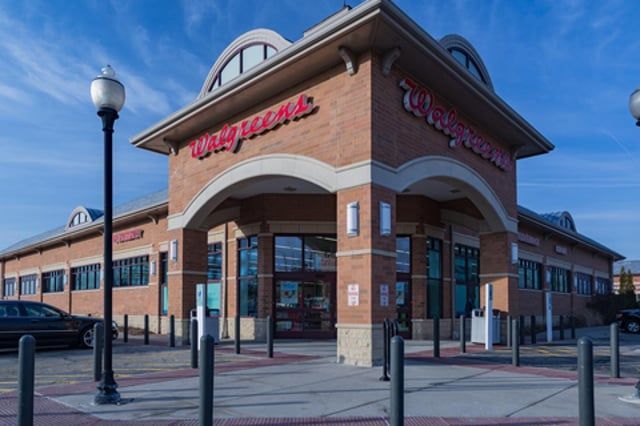
Walgreens in $10 billion deal to go private


The struggling retail pharmacy giant has entered into an agreement with Sycamore Partners to be acquired for an equity value of around $10 billion. Upon completion of the deal, Walgreen’s common stock will no longer be listed on the Nasdaq Stock Market, and it will become a private company.

A large brick building with a tower on top of it is on the corner of a street.

CVS plans test of small-format stores


CVS Health is planning to open “a dozen or more” smaller-format CVS Pharmacy locations in markets around the country during the next year, a spokesperson for the retailer told Supermarket News.

A large brick building with a tower on top of it is on the corner of a street.

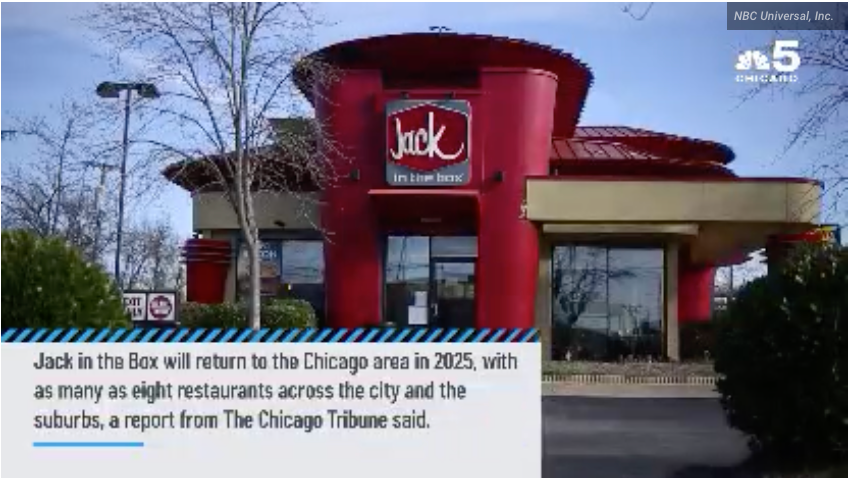
Jack in the Box reveals opening timeline for 10 new restaurants in Chicago, suburbs


The iconic fast-food chain Jack in the Box will return to the Chicago area this summer with as many as 10 new restaurants set to open in the city and the suburbs, the company said in a release.

A large brick building with a tower on top of it is on the corner of a street.

Retail’s 2025 Outlook: A Tale of Diverging Trends


This year’s outlook for the retail sector and its bricks-and-mortar locations is decidedly mixed, strikingly so across different categories, according to Datex Property Solutions’ latest report.

Dollar Stores Fight for Relevance Amid Stiffer Competition, Tariffs


Online portals like Temu and Shein — never mind old standbys like Walmart and Costco — have eaten into the record sales dollar retailers enjoyed during COVID-19

A large brick building with a tower on top of it is on the corner of a street.

Costco on tariffs: Margins are much tighter on food


Costco did not seem overly concerned about the Trump administration’s 25% tariffs on Canada and Mexico during its second-quarter earnings call on Thursday, but it reminded shareholders that grocery items will be particularly vulnerable.

A large brick building with a tower on top of it is on the corner of a street.

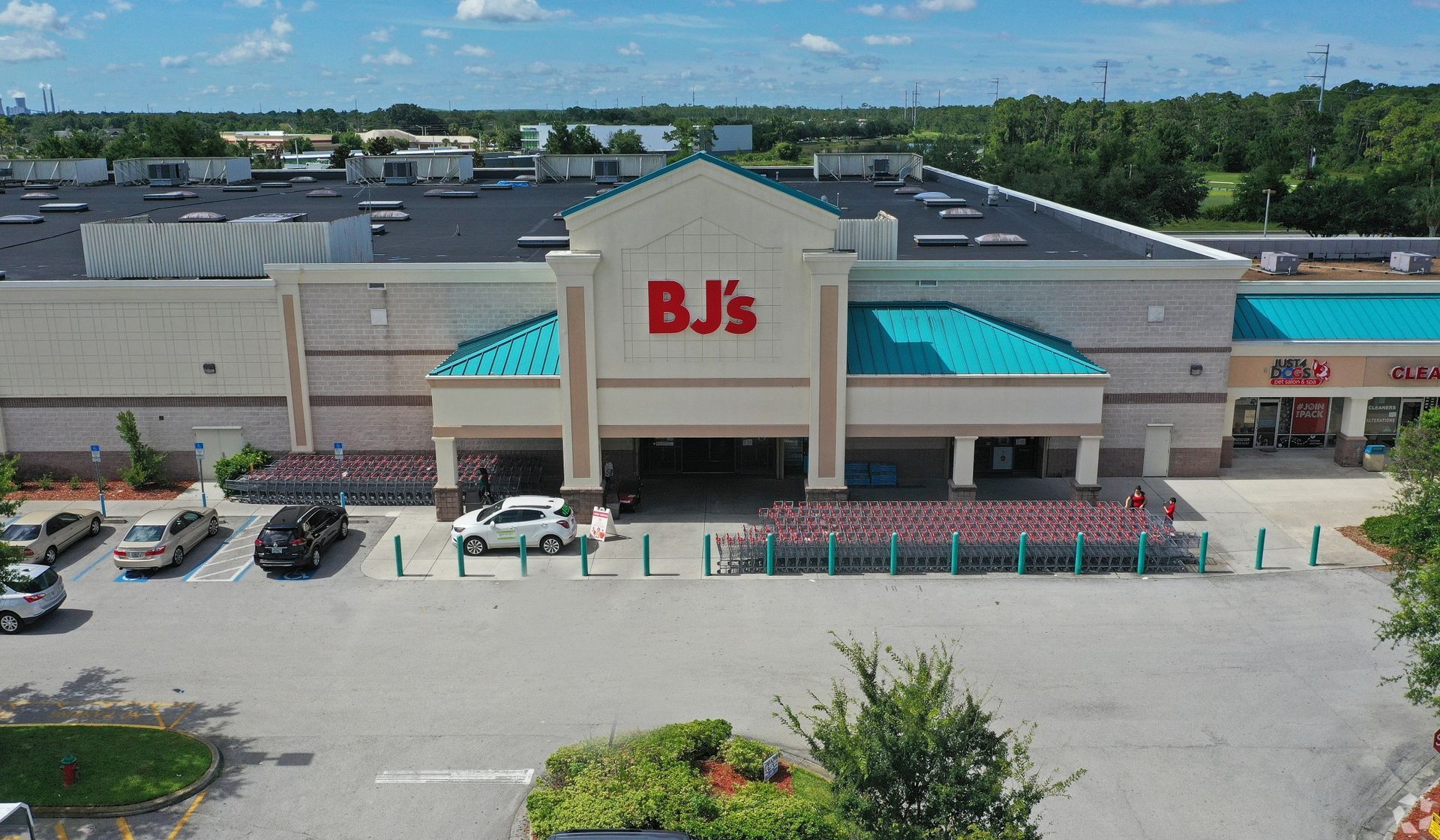
BJ's Wholesale Club to make big move into Texas


A new wholesale club is looking to expand into Texas for the first time, taking on rivals Sam's Club and Costco.

A large brick building with a tower on top of it is on the corner of a street.

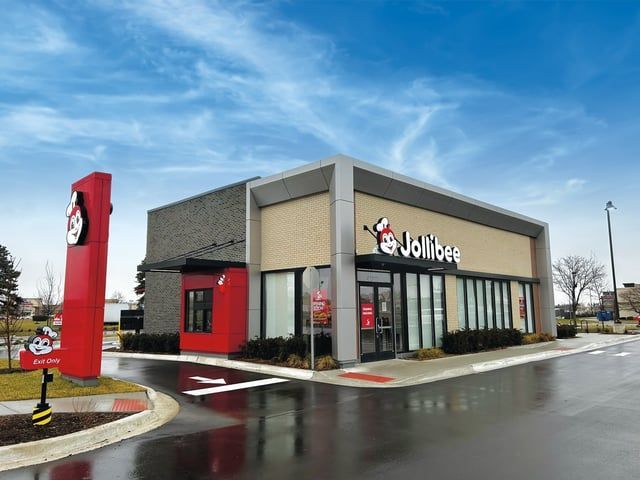
Jollibee launches first U.S. franchise program


Quick-serve chain Jollibee is looking to expand its store count — through franchising.

A large brick building with a tower on top of it is on the corner of a street.

Gap reports strong Q4 as turnaround shows no signs of slowing


Gap Inc. maintained its turnaround momentum during the holiday quarter, reporting sales and earnings that topped Street expectations and a big comp sales increase across its namesake division. 

By Marc Perlof May 4, 2026
By Marc Perlof | MarcRetailGuy CA #01489206 May 4, 2026 If you own retail real estate, here’s what just changed for you. Pricing your retail property is not about picking a number. It is about choosing the right strategy to drive buyer demand and maximize your final sale price. If you use the wrong approach, you limit your buyer pool and your outcome. Retail property pricing has become more strategic. Buyers are more selective and move quickly when deals are positioned correctly. Properties that are not positioned well are being ignored. What is causing it? Higher interest rates and rising operating costs have made buyers more disciplined. At the same time, demand still exists for well-located assets, especially in Southern California. This creates a gap. Strong deals get attention. Weakly positioned deals sit. How does pricing affect your property value? Pricing determines how many buyers engage. More buyers create competition. Competition drives stronger offers and higher pricing. If your property attracts only one buyer, that buyer controls the negotiation. If multiple buyers engage, you control the process. How are buyers responding today? Buyers are prioritizing deals that feel well positioned from the start. If pricing creates hesitation, they move on quickly. If pricing creates opportunity, they act. What should you do right now? Start by understanding that pricing is a strategy, not just a number. Different approaches create different outcomes depending on your asset and buyer pool. What should you focus on? Match your pricing approach to your property. A stabilized NNN asset, a strip center with upside, and a redevelopment site should not be brought to market the same way. Buyers are actively pursuing deals that feel correctly positioned and ignoring those that feel priced without strategy. There are several ways to bring a retail property to market, including an exact asking price, pricing guidance, request for offers, submit offers, and off-market sales. Each approach attracts a different buyer mindset and leads to a different outcome. In retail real estate and select commercial opportunities, including development sites, pricing strategy plays a direct role in the final outcome. Pricing controls demand. Demand controls price. In the next three weeks, I will break down how each pricing strategy works and when to use it. Start with “Should You List Your Retail Property With an Asking Price?” (Part 2) , where I explain when pricing helps and when it hurts your result. If you listed your property today, would your pricing strategy attract multiple buyers or just one? Call or DM me for more information. If pricing drives demand, are you using the right strategy for your property? Based in Los Angeles. Serving Southern California. Active across California. Advising clients nationwide. #RetailRealEstate #CommercialProperty #NNN #StripCenters #ShoppingCenters #CRE #LosAngelesRealEstate #InvestmentProperty #PropertyValue
By Marc Perlof May 1, 2026
Fed's Powell says he'll stay on as governor after term as chair ends - as it happened Powell said he'll be staying on the Fed Board of Governors after his term as chair ends in May. He said his choice reflects his concern over a series of legal attacks on the Fed. "I worry that these attacks are battering the institution and putting at risk the thing that really matters to the public, which is the ability to conduct monetary policy without taking into consideration political factors," he said...
By Marc Perlof April 27, 2026
By Marc Perlof | MarcRetailGuy CA #01489206 April 27, 2026 If you own retail real estate, here's what just changed for you. Every warning this year has sounded the same. Oil prices are up. Jobs are slowing. Inflation is high. Cap rates are rising. If you have been paying attention, none of that is new. This is different. Ray Dalio is not warning about a recession. He is warning that the system itself is breaking. That is a bigger problem. And it should change how you think about when to sell. What Dalio Actually Said Ray Dalio runs Bridgewater Associates, one of the biggest hedge funds in the world. In interviews covered by major financial outlets in 2026, he said the U.S. is "very close to a recession." But a recession is not what worries him most. He said something bigger is happening. "We have a breaking down of the monetary order," he said. "We are going to change the monetary order because we cannot spend the amounts of money... We are having profound changes in our domestic order... and we're having profound changes in the world order."¹ He compared today to the 1930s. Not 2008. Not 2001. The 1930s, when tariffs, debt, and countries fighting over power caused a collapse that took over a decade to fix. He has also warned that rising tensions between countries could trigger a "capital war," where money is used as a weapon and the flow of global investment breaks down.² These are not warnings about next quarter. They are warnings about the next era. A Recession You Can Wait Out. This You Cannot. This is the part most retail property owners are missing. A recession is a cycle. It goes down and then it comes back up. Owners who held through 2008, through COVID, through rate hikes know how this works. You cut costs, keep tenants in place, and sell when things recover. That works when the basic system stays intact. What Dalio is describing is different. It is not a dip. It is a shift in how the whole economy is valued. When the U.S. dollar loses strength, when other countries stop buying U.S. debt, when the federal deficit is headed toward $1.9 trillion this year more than double what Dalio says is safe,³ interest rates do not fall the way they do after a normal recession. They stay high, or go higher, because the government needs to keep borrowing. That keeps cap rates up. And it does not fix itself on a normal timeline. In a recession, waiting can be smart. In a reset, waiting is the risk. A recession self-corrects because the Fed can cut rates, credit loosens, and buyers come back. A reset does not self-correct because the government cannot cut rates when it needs to keep borrowing just to stay solvent. What This Means for Your Tenants Not every tenant feels this the same way. Tenants who sell physical goods: clothes, electronics, furniture, home products, are already paying more because of tariffs. Their costs are up and their profits are shrinking. If several of your tenants are in this category, your risk is real if things get worse. Service tenants are more insulated. Food, hair salons, auto repair, medical, and personal services generate most of their income from serving people locally. Yes, some of their supplies are imported and tariffs add cost pressure, but they are not dependent on imported inventory the way a clothing store or electronics retailer is. Their business survives because people need those services every week regardless of global trade conditions. Across Los Angeles and Southern California, these tenants have held up through every major downturn. Know which type of tenants you have. In a reset, that difference matters more than ever. Net lease owners are not off the hook here. A net lease protects you from paying the bills, not from a tenant going under. In a long downturn, even strong tenants can get squeezed. If your tenant closes or restructures, you are left with an empty building in a market where finding a new tenant and selling are both harder than they were two years ago. And lease term matters too. Buyers pay more for properties with long leases remaining. Every year you hold, you burn off term you cannot get back. What This Means for Your Property Value Consumer prices rose 3.3% in the 12 months ending March 2026. Energy costs jumped 10.9%. Gas prices alone went up 21.2% in a single month, the biggest one month jump since records started in 1967.⁴ U.S. employers added just 181,000 jobs in all of 2025. That is an 88% drop from the 1.46 million jobs added in 2024. Hiring picked up a little in March 2026, with 178,000 jobs added, but unemployment is at 4.3%, the highest since 2024.¹ These numbers matter because they make it very hard for the Federal Reserve to cut interest rates. Goldman Sachs expects core inflation to still be at 2.5% by the end of 2026 and sees only one rate cut this year at best.⁵ That means buyers will keep demanding higher returns. Cap rates stay wide. And the math hits hard. If your property brings in $100,000 a year in net income and buyers are pricing it at a 5.5% cap rate, it is worth about $1.82 million. If buyers move to a 6.5% cap rate, an 18% increase in the cap rate, that same income is worth about $1.54 million. That is $280,000 gone, a 15% drop in your dollar property value. No vacancy. No bad tenants. No change in your rent roll. Just an 18% shift in how buyers price risk that wipes out 15% of what your property is worth. In a recession, you can reasonably expect that gap to close when things recover. In a reset, you are betting on a system fixing itself that Dalio says is actively breaking down. In a recession, you can reasonably expect that gap to close when things recover. In a reset, you are betting on a system fixing itself that Dalio says is actively breaking down. What You Should Do Right Now First, look at your tenants. Which ones sell goods and which ones sell services. Which ones are paying below market rent. Below market tenants are likely to stay, but buyers will discount your price because they are taking on the risk of getting rents up to market when those leases expire. In a tight capital environment, buyers want stable income, not a re-leasing project. Second, get a real valuation based on where buyers are today. Not 2022 numbers. Not 2025 numbers. Not what sold nearby 18 months ago. Today's buyers, today's cap rates, today's market. Real Deal Insight Buyers in Southern California retail are pushing cap rates wider and looking harder at tenant credit than at any point in the last two years. Properties with goods based tenants or short leases are taking longer to price and drawing fewer buyers. Necessity retail with long leases are still trading, but only when sellers price it where the market actually is, not where it used to be. The Question You Should Be Asking Right Now Cap rates are moving. Buyer pools are shrinking. Pricing windows close quietly. If you are thinking about selling in the next one to three years, now is the time to find out where you actually stand. Not next quarter. Not after the next Fed meeting. Call or DM me and let's look at your property with today's buyers and today's numbers. Don't let uncertainty make this decision for you. #RetailRealEstate #MarcRetailGuy #CommercialRealEstate #RetailInvestment #SouthernCaliforniaRealEstate #LosAngelesRealEstate #NNNProperties #StripCenters #RetailPropertyOwners #CapRates #CREInvesting #MomAndPopInvestors
More Posts