Weekly Perl: A Commercial Real Estate News Recap

Marc Perlof • February 27, 2026
A banner for weekly commercial real estate news recap
A car is parked in front of a sign that says 223

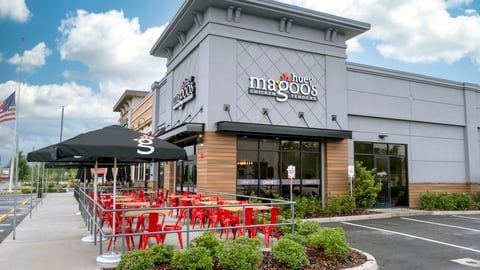
Huey Magoo's to enter Texas, expand Alabama footprint


A growing chicken tender chain is plotting expansion in two Southern states.


Huey Magoo’s has signed a new development agreement totaling 12 restaurants, marking the brand's entry into Texas and expansion in Alabama. The deal includes eight restaurants across the north Dallas market and four in Birmingham, Ala., continuing the chain's nationwide expansion...

The front of an aldi store with a sign in front of it.

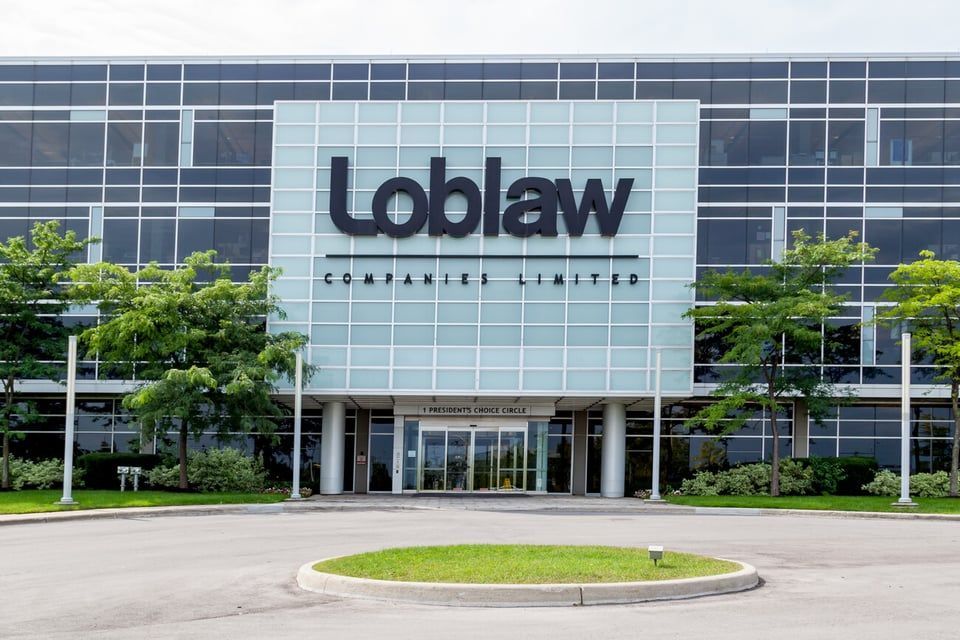
Canada’s Loblaw Companies to open 70 new stores, renovate 191 locations in 2026


Loblaw Companies Limited — one of Canada’s largest retailers — is making big investments in its brick-and-mortar network and supply chain.

The food and pharmacy retailer said it will spend $2.4 billion in 2026 to expand and renovate its store network, enhance its supply chain capabilities and create jobs for people all across Canada. Loblaw will open 70 new stores in 2026, including 34 Shoppers Drug Mart and Pharmaprix pharmacies and care clinics, and 31 “hard discount” No Frills and Maxi stores...
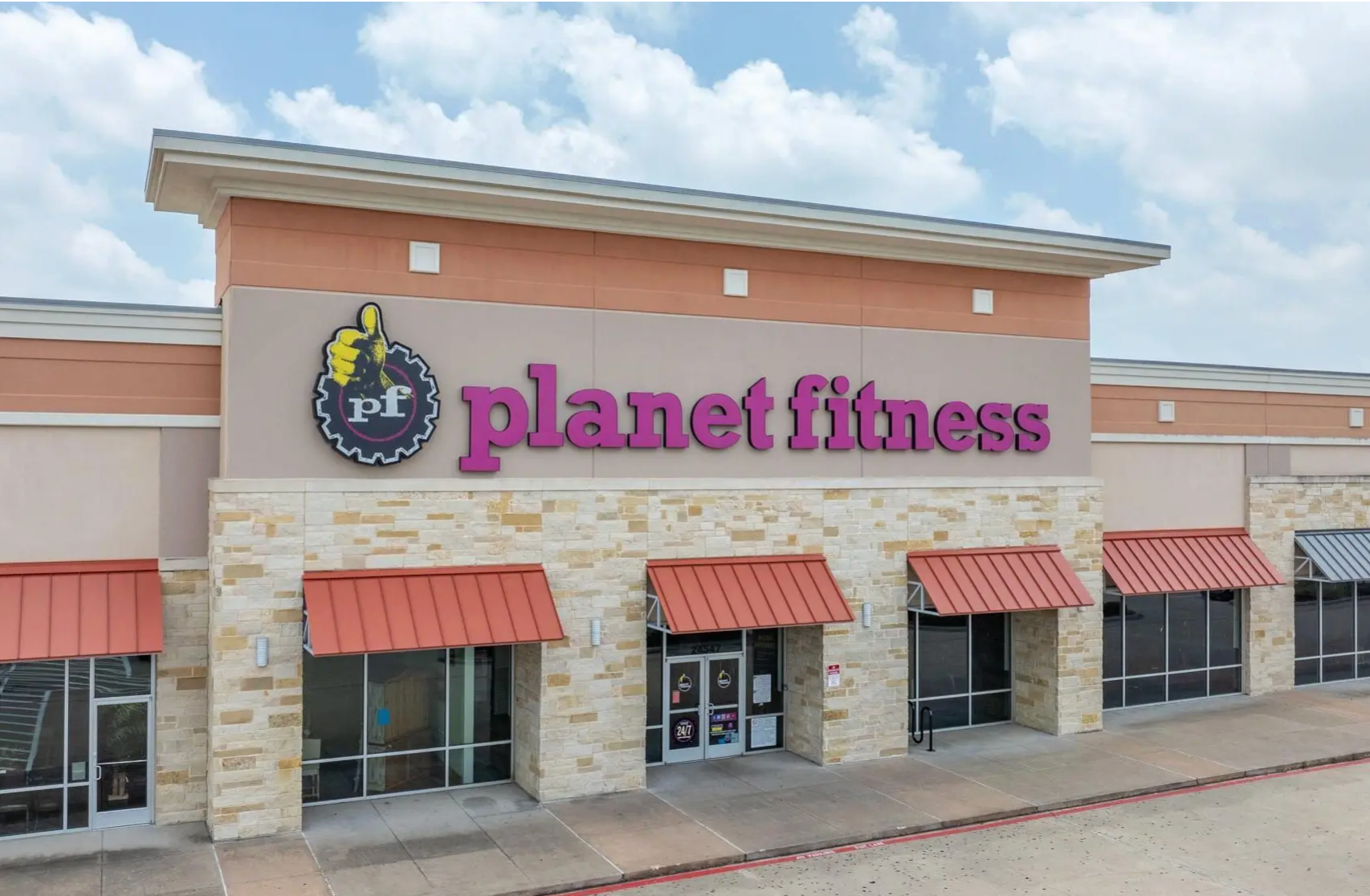

A Planet Fitness storefront in a strip mall with stone accents, purple signage, and reddish-brown metal awnings.

Planet Fitness to bulk up with nearly 200 new clubs this year


Planet Fitness plans to open nearly 200 clubs this year, focusing on space once occupied by struggling retailers and targeting the next generation of fitness enthusiasts for its membership.

The expansion comes as health-conscious Americans are willing to ante up to improve their physiques. The industry has sprung back from the pandemic, when there was a shakeout of gym chains after they were ordered to close their doors during COVID-19 lockdowns...
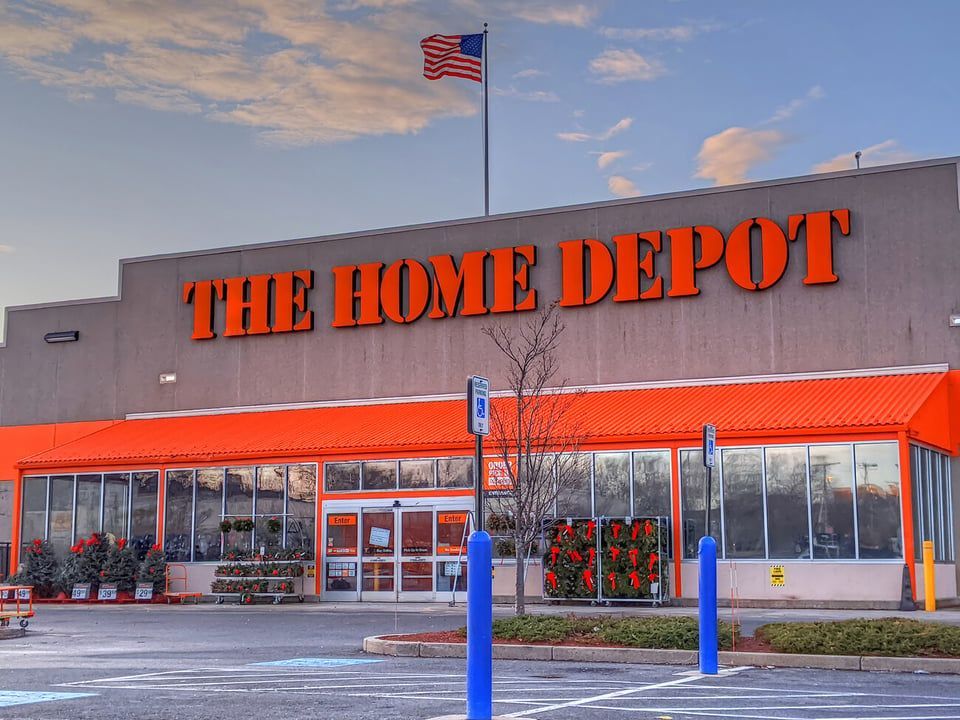
The exterior of a Home Depot store with its signature orange branding and an American flag flying on the roof.

Home Depot Q4 tops estimates; opening 15 stores in 2026

The Home Depot topped Wall Street estimates for the first time in a year in its fourth quarter, but reported a 3.8% sales decline amid a stalled housing market, ongoing economic uncertainty, high mortgage rates and cautious consumers...
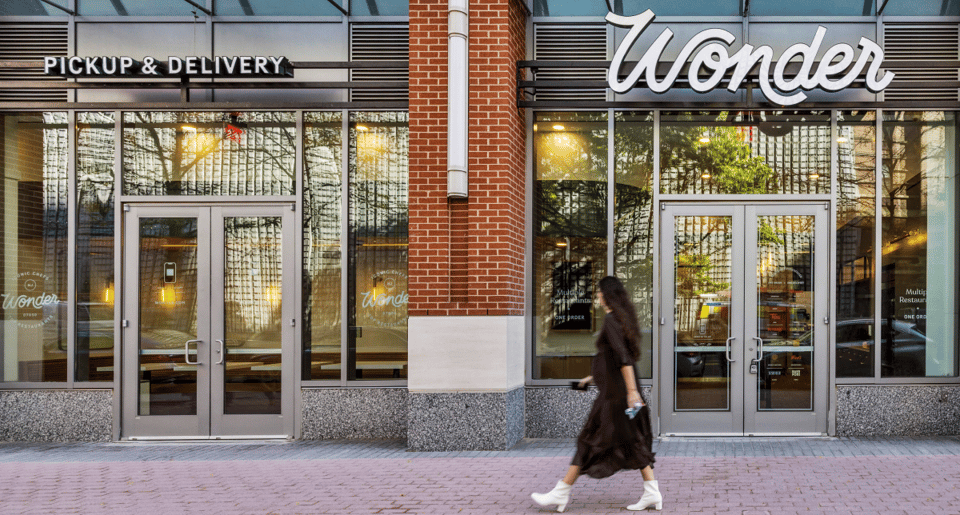
A woman in a dark dress and white boots walks on a sidewalk in front of a Wonder restaurant storefront.

Wonder plans more than 100 Texas locations by end of 2027

The delivery- and pickup-focused restaurant company founded by former Walmart executive Marc Lore is expanding far beyond its Northeast roots.

Wonder announced it will open for business in Texas in 2027, marking its next phase of growth as a multi-region operator...
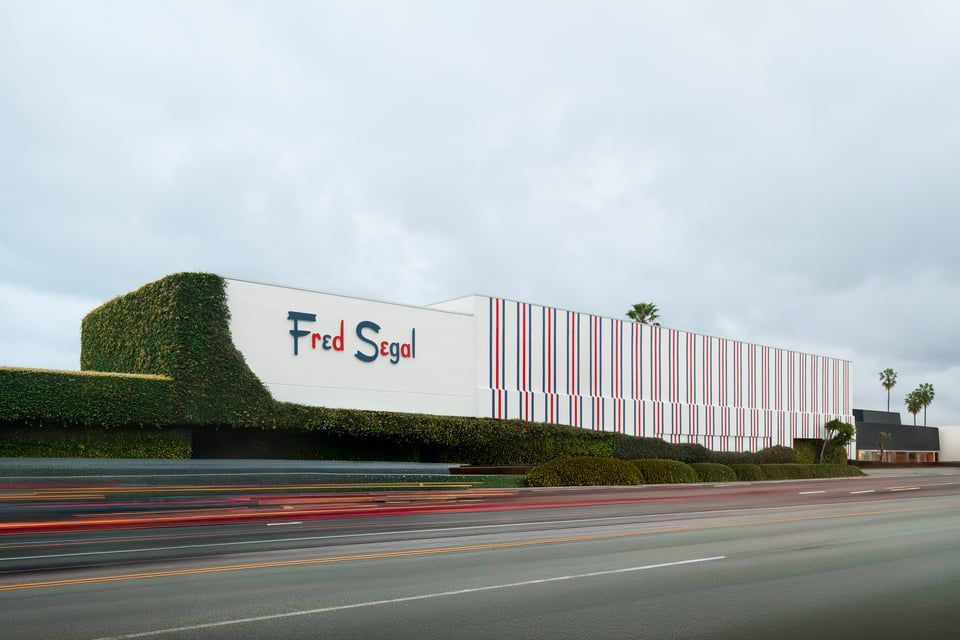
A Fred Segal store building with green ivy walls and a striped white, red, and grey facade under a cloudy sky.

Canada’s Aritzia acquires iconic LA brand Fred Segal


Aritzia continues to move on its long-term strategy to expand in the U.S. 


The Canada-based fashion retailer has acquired the Fred Segal brand and has leased 8100 Melrose Avenue — Fred Segal’s original flagship destination in Los Angeles (West Hollywood). The acquisition includes the Fred Segal brand, including intellectual property and trademarks. The purchase price was not disclosed...
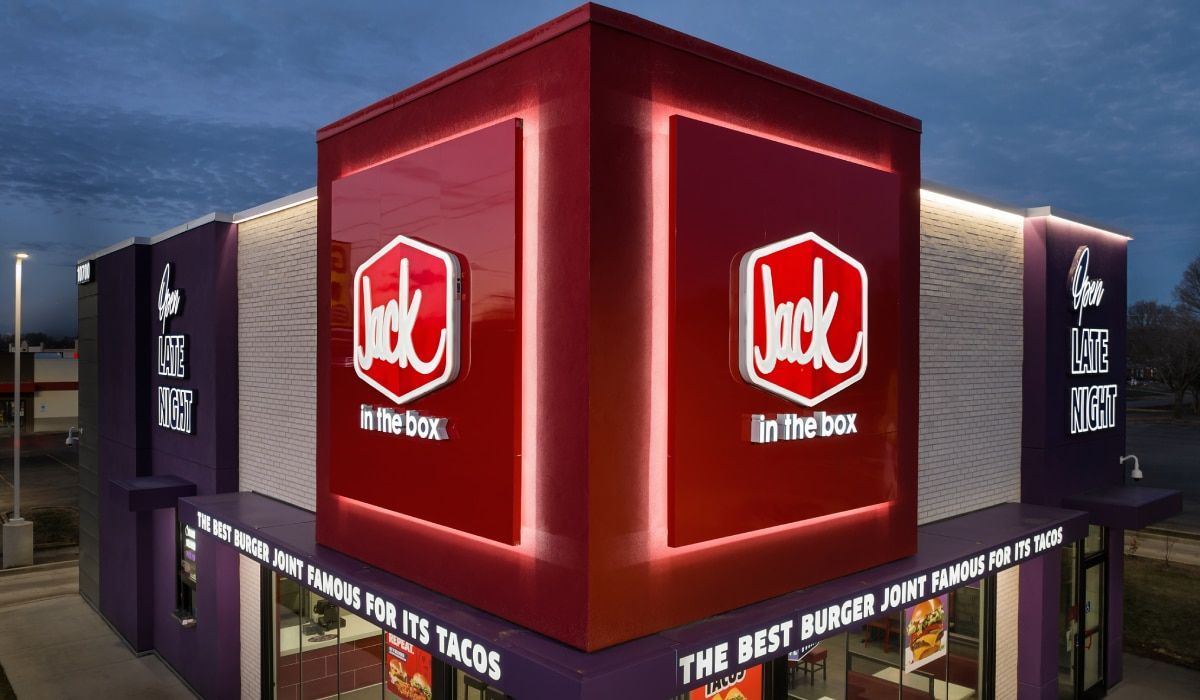
A modern, purple and red Jack in the Box restaurant exterior at twilight, featuring illuminated brand signage.

Jack in the Box Targets Stability in 2026 as Value, Operations, and Tech Gain Traction

With Del Taco officially leaving the picture in December, Jack in the Box will now spend the rest of its 2026 fiscal calendar—and beyond—focusing on the core business.


And there is much work to do.

Systemwide same-store sales declined 6.7 percent in Q1 year-over-year, comprising a 7 percent decrease among franchises and a 4.7 percent drop among company-operated stores. The decreases resulted from softer transactions and negative menu mix, partially offset by menu price increases. CEO Lance Tucker attributed the performance gap between company and franchise units to corporate restaurants pricing lower and leaning more into digital promotions...
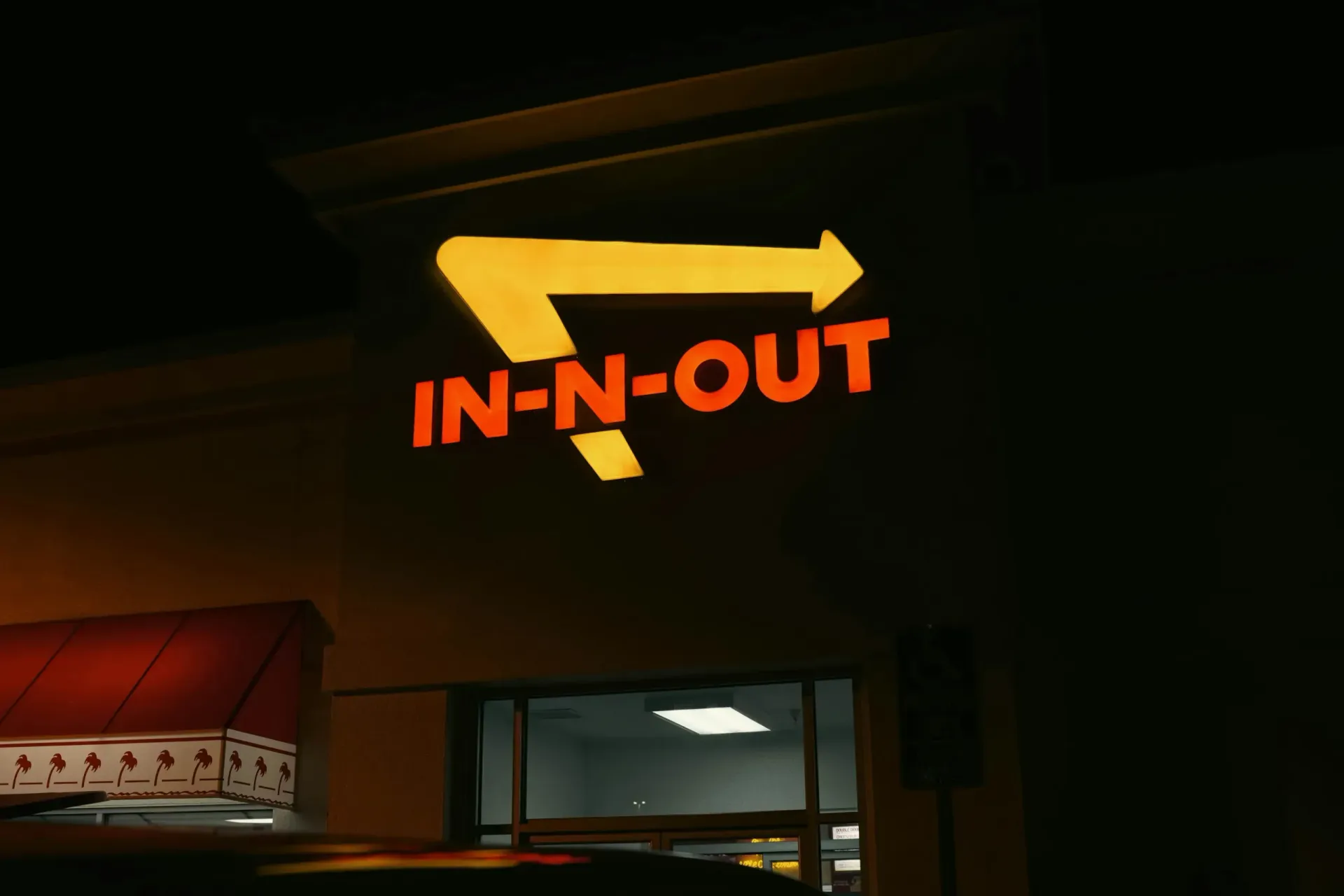

An In-N-Out Burger sign glowing yellow and red on a building exterior at night.

QSR Cap Rates Steady As Investors Shift to Quality

Globe St reports that the net-lease quick service restaurant (QSR) market 
closed out 2025 with average cap rates almost unchanged at 5.68%, according to B+E’s year-end report. Underneath that steady headline, the market showed a distinct shift: investors favored long-term leases with strong operators, driving tighter yields for top brands and spotlighting concept quality over broad sector movement...
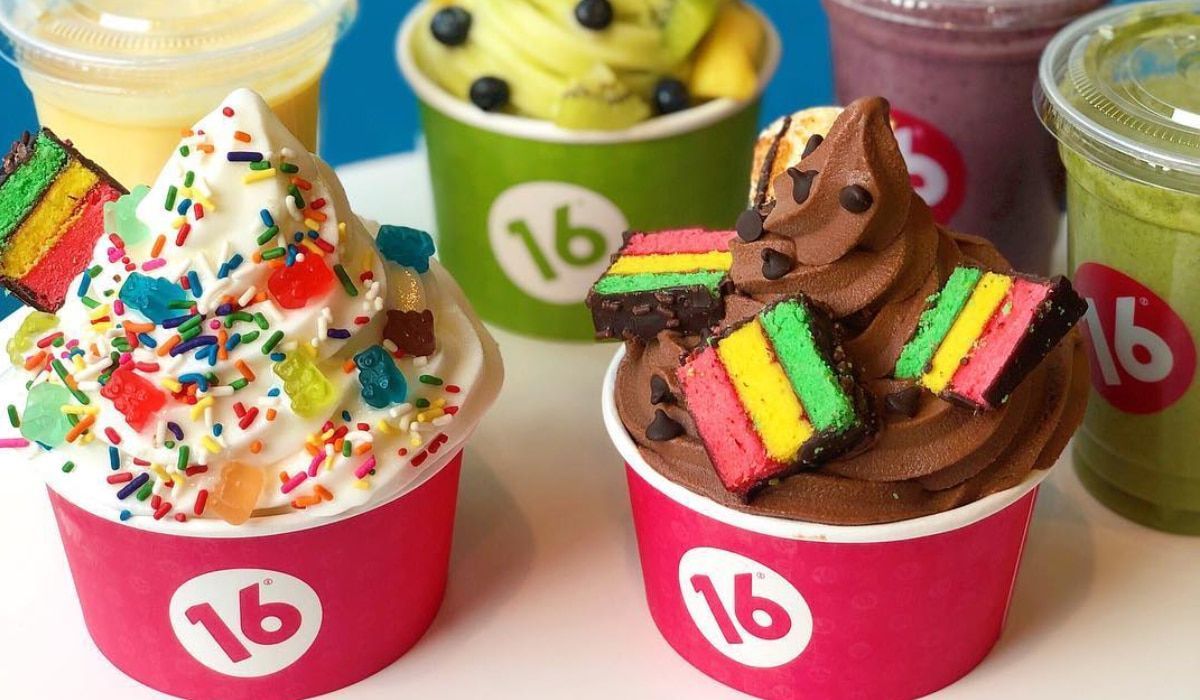
Several cups of frozen yogurt and smoothies, featuring colorful toppings and a branded

16 Handles Proves Frozen Yogurt Category is Alive and Well


16 Handles CEO Neil Hershman has seen the news on frozen yogurt being a stale category.


He doesn’t entirely disagree. As he says, “Perceptions are based on some level of reality.”

Hershman saw legacy brands maintain the status quo. There was a refusal to evolve, meet cultural shifts, or deploy any engaging marketing. At the same time, they didn’t encourage franchisees to update stores or remain proactive in day-to-day management...
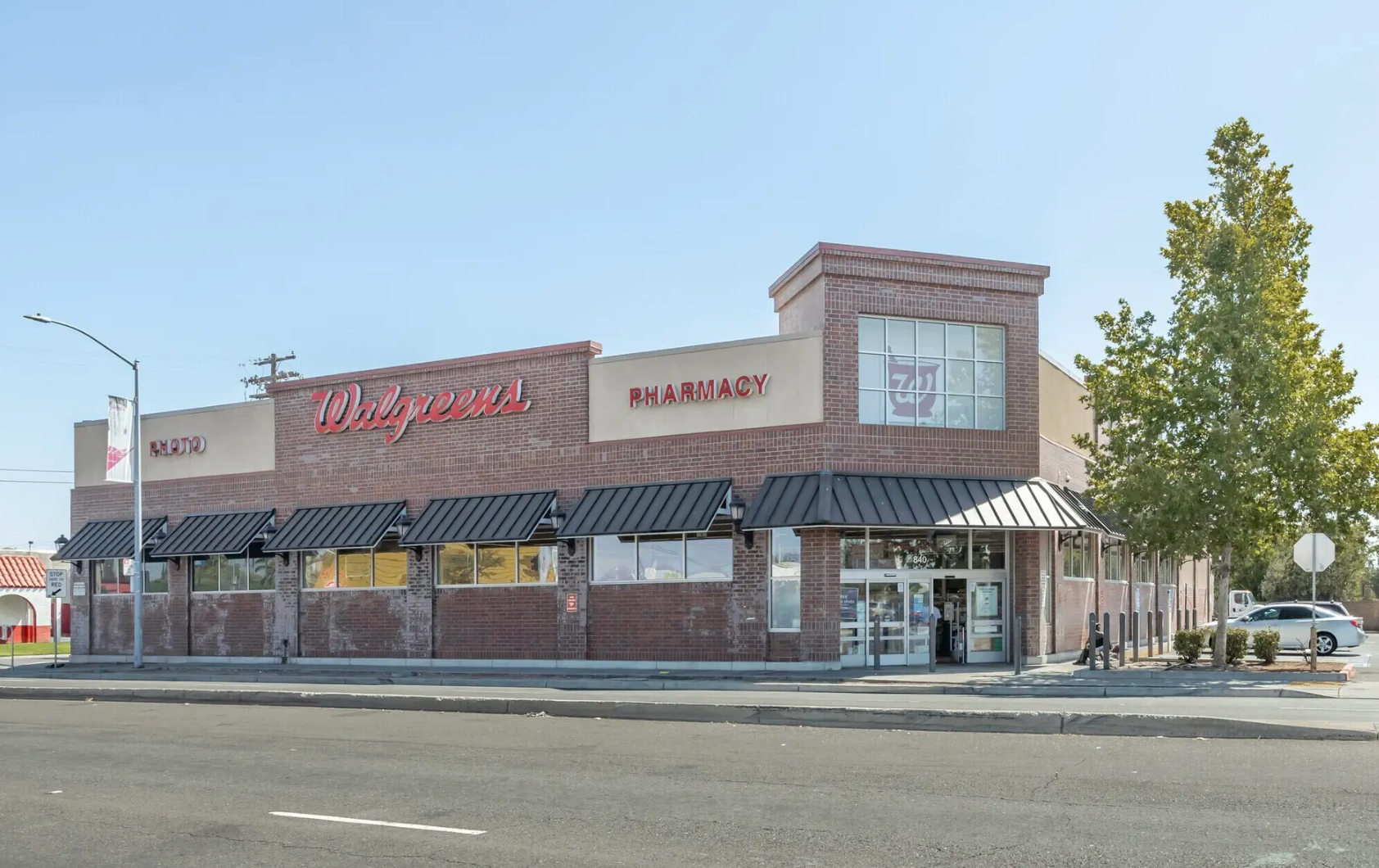
A brick Walgreens pharmacy building with a dark metal awning and a corner entrance on a sunny day.

The second life of America’s shuttered pharmacies


The U.S. pharmacy sector is undergoing one of the most significant contractions in modern retail history, reshaping corners, intersections and neighborhood stores nationwide.

Since 2022, the unwinding of pandemic-driven demand and long-standing structural pressures has led to thousands of drugstore closings from the sector’s three primary operators...


By Marc Perlof May 18, 2026
By Marc Perlof | MarcRetailGuy CA #01489206 May 18, 2026 If you own retail real estate, here’s what just changed for you. In some situations, removing the price can lead to stronger offers. This approach allows the market to determine value instead of limiting it upfront. When used correctly, it can create competition and improve your outcome. More retail properties are being marketed without a price. Brokers are using offer-driven strategies to let buyers compete based on their own assumptions. What is causing it? Differences in buyer expectations and uncertainty in valuation are driving this shift. In many cases, investors and developers value the same property differently, especially when there is upside or redevelopment potential. How does removing the price affect your value? Removing the price can eliminate the ceiling. Buyers are not anchored to a specific number, which can lead to stronger offers when demand is present. When multiple buyers are involved, this approach can create competition and push pricing higher. What is the risk? If demand is limited, offers may come in below expectations. This often happens when the buyer pool is thin or when the property has uncertainty, such as a short lease term, tenant risk, or redevelopment challenges. When should you use Request for Offers? Use it when there is strong demand and the property is expected to attract multiple buyers. Even in these situations, active buyers and brokers will often ask for pricing guidance or a whisper price to understand where the seller expects the deal to trade. When should you use a more flexible approach? Use submit offers when you want flexibility and are testing the market. This approach allows you to respond to buyer feedback while still maintaining control of the process. Some properties are marketed without a price because the broker does not have a clear view of value. That is not the same as a strategy. When used correctly, removing the price is intentional and supported by buyer demand, positioning, and a defined process. Without that structure, it can create confusion and weaker results. We are seeing strong assets generate multiple offers with this approach, while weaker deals struggle to gain traction without pricing guidance. This strategy is not about avoiding a price. It is about allowing the market to define it when the conditions support it. If you need context, review Part 2: “Should You List Your Retail Property With an Asking Price?” In next week’s final article, read “How Strategic Underpricing Can Increase Your Retail Property Sale Price” (Part 4) , including one approach many owners overlook. If you are considering an offer-driven strategy, reach out before going to market. I will help you determine if your property can support it and how to structure it properly. Call or DM me for more information. Would removing your price increase your value or create uncertainty? Based in Los Angeles. Serving Southern California. Active across California. Advising clients nationwide. #RetailRealEstate #CRE #InvestmentProperty #CommercialBroker #LosAngelesRealEstate #NNN #RetailInvesting #PropertySales
By Marc Perlof May 15, 2026
CPI surged in April as inflation soars to highest level in almost 3 years Inflation accelerated in April to an annual rate of 3.8%, the highest since May 2023, as the Iran war pushed up energy costs and raised prices across the economy. By the numbers Economists predicted inflation would jump to 3.7% on an annual basis, up from the 3.3% reading in March, according to a FactSet poll.
By Marc Perlof May 11, 2026
By Marc Perlof | MarcRetailGuy CA #01489206 May 11, 2026 If you own retail real estate, here’s what just changed for you. An asking price can either create buyer interest or limit it. The outcome depends on how that price is positioned relative to the market. Buyers are moving faster and making quicker decisions. Deals that look correctly priced get immediate attention. Deals that feel stretched are ignored. What is causing it? Higher borrowing costs and rising expenses are forcing buyers to be more selective. At the same time, broader economic uncertainty is making buyers more cautious. They are comparing opportunities more closely and focusing on deals that make sense immediately. How does an asking price affect your value? An asking price sets the tone. If it aligns with market expectations, it creates activity. If it does not, it reduces interest and limits competition. If the market shifts downward while your property is listed, adjusting later to a lower price can be more difficult. Buyers may expect additional discounts, and you may need to catch up to where the market has already moved. What is the risk of overpricing? Buyers often do not negotiate. They move on. This reduces activity and weakens your position. When should you use an asking price? Use it when your property has clear value and strong comparable sales. This works well for stabilized retail assets and NNN investments. When should you adjust? If value is less certain or buyer opinions may vary, consider pricing guidance instead of a fixed number. This is especially important when there are limited or no recent comparable sales and you are effectively setting the market. Strong retail properties are getting immediate interest when priced correctly and little activity when pricing feels stretched. Pricing is not just about the number. It is about how buyers interpret that number. If you missed the foundation, go back to “How to Price a Retail Property for Sale in Today’s Market” (Part 1) . In next week’s article, read “When to Sell a Retail Property Without an Asking Price” (Part 3) , where I explain how removing price can create stronger offers. If you want to pressure test your asking price before going to market, reach out. I will show you how buyers are likely to respond and where your pricing may need adjustment. Call or DM me for more information. Is your pricing helping your property move forward or holding it back? Based in Los Angeles. Serving Southern California. Active across California. Advising clients nationwide. #RetailRealEstate #NNNProperties #CommercialBroker #PropertyValue #CRE #LosAngeles #InvestmentSales #RetailInvesting
More Posts