Weekly Perl: A Commercial Real Estate News Recap

Marc Perlof • October 31, 2025
A banner for weekly commercial real estate news recap
A blurred image of a city street with people walking down it.

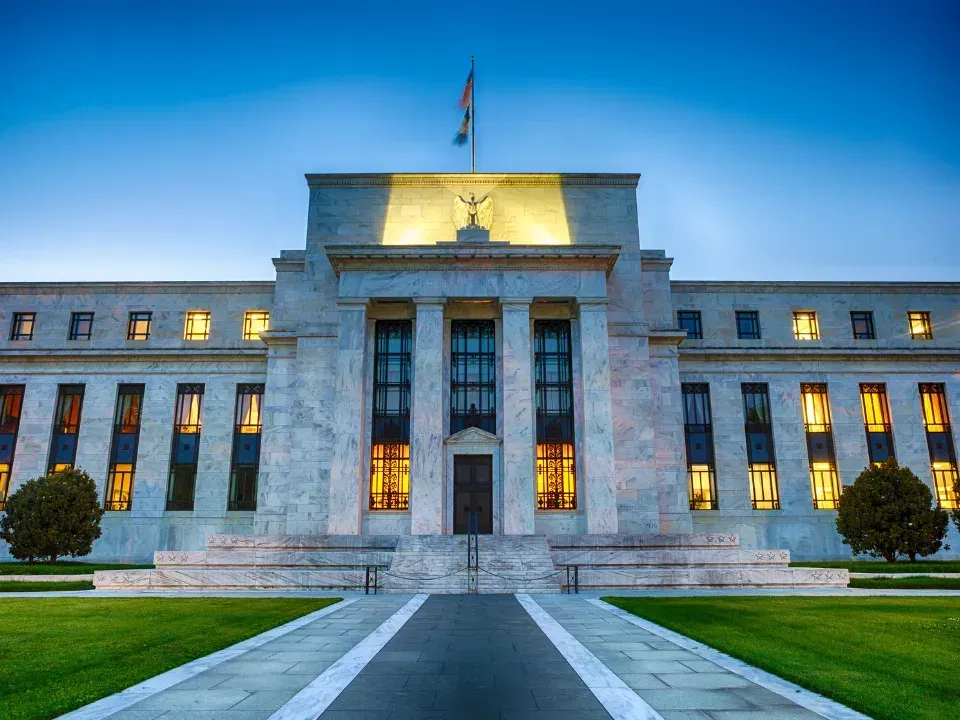
Fed Cuts Rates Again, Boosting Confidence in CRE Recovery

In a closely watched decision, the Federal Reserve cut its benchmark interest rate for the second consecutive month. The new target range of 3.75% to 4% reflects continued efforts to ease financial conditions and stabilize capital markets, even as economic signals remain mixed...

A blurry picture of a clothing store with clothes on display.

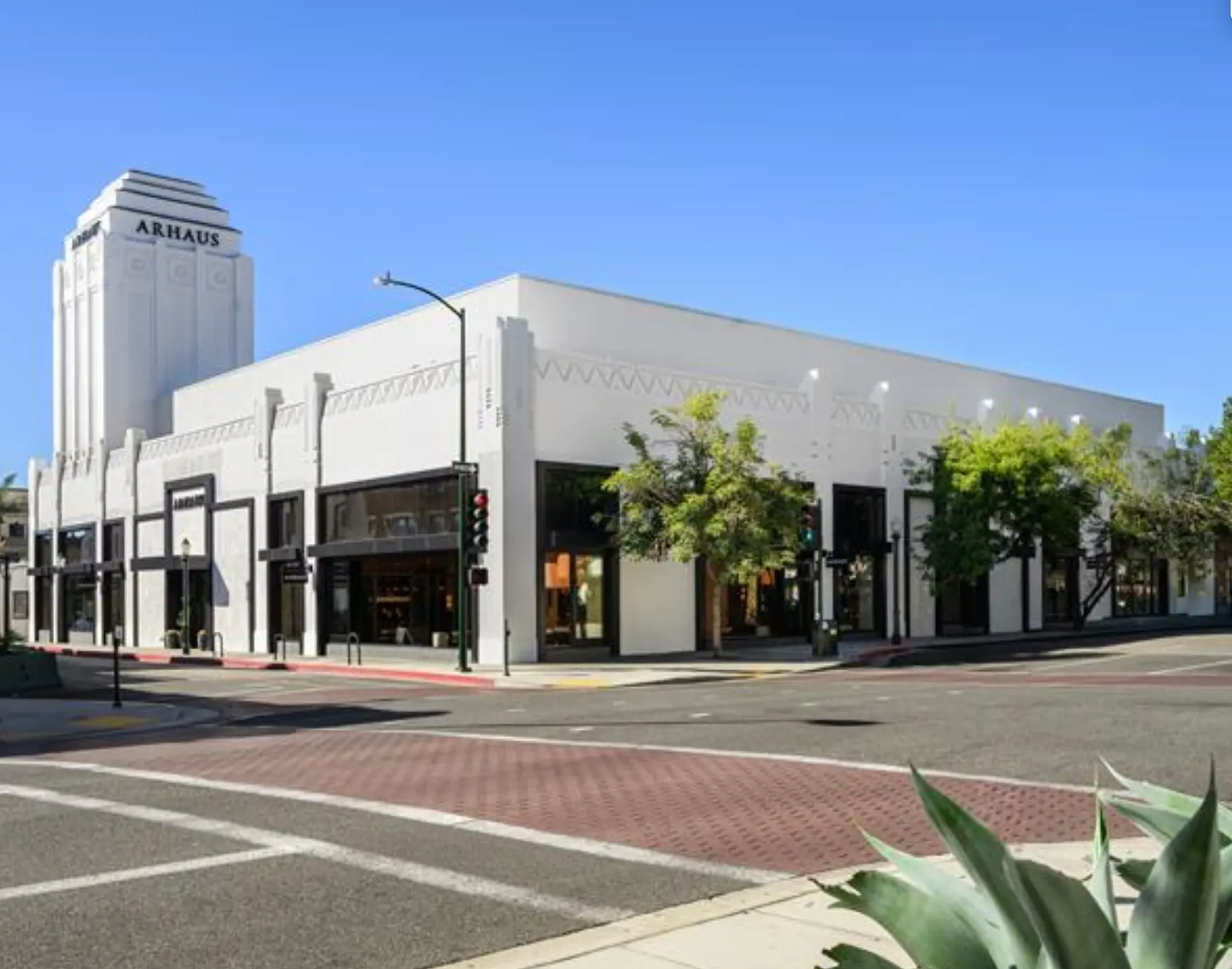
Furniture retailer Arhaus opens largest store yet as part of US expansion

High-end furniture retailer Arhaus has opened its largest store to date in Los Angeles as part of larger nationwide expansion plans, while other retailers scale back growth in the face of consumer uncertainty and rising inflation...
A car is parked in front of a sign that says 223

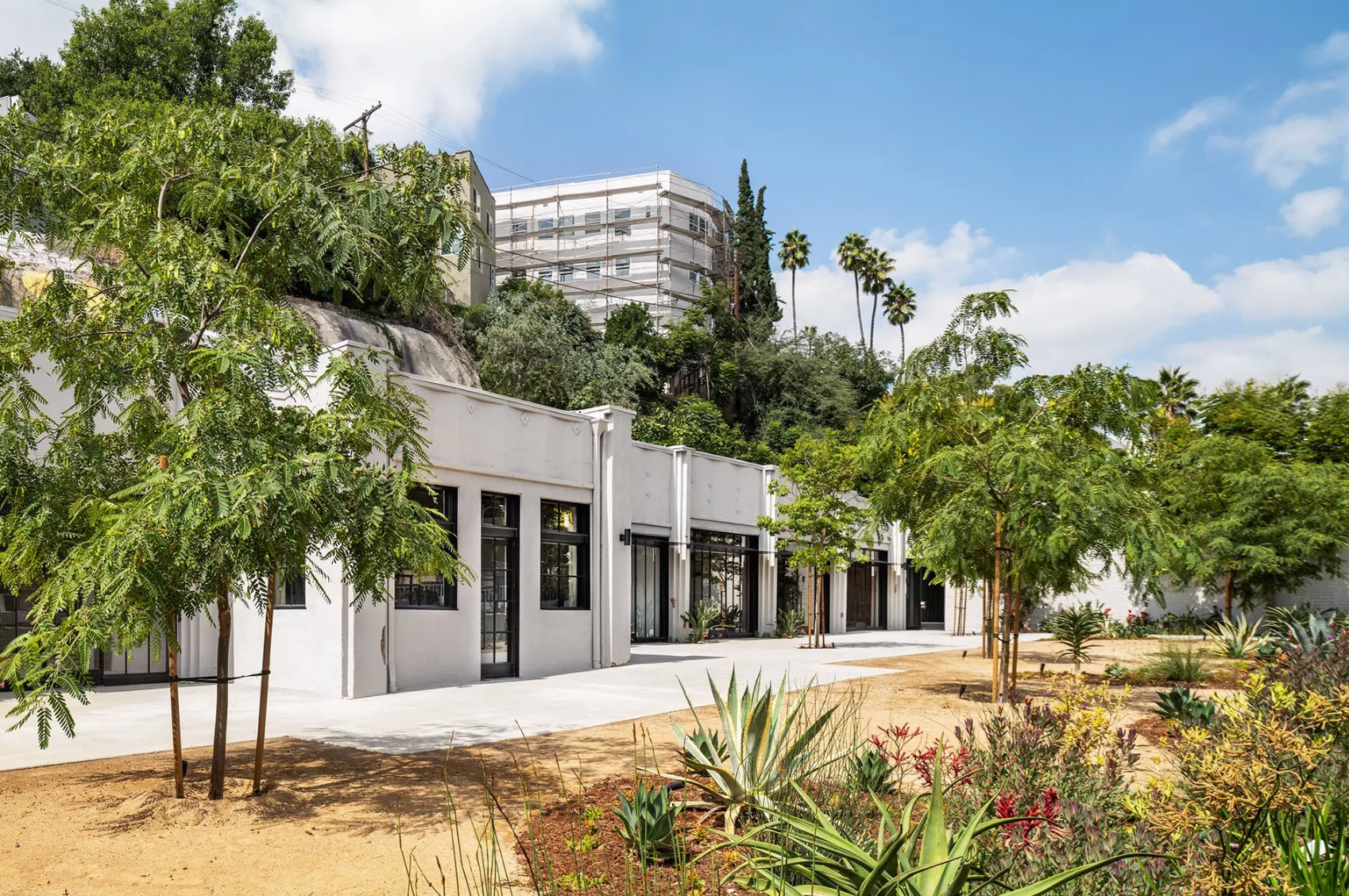
Australian footwear brand Blundstone expands US bootprint

An Australian footwear firm known known for its popular Chelsea boots opened its first brick-and-mortar store in Los Angeles, with plans to expand in Oregon and Colorado.

Blundstone, founded in 1870 in Tasmania, Australia, opened a 1,274-square-foot store at 3212 W. Sunset Blvd. in L.A.'s Silver Lake district, with plans to open locations by early next year in Portland and Boulder, Colorado, according to the Chain Store Age trade publication...

The front of an aldi store with a sign in front of it.

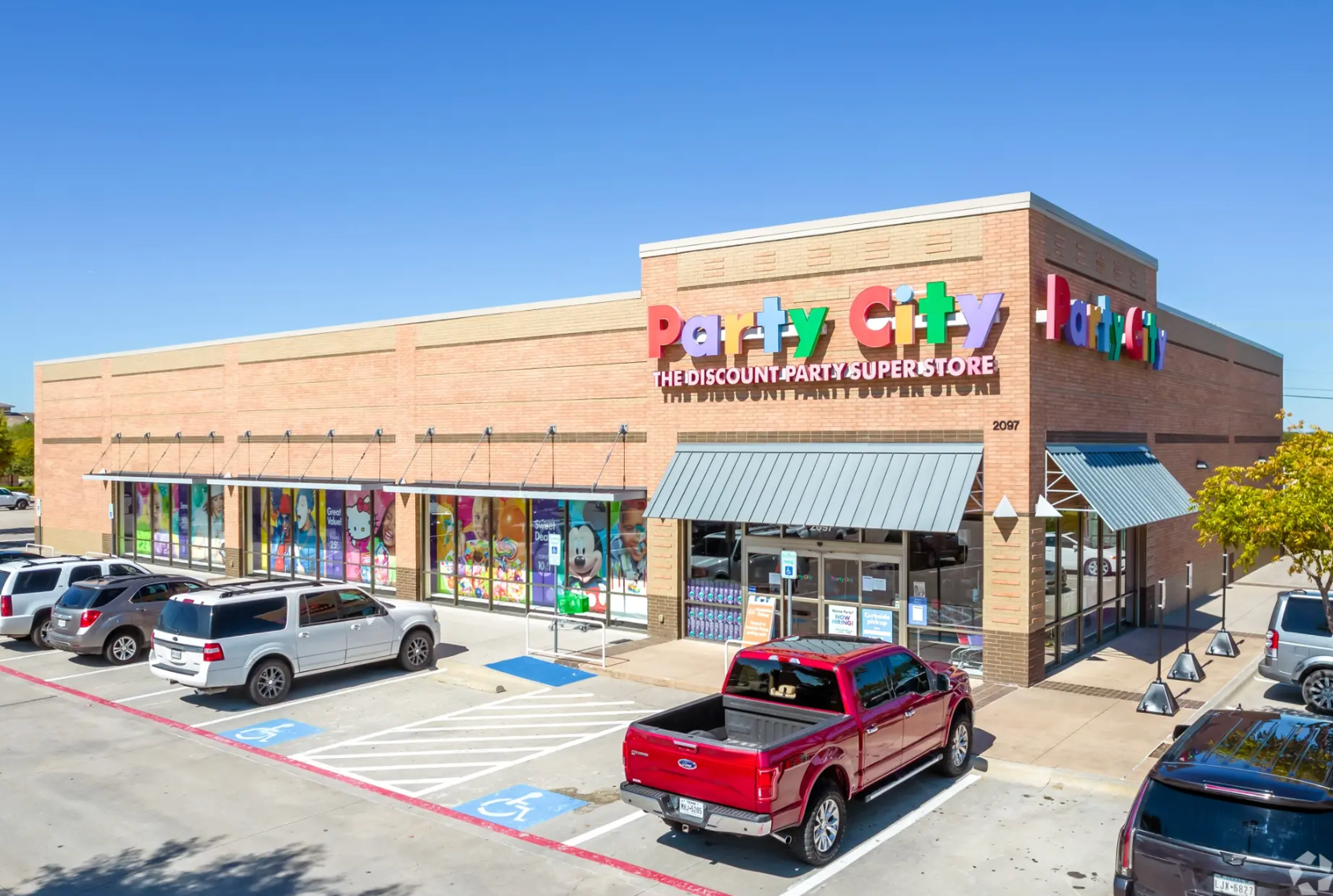
Back in the black: Demand for retail space turns positive

After recording the first consecutive quarterly declines since 2020, retail demand is back in the black heading into the final quarter of the year.


Net absorption, or the net change in retail space occupancy, totaled 2.3 million square feet nationally during the third quarter, a significant improvement from the first half of the year when the national retail market posted negative 20 million square feet of net absorption...


The logo for the Santa Monica Daily Press featuring orange

City Manager’s rapid plan for the city turns the Chi Train into an Express

City Manager Oliver Chi has been on the job in Santa Monica for just over three months and in that short time he’s learned enough to envision an entirely new Santa Monica. One built on business friendly permitting, large events, enhanced safety, targeting causes of local homelessness and reducing government micromanagement...
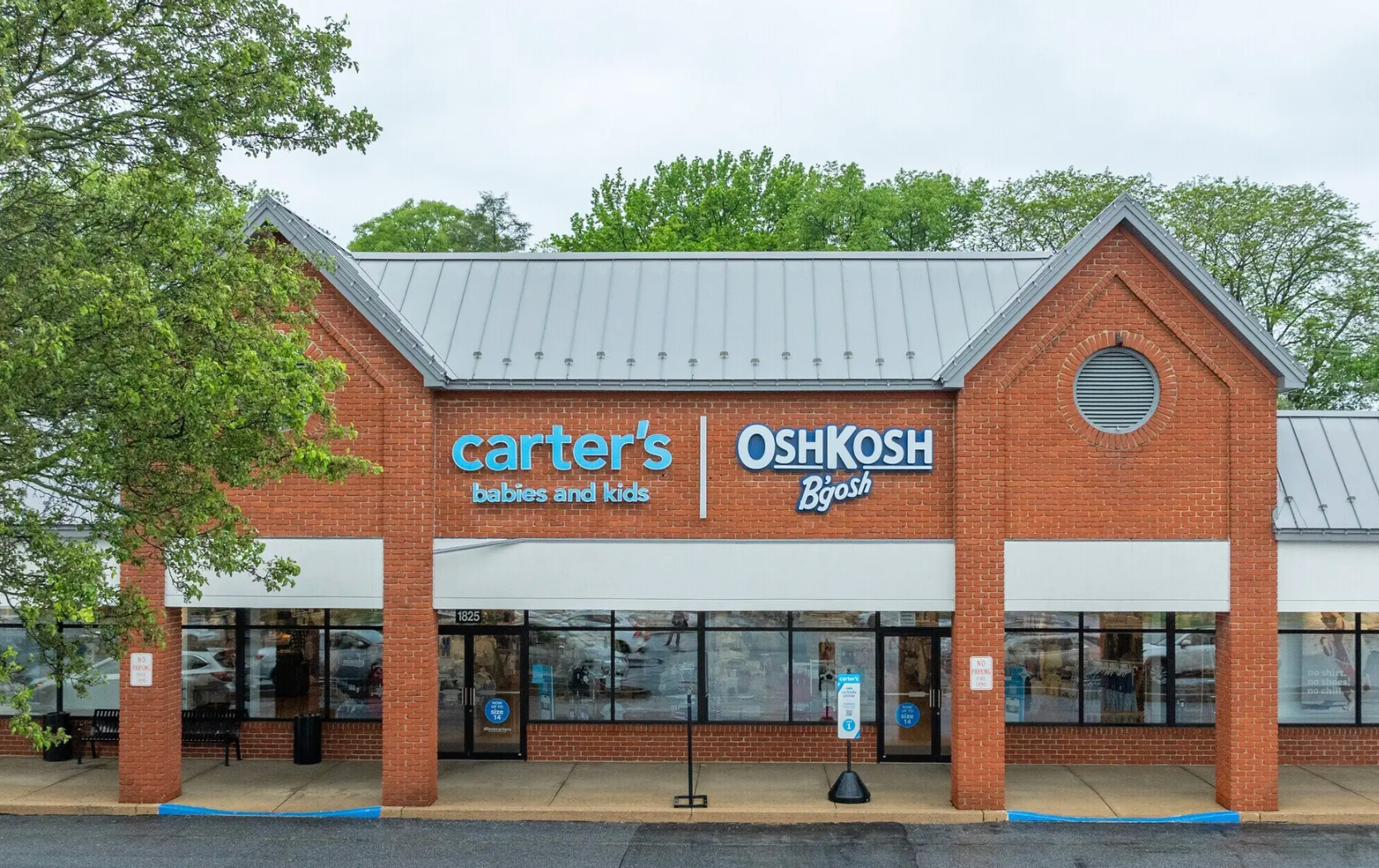

A brick storefront with signage for Carter’s and OshKosh B’gosh, featuring glass entry doors under a metal roof.

Blaming tariffs, children’s apparel chain Carter’s to close 150 stores

Young children's apparel retailer Carter's is closing 150 low-margin stores and letting go of 300 office employees as it reels from the impact of tariffs like other U.S. chains.


The Atlanta-based company, with over 1,000 retail locations in North America and Mexico, on Monday announced the belt-tightening measures when it reported its fiscal third-quarter earnings. Carter's cited the hit that President Donald Trump's tariffs are taking on its business, cutting into its profits. It estimated that the gross pre-tax earnings impact of additional import duties will be about $200 million to $250 million on an annualized basis...
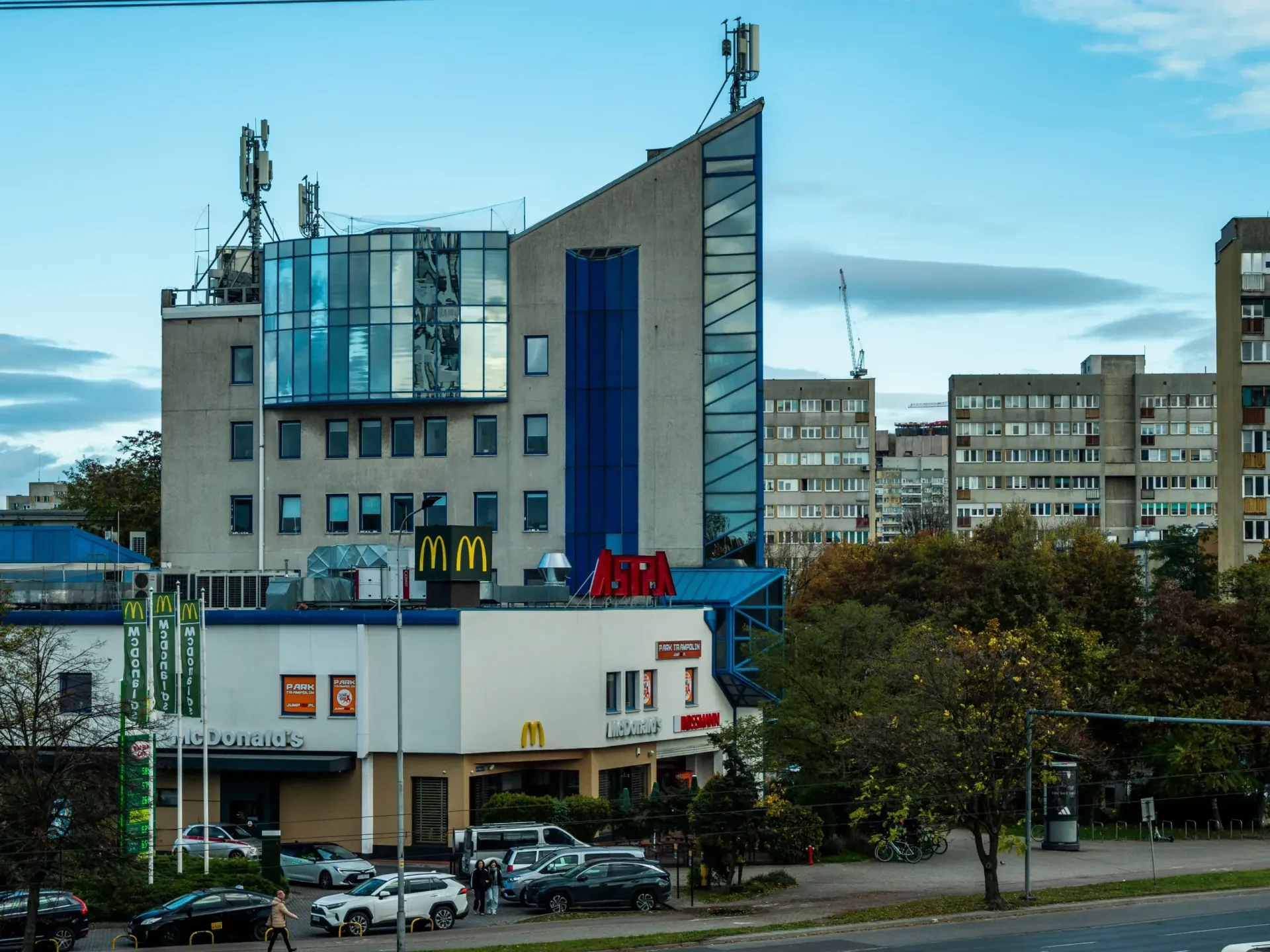
A McDonald's restaurant at the base of a modern, multi-story building with a distinctive pointed, blue-accented roof.

Cap Rates Fall As Sector Trends Drive Q3 Net Lease Market

Cap rate trends in Q3 showed a break from macro-driven narratives, with investors prioritizing tenant durability and sector momentum, reports GlobeSt. Car wash properties led the decline, averaging 6.27%, down 20 bps from last quarter. Quick Quack assets priced as low as 5.50%, while Mr. Clean listings topped out at 7.13%. Convenience stores followed, with Wawa averaging 4.79%, 7-Eleven at 5.27%, and Circle K at 5.66%...
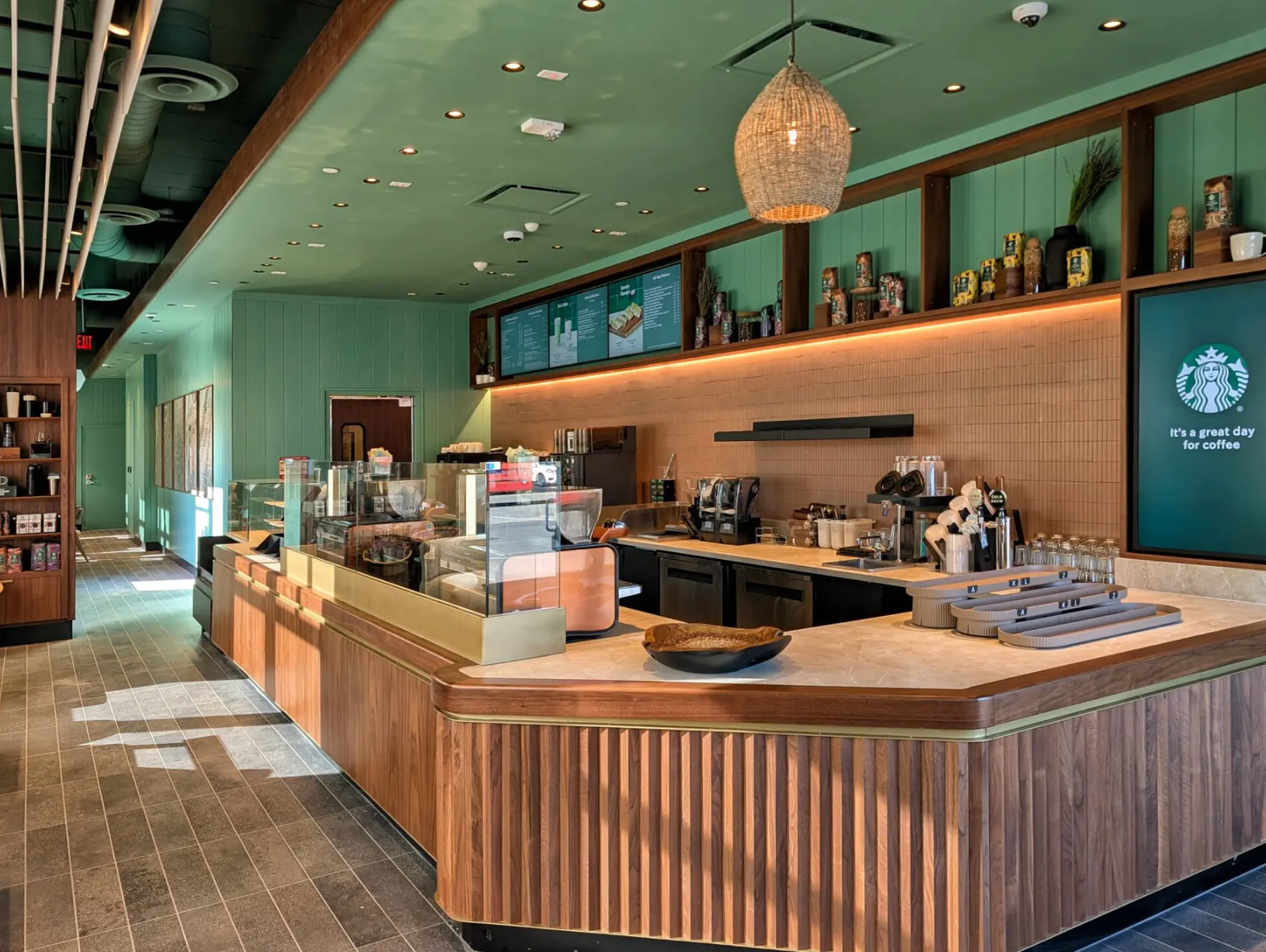
A modern Starbucks interior featuring a light green ceiling, warm wood paneling, and a large service counter.

Starbucks sales improve, but profit drops after US store closings


Starbucks said sales grew for the first time in about two years, but acknowledged the coffee chain's turnaround could take years as it closes locations and lays off hundreds of corporate employees.


The Seattle-based company reported $9.6 billion in revenue in its fiscal fourth quarter, up 5% from the year-earlier period, as global store sales edged up 1%, lifted by growth in international markets. U.S. sales were flat year over year, an improvement over the 6% decline reported in the year-earlier period...

An elegant restaurant interior with dark wood paneling, white-clothed tables, and warm, modern starburst chandeliers.

New restaurant to anchor main shopping hub in Pacific Palisades following fires

A high-profile chef, restaurant group and a well-known developer are planning a new eatery to anchor Palisades Village, the marquee shopping center for the fire-ravaged neighborhood in Los Angeles.


James Beard Award-winning chef Nancy Silverton is teaming up with landlord Caruso and restaurant management firm River Jetty Restaurant Group to open an Italian American steakhouse called Spacca Tutto in August 2026...


By Marc Perlof June 19, 2026
Federal Reserve holds rates steady but signals possible hike before year’s end US stock markets dropped on Wednesday afternoon after the Federal Reserve left interest rates unchanged and signaled a possible rate hike before the end of the year. The Fed was widely expected to keep rates at a range of 3.5% to 3.75%, where they have remained since December. The decision was unanimously supported by the Fed’s voting committee.  “Economic activity is expanding at a solid pace despite elevated uncertainty that owes, in part, to the conflict in the Middle East,” the Fed’s open market committee said in the statement...
By Marc Perlof June 15, 2026
By Marc Perlof | MarcRetailGuy CA #01489206 June 15, 2026 If you own retail real estate, here’s what just changed for you. In a buyer’s market, pricing discipline matters more than optimism. Retail property owners who understand how buyers think during weaker markets usually protect more value than owners who continue pricing based on past market conditions. When buyers gain leverage, they become more selective, move slower, and focus much more on risk. That changes how retail properties are priced, negotiated, and sold. In the previous article, “When to Adjust Price vs Hold Firm on Your Retail Property,” I discussed how owners should interpret buyer behavior, pricing feedback, and negotiation pressure once a property hits the market. What Changed What happens in a buyer’s market? In a buyer’s market, buyers gain more negotiating power because there are fewer active buyers compared to the number of properties for sale. Investors know they have more options, which changes how they negotiate. That usually slows down transactions. Buyers take longer to make decisions, ask more questions during due diligence, and review future risks more carefully before making offers. This is especially true for NNN properties, shopping centers, strip centers, and multitenant retail properties where buyers are closely reviewing tenant quality, how soon tenants may need to renew their leases, property repairs that still need to be completed, and future operating expenses. Why are buyers becoming more cautious? Buyers are becoming more careful because the margin for error is smaller today. Higher interest rates, more expensive financing, rising insurance costs, and economic uncertainty are causing investors to focus more on protecting themselves from future problems. Instead of focusing mostly on upside potential, buyers are asking: Will the tenants remain stable? Can rents hold up if the economy slows? Will future expenses increase faster than income? Will future buyers still want this property several years from now? That mindset affects pricing directly. Why It Matters Why do pricing mistakes hurt more in buyer driven markets? In buyer driven markets, aggressive pricing can reduce activity quickly. When buyers believe a property is overpriced, many simply move on instead of negotiating. That can create a difficult cycle for sellers. Limited activity often leads to longer time on market, weaker leverage, and growing buyer concerns over time. Buyers also become more aggressive once they believe a seller may eventually lower pricing. However, that assumption is not always correct. Some retail property owners are financially stable, are not highly motivated to sell, and are willing to wait if pricing does not reflect the property’s long term value. What concerns are buyers focused on most? Buyers today are closely reviewing anything that could create future problems. This includes: short lease terms property repairs that still need to be completed relying too heavily on one tenant for income weak tenant sales rising operating expenses poor common area maintenance (CAM) recovery structures older building systems future repair costs Even if a property is performing well today, buyers may still lower their pricing if they believe future risks are increasing. That is why clean, stable, and predictable retail properties are usually performing much better than properties with uncertainty or operational problems. Strategic Advice for Retail Property Owners Should you lower pricing quickly in a buyer’s market? Not automatically. Owners should avoid repeatedly lowering pricing out of frustration or fear. Frequent price cuts can weaken buyer confidence and make sellers appear desperate. Instead, pricing adjustments should be based on consistent feedback from qualified buyers. How do you reduce buyer fear? In buyer driven markets, reducing uncertainty becomes extremely important. Owners should review anything that could create concerns for buyers. This includes how organized the leases, financial records, and property information are, as well as any repairs that still need to be completed. Buyers will also pay close attention to lease expiration dates, common area maintenance charges and reimbursements, NNN expense responsibilities, lease options, rent increases, guarantor strength, and who is responsible for major items such as the roof, HVAC system, and parking lot. The easier it is for buyers to understand the property and its future risks, the more confidence they usually have during negotiations. When might waiting make more sense than selling? Not every market is ideal for selling. In some situations, extending leases, improving tenant quality, resolving deferred maintenance, increasing NOI, or waiting for financing conditions to improve may create better long term results than selling immediately. That does not mean owners should avoid selling in weaker markets. It means owners should understand whether they are selling from a position of strength or reacting emotionally to market uncertainty. What should sellers focus on most? The goal in buyer driven markets is not simply attracting offers. The goal is building buyer confidence while protecting leverage as much as possible during negotiations. Owners who reduce uncertainty, position their properties correctly, and respond strategically to buyer concerns usually perform much better than owners who rely only on aggressive pricing. Real Deal Insight We are beginning to see buyers usually lower what they are willing to pay when they see uncertainty in today’s retail market. Properties with organized financials, stable tenants, and fewer future concerns are consistently attracting stronger pricing and smoother negotiations. Owner Self Assessment If buyers reviewed your property today, would they see stable long term income or future problems they need to price into the deal? If you are considering selling and want to understand how buyers would likely evaluate your property in today’s market, reach out directly. I will walk you through how investors are reviewing pricing, lease risk, operating expenses, and future value before you make a decision. Are you positioning your property to reduce buyer fear or unintentionally increasing it? In the next article, “How to Price Retail Property in a Seller’s Market,” we will discuss how strong buyer demand changes negotiation strategy, pricing leverage, and competitive bidding environments. Based in Los Angeles. Serving Southern California. Active across California. Advising clients nationwide.  #RetailRealEstate #NNN #ShoppingCenters #StripCenters #CommercialRealEstate #InvestmentSales #CapRates #RetailProperty #LosAngelesCRE #1031Exchange
By Marc Perlof June 12, 2026
Inflation tops 4% for the first time in 3 years on spike in gasoline prices Soaring gasoline prices, triggered by the U.S. war with Iran, have pushed inflation to its highest level in more than three years. A report from the Labor Department on Wednesday showed consumer prices in May were up 4.2% from a year ago. That's the biggest annual increase since April of 2023. By contrast, the Labor Department says average wages have risen only 3.4% over the last year, so workers' real spending power has declined...
More Posts