Weekly Perl: A Commercial Real Estate News Recap

Marc Perlof • October 17, 2025
A banner for weekly commercial real estate news recap
A blurred image of a city street with people walking down it.

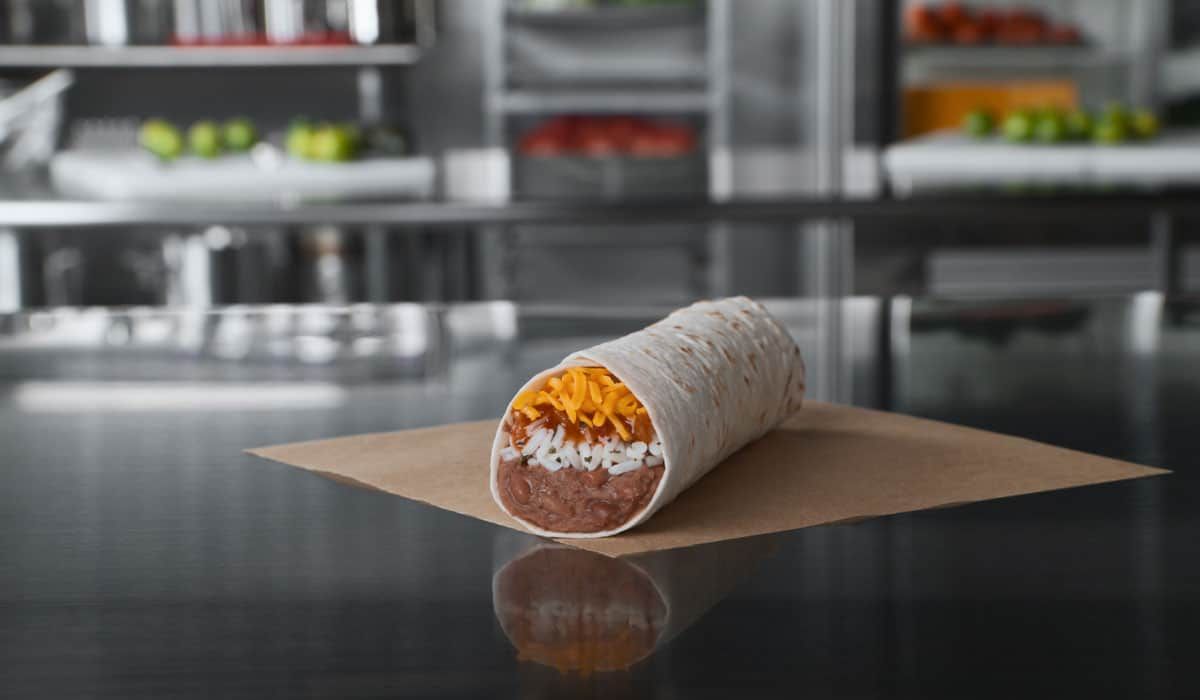
Jack in the Box to Sell Del Taco to Franchisee for $115M

Jack in the Box announced Thursday that it will sell Del Taco to franchisee Yadav Enterprises for $115 million.


The burger giant will use money from the transaction to pay off debt. The move, which is expected to close by January 2026, will also allow Jack in the Box to focus on its core business...
A blurry picture of a clothing store with clothes on display.

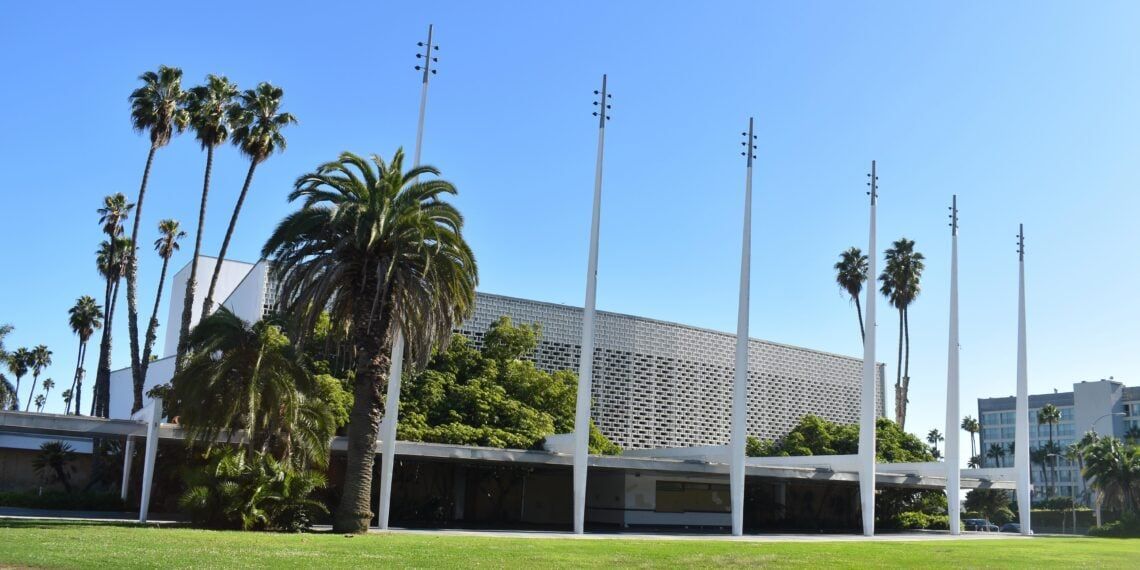
Curtain call for current Civic revitalization efforts as split Council cites economic reasons for ending negotiations

The Santa Monica City Council voted 4-3 Tuesday night to end exclusive negotiations with Revitalization Partners Group over a proposed $360 million restoration of the long-shuttered Civic Auditorium, citing frustration with the lack of financial documentation after nearly two years of discussions...
A car is parked in front of a sign that says 223

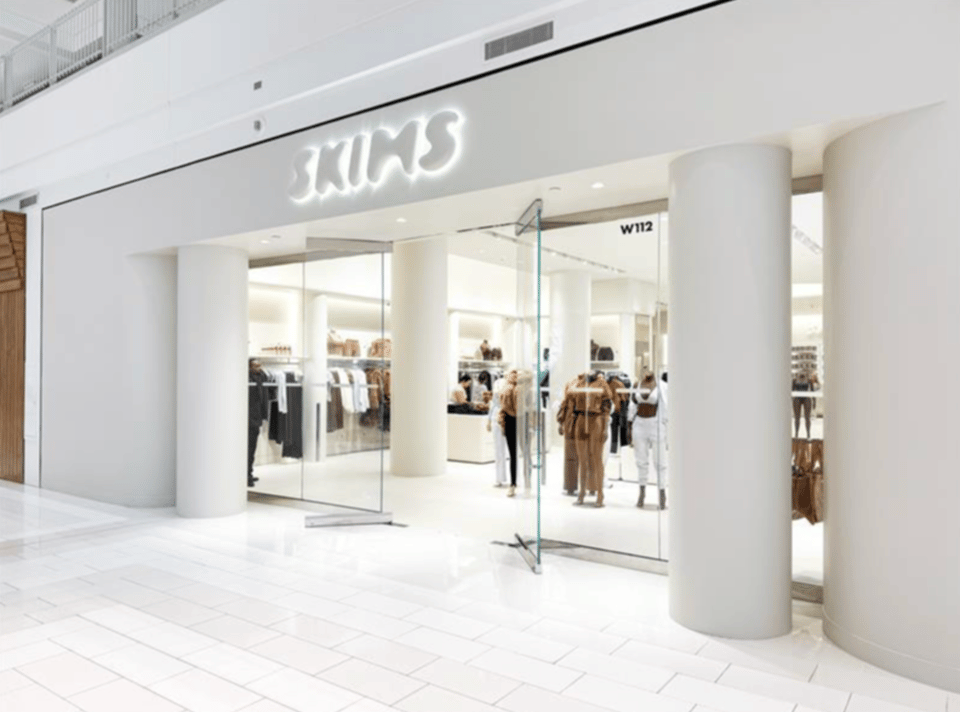
First Look: Kim Kardashian's Skims opens its largest store to date


Skims has opened its largest store yet, fittingly at North America’s biggest retail and entertainment complex.
The $4 billion-plus shapewear brand co-founded by reality TV superstar and entrepreneur Kim Kardashian has opened its 8,000-sq.-ft. space at Mall of America in Bloomington, Minn...
The front of an aldi store with a sign in front of it.

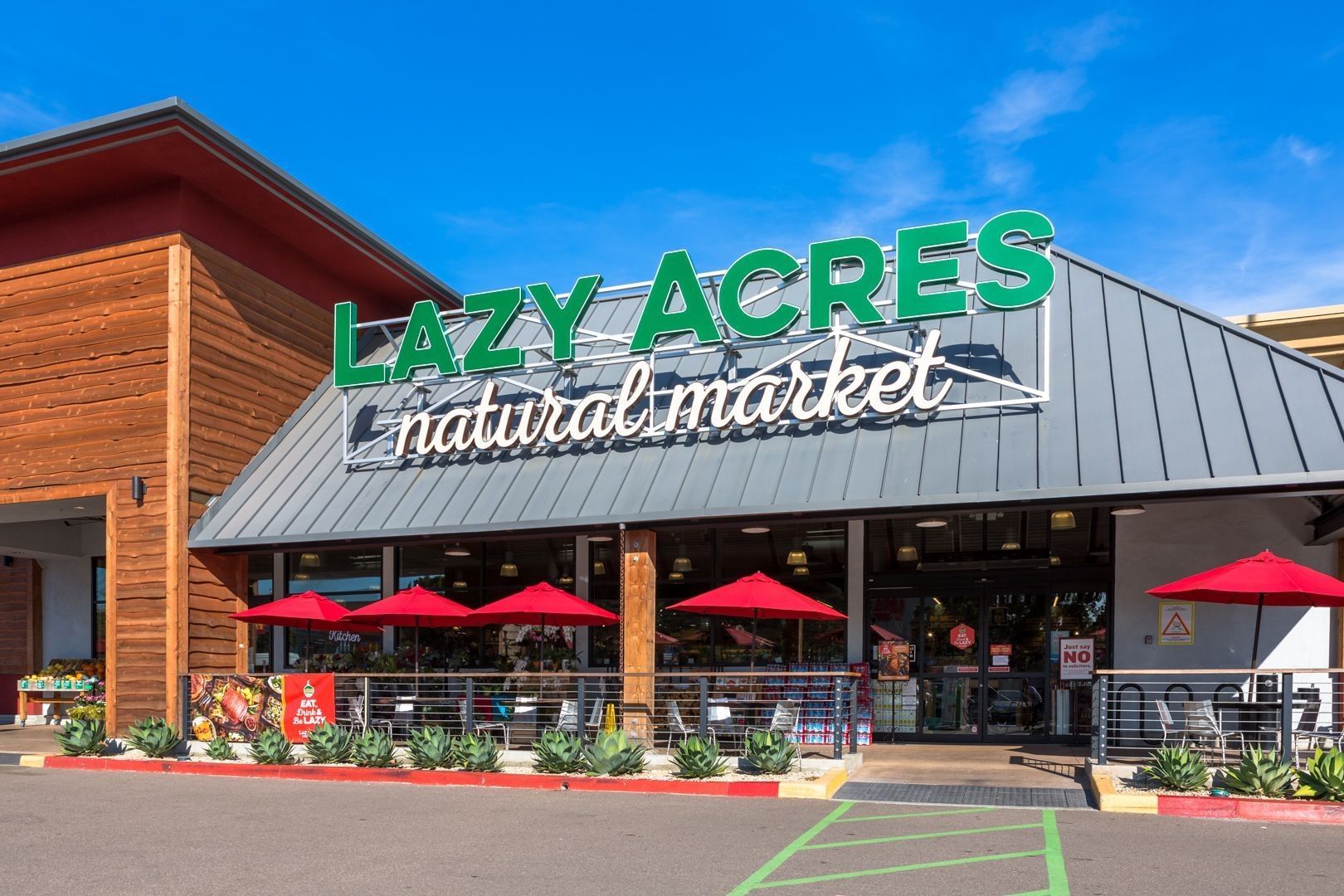
Lazy Acres Sets Opening Date For New Westside Spot


The move comes after the Whole Foods which formerly occupied the space near the 405 Freeway closed on Oct. 13


Lazy Acres Natural Market, a Southern California-based grocer specializing in organic produce and wellness products, will take over a former Whole Foods location in West Los Angeles, with construction set to begin early next year and an opening targeted for fall 2026...

Nordstrom adds 2028 location to 2026/2027 new store lineup — here is the list


Nordstrom continues to grow the footprint of its off-price retail division.


The department store retailer plans to open a Nordstrom Rack in Rehoboth Beach, Del., in spring 2028. The 25,000-sq.-ft. store will be located in Atlantic Fields, which is owned and managed by a partnership of Southside Investment Partners and Buchanan Partners...
Wendy’s launches turnaround plan to drive growth, profitability


The Wendy's Company has unveiled a strategic plan as its deals with sluggish sales and changing consumer behavior — and continues its search for a new CEO.


Called “Project Fresh,” the new plan is designed to designed to revitalize the brand, reignite growth, accelerate profitability across the Wendy's system and enhance shareholder value. The burger chain has cut its guidance twice during the past year...
Levi’s Q3 profit tops estimates as DTC drives sales; could double U.S. store count


Levi Strauss & Co. reported another solid quarter and raised its full-year outlook as its shift from being a traditional jeans brand to a “DTC-first, head-to-toe denim lifestyle” retailer continues to win over both male and female shoppers.


The apparel giant posted its fourth consecutive quarter of high-single-digit growth and 14th consecutive quarter of positive comp growth.
Ross Stores opens 40 new locations, plans to continue expansion


Ross Stores Inc. expanded the footprint of its two off-price retail banners in both new and existing markets in recent weeks.


The company opened 36 Ross Dress for Less ("Ross") and four DD’s Discounts stores across 17 different states in September and October. The new locations complete Ross Stores’ growth plans for fiscal 2025, for a total of 90 new locations. The retailer said that it “remains confident” in its expansion plans and sees a pathway to grow to at least 2,900 Ross Dress for Less and 700 DD’s Discounts locations over time...
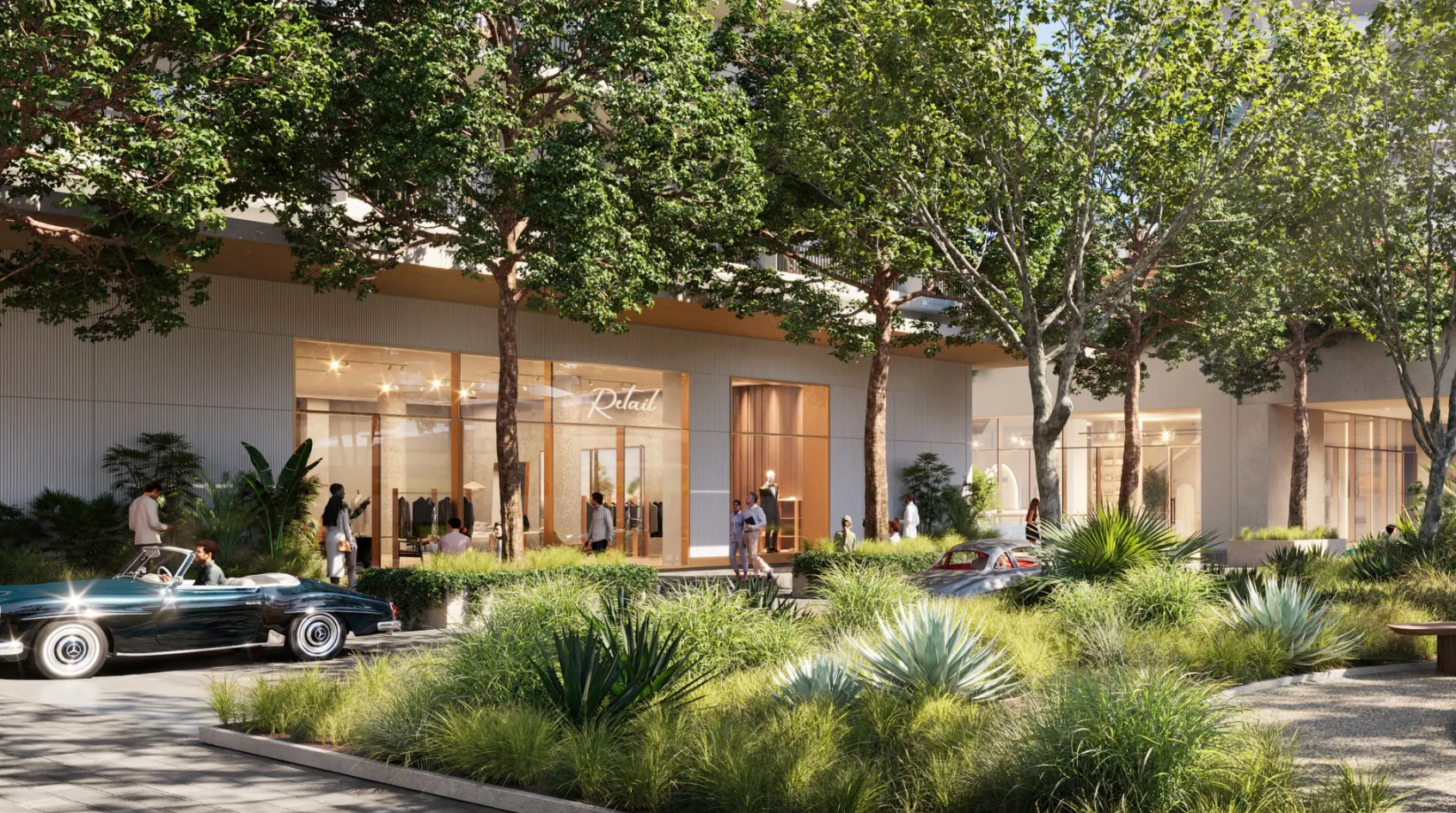

First tenants sign on for $10 billion botanical project aiming to reshape Beverly Hills retail


Three high-profile dining and retail tenants are the first to commit to One Beverly Hills, a $10 billion luxury development that aims to rethink the way people shop in Los Angeles County by adding more green space than any such project in the city.


Italian fashion house Dolce & Gabbana, Italian marketplace and food hall Casa Tua Cucina and London-based restaurant Los Mochis will anchor the 200,000 square feet of retail and dining space, according to the project’s master developer, Cain...
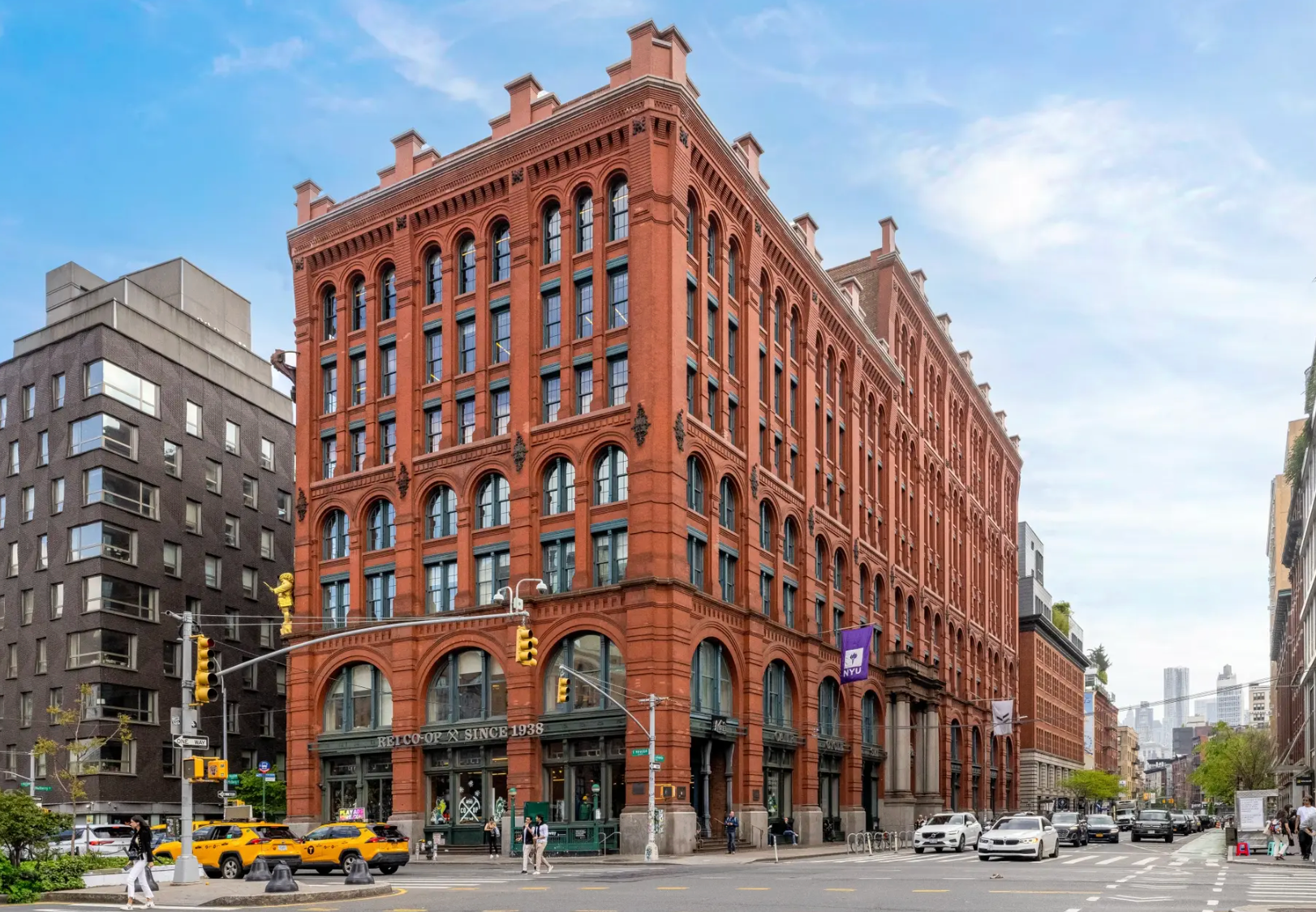
REI to shut some high-profile stores, adding to outdoor retailer closings

A year ago, outdoor retailer REI Co-op was touting its expansion plans. Now the chain plans to close three high-profile stores in New York, Boston and Paramus, New Jersey, next year.


The Sumner, Washington-based chain on Monday confirmed that it’s closing up shop in the landmark Puck Building at 295-309 Lafayette St. in Manhattan’s SoHo neighborhood; 401 Park Drive near Fenway Park in Boston; and 2200 Bergen Town Center in Paramus...



By Marc Perlof February 2, 2026
Retail Real Estate 2026: Why Some Properties Stay Strong While Others Struggle By Marc Perlof | MarcRetailGuy February 2, 2026 If you own retail real estate, here is what just changed. Retail real estate in 2026 is no longer one market. It has split into clear winners and clear losers. Owners who understand this are protecting value. Owners who do not are feeling pressure. The biggest change is how people spend money when things feel uncertain. Interest rates are higher. Costs are up. Households are more careful. That shift shows up first at the property level. Some retail feels stress faster than others. Lifestyle centers, nightlife areas, entertainment districts, and tourist retail depend on optional spending. When people cut back, visits drop. Sales slow. Tenants push back on rent. Vacancies last longer. This is not a crash. It is a pressure issue tied to spending people can delay. Other retail performs differently. Grocery anchored centers, pharmacies, medical and dental, quick-service food, auto service, and personal care are built around daily habits. People cut wants before needs. That makes income steadier and easier to support in a cautious market. Recent retail market reports show this split clearly. National retail vacancy stayed fairly stable through late 2025, mostly in the mid-5 percent to high-6 percent range, with necessity-based centers performing better than discretionary locations¹. Leasing slowed in 2025, with longer decision times and more rent pushback, especially from non-essential tenants². Buyers are still active, but they are more careful. They now focus on tenant quality, lease length, and operating costs more than rent growth³. What retail owners should focus on right now • Daily-needs tenants reduce risk. Properties with grocery, medical, pharmacy, and quick-service food see more stable rent and fewer concession requests. That helps protect sale price and lender support in slower markets¹. • Grocery-anchored centers sell faster. Buyers still want these assets because traffic is predictable and costs are easier to pass through. These deals tend to fall apart less often³. • Discretionary retail carries pricing risk. Properties tied to optional spending face longer vacancies, rent resistance at renewal, and wider gaps between buyer and seller pricing. Waiting too long to adjust can hurt value, not just cash flow². One thing is becoming clear in early 2026. The market is not pricing retail as one category anymore. It is pricing risk. Two properties with the same income can be worth very different amounts based on tenant mix, lease terms, and rising expenses. Owners who understand this protect equity. Others only see the gap after a buyer or lender points it out. The takeaway is simple. Retail real estate in 2026 is about quality, not hype. Stable income matters. Lease terms matter. Tenant mix matters. Insurance and operating costs matter. Owners who match strategy to how their tenants actually perform stay in control. Owners who rely on old assumptions end up reacting. If you want a clear, property-specific review of how buyers and lenders would view your retail asset today, I can prepare a short market positioning summary. No templates. No guesses. Just how your property would really trade in this market. Ask yourself this. Is your property built around spending people can delay, or spending they rely on every week? #RetailRealEstate2026 #RetailMarketOutlook #EssentialServicesRetail #GroceryAnchoredRetailCenters #DiscretionaryRetailProperties
By Marc Perlof January 30, 2026
Smoothie King plots 90-plus new openings for 2026 The world’s largest smoothie franchise isn’t planning on slowing down its growth after a strong 2025.  Smoothie King says it plans to open more than 90 new store openings in 2026, in addition to launching a targeted franchisee incentive program spanning several key states, including Arizona, Illinois, Massachusetts, Michigan, Pennsylvania, Virginia and more. Through the program, Smoothie King says it is offering financial incentives to “growth-minded franchisees,” designed to accelerate brand awareness and density in these markets...
By Marc Perlof January 26, 2026
By Marc Perlof | MarcRetailGuy January 26, 2026 If you own retail real estate, here’s what just changed for you. 2026 is shaping up to be a year where retail property owners need to pay attention. Not to fear. Not to headlines. To real signals in the market. There is more global and domestic uncertainty right now. Conflicts overseas, trade tension, higher government debt, and political changes in the U.S. all affect interest rates, insurance markets, and investor behavior. This does not mean panic. It means owners need clear, reliable information. Here is where the retail market stands today. Local retail remained steady through late 2025. In Los Angeles County, vacancy ranged from about 5.6 to 6.9 percent in the second half of the year¹²³. That tells us demand is still healthy, even as some tenants adjust space needs or renew leases at new rent levels. Leasing activity slowed in some areas. Spaces are taking longer to fill, and asking rents softened slightly as owners and tenants reset pricing². This is a normal market adjustment, not a collapse. On the investment side, commercial real estate transactions increased nationally through mid 2025. Both the number of deals and total dollar volume rose, showing capital is still moving⁵. Buyers are active when pricing reflects today’s risks and returns. This is exactly what I am seeing in live pricing discussions and negotiations right now. Insurance remains one of the biggest issues for retail owners. Property insurance markets became more stable in 2025, and rate increases slowed in some areas. However, insurers are still selective. Coverage terms matter more than ever, especially for properties exposed to wildfire or coastal risk⁴. Insurance costs directly affect net income, lease negotiations, and buyer interest. Retail Outlook for Q1 and Q2 2026 In early 2026, the retail market is likely to stay steady but measured. Vacancy is expected to remain near current levels. Leasing will be deliberate, not rushed. Rents should hold close to where they ended in 2025 as owners and tenants continue to agree on realistic pricing. Capital will remain active for properties with solid income, strong tenant credit, and durable lease terms. Buyers are selective, but they are still moving forward when risk and return are properly aligned. Insurance markets will stay selective in the first half of 2026. Owners need to plan renewals carefully and understand how insurance affects operating costs, tenant negotiations, and future sale value. Here is a simple retail risk check for 2026: • Local vacancy around 6 percent, stable but uneven by location¹ • Leasing takes longer than peak years, making pricing discipline critical² • Capital remains active, but underwriting is conservative⁵ • Insurance coverage is improving in some areas, but terms still matter⁴ Not all retail performs the same. Discretionary-driven destinations like lifestyle centers, nightlife districts, and tourist-focused shopping streets feel more pressure when consumer spending slows. Retail that serves daily needs and essential services tends to perform better during uncertain cycles. The best strategy now is disciplined and data-driven. Focus on tenant credit strength. Protect lease term and income stability. Price based on real market data. Understand insurance risk clearly. This is how value is protected in changing markets. I help retail property owners position assets based on real tenant behavior and real buyer demand. Not headlines. Call or DM me if you want a clear view of how your retail property should be positioned for 2026. How will you adjust your leasing or investment strategy this year based on what the market is actually telling us? #RetailRealEstate #LosAngelesCRE #CommercialRealEstateOutlook #RetailInvestment #CRE2026 #MarcRetailGuy
More Posts