Weekly Perl: A Commercial Real Estate News Recap

Marc Perlof • August 7, 2026
A banner for weekly commercial real estate news recap
A car is parked in front of a sign that says 223

10-Year Treasury Yield Falls to 4.625% — Data Talk

The 10-year yield declined 0.059 percentage point to 4.625% today. The price rose 14/32 to 98 1/32.

--Yield is down for two consecutive trading days

--Yield is down 0.118 percentage point over the last two trading days

--Largest two-day yield decline since Tuesday, March 31, 2026

--Yield is off 0.118 percentage point from its 52-week high of 4.743% hit Friday, July 31, 2026...

The front of an aldi store with a sign in front of it.

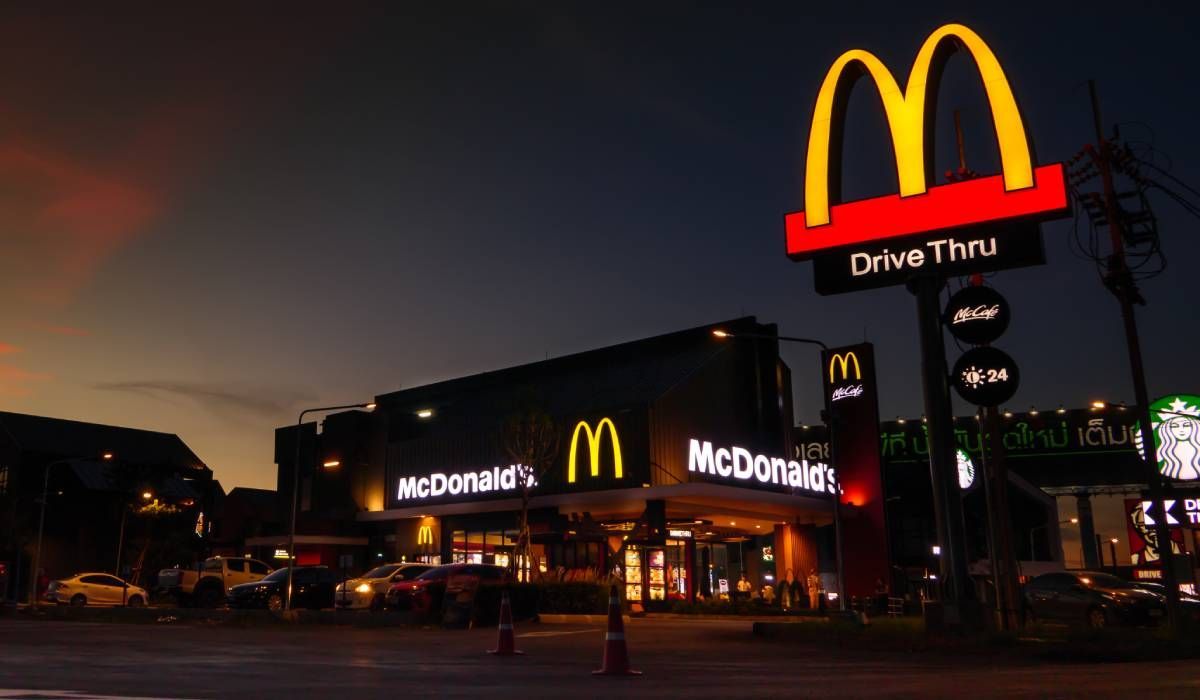
QSR 50 2026: Top 50 Fast-Food Chains, Ranked by Sales

McDonald's topped the QSR 50 pack yet again.


About the QSR 50/

The QSR 50 is an annual ranking of limited-service restaurant companies by U.S. system-wide sales. QSR magazine collected information directly from restaurant companies from March to May 2026.

* Indicates a number estimated by QSR...
An elevated outdoor view of a modern shopping mall promenade with manicured greenery, palm trees, and pedestrians.

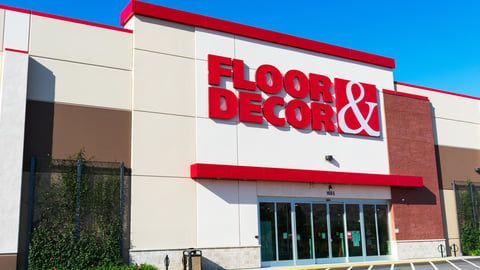
Floor & Decor Q2 sales rise

Floor & Decor Holdings Inc. reported second-quarter earnings that exceeded its expectations amid “uneven” demand for large discretionary flooring projects.


The specialty retailer of hard surface flooring and related accessories has opened 11 new warehouse stores to date in its current fiscal year, including five in the second quarter. It plans to open 20 locations for the full year...
The American flag waves against a bright blue sky between towering glass skyscrapers, viewed from a low angle.

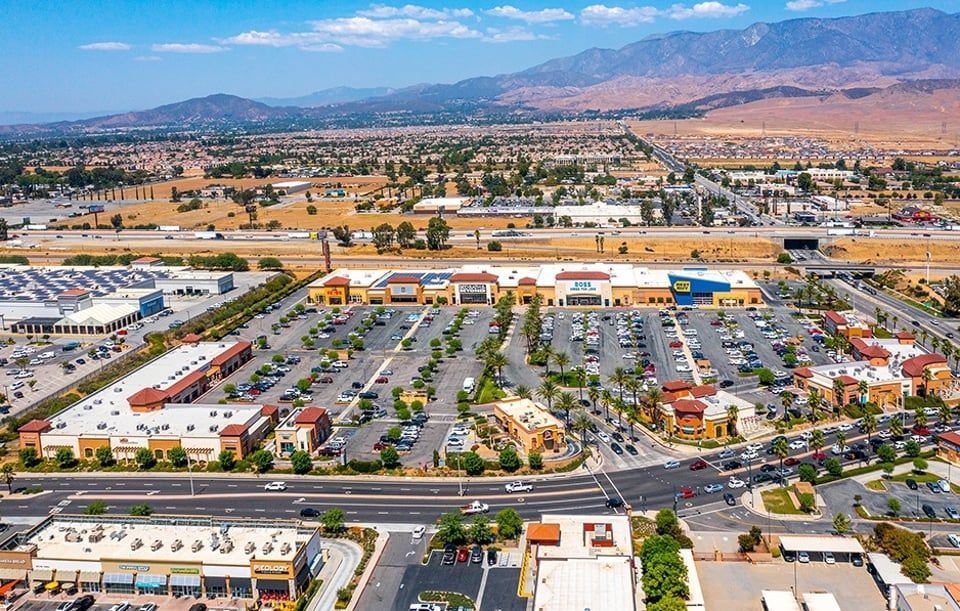
CBRE: Retail real estate set for continued growth; new builds remain slow


Despite an inflation rate remaining above 4% that will render Federal Funds Rate cuts unlikely for the rest of the year, continued consumer spending has kept commercial real estate resilient, reports CBRE in its 2026 Midyear Review.


“The U.S. real estate market has withstood economic and geopolitical headwinds this year and is well positioned for further growth,” said Henry Chin, CBRE’s global head of research...
A flat, single-story retail building with a

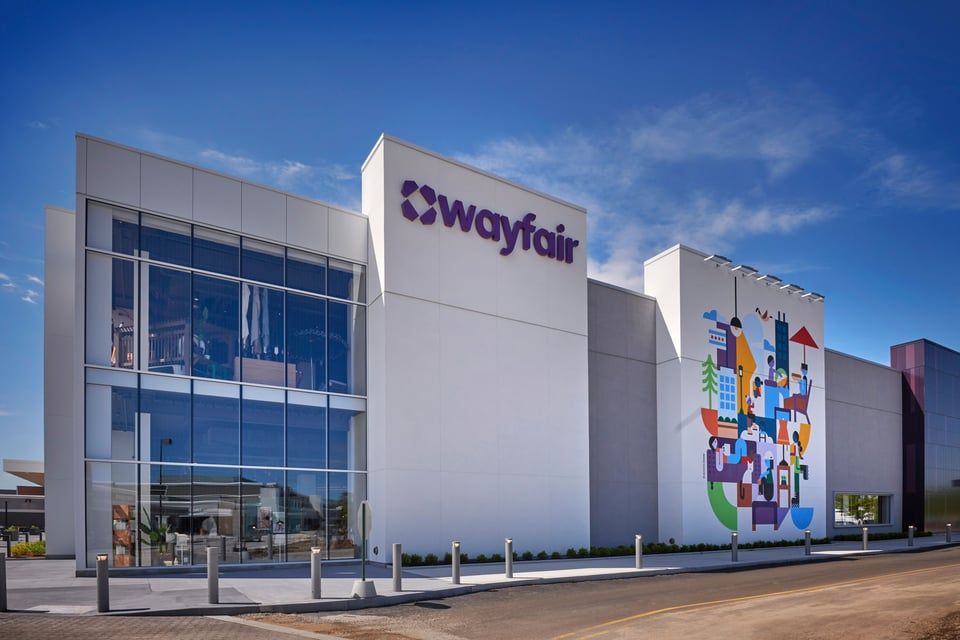
Wayfair reports strongest growth since pandemic

Wayfair Inc. exceeded earnings and revenue expectations for its second quarter, helped by a strong performance from its luxury brand.

The digitally native home furnishings brand reported its second-quarter results the day after it announced its upcoming entry into another state, Pennsylvania, as it continues to add more upcoming locations to its 2027 store lineup...

The main entrance of the NuHAA building, featuring a modern glass and stone facade, at sunset.

Shake Shack Keeps Traffic Growing

Shack Shack finished Q2 with 703 restaurants.


Shake Shack’s traffic engine continued to work in the second quarter.


Same-store sales rose 3.5 percent, driven by 2 percent traffic growth and 1.5 percent price and mix. The results extended the chain’s streaks to four consecutive quarters of positive traffic and 22 straight quarters of same-store sales growth...
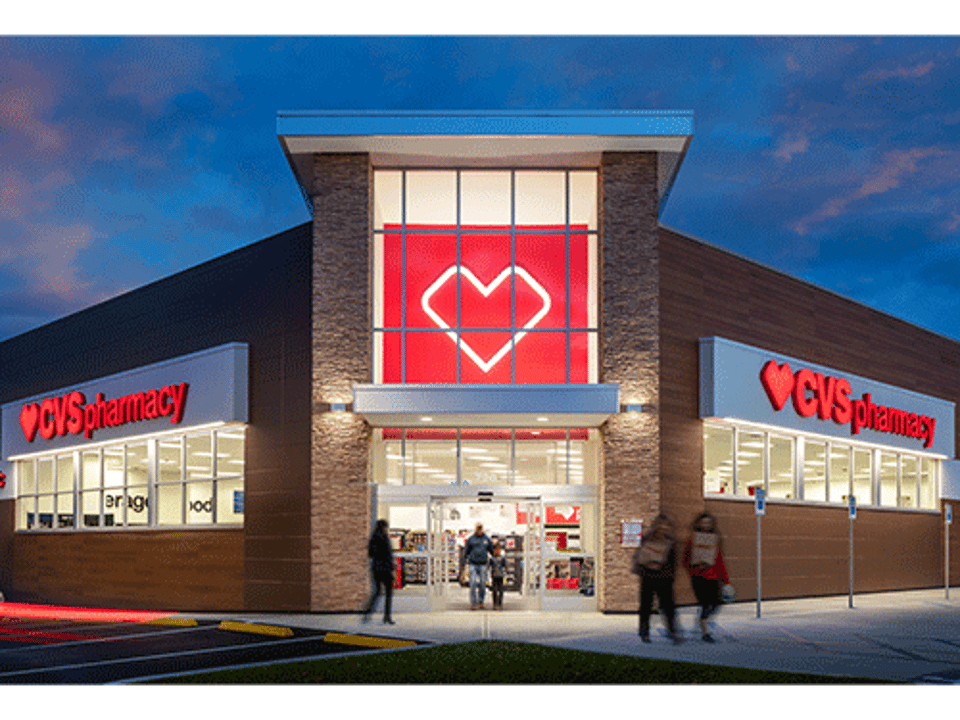


CVS beats Street on Q2 earnings and sales; ups guidance

CVS Health Corp. continued its momentum from the first quarter of fiscal 2026 with strong second quarter performance.

The retail pharmacy and health care giant reported net income of $2.99 billion, close to triple $1.01 billion in the second quarter of fiscal 2025. Adjusted earnings per share (EPS) totaled $2.58 billion, well ahead of Wall Street projections of $1.83. Total revenues reached $106.1 billion, up 7% from $98.9 billion and past analyst expectations of $100.3 billion...
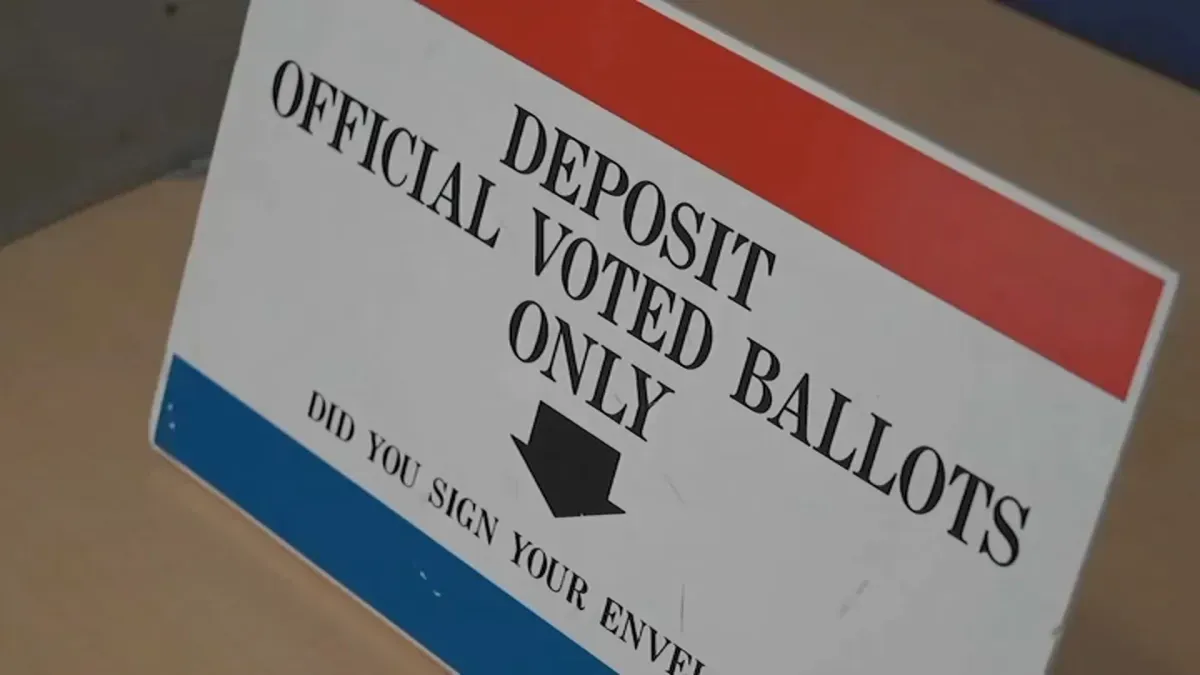
LA voters to decide measure exempting Pacific Palisades from Measure ULA

The Los Angeles City Council voted 13-1 Tuesday to place a measure on the November ballot to have voters decide whether to exempt Pacific Palisades from the city's so-called "mansion tax"

Voters will be asked to exempt the sale of homes damaged or destroyed by the January 2025 Palisades Fire from Measure United to House Los Angeles, known as Measure ULA. The proposal calls for a one-time, five-year exemption, starting from the date of the fire emergency.

Councilwoman Eunisses Hernandez opposed the measure, and Councilman Curren Price was absent during Tuesday's meeting...

Salad and Go Files for Bankruptcy, to Close All Restaurants

Salad and Go filed for bankruptcy and will permanently close all 70 of its restaurants, ending a 13-year run for the drive-thru salad chain.


Its restaurants in Arizona and Nevada will provide their final guest service on Wednesday.


The filing completes a steep reversal for a brand that operated more than 140 company-owned restaurants as recently as May 2025. Salad and Go nearly doubled its footprint over the preceding two years before closing half of its system in less than a year...

By Marc Perlof • November 6, 2026
CVS Health to split off its retail pharmacy business CVS Health is planning one of the largest corporate separations in history as it looks to separate its retail pharmacy operations from its insurance and pharmacy benefits business. The retail and healthcare giant, whose total revenues increased to a record high of $402.1 billion in 2025, intends to separate into two independent, publicly traded companies, with the split expected to be completed by the first half of 2028. The decision follows a “comprehensive strategic review by the CVS Health board,” the company said...
By Marc Perlof • November 2, 2026
By Marc Perlof | @MarcRetailGuy CA #01489206 November 2, 2026 If you own retail real estate, here’s what just changed for you. One of the biggest risks to a retail property is not always one owner making a bad decision. It is multiple owners failing to make a decision at all. When family members, business partners, or other co-owners delay action, the cost can show up through lost income, higher expenses, missed opportunities, weaker financing, or a lower sale price. Retail properties are often owned by siblings, spouses, business partners, LLC members, family offices, trusts, or investment groups. Each owner may have a different financial goal, timeline, and tolerance for risk. Disagreement is normal. The larger problem is having no clear process for turning disagreement into a decision. Even if you own the property by yourself today, these same decisions often become the responsibility of a spouse, children, successor trustee, or other heirs in the future. A clear decision process today can help prevent confusion later. What Do Multiple Owners Commonly Miss? Many ownership groups assume waiting is the safest choice when they cannot agree. They delay a lease decision, postpone repairs, wait to refinance, or hold off on selling until everyone feels comfortable. That may reduce conflict in the moment, but it does not stop the property from changing. Leases move closer to expiration. Deferred maintenance grows. Financing terms and buyer demand can change. Waiting may feel neutral, but its financial effect rarely is. Good properties are often held back by poor decision processes, not poor real estate. The issue becomes harder when each owner defines success differently. One partner may want monthly income. Another may want to sell and reinvest. One sibling may want to keep the property because it has been in the family for decades, while another may need cash for retirement or other obligations. None of these goals are automatically wrong. The ownership group still needs to decide which goal should guide the property’s current strategy. Why Do Ownership Groups Delay Important Decisions? Experience does not remove emotion, fear, or personal pressure. An owner may understand leasing and property values but still resist a sale because the property belonged to a parent. Another may reject a reasonable lease because the proposed rent is below what the space achieved years earlier. Another common reason for delay is the belief that retail property values will continue increasing over time. Many properties have appreciated over long periods, but that does not automatically make waiting the best financial decision. While ownership waits, leases age, capital needs grow, financing changes, and buyer demand shifts. A property’s future value depends on much more than appreciation alone. The better question is not, “Will this property be worth more someday?” It is, “Will waiting create a better overall financial result than acting today?” Owners may also delay because they want to avoid regret. They worry that selling now could mean missing a higher price later, or that completing an improvement could waste money. That fear can cause repeated delays while income, expenses, tenant risk, and market conditions continue to change. The goal is not to make a perfect decision. It is to make the best available decision based on the property’s current income, condition, financing, leases, marketability, and ownership objectives. How Can Indecision Affect Property Value? Property value is tied closely to income, risk, and buyer confidence. If ownership delays a lease renewal, buyers may underwrite more vacancy risk. If repairs are postponed, buyers may reduce pricing for future capital costs. If owners cannot agree on a sale strategy, the property may remain exposed to tenant rollover, changing financing conditions, or new competition. Indecision can also weaken negotiations. A tenant may recognize that the owners are not aligned. A buyer may question whether the group can approve terms, respond to due diligence, or close on schedule. A lender may require clear authority before moving forward with refinancing. The cost may not appear as one large loss. It often shows up through additional vacancy, higher repair costs, reduced leverage, lost rent, or a weaker offer. Over time, those smaller consequences can materially reduce value. What Should the Ownership Group Decide First? The first decision is not whether to sell, refinance, lease, improve, or hold. It is agreeing on the ownership group’s primary objective. Is the priority current cash flow, long term appreciation, preserving the property for the next generation, reducing risk, or preparing for a sale within a defined period? Once that objective is clear, the group can compare each option using the same standard. A lease proposal can be measured by its effect on NOI, flexibility, and value. A capital improvement can be evaluated based on cost, expected rent, tenant demand, and sale impact. A sale can be reviewed based on net proceeds, taxes, timing, and reinvestment options. Without a shared objective, every discussion becomes a debate over personal preferences. With a shared objective, the group can focus on what best supports the investment. Real Deal Insight I recently advised a family that owned a retail property through multiple siblings. One wanted to sell, another wanted to continue collecting income, and another wanted to wait because they believed the property’s value would continue increasing. Before discussing pricing or marketing, I helped the ownership group compare the financial consequences of each option, including projected income, future capital needs, lease rollover, holding costs, and the risks of delay. Once everyone reviewed the same information, the discussion shifted from individual opinions to the property’s investment objectives. That allowed the group to make an informed decision based on facts instead of assumptions. Strategic Advice for Retail Property Owners If your property has multiple owners, start by defining the group’s main investment objective and expected holding period. Each owner should understand whether the current goal is income, growth, preservation, redevelopment, refinancing, or sale. Then decide how major property decisions will be reviewed. The group should know who gathers the information, who has authority, what requires a vote, and how long the group has to respond. Governance and legal issues should be reviewed with the appropriate attorney, CPA, or other licensed advisor. The goal is not more meetings. It is a process that allows the group to decide before delay limits the available options. Owner Self-Assessment If your ownership group had to decide today whether to renew a major tenant, complete a capital improvement, refinance, or sell, would every owner agree on the property’s main objective and how the decision should be made? Final Takeaway Multiple owners do not need to agree on everything, but they need a clear process for making decisions before delay reduces income, options, or value. In next week’s blog, “The Hidden Cost of Waiting: How Decision Delays Reduce Property Value,” I will explain how indecision can affect lease negotiations, repairs, financing, buyer interest, and property value. If your retail property has multiple owners, I can help your group compare the financial impact of holding, leasing, improving, refinancing, or selling before indecision limits the available choices. The quality of a retail property’s decisions often depends less on the property itself and more on the process the owners use to make those decisions. Is your ownership group protecting the property by waiting, or is waiting quietly becoming the most expensive decision? Based in Los Angeles. Serving Southern California. Active across California. Advising clients nationwide. #RetailRealEstate #CommercialRealEstate #RetailProperty #PropertyOwners #FamilyPartnership #BusinessPartners #FamilyOffice #InvestmentProperty #ShoppingCenters #MarcRetailGuy
By Marc Perlof • October 30, 2026
Tractor Supply Q3 sales rise 5.1%; to moderate new store openings Tractor Supply Company delivered third-quarter earnings and sales that beat analyst expectations and said it was gaining share against most categories and metrics even as its customers remain cautious. On the company’s earnings call, CEO Hal Lawton said that elevated interest rates and reduced housing mobility are weighing on property improvements and larger projects. Pet ownership headwinds, particularly new pet acquisition, continue to affect demand in certain categories...
More Posts