Weekly Perl: A Commercial Real Estate News Recap

Marc Perlof • August 21, 2026
A banner for weekly commercial real estate news recap
A car is parked in front of a sign that says 223

Retail sales post biggest drop since 2025 as spending momentum fades


U.S. retail sales sank to their lowest in over a year in July as consumers pulled back on online shopping and vehicle sales.

Retail purchases, not adjusted for inflation, fell 0.6% in July from the previous month in the biggest decline since May 2025, according to the Census Bureau data released Friday. Excluding gasoline and auto, retail sales dropped 0.2%...

The front of an aldi store with a sign in front of it.

Foot Locker and Nike team on community center-inspired store

Foot Locker is opening a first-of-its kind store model that serves as both a shopping destination and community hub.

Set to open Saturday, Aug. 22, 2026, “The Crenshaw Rec by Foot Locker” will be located on Crenshaw Boulevard in South Los Angeles and inspired by the role recreation centers have played as gathering places.


Developed by Foot Locker in partnership with Nike, Jordan Brand and Converse, The Crenshaw Rec by Foot Locker is designed as both a shopping destination and community hub. The space features an equipment room, open gym, hyper-local product collections, creative workspaces and a dedicated resource center that will host year-round programming supporting residents...


An elevated outdoor view of a modern shopping mall promenade with manicured greenery, palm trees, and pedestrians.

First Look: Michaels' next-gen stores lean into hands-on experiences, creativity

Michaels has overhauled its store model with an experiential format that includes a Pinterest trends bar, candy, favors and charms stations, 10-minute custom framing of digital photos, customization services and more.

The arts-and-crafts giant has expanded the new format, which made its debut in Easton, Ohio, and Irving, Texas, to Rogers, Ark. The stores pilot key elements that will eventually roll out to shoppers at all stores...
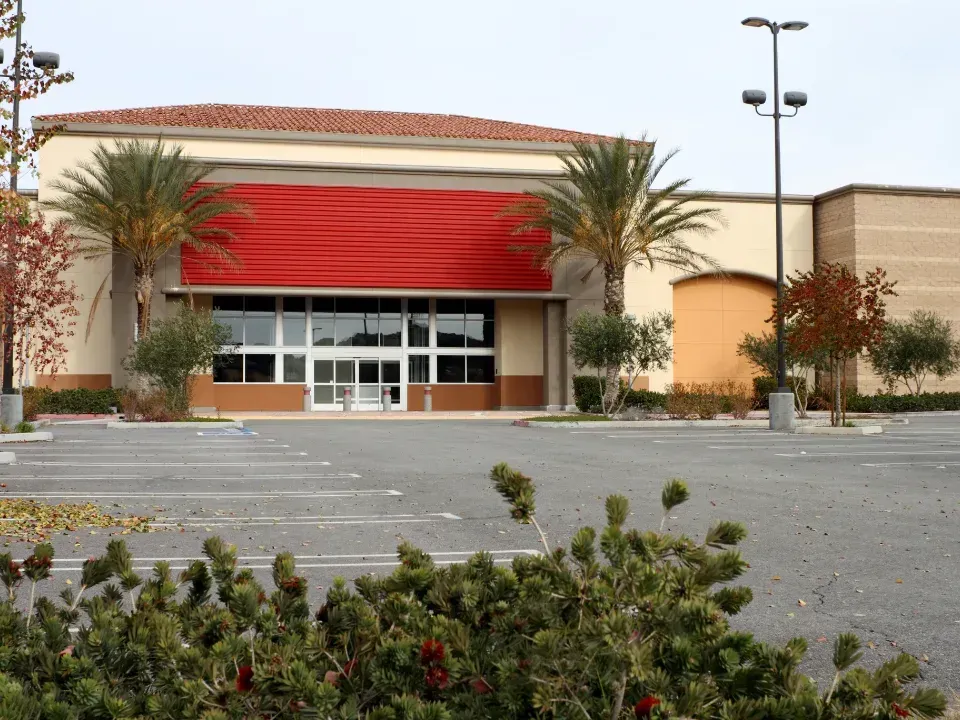
The American flag waves against a bright blue sky between towering glass skyscrapers, viewed from a low angle.

Retail Store Closures Outpace Openings, Bigger Boxes Win

U.S. retailers announced more store closures than openings through the first seven months of 2026, but a net space gain of 26.1 million square feet shows the industry trading store count for scale, according to GlobeSt. Retailers announced 3,255 openings representing an estimated 63 million square feet against 3,399 closures totaling 36.9 million square feet through July 31, per Coresight Research’s July Store Tracker Extra report. The result: a net loss of 144 stores by location count, even as total retail square footage kept climbing...
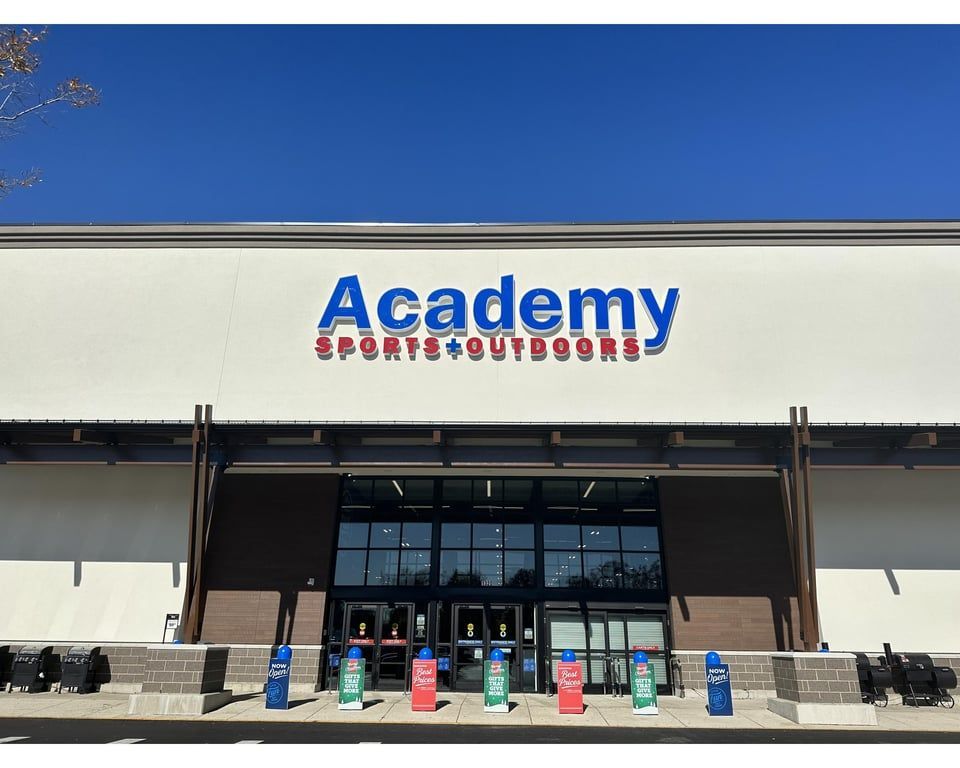
A flat, single-story retail building with a

Academy Sports + Outdoors plans 11 new stores for Q3 — here's where

Academy Sports + Outdoors is continuing to expand its store footprint nationwide.

The Texas-based sporting goods retailer opened two new stores in the third quarter, with nine more planned to debut soon (see full list later in article). To date, Academy has opened seven new stores in 2026, with plans to open a total of 20 to 25 new locations this fiscal year. Last year, the chain opened 24 new stores across 16 states...
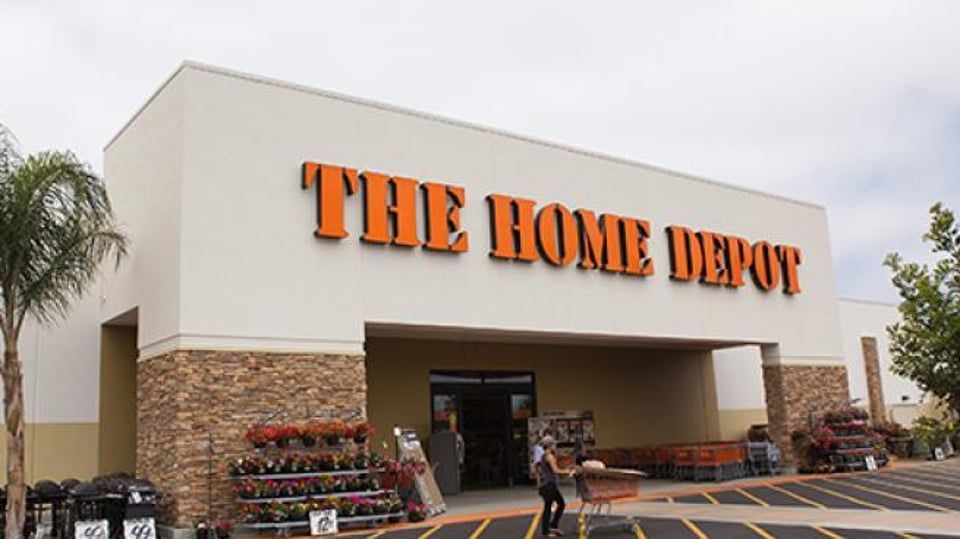
The main entrance of the NuHAA building, featuring a modern glass and stone facade, at sunset.

Home Depot beats Street in Q2; launches national express delivery

The Home Depot Inc. exceeded Wall Street expectations for earnings and revenue despite a tough housing market, and is using stores as local fulfillment hubs.


The home improvement giant reported net earnings for the second quarter of fiscal 2026 of $4.8 billion, or $$4.92 per adjusted diluted share, up 4% from net earnings of $4.6 billion, or $4.58 per diluted share, in the same period of fiscal 2025.

Net sales totaled $47.9 billion, a 6% year-over-year increase from $45.3 billion. Comparable sales for the second quarter of fiscal 2026 increased 1.7%, and comparable sales in the U.S. increased 1.3%...
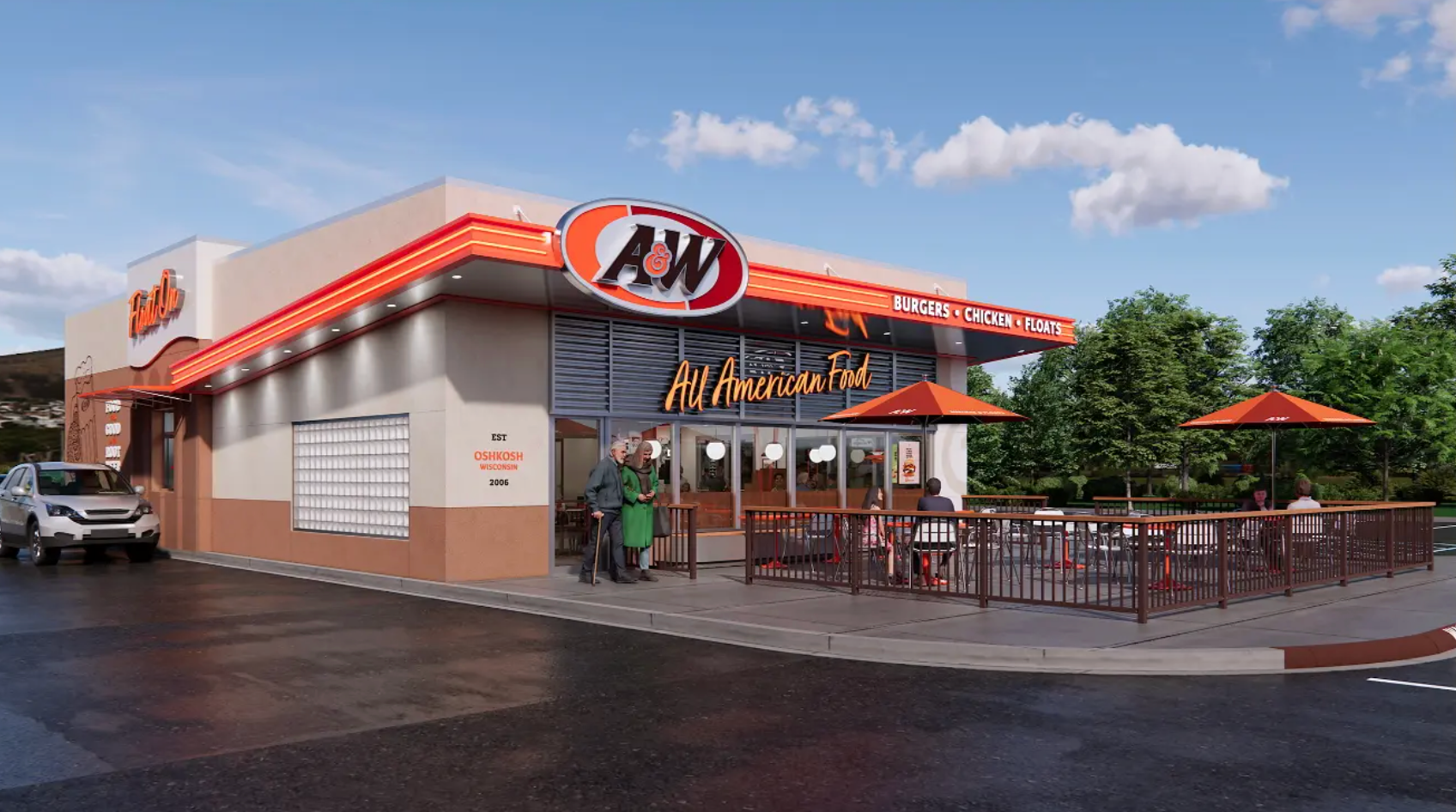


A&W revamps restaurants with nod to roadside roots

A&W Restaurants is serving up a prototype for its locations that it says reflects the chain's origins as a group of roadside root beer stands.


The Lexington, Kentucky-based company on Tuesday unveiled the restaurant prototype that it's launching, describing it as a "modern heritage design." It will serve as the foundation for future A&W restaurant development across the United States, "supporting the brand's expansion into both new and existing markets," according to A&W...
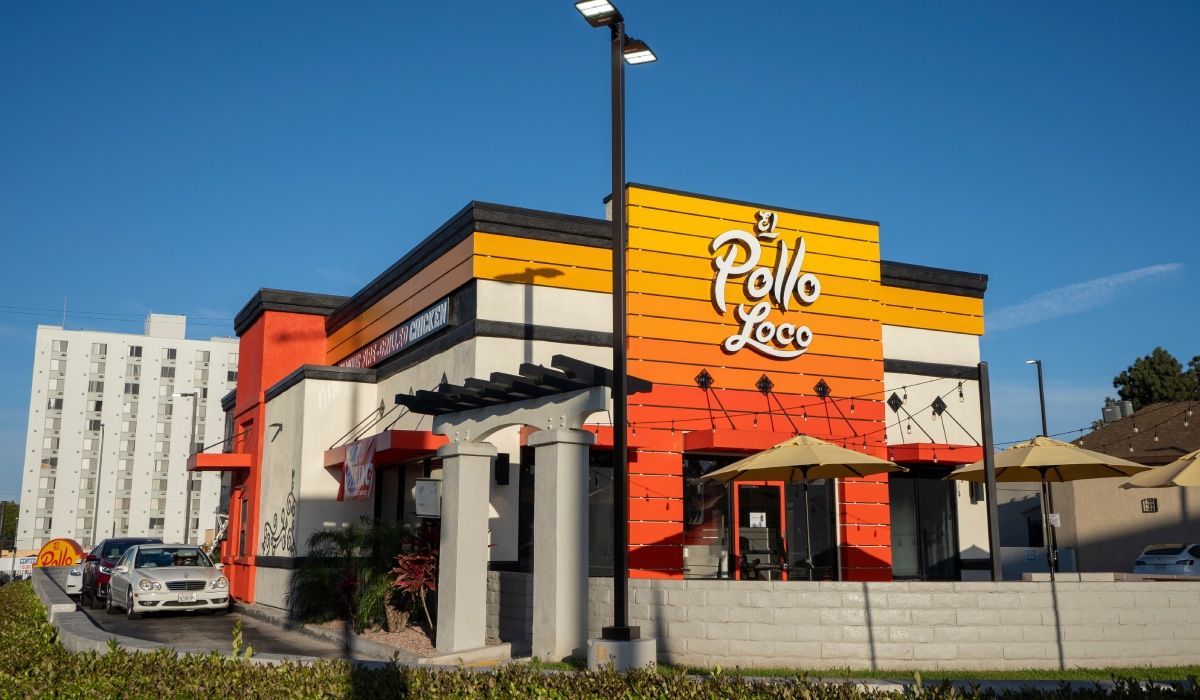
El Pollo Loco Sees Bigger Future Beyond California 

El Pollo Loco’s Q2 results offered more evidence that its recent operating improvements are holding. But the larger message from CEO Liz Williams was about what comes next: using new menu items, digital engagement, and franchise development to expand its footprint beyond California. 

Systemwide comps sales rose 3.9 percent in the second quarter, led by a 4.5 percent increase at franchise restaurants and a 3 percent gain at company-operated locations. Total revenue grew to $129.6 million from $125.8 million in the same period a year ago, while restaurant-level margin improved to 19.5 percent from 19.1 percent...

What Q2 2026 Visit Trends Reveal About Superstores and Wholesale Clubs

Key Takeaways

  • All five superstore and wholesale club chains grew visits YoY in Q2 2026, led by Costco (+8.2%), with overall visits outpacing visits per location across the board.
  • Target’s turnaround drove steady visit growth, while Walmart saw a more modest lift as growth shifted online – and both chains saw July visits jump on back-to-school demand.
  • Clubs outpaced superstores every month, with Costco’s existing clubs getting busier even as new ones open, Sam’s Club posting steady same-store gains, and BJ’s leaning more on new openings...

GLP-1 Medications Shift US Retail Foot Traffic and Sales


Weight Loss Drugs Upend Retail Spending Patterns


According to the Commercial Observer, GLP-1 medications like Ozempic and Wegovy are reshaping consumer spending across US retail. By July 2026, 11% of US adults used these drugs. That equals roughly one in eight people. Gallup reported just 3% used them in 2024.


Millions now eat fewer calories, make healthier choices, and change long-standing shopping habits...



By Marc Perlof August 17, 2026
By Marc Perlof | @MarcRetailGuy CA #01489206 August 10, 2026 If you own retail real estate, here’s what just changed for you. A landlord and tenant agree to a $50,000 tenant improvement allowance. The lease is signed. Does the landlord immediately hand the tenant a $50,000 check? Usually, no. Agreeing on the amount of a tenant improvement allowance, commonly called TI, is only part of the negotiation. The lease and work letter should also explain what the money can be used for, who controls the construction, when the landlord pays, what documents are required, and what happens if the project costs more or less than expected. These details matter because TI is not just a lease concession. It is real money being invested into a tenant’s space. A TI Allowance Is Not Always Paid Upfront One of the biggest misunderstandings about TI is when the money is paid. In many lease structures, the tenant completes approved work and the landlord reimburses the tenant after certain requirements are met. For larger projects, payments may be made in stages as construction progresses. Before releasing funds, the landlord may require paid invoices, lien releases, proof of permits or approvals, evidence that the work was completed, and confirmation that the tenant is not in default. The exact requirements depend on the lease and work letter. For the landlord, the payment structure matters because paying the full allowance before work is completed can create unnecessary risk. What happens if construction stops, contractors are not paid, or the tenant never opens? For the tenant, waiting until the end of construction for reimbursement can create a cash flow problem. The tenant may need to fund the project before receiving the landlord’s contribution. Both sides should understand the process before the lease is signed. Construction Draws Can Spread Out the Payments Larger projects may use construction draws instead of one payment. For example, assume a landlord agrees to provide $150,000 in TI for a retail buildout. Instead of paying the full amount at the beginning or waiting until the entire project is complete, the landlord may release funds in stages as work is completed. The tenant may submit invoices, evidence of completed work, and required lien releases with each request. The landlord then reviews the request and funds the approved amount according to the lease. This can reduce the tenant’s need to finance the entire project upfront while protecting the landlord from releasing all the money before the work is completed. The process should be clear. Slow approvals or unclear requirements can delay construction and create conflict. Who Controls the Construction? Another important question is who manages the work. In some leases, the tenant controls construction and the landlord reimburses approved costs. In other situations, the landlord agrees to complete specific improvements before delivering the space. Some deals use a combination of both. Tenant controlled construction gives the tenant more control over design and contractors, but the landlord still needs to protect the property. The lease may address approved plans, contractors, insurance, permits, and changes that require landlord approval. Landlord controlled work gives the owner more control over the improvements but also creates greater responsibility for construction costs, scheduling, and delivery. Neither structure is automatically better. The right approach depends on the property, scope of work, tenant, and experience of the parties involved. What Can the TI Allowance Be Used For? The lease should clearly define eligible TI costs. A tenant may assume the allowance can be used for anything related to opening the business. The landlord may believe the money is only for permanent improvements to the property. Depending on the lease, eligible costs may include construction, electrical work, plumbing, flooring, lighting, HVAC, restrooms, architectural plans, engineering, or permit costs. Other expenses may be excluded or limited. The important issue is clarity. A tenant should not complete work expecting reimbursement only to later learn that some costs do not qualify. What Happens When the Budget Changes? A TI allowance is generally a maximum landlord contribution, not an unlimited construction budget. Assume the landlord agrees to a $75,000 TI allowance and the project ultimately costs $110,000. The lease should make clear who is responsible for the additional $35,000. The opposite can also happen. If the tenant completes the approved work for $55,000, what happens to the remaining $20,000? The answer depends on the lease. The unused amount may disappear, or the lease may allow another agreed use. The tenant should not assume that unused TI automatically becomes a cash payment. This is why the exact lease language matters. An allowance of up to $75,000 can mean something very different from an obligation to pay the tenant $75,000 regardless of the actual cost of the work. Construction Delays Can Affect Cash Flow TI payment and construction timing are closely connected to rent commencement. A tenant may believe rent should not begin until the business opens. The landlord may expect rent to begin on a specific date or after an agreed construction period. The lease should address what happens if construction is delayed and whether the delay was caused by the tenant, landlord, contractor, permit process, or another issue. For example, a two month delay on a space with $10,000 in monthly base rent can mean $20,000 in delayed base rent before considering NNN reimbursements and other costs. For an owner, construction delays are not only construction problems. They can directly affect property cash flow, NOI, and debt service. The TI Amount Is Only Part of the Risk Owners often focus on negotiating the lowest possible TI allowance. The amount matters, but the payment and construction process also create risk. A smaller allowance with an unclear process can lead to delays, disputes, unfinished work, or a tenant that cannot complete the project. A larger allowance with a clear scope, experienced team, strong tenant, and controlled payment process may create less risk. The goal is not simply to spend less money. The goal is to invest the right amount of capital into the right lease with a process that protects the property. Final Thought Agreeing to a TI allowance is only the beginning. The landlord and tenant should understand what costs qualify, who controls construction, when payments are made, what documents are required, who pays for cost overruns, what happens to unused funds, and how construction delays affect rent commencement. If those issues are unclear, a TI allowance that looked simple during lease negotiations can become a source of delays, disputes, and unexpected costs. For the owner, the goal is not to make the payment process difficult. It is to make sure landlord capital is released through a clear process that supports the lease and protects the property. If you agreed to fund a TI allowance today, would your lease clearly explain exactly when you have to pay and what needs to happen first? In next week’s blog, Why Landlords and Tenants Misunderstand TI Allowances , we will look at why both sides often view TI differently and why rent, lease term, free rent, guaranties, and other concessions should be negotiated as part of one economic package. #RetailRealEstate #CommercialRealEstate #RetailLeasing #TenantImprovements #TIAllowance #CommercialLeasing #MarcRetailGuy Based in Los Angeles. Serving Southern California. Active across California. Advising clients nationwide.
By Marc Perlof August 14, 2026
10-Year Treasury Yield Falls to 4.682% — Data Talk The 10-year yield declined 0.001 percentage point to 4.682% today. The price rose to 97 20/32. --Yield is down for two consecutive trading days --Yield is down 0.015 percentage point over the last two trading days --Largest two-day yield decline since Wednesday, Aug. 5, 2026 --Yield is down six of the past eight trading days --Today's yield is the sixth highest this year...
By Marc Perlof August 10, 2026
By Marc Perlof | MarcRetailGuy CA #01489206 August 3, 2026 If you own retail real estate, here’s what just changed for you. When a retail property owner hears that a tenant wants a tenant improvement allowance, the first reaction is often about the amount: “How much are they asking for?” That matters, but it is not the first question an owner should ask. The better question is: Does investing this money make financial sense for this property and this lease? A tenant improvement allowance, commonly called TI, is money the landlord agrees to contribute toward improvements to the tenant’s space. Depending on the deal, that money may help pay for flooring, walls, electrical work, plumbing, HVAC, restrooms, lighting, or other improvements. TI is common in many retail leases. But that does not mean every TI request is a good investment. For the property owner, TI is capital being invested into a lease. The return depends on the rent, lease term, tenant strength, cost of vacancy, and what happens to the space in the future. That is the real underwriting question. The Wrong Question: How Much TI Is Market? Owners often ask, “What is the market TI allowance?” There is nothing wrong with understanding the market. The problem is treating a market number as an automatic answer. Two tenants asking for the same TI allowance can create completely different investments for the landlord. One tenant may sign a long term lease, pay strong rent, provide a solid guaranty, and build improvements that could be useful to a future tenant. Another tenant may want the same TI allowance but offer weaker rent, limited financial strength, a shorter lease term, and highly specialized improvements that could be expensive to remove later. The TI amount may be the same. The risk is not. That is why TI should never be reviewed by itself. TI Is Part of the Entire Lease Investment A landlord should look at the entire economic package. That includes total TI dollars, starting rent, annual rent increases, lease term, free rent, leasing commissions, tenant credit, personal or corporate guaranties, options to extend, rent during option periods, reuse value of the improvements, and the cost and risk of continued vacancy. For example, an owner may agree to a larger TI allowance because the tenant is signing a longer lease with stronger rent increases and a strong guaranty. In another deal, even a smaller TI allowance may be too risky because the tenant is financially weak or the lease does not give the owner enough time to recover the investment. The TI number alone does not tell you whether the deal is good. The full lease economics do. Saying No to TI Can Also Be Expensive Some owners take the position that they will never pay TI. That may feel financially conservative, but it is not always the lowest risk decision. Vacancy has a cost. An empty space may mean lost base rent, lost NNN reimbursements, continued ownership expenses, maintenance, security concerns, and uncertainty about when the next qualified tenant will appear. If an owner refuses a reasonable TI investment and the space remains vacant for another year, the cost of that vacancy may be greater than the TI allowance that could have completed the lease. This does not mean an owner should accept every TI request. But saying no to TI does not always mean the owner avoids the cost. A tenant may agree to take the space without a TI allowance but require lower rent, more free rent, or other concessions instead. The Existing Condition of the Space Matters Not all retail spaces start from the same position. A second-generation space may already have usable flooring, restrooms, electrical systems, HVAC, lighting, plumbing, and a functional layout. A tenant may need only limited changes before opening. A shell space or heavily damaged space may require much more capital. The type of improvements also matters. A specialized user may require a buildout that has little value to the next tenant. A more general retail buildout may have broader reuse value. Owners should ask a simple question: If this tenant leaves, what am I left with? If the improvements are likely to help lease the space again, part of the TI investment may create longer term value. If the improvements are highly specialized, the owner may face another large capital expense when the tenant leaves. That risk should be considered before the lease is signed, not after the tenant moves out. Lease Term Matters A larger TI investment generally requires enough lease term and income to justify the risk. If an owner spends significant money improving a space but the lease term is too short, the owner may not have enough time to recover the investment before facing another lease negotiation. A longer lease does not automatically make a bad TI deal good. The owner still needs to understand how much capital is being invested and how much income the lease is expected to produce. This is where owners can make mistakes by focusing only on the monthly rent. A lease can produce attractive rent and still require a large upfront investment. The question is not only how much rent will be collected. It is how much capital and risk were required to create that income. Tenant Strength Changes the Risk The same TI investment can have very different risk depending on the tenant. An established tenant with strong financials may create one risk profile. A new business with limited operating history may create another. This does not mean a landlord should never invest in a new business. It means the investment should match the risk. If the landlord is putting substantial money into the space, the owner should pay closer attention to the lease term, security deposit, guaranty, rent structure, TI payment process, and what happens if the tenant never opens or defaults early. A landlord investing heavily into a tenant’s space is doing more than filling a vacancy. The landlord is taking investment risk. That risk should be priced and structured accordingly. TI Should Be Compared with the Cost of Doing Nothing One of the most useful exercises for an owner is comparing the TI request against the cost of staying vacant. For example, assume a 2,000 square foot retail space can be leased for $4.00 per square foot per month. That is $8,000 per month, or $96,000 per year, before expenses. Now assume the tenant asks for a $40,000 TI allowance. At first, the $40,000 may feel expensive. But if the owner rejects the deal and the space sits vacant for six more months, the owner may lose $48,000 in base rent alone. That does not include lost NNN reimbursements, maintenance, insurance, taxes, utilities, or the risk that the next tenant also asks for TI. That does not mean the owner should automatically say yes. It means the owner should compare the TI cost against the real cost of waiting. A strong retail location with multiple interested tenants may give the owner more leverage. A difficult vacancy with fewer qualified tenants may require a different strategy. The goal is not to be generous with TI. The goal is to make the decision that produces the best result after rent, time, risk, and capital are all considered. Think Like an Investor, Not Just a Landlord The best TI decisions come from treating the allowance as an investment. Before agreeing to the amount, ask: How much total capital am I investing? What lease income and term am I receiving in return? How strong is the tenant and the guaranty? What happens to my investment if the tenant defaults? What is the realistic cost and risk of staying vacant? These questions move the discussion away from whether a TI allowance is “normal” and toward whether the lease makes financial sense. That is where owners should focus. Final Thought A tenant improvement allowance is not automatically good or bad. It is an investment decision. Paying too much TI for weak lease economics can create unnecessary risk. Refusing reasonable TI and allowing a space to remain vacant can also hurt the property. The right answer depends on the rent, lease term, tenant strength, property condition, vacancy risk, and long-term value of the improvements. Before agreeing to TI, understand what you are investing, what you are receiving in return, and what happens if the lease does not go as planned. If a tenant asked you for a large TI allowance today, would you know how to determine whether it is a good investment or just an expensive way to fill a vacancy? In next week’s blog, “ How TI Allowances Are Paid and Why the Details Matter” , we will look at reimbursements, draw schedules, invoices, lien releases, cost overruns, and why the payment process should be clear before construction begins. Based in Los Angeles. Serving Southern California. Active across California. Advising clients nationwide. #RetailRealEstate #CommercialRealEstate #RetailLeasing #TenantImprovements #TIAllowance #CREInvestment #MarcRetailGuy
More Posts