Weekly Perl: A Commercial Real Estate News Recap

Marc Perlof • February 7, 2025
A banner for weekly commercial real estate news recap
A stack of coins with a small globe on top

CRE May Rebound by Late 2025 as Values Stabilize


CoStar suggests that the CRE market could be on the rebound, but remains fragile, with potential risks that could disrupt recovery in 2025.

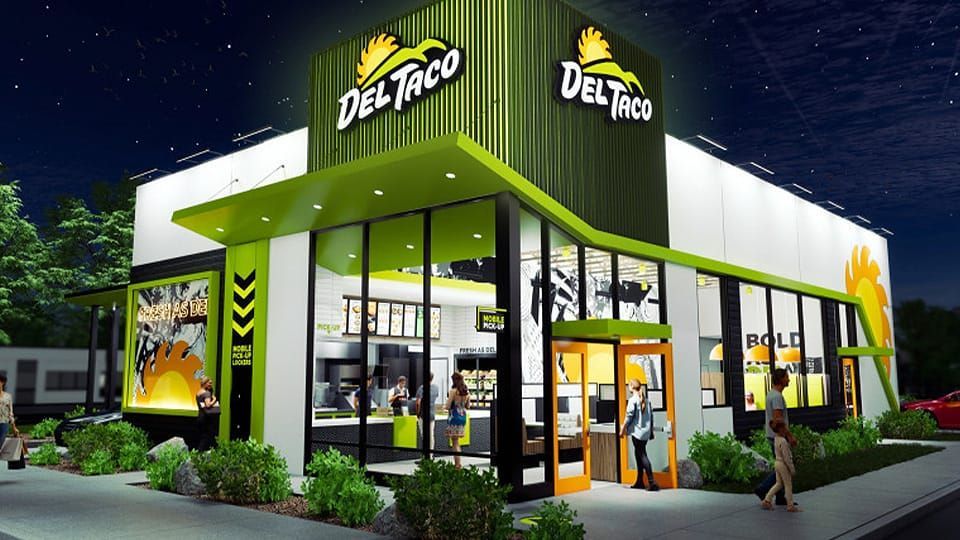
An artist 's impression of a del taco restaurant at night

Del Taco unveils plans to open 10 restaurants in Indiana


Del Taco, a California-based restaurant chain owned by Jack in the Box Inc., intends to open 10 locations in Indiana.

A yellow sign that says taste success with the # 1 hot dog franchise

Döner Haus Launches Franchise Program


Döner Haus, the fastest-growing name in authentic German-style Döner Kebabs, is taking its take-out and delivery concept nationwide, bringing bold flavors and streamlined operations to new markets across the U.S.

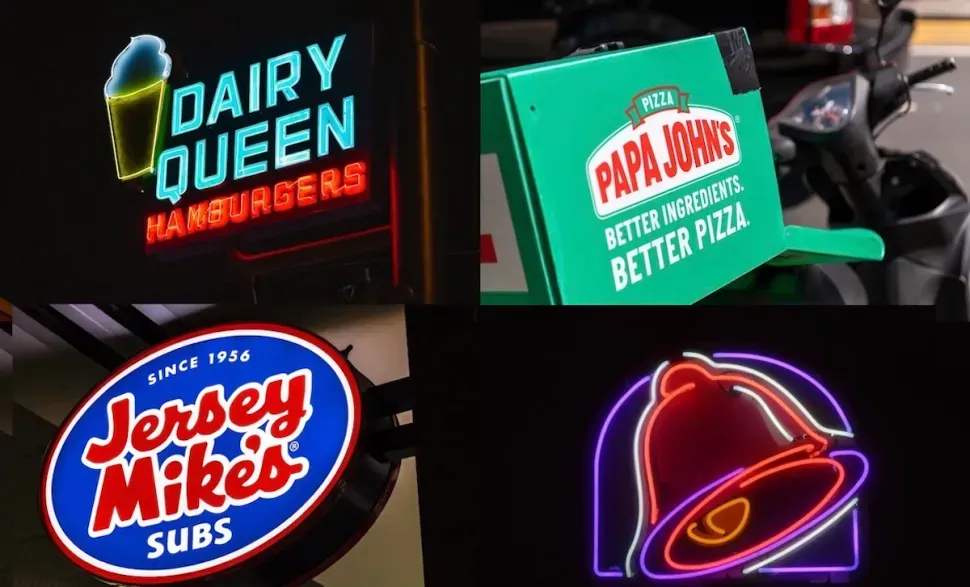
A collage of signs for dairy queen hamburgers jersey mikes subs papa johns and taco bell

50 Biggest Restaurants in USA Ranked With a Major Surprise


A new ranking of the 50 biggest restaurant chains in America reveals surprising shakeups. See where your favorite spots landed.

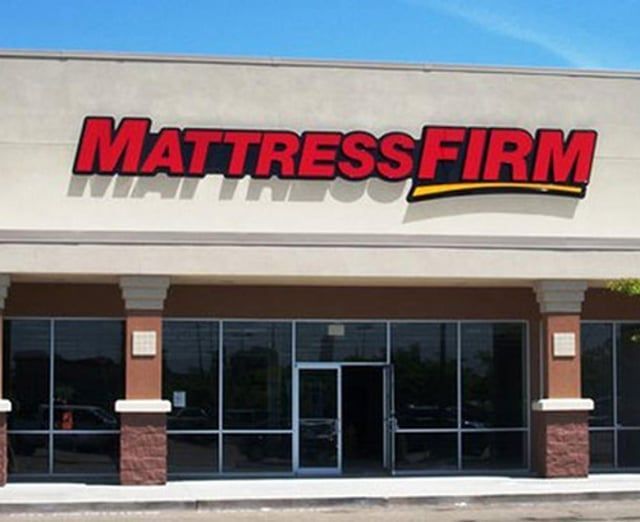
The front of a mattress firm store with lots of windows

Tempur Sealy to change its name; completes acquisition of Mattress Firm


The nation’s largest mattress specialty retailer has a new owner.

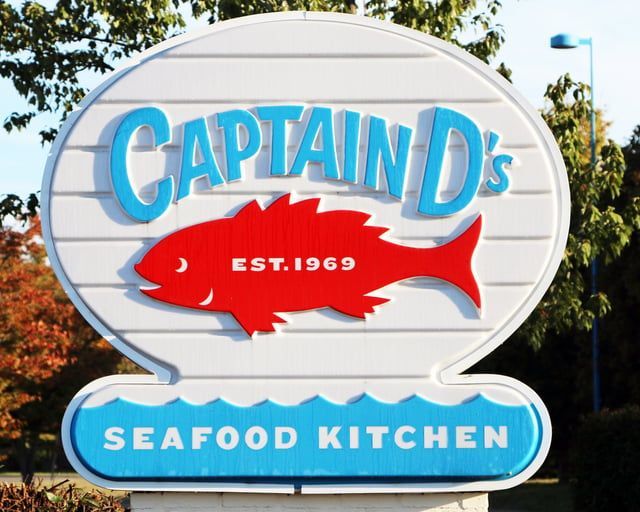
A sign for captain 's seafood kitchen has a red fish on it

Captain D's plots expansion in two states


Captain D’s is planning to expand its presence on the East Coast and in the South.

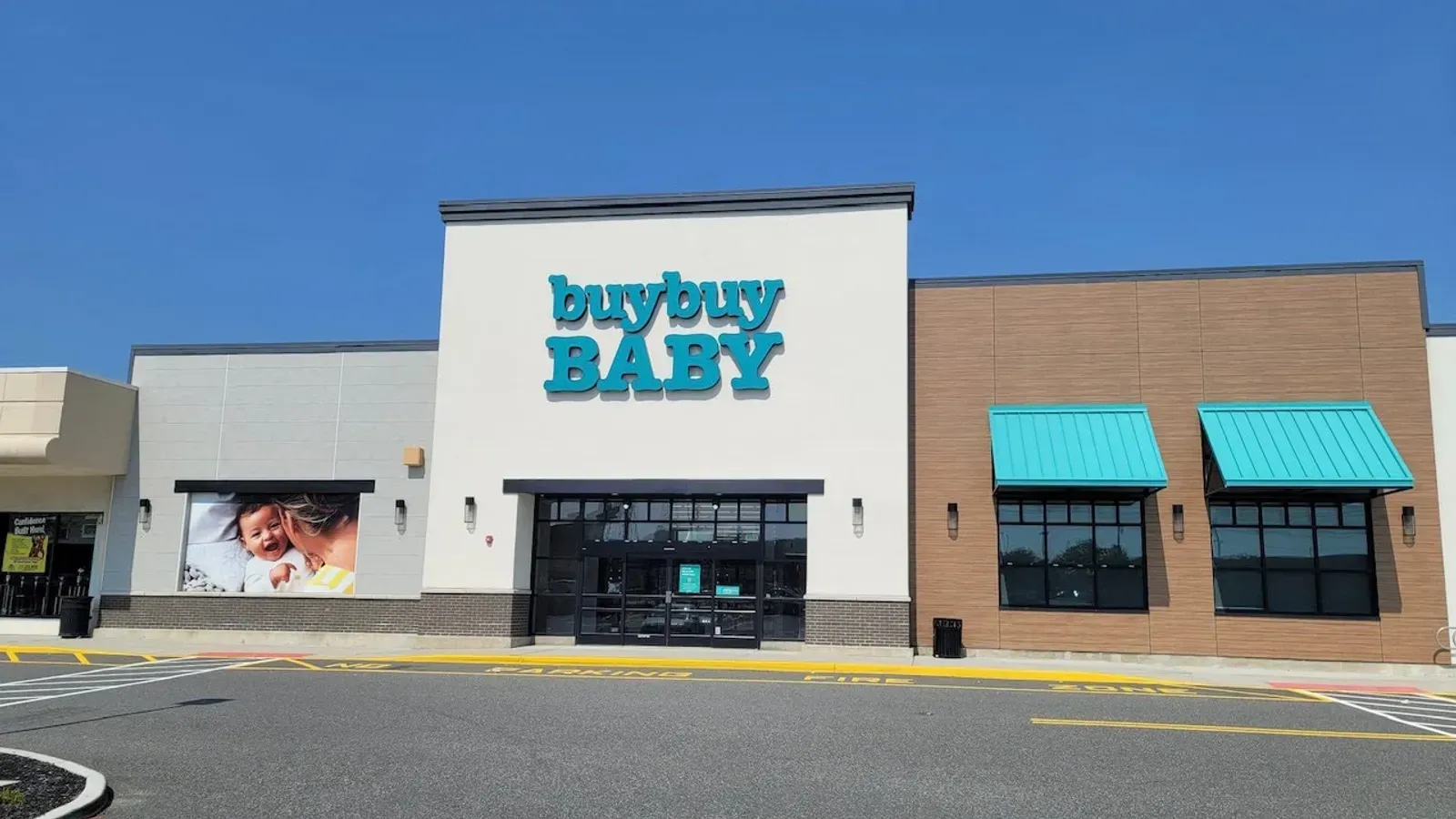
A baby store called buybuy baby is located in a shopping center

Beyond buys BuyBuy Baby for $5M


The move reunites the baby brand with its former parent company and includes the possibility of opening new stand-alone stores.

A person is picking tomatoes in a grocery store.

Consumer confidence in January falls for the first time in 6 months


The University of Michigan recorded a 10% year-on-year drop, and other data found sentiment hit a four-month low.

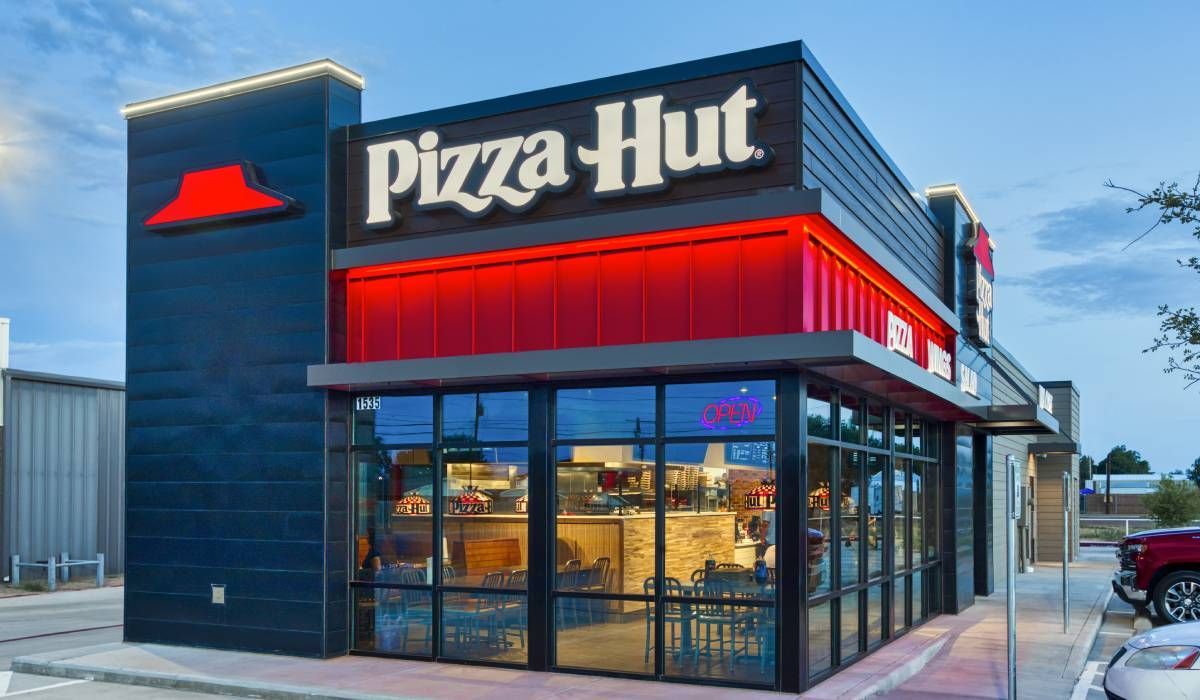
A pizza hut restaurant with a lot of windows

Pizza Hut Franchisee to Sell 77 Stores out of Bankruptcy for Nearly $12 Million


While 77 will be sold, another 60-plus restaurants closed for good.

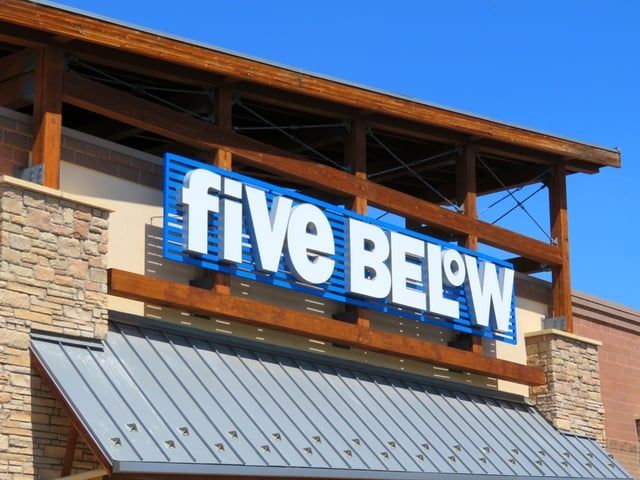
A building with a sign that says five below

Placer.ai: Q4 foot traffic was strongest in these retail sectors...


Fitness centers, dollar chains and apparel stores were among the retail sectors that closed out 2024 the strongest in terms of traffic.

A white bowl filled with a variety of vegetables on a table.

Why Chipotle Bet Big on Rising Mediterranean Star Brassica


The emerging chain has been winning with fresh ingredients, stellar service, and high-quality ingredients long before Chipotle became involved.

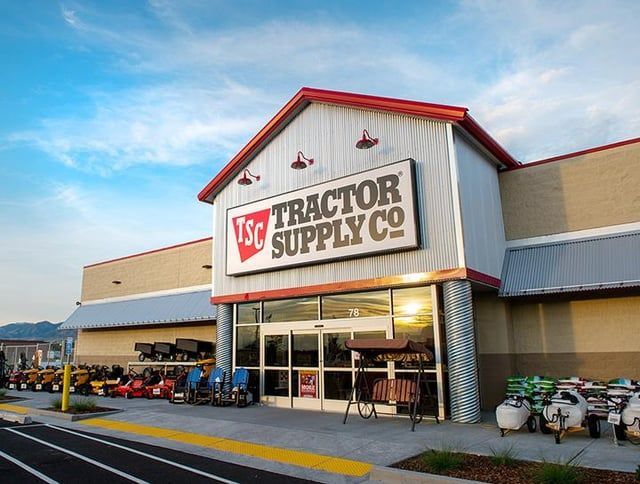
The front of a tractor supply co. store

Tractor Supply sales rise 3.1%; to open 90 stores, continue remodels in 2025


Tractor Supply Co., which narrowly missed fourth-quarter expectations, is going full steam ahead with its ambitious expansion strategy.

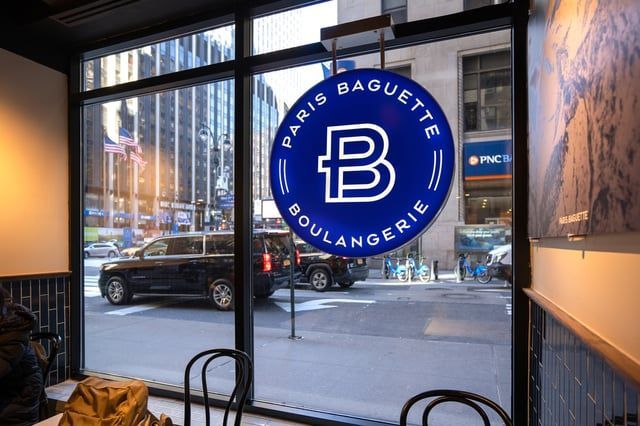
A restaurant with a sign that says paris baguette boulangerie on it

Paris Baguette eyes at least 100 new openings in 2025


After a strong 2024, Paris Baguette is looking to continue its expansion.

By Marc Perlof • October 30, 2026
Tractor Supply Q3 sales rise 5.1%; to moderate new store openings Tractor Supply Company delivered third-quarter earnings and sales that beat analyst expectations and said it was gaining share against most categories and metrics even as its customers remain cautious. On the company’s earnings call, CEO Hal Lawton said that elevated interest rates and reduced housing mobility are weighing on property improvements and larger projects. Pet ownership headwinds, particularly new pet acquisition, continue to affect demand in certain categories...
By Marc Perlof • October 28, 2026
By Marc Perlof | @MarcRetailGuy CA #01489206 October 26, 2026 If you own retail real estate, here’s what just changed for you. A lease guaranty can become less useful if the tenant changes entities, the guaranty expires, or a later agreement releases a guarantor. That can affect your income security, refinancing options, and property value. The main owner decision is whether the guaranty still supports your planned hold, refinance, renewal, or sale. Why Should You Review a Lease Guarantee Every Few Years? Many owners review the lease when they buy the property and do not examine the guaranty again until there is a tenant problem or planned sale. During that time, the tenant may be acquired, reorganized, assigned to another entity, or operating under a guaranty that is capped, reduced, or approaching expiration. A review every few years can help you identify those issues while you still have time to respond. Annual Lease Guarantee Review Checklist 1. Confirm the Current Tenant and Every Guarantor Start with the exact legal name of the tenant currently responsible for the lease. Then identify every company or individual that signed a guaranty. Do not rely on the brand name displayed at the property. The company on the sign may not be the legal tenant or the entity supporting the rent. Confirm whether the guaranty comes from the national parent ompany, a subsidiary, an affiliate, a franchise operator, a location-specific LLC, an individual, or more than one guarantor. 2. Check What the Guaranty Covers and When It Ends A signed guaranty may not cover every lease obligation for the entire lease term. Determine whether it is full, capped, reduced over time, limited to certain lease years, or restricted to specific obligations. It may cover base rent but exclude additional rent, property expenses, repair obligations, or legal costs. Compare the guaranty term with the remaining lease term. Do not assume that a lease extension automatically extends the guaranty. 3. Review Later Documents and Ownership Changes The original lease and guaranty may have been changed by later documents. Review amendments, extensions, assignments, assumption agreements, landlord consents, estoppel certificates, ownership change notices, and any guarantor releases or replacements. A tenant may continue using the same brand while the legal tenant, ownership structure, or guarantor changes behind the scenes. When the relationship among the tenant, guarantor, parent company, and affiliates is unclear, request an organizational chart or entity structure. The chart can explain how the companies are connected, but the lease and guaranty documents still determine who is legally responsible. Qualified legal counsel should confirm unclear obligations. 4. Review the Guarantor’s Current Financial Support A guaranty is only as useful as the company or person behind it. Depending on your lease rights and the information available, review current financial information, rent payment history, operating locations, recent closures, ownership changes, and whether the guarantor still appears to own meaningful assets. The goal is not to complete a full credit analysis. It is to determine whether the support behind your rent is still consistent with what you believed when you bought the property or negotiated the lease. 5. Compare the Guaranty with Your Ownership Plan The value of a guaranty depends partly on what you plan to do with the property. If you expect to hold for several years, determine whether the guaranty lasts through your planned ownership period. If you think you are going to refinance, renew, or sell, consider whether the guaranty will still provide meaningful support at that time. You should also consider what happens if the tenant leaves. Contract rent, market rent, vacancy downtime, leasing commissions, tenant improvement costs, repairs, and replacement demand can all affect NOI, capital needs, and net sale proceeds. The central question is whether the guaranty, the underlying real estate, or both support your next major ownership decision. Owner Self Assessment Could you clearly explain who guarantees your largest tenant’s rent, what the guaranty covers, when it ends, and whether it still supports your ownership plan? Reviewing your lease guaranty every few years can help you identify income, financing, vacancy, and value risks before they limit your options. Contact me for the expanded Retail Lease Guarantee Review Checklist . It includes a more detailed document list, guarantor review questions, financial and ownership checks, vacancy and replacement cost considerations, and a one page owner summary you can use before a refinance, renewal, hold, or sale decision. Are you relying on a guaranty that will still provide meaningful support when you refinance, renew the lease, or sell the property? Based in Los Angeles. Serving Southern California. Active across California. Advising clients nationwide. #RetailRealEstate #CommercialRealEstate #RetailProperty #NetLease #LeaseGuarantee #CorporateGuarantee #TenantCredit #PropertyValue #RetailInvesting #InvestmentSales #MarcRetailGuy #MarcPerlof
By Marc Perlof • October 26, 2026
By Marc Perlof | @MarcRetailGuy CA #01489206 October 26, 2026 If you own retail real estate, here’s what just changed for you. A lease guaranty can become less useful if the tenant changes entities, the guaranty expires, or a later agreement releases a guarantor. That can affect your income security, refinancing options, and property value. The main owner decision is whether the guaranty still supports your planned hold, refinance, renewal, or sale. Why Should You Review a Lease Guarantee Every Few Years? Many owners review the lease when they buy the property and do not examine the guaranty again until there is a tenant problem or planned sale. During that time, the tenant may be acquired, reorganized, assigned to another entity, or operating under a guaranty that is capped, reduced, or approaching expiration. A review every few years can help you identify those issues while you still have time to respond. Annual Lease Guarantee Review Checklist 1. Confirm the Current Tenant and Every Guarantor Start with the exact legal name of the tenant currently responsible for the lease. Then identify every company or individual that signed a guaranty. Do not rely on the brand name displayed at the property. The company on the sign may not be the legal tenant or the entity supporting the rent. Confirm whether the guaranty comes from the national parent ompany, a subsidiary, an affiliate, a franchise operator, a location-specific LLC, an individual, or more than one guarantor. 2. Check What the Guaranty Covers and When It Ends A signed guaranty may not cover every lease obligation for the entire lease term. Determine whether it is full, capped, reduced over time, limited to certain lease years, or restricted to specific obligations. It may cover base rent but exclude additional rent, property expenses, repair obligations, or legal costs. Compare the guaranty term with the remaining lease term. Do not assume that a lease extension automatically extends the guaranty. 3. Review Later Documents and Ownership Changes The original lease and guaranty may have been changed by later documents. Review amendments, extensions, assignments, assumption agreements, landlord consents, estoppel certificates, ownership change notices, and any guarantor releases or replacements. A tenant may continue using the same brand while the legal tenant, ownership structure, or guarantor changes behind the scenes. When the relationship among the tenant, guarantor, parent company, and affiliates is unclear, request an organizational chart or entity structure. The chart can explain how the companies are connected, but the lease and guaranty documents still determine who is legally responsible. Qualified legal counsel should confirm unclear obligations. 4. Review the Guarantor’s Current Financial Support A guaranty is only as useful as the company or person behind it. Depending on your lease rights and the information available, review current financial information, rent payment history, operating locations, recent closures, ownership changes, and whether the guarantor still appears to own meaningful assets. The goal is not to complete a full credit analysis. It is to determine whether the support behind your rent is still consistent with what you believed when you bought the property or negotiated the lease. 5. Compare the Guaranty with Your Ownership Plan The value of a guaranty depends partly on what you plan to do with the property. If you expect to hold for several years, determine whether the guaranty lasts through your planned ownership period. If you think you are going to refinance, renew, or sell, consider whether the guaranty will still provide meaningful support at that time. You should also consider what happens if the tenant leaves. Contract rent, market rent, vacancy downtime, leasing commissions, tenant improvement costs, repairs, and replacement demand can all affect NOI, capital needs, and net sale proceeds. The central question is whether the guaranty, the underlying real estate, or both support your next major ownership decision. Owner Self Assessment Could you clearly explain who guarantees your largest tenant’s rent, what the guaranty covers, when it ends, and whether it still supports your ownership plan? Reviewing your lease guaranty every few years can help you identify income, financing, vacancy, and value risks before they limit your options. Contact me for the expanded Retail Lease Guarantee Review Checklist . It includes a more detailed document list, guarantor review questions, financial and ownership checks, vacancy and replacement cost considerations, and a one page owner summary you can use before a refinance, renewal, hold, or sale decision. Are you relying on a guaranty that will still provide meaningful support when you refinance, renew the lease, or sell the property? Based in Los Angeles. Serving Southern California. Active across California. Advising clients nationwide. #RetailRealEstate #CommercialRealEstate #RetailProperty #NetLease #LeaseGuarantee #CorporateGuarantee #TenantCredit #PropertyValue #RetailInvesting #InvestmentSales #MarcRetailGuy #MarcPerlof

More Posts