Weekly Perl: A Commercial Real Estate News Recap

Marc Perlof • January 24, 2025
A banner for weekly commercial real estate news recap
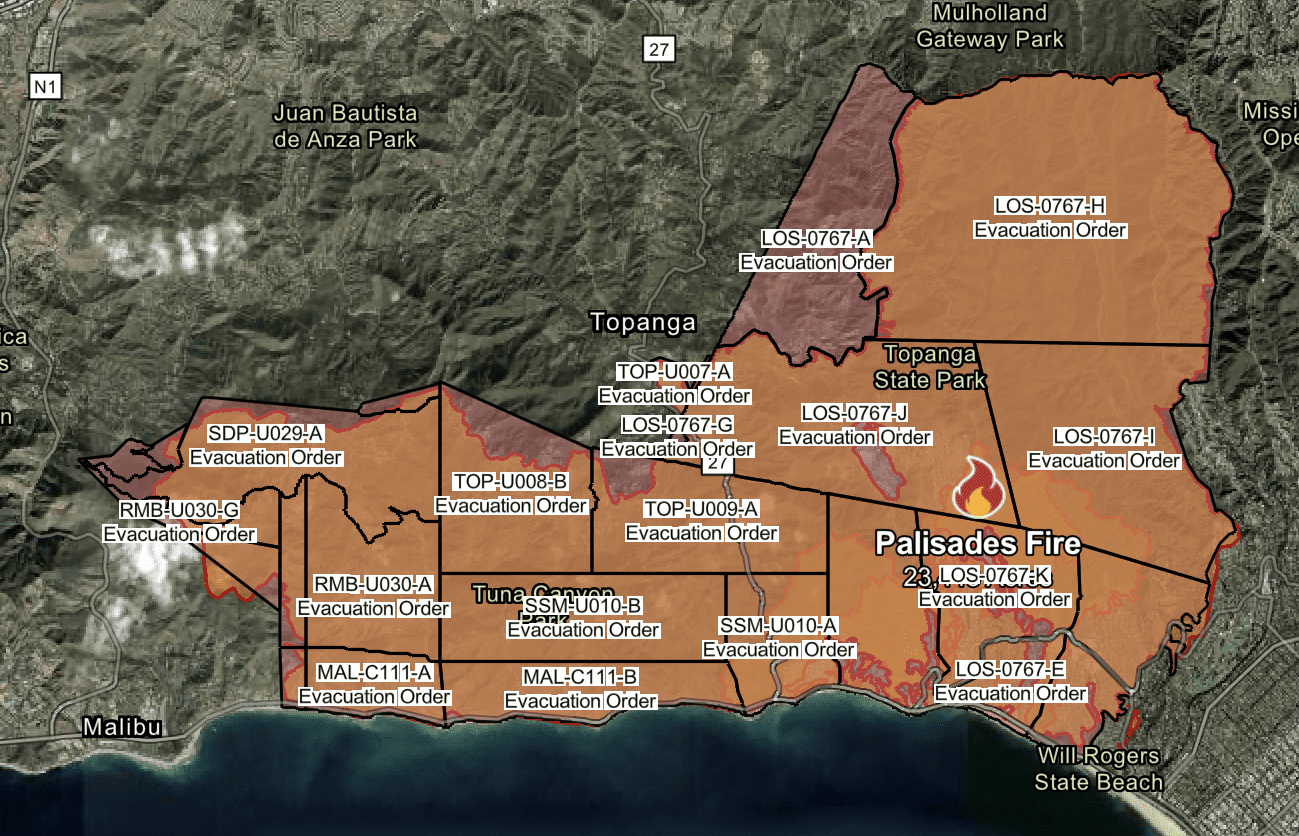
An aerial view of a map showing the location of a fire

Palisades Fire Update: 77% Contained, 23,448 Acres Burned as of Friday, Jan. 24 at 6:24 a.m.


As of this morning, the Palisades Fire has reached 77% containment, having burned 23,448 acres. Overnight, Santa Ana winds brought gusts of 35-45 mph, but today’s forecast shows improving conditions, with winds shifting from northeast to southwest and increasing humidity expected by afternoon.

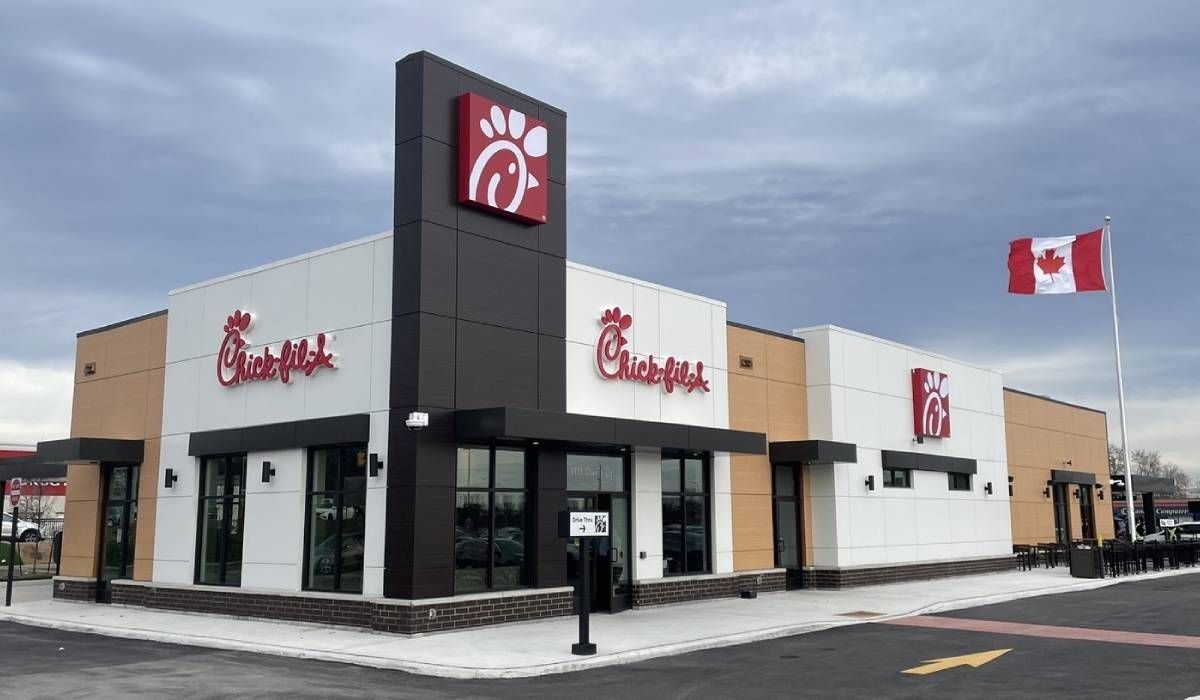
A chick fil a restaurant with a canadian flag flying in front of it.

Chick-fil-A’s Next International Push: More Growth in Canada


The chain is targeting British Columbia for development after successful expansion into Alberta in 2024.

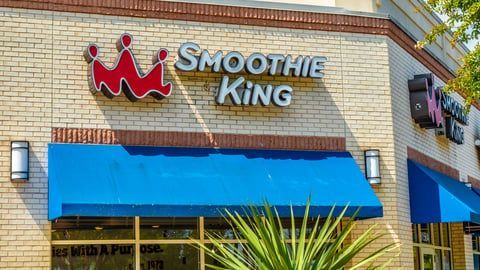
The front of a smoothie king restaurant with a blue awning.

Smoothie King eyes 100+ new stores in 2025


After a strong 2024, Smoothie King is projecting even more expansion in the new year.

A person is holding a brown paper bag in their hand.

Consumer spending forecast to grow 3.1% this year


2025 could be a “breakthrough year,” as retailers engaging with generative AI see some results, according to Deloitte.

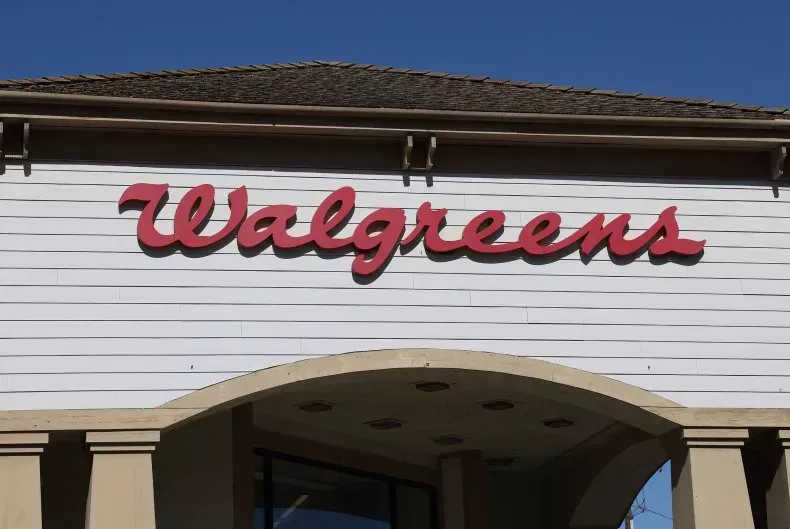
The front of a walgreens store with a blue sky in the background

List of Walgreens Stores Closing in 2025


In 2024 the pharmacy chain Walgreens announced it will be closing 1,200 unprofitable stores around the U.S., with some 500 of those closures set for the 2025 financial year.

A hamburger on a bun with cheese and mustard on a marble cutting board.

90-Year-Old Krystal’s Next Act Starts with People


The restaurant industry has, in short order, progressed from a technology laggard to a well of shiny objects. 

A woman is sitting at a table in a restaurant.

Why Cortadito Coffee House is One to Watch


The rising beverage concept infuses Cuban culture into morning coffee rituals.

A restaurant with a red awning that says j on it

This Iconic Restaurant Chain Has Lost 90% of Its Locations—And Just Shut Another Down


Friendly’s just closed another location—can the struggling chain make a comeback?

By Marc Perlof • October 30, 2026
Tractor Supply Q3 sales rise 5.1%; to moderate new store openings Tractor Supply Company delivered third-quarter earnings and sales that beat analyst expectations and said it was gaining share against most categories and metrics even as its customers remain cautious. On the company’s earnings call, CEO Hal Lawton said that elevated interest rates and reduced housing mobility are weighing on property improvements and larger projects. Pet ownership headwinds, particularly new pet acquisition, continue to affect demand in certain categories...
By Marc Perlof • October 28, 2026
By Marc Perlof | @MarcRetailGuy CA #01489206 October 26, 2026 If you own retail real estate, here’s what just changed for you. A lease guaranty can become less useful if the tenant changes entities, the guaranty expires, or a later agreement releases a guarantor. That can affect your income security, refinancing options, and property value. The main owner decision is whether the guaranty still supports your planned hold, refinance, renewal, or sale. Why Should You Review a Lease Guarantee Every Few Years? Many owners review the lease when they buy the property and do not examine the guaranty again until there is a tenant problem or planned sale. During that time, the tenant may be acquired, reorganized, assigned to another entity, or operating under a guaranty that is capped, reduced, or approaching expiration. A review every few years can help you identify those issues while you still have time to respond. Annual Lease Guarantee Review Checklist 1. Confirm the Current Tenant and Every Guarantor Start with the exact legal name of the tenant currently responsible for the lease. Then identify every company or individual that signed a guaranty. Do not rely on the brand name displayed at the property. The company on the sign may not be the legal tenant or the entity supporting the rent. Confirm whether the guaranty comes from the national parent ompany, a subsidiary, an affiliate, a franchise operator, a location-specific LLC, an individual, or more than one guarantor. 2. Check What the Guaranty Covers and When It Ends A signed guaranty may not cover every lease obligation for the entire lease term. Determine whether it is full, capped, reduced over time, limited to certain lease years, or restricted to specific obligations. It may cover base rent but exclude additional rent, property expenses, repair obligations, or legal costs. Compare the guaranty term with the remaining lease term. Do not assume that a lease extension automatically extends the guaranty. 3. Review Later Documents and Ownership Changes The original lease and guaranty may have been changed by later documents. Review amendments, extensions, assignments, assumption agreements, landlord consents, estoppel certificates, ownership change notices, and any guarantor releases or replacements. A tenant may continue using the same brand while the legal tenant, ownership structure, or guarantor changes behind the scenes. When the relationship among the tenant, guarantor, parent company, and affiliates is unclear, request an organizational chart or entity structure. The chart can explain how the companies are connected, but the lease and guaranty documents still determine who is legally responsible. Qualified legal counsel should confirm unclear obligations. 4. Review the Guarantor’s Current Financial Support A guaranty is only as useful as the company or person behind it. Depending on your lease rights and the information available, review current financial information, rent payment history, operating locations, recent closures, ownership changes, and whether the guarantor still appears to own meaningful assets. The goal is not to complete a full credit analysis. It is to determine whether the support behind your rent is still consistent with what you believed when you bought the property or negotiated the lease. 5. Compare the Guaranty with Your Ownership Plan The value of a guaranty depends partly on what you plan to do with the property. If you expect to hold for several years, determine whether the guaranty lasts through your planned ownership period. If you think you are going to refinance, renew, or sell, consider whether the guaranty will still provide meaningful support at that time. You should also consider what happens if the tenant leaves. Contract rent, market rent, vacancy downtime, leasing commissions, tenant improvement costs, repairs, and replacement demand can all affect NOI, capital needs, and net sale proceeds. The central question is whether the guaranty, the underlying real estate, or both support your next major ownership decision. Owner Self Assessment Could you clearly explain who guarantees your largest tenant’s rent, what the guaranty covers, when it ends, and whether it still supports your ownership plan? Reviewing your lease guaranty every few years can help you identify income, financing, vacancy, and value risks before they limit your options. Contact me for the expanded Retail Lease Guarantee Review Checklist . It includes a more detailed document list, guarantor review questions, financial and ownership checks, vacancy and replacement cost considerations, and a one page owner summary you can use before a refinance, renewal, hold, or sale decision. Are you relying on a guaranty that will still provide meaningful support when you refinance, renew the lease, or sell the property? Based in Los Angeles. Serving Southern California. Active across California. Advising clients nationwide. #RetailRealEstate #CommercialRealEstate #RetailProperty #NetLease #LeaseGuarantee #CorporateGuarantee #TenantCredit #PropertyValue #RetailInvesting #InvestmentSales #MarcRetailGuy #MarcPerlof
By Marc Perlof • October 26, 2026
By Marc Perlof | @MarcRetailGuy CA #01489206 October 26, 2026 If you own retail real estate, here’s what just changed for you. A lease guaranty can become less useful if the tenant changes entities, the guaranty expires, or a later agreement releases a guarantor. That can affect your income security, refinancing options, and property value. The main owner decision is whether the guaranty still supports your planned hold, refinance, renewal, or sale. Why Should You Review a Lease Guarantee Every Few Years? Many owners review the lease when they buy the property and do not examine the guaranty again until there is a tenant problem or planned sale. During that time, the tenant may be acquired, reorganized, assigned to another entity, or operating under a guaranty that is capped, reduced, or approaching expiration. A review every few years can help you identify those issues while you still have time to respond. Annual Lease Guarantee Review Checklist 1. Confirm the Current Tenant and Every Guarantor Start with the exact legal name of the tenant currently responsible for the lease. Then identify every company or individual that signed a guaranty. Do not rely on the brand name displayed at the property. The company on the sign may not be the legal tenant or the entity supporting the rent. Confirm whether the guaranty comes from the national parent ompany, a subsidiary, an affiliate, a franchise operator, a location-specific LLC, an individual, or more than one guarantor. 2. Check What the Guaranty Covers and When It Ends A signed guaranty may not cover every lease obligation for the entire lease term. Determine whether it is full, capped, reduced over time, limited to certain lease years, or restricted to specific obligations. It may cover base rent but exclude additional rent, property expenses, repair obligations, or legal costs. Compare the guaranty term with the remaining lease term. Do not assume that a lease extension automatically extends the guaranty. 3. Review Later Documents and Ownership Changes The original lease and guaranty may have been changed by later documents. Review amendments, extensions, assignments, assumption agreements, landlord consents, estoppel certificates, ownership change notices, and any guarantor releases or replacements. A tenant may continue using the same brand while the legal tenant, ownership structure, or guarantor changes behind the scenes. When the relationship among the tenant, guarantor, parent company, and affiliates is unclear, request an organizational chart or entity structure. The chart can explain how the companies are connected, but the lease and guaranty documents still determine who is legally responsible. Qualified legal counsel should confirm unclear obligations. 4. Review the Guarantor’s Current Financial Support A guaranty is only as useful as the company or person behind it. Depending on your lease rights and the information available, review current financial information, rent payment history, operating locations, recent closures, ownership changes, and whether the guarantor still appears to own meaningful assets. The goal is not to complete a full credit analysis. It is to determine whether the support behind your rent is still consistent with what you believed when you bought the property or negotiated the lease. 5. Compare the Guaranty with Your Ownership Plan The value of a guaranty depends partly on what you plan to do with the property. If you expect to hold for several years, determine whether the guaranty lasts through your planned ownership period. If you think you are going to refinance, renew, or sell, consider whether the guaranty will still provide meaningful support at that time. You should also consider what happens if the tenant leaves. Contract rent, market rent, vacancy downtime, leasing commissions, tenant improvement costs, repairs, and replacement demand can all affect NOI, capital needs, and net sale proceeds. The central question is whether the guaranty, the underlying real estate, or both support your next major ownership decision. Owner Self Assessment Could you clearly explain who guarantees your largest tenant’s rent, what the guaranty covers, when it ends, and whether it still supports your ownership plan? Reviewing your lease guaranty every few years can help you identify income, financing, vacancy, and value risks before they limit your options. Contact me for the expanded Retail Lease Guarantee Review Checklist . It includes a more detailed document list, guarantor review questions, financial and ownership checks, vacancy and replacement cost considerations, and a one page owner summary you can use before a refinance, renewal, hold, or sale decision. Are you relying on a guaranty that will still provide meaningful support when you refinance, renew the lease, or sell the property? Based in Los Angeles. Serving Southern California. Active across California. Advising clients nationwide. #RetailRealEstate #CommercialRealEstate #RetailProperty #NetLease #LeaseGuarantee #CorporateGuarantee #TenantCredit #PropertyValue #RetailInvesting #InvestmentSales #MarcRetailGuy #MarcPerlof

More Posts