Weekly Perl: A Commercial Real Estate News Recap

Marc Perlof • May 1, 2026
A banner for weekly commercial real estate news recap
A car is parked in front of a sign that says 223

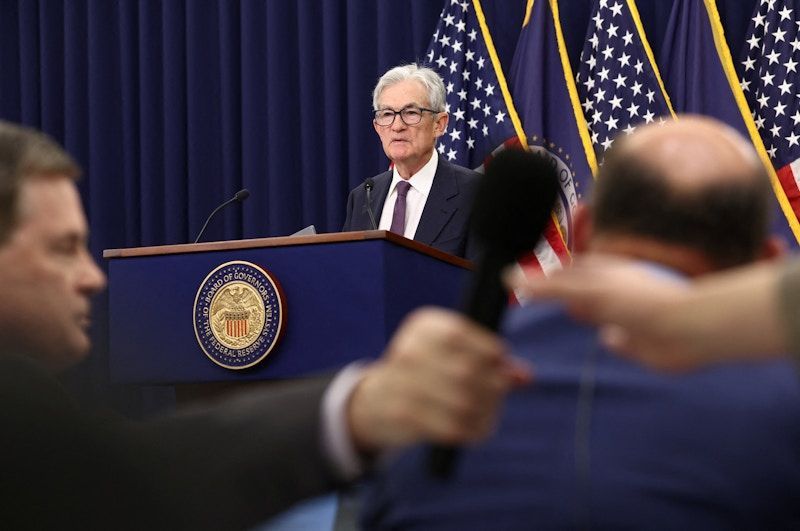
Fed's Powell says he'll stay on as governor after term as chair ends - as it happened


Powell said he'll be staying on the Fed Board of Governors after his term as chair ends in May.

He said his choice reflects his concern over a series of legal attacks on the Fed.

"I worry that these attacks are battering the institution and putting at risk the thing that really matters to the public, which is the ability to conduct monetary policy without taking into consideration political factors," he said...
The front of an aldi store with a sign in front of it.


Tariff refund portal opens; some retailers may be due billions

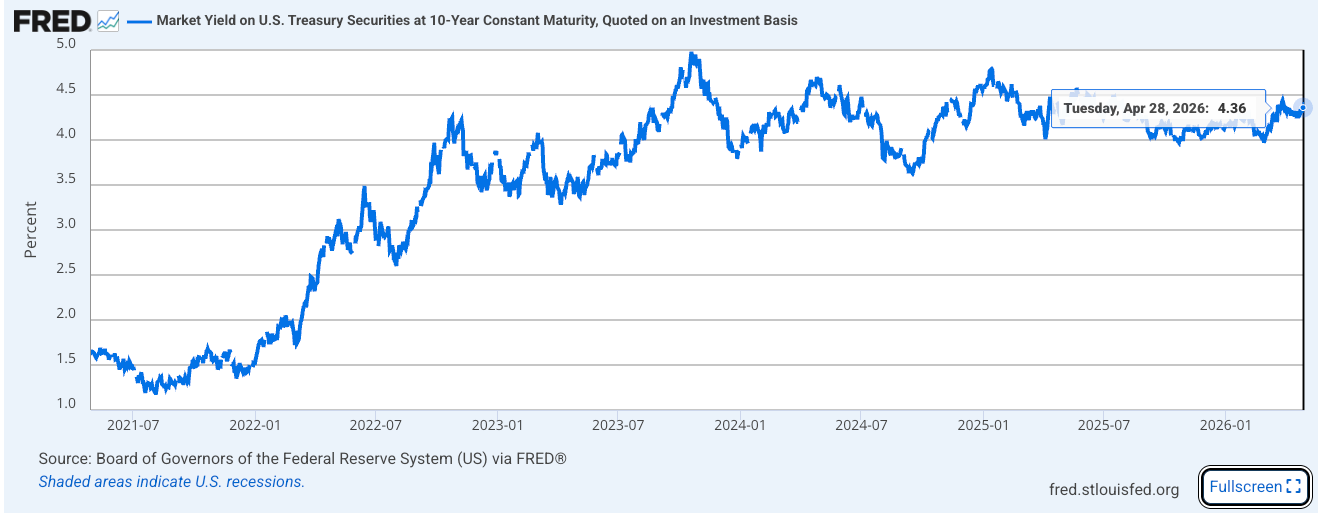
The 10-year yield rose 0.017 percentage point to 4.352% today. The price fell 4/32 to 98 6/32.

--Yield is up for two consecutive trading days

--Yield is up 0.044 percentage point over the last two trading days

--Largest two-day yield gain since Wednesday, April 22, 2026

--Yield is up eight of the past 10 trading days

--Today's yield is the fifth highest this year

--Highest yield since Friday, March 27, 2026,...
An elevated outdoor view of a modern shopping mall promenade with manicured greenery, palm trees, and pedestrians.

Levi’s, Whole Foods Market among ‘most trustworthy’ companies in U.S.

Some retailers score better than others when it comes to being trusted by comsumers.

Brands that have earned a high degree of trust among consumers are highlighted in Newsweek’s “Most Trustworthy Companies in America 2026” report. The annual study, conducted in partnership with Statista, ranks companies based on trustworthiness. (See end of article for top 20 companies.)

Newsweek noted that while trust is a corporation’s most prized possession, it’s an intangible quality that remains “notoriously difficult to quantify...”

The American flag waves against a bright blue sky between towering glass skyscrapers, viewed from a low angle.

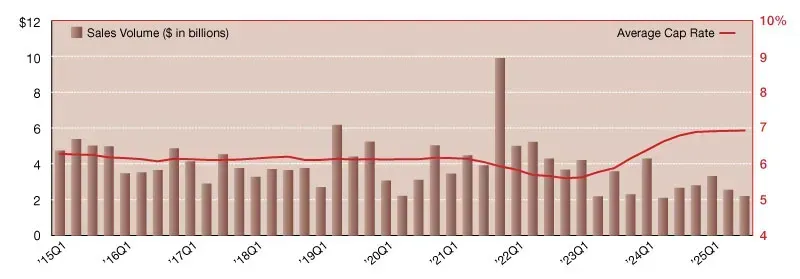
2025 Retail Net Lease Sales Volumes and Cap Rates


The single-tenant retail sector posted $2.2B in third-quarter sales volume, down 13.5 percent from the second quarter and nearly 17 percent year-over-year. Cap rates recorded slight upward pressure, rising 1 basis point to 6.93 percent, and by 13 basis points year-over-year.

The Southeast region dominated transaction activity in the third quarter, recording $653.7 million in volume and accounting for 29.7 percent of the total. The West followed with $430.9 million, representing 19.6 percent of overall volume. The Southwest ranked third with $373.3 million, or 16.9 percent, while the Northeast recorded $361.0 million, representing 16.4 percent. The Midwest contributed $261.3 million, or 11.9 percent of total volume, and the Mid-Atlantic region trailed with $123.2 million, accounting for 5.6 percent...
A flat, single-story retail building with a

Two more big brands leave the Promenade

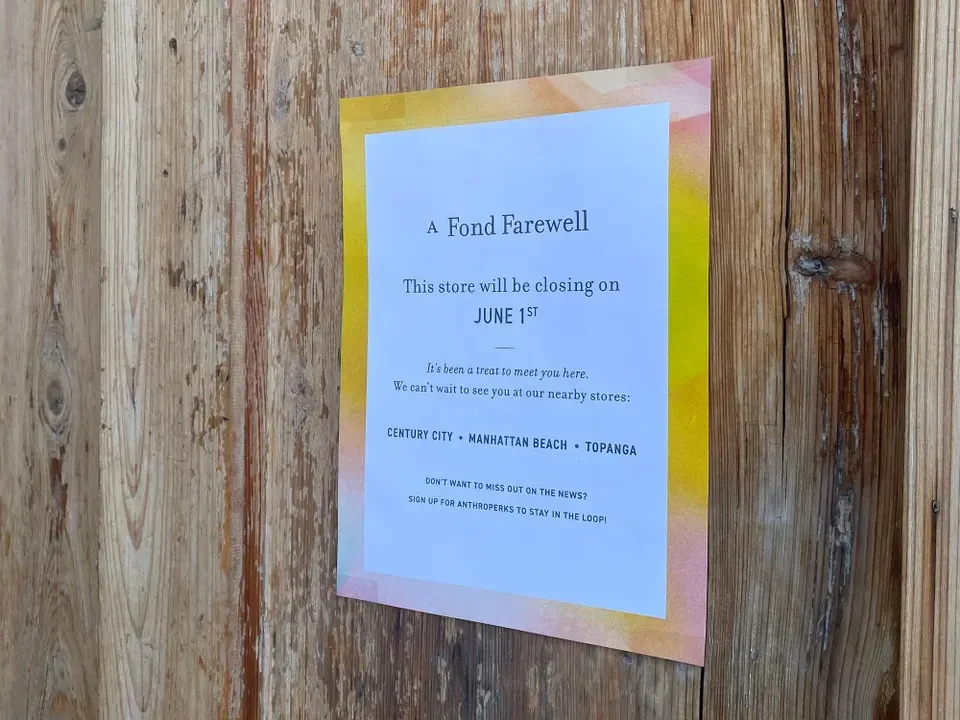
Doc Martens and It's Sugar have closed their locations on the Third Street Promenade contributing to the 30% vacancy rate on the City’s flagship economic street, even as officials point to millions of dollars in revitalization investments and a wave of new tenants preparing to open their doors.


The departures add to a growing list of vacancies on a street that has struggled to regain its footing since the pandemic. The closures of the Misfit and Anthropologie prompted community debate while the replacement of the Britannia with Taco Bell has also generated significant conversation...
The main entrance of the NuHAA building, featuring a modern glass and stone facade, at sunset.

Luxury Retailers Cluster Around Three Cities and Stay There


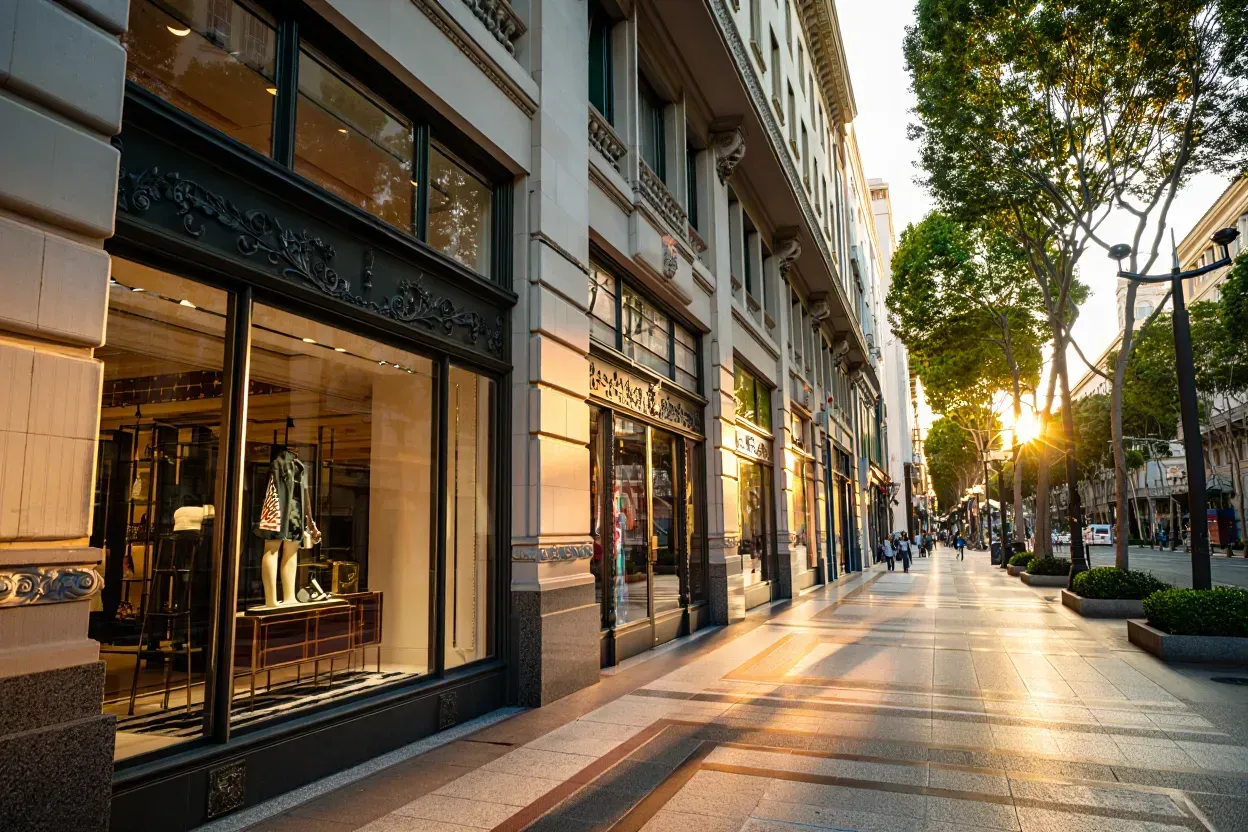
Bisnow reports that amid a sector-wide slowdown, luxury retailers are consolidating their presence in just three US cities: New York, Los Angeles, and Miami. After years of expansion into secondary markets, declining revenues and an uncertain economic outlook have prompted leading brands to double down on established, high-traffic corridors.

According to JLL, Rodeo Drive, Madison Avenue, Fifth Avenue, Bal Harbour, and the Miami Design District represented 80% of luxury retail openings in 2025. These locations continue to attract brands seeking proximity to wealthy shoppers and solid brand recognition...
A modern two-story commercial office building with a stone-accented entrance at dusk, seen from a paved parking lot.

Fifth Third's new Texas flagship sets tone for $700 million expansion


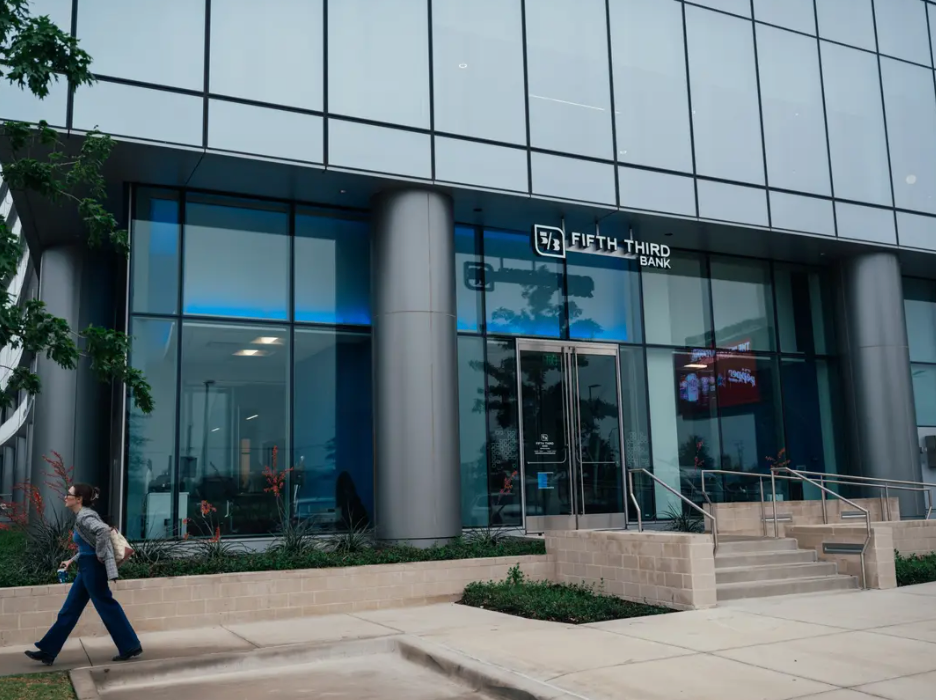
Financial services firm Fifth Third Bancorp is going big when it comes to real estate in Texas as part of its planned $700 million expansion, looking to attract new customers after its nearly $11 billion acquisition of Dallas-based Comerica Bank.

The Cincinnati-based bank opened its first retail financial center in Texas on the ground floor of an office building in Frisco, Texas, a northern suburb of Dallas. Fifth Third also has three floors of office space at the building at 17 Cowboys Way that it inherited as part of the Comerica deal...
A green Publix Food & Pharmacy sign mounted on a white and beige building exterior against a blue sky.

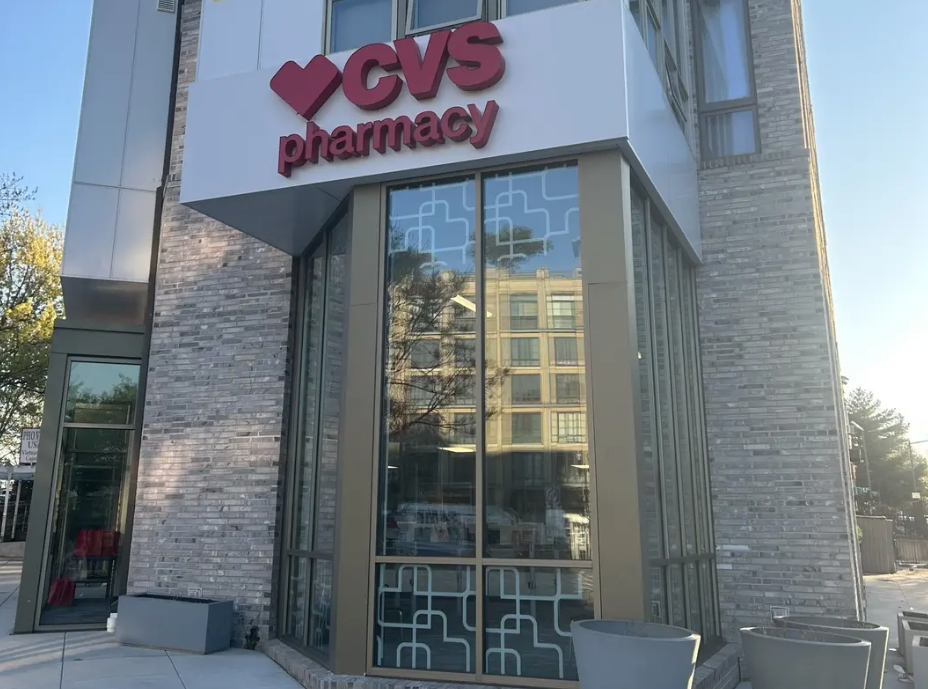
CVS expands national rollout of pharmacy-only stores to DC

CVS says it is planning several pharmacy-only locations across the country this year — including one that just opened in Washington, D.C. — as the nation's largest drug store chain works to improve customer access to medications.

The Woonsocket, Rhode Island-based retailer opened its D.C. location at 3701 New Hampshire Ave. NW. The store is open seven days a week on the ground floor of the multifamily building Modo Apartments...
Two bundt cakes on small plates: one with chocolate drizzle, one with caramel drizzle, with cinnamon sticks nearby.

Retail Real Estate Gets Smaller and More Selective in 2026

Retail Real Estate Adapts to New Tenant Demands


Retail real estate is experiencing a reset as tenants pivot to smaller, more efficient stores, especially in sought-after locations. According to Globe St, landlords are responding by investing in subdividing larger spaces to accommodate the shift, often creating flexible layouts that support the growing demand for multiple small units over single large ones...
Interior of a casual restaurant featuring blue chairs, red accents, brick walls, and a

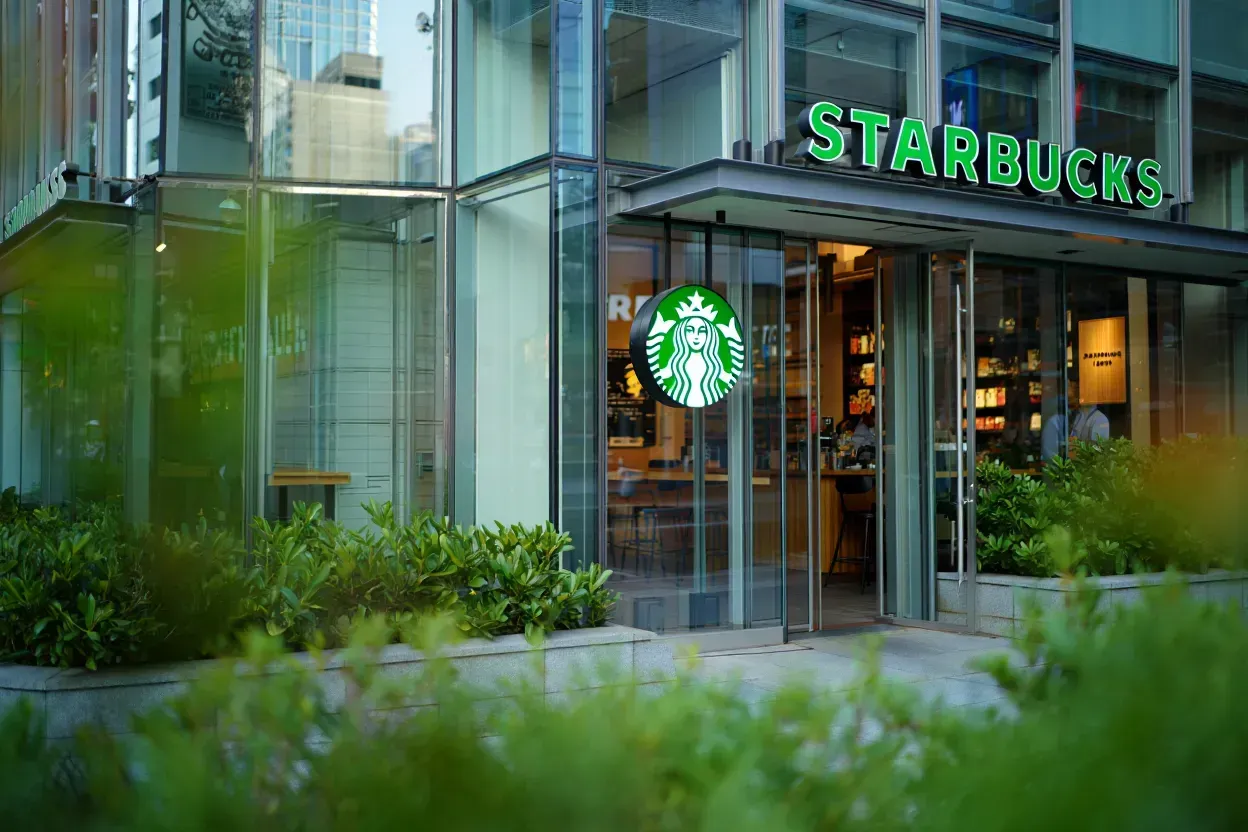
Store Expansion Puts Starbucks Back in Growth Mode for 2026

CoStar reports that Starbucks posted its first quarterly earnings growth in over two years, signaling momentum in its ongoing turnaround. The company resumed store expansion, ending its fiscal Q2 with 41,129 global cafes, including nearly 17,000 in the US and almost 8,000 in China.

The brand aims to open 650 stores worldwide in 2026, continuing a rebound after last year’s closures and layoffs. US expansion is expected to add 150 to 175 company-owned locations, while international regions will see 450 to 500 new cafes...
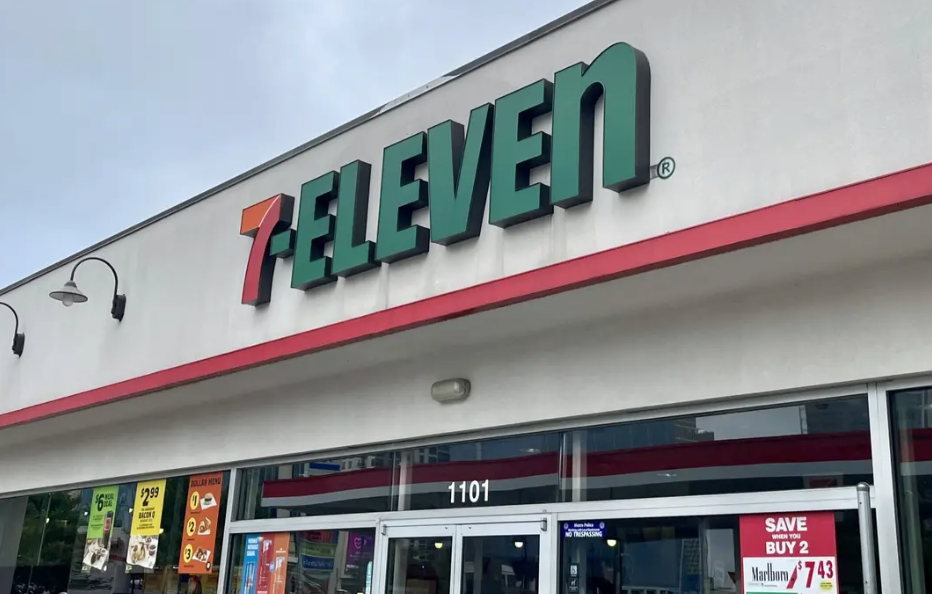
7-Eleven to renovate, expand thousands of North American stores


7-Eleven, the world’s largest convenience store chain, is accelerating its strategy to boost food and beverage sales with a new initiative to renovate thousands of stores to make room for bigger kitchens and coolers to hold chilled food and drinks.

7-Eleven said it is planning to expand and modernize about 7,000 stores in North America by 2030. It’s an addition to a previously announced plan to open 1,300 new stores in the U.S., Canada and Mexico by 2030. 7-Eleven did not provide a cost estimate for the renovation initiative and did not identify the stores slated for upgrades...


By Marc Perlof June 12, 2026
Inflation tops 4% for the first time in 3 years on spike in gasoline prices Soaring gasoline prices, triggered by the U.S. war with Iran, have pushed inflation to its highest level in more than three years. A report from the Labor Department on Wednesday showed consumer prices in May were up 4.2% from a year ago. That's the biggest annual increase since April of 2023. By contrast, the Labor Department says average wages have risen only 3.4% over the last year, so workers' real spending power has declined...
By Marc Perlof June 8, 2026
By Marc Perlof | MarcRetailGuy CA #01489206 June 8, 2026 If you own retail real estate, here’s what just changed for you. Most retail properties do not lose value because of the original asking price. They lose value because owners misread buyer behavior after the property hits the market and react emotionally instead of strategically. In uncertain markets, correctly interpreting buyer feedback often matters more than the initial pricing itself. In the previous article, “How to Price Retail Property in an Uncertain Market,” we discussed how changing market conditions are affecting retail property pricing and buyer behavior across today’s market. What Changed What changes after your property hits the market? Once a retail property hits the market, the focus shifts from pricing strategy to market interpretation. Owners are no longer trying to predict value. They are now trying to understand how buyers are responding to the opportunity in real time. Some buyers move slowly even when they like the deal. Others negotiate aggressively just to create leverage. Some disappear completely while they review financing, compare other opportunities, or wait for more market clarity. This creates confusion for many retail property owners. Weak activity can feel like rejection even when some buyers still have interest. At the same time, activity alone does not always mean the pricing is correct. Why It Matters Why are the first 30 to 60 days so important? The first 30 to 60 days on the market usually provide the clearest signal. That is when buyers pay the closest attention to a new listing and when your property has the most visibility. If there are no offers, buyers may believe pricing is unrealistic or the property does not compare well to other opportunities. If buyers are showing interest but not making offers, the issue may involve tenant concerns, future expenses, lease structure, financing assumptions, or how the opportunity is being presented. Does a low offer mean your price is wrong? Not always. Sophisticated buyers often test seller confidence by negotiating aggressively even when they believe the property is attractive. This is especially important when multiple buyers remain engaged. Continued interest, requests for information, and active discussions often show that buyers still see value, even if they are trying to push pricing lower. Does buyer activity always mean your pricing is correct? No. Not all activity is good activity. A property attracting only unrealistic offers, unqualified buyers, or bargain hunters may indicate the wrong buyer pool is being targeted. That does not always mean the property is overpriced. It may mean the property is being marketed to the wrong audience or positioned in the wrong way. Long periods on the market can also create seller fatigue. Owners often become frustrated after months of uncertainty and begin making reactive decisions instead of strategic ones. That can lead to unnecessary price reductions, weaker leverage, and poor negotiation outcomes. Strategic Advice for Retail Property Owners How do you know if the issue is price or marketing? Start by looking at the quality of buyer activity. The goal is not simply generating attention. The goal is attracting qualified buyers who understand the property and have the ability to close. Before making major pricing adjustments, evaluate whether the issue may involve marketing and positioning instead of pricing itself. Weak marketing materials, poor presentation, limited buyer outreach, or failing to communicate the strengths of the property can reduce activity even when pricing is reasonable. When should you hold firm? You may be able to hold firm when multiple qualified buyers are still engaged, reviewing information, touring, or negotiating. Aggressive buyer comments do not always mean your price is wrong. Sometimes buyers are simply trying to improve their position. When should you adjust? You should consider adjusting when qualified buyers consistently identify the same concerns about pricing, lease risk, expenses, or future income stability. Repeated feedback from serious buyers should not be ignored. The key is responding strategically instead of emotionally. Waiting too long can weaken leverage, but overreacting too quickly can leave money on the table. Successful sellers protect leverage, maintain momentum, and keep the right buyers engaged throughout the process. Real Deal Insight We are seeing retail properties lose leverage not because the assets are weak, but because sellers either ignore legitimate market feedback or overreact to temporary uncertainty. Owner Self-Assessment If buyers are not moving forward on your property, are they rejecting the opportunity itself or are they negotiating strategically to improve their position? If your property is not generating the activity you expected, reach out directly. I will help you determine whether the issue is pricing, positioning, buyer targeting, lease structure, future expenses, or negotiation strategy before unnecessary value is lost. Are you interpreting buyer behavior correctly or reacting emotionally to uncertainty? In the next article, “How to Price Retail Property in a Buyer’s Market,” we will discuss how pricing strategy changes further when buyers gain more leverage and begin underwriting deals much more conservatively. Based in Los Angeles. Serving Southern California. Active across California. Advising clients nationwide. #RetailRealEstate #CommercialRealEstate #NNN #InvestmentSales #ShoppingCenters #StripCenters #CapRates #LosAngelesCRE #RetailProperty
By Marc Perlof June 5, 2026
White House Cuts Construction Equipment Tariffs To 15% The Trump administration is dropping tariffs on a range of construction equipment from 25% to 15%, effective June 8, per Bisnow. The measure applies to imports incorporating aluminum, steel, and copper—covering categories like forklifts and residential HVAC systems. The new rates are slated to run through the end of 2027, according to a presidential proclamation released Monday. Some foreign-made products with at least 85% US-sourced steel or aluminum will qualify for an even lower 10% tariff. The stated aim: alleviate cost pressure and stimulate activity in US industrial, construction, and logistics sectors, all challenged by elevated materials pricing and global supply chain stress...
More Posts