Weekly Perl: A Commercial Real Estate News Recap

Marc Perlof • July 24, 2026
A banner for weekly commercial real estate news recap
A car is parked in front of a sign that says 223

10-Year Treasury Yield Rises to 4.628% — Data Talk

The 10-year yield rose 0.030 percentage point to 4.628% today. The price fell 7/32 to 98 1/32.


--Yield is up for two consecutive trading days


--Yield is up 0.085 percentage point over the last two trading days


--Largest two-day yield gain since Wednesday, July 8, 2026


--Yield is up three of the past four trading days


--Today's yield is the second highest this year


--Highest yield since Tuesday, May 19, 2026...

The front of an aldi store with a sign in front of it.

Why US Consumers Are Still Spending Despite Inflation

Barbara Kahn, professor of marketing at the Wharton School, explains why retail sales remain resilient despite inflation and economic uncertainty. She explores the growing demand for value, wellness, and memorable experiences, the challenges facing aspirational luxury brands, and the uneven performance of shopping malls. Kahn also discusses how retailers can respond to changing consumer behavior while managing inventory, debt, costs, and expansion
An elevated outdoor view of a modern shopping mall promenade with manicured greenery, palm trees, and pedestrians.

Court OKs Sleep Number sale — deal creates second largest global sleep retailer

Sleep Number Corp. has won bankruptcy court approval for the sale of substantially all its assets and ongoing business operations to Sleep Country Canada.


The deal, which comes five weeks after the mattress and bedding retailer filed for bankruptcy, followed a competitive, court-supervised sale process. Expected to close by July 31, the transaction positions Sleep Country and its brands second largest sleep retailer in the world...


The American flag waves against a bright blue sky between towering glass skyscrapers, viewed from a low angle.

Claw arcades snatch up retail space as US popularity grows


The claw machine, the blinking arcade fixture known for swallowing quarters and seldom surrendering a prize, is making a comeback — and in a surprisingly big way.

Claw-machine arcades are grabbing up U.S. retail space, expanding from niche storefronts in Asian shopping districts into malls and shopping centers. Chains are franchising, signing leases with big landlords and opening locations coast to coast, including recent debuts at Simon Property Group and Unibail-Rodamco-Westfield properties and at the Mall of America in Minnesota...
A flat, single-story retail building with a

US Retail Rent Growth Slows to Decade Low in Q2

Retail Rent Gains Lose Momentum


US retail landlords are seeing rent growth finally cool off after a string of strong quarters. Chain Store Age reports that according to CoStar Group, national retail asking rent growth slowed to 1.6% year-over-year in Q2 2026. That’s down from 1.9% in Q1 and represents the slowest pace of growth the sector has seen in over a decade. The average national asking rent sits at roughly $22.00 PSF, based on CoStar’s latest research...
The main entrance of the NuHAA building, featuring a modern glass and stone facade, at sunset.

Verizon To Sell 274 Stores, Cut 500 Office Jobs In Restructuring


Restructuring Accelerates After Job Cuts and Closures


Bisnow reports that Verizon’s decision to offload 274 stores and eliminate 500 more office jobs is the latest step in a multi-phase overhaul, according to Reuters and The Wall Street Journal. The wireless giant started downsizing operations after CEO Dan Schulman’s November round of 13,000 layoffs—its largest ever—shortly after he took the top spot. These efforts are part of a strategy to refresh the company’s business model and focus on profitability, particularly in a challenging retail environment...
A green Publix Food & Pharmacy sign mounted on a white and beige building exterior against a blue sky.

Ross Stores expands footprint with nearly 50 June, July store openings


Ross Stores Inc. kicked off the summer by expanding its network of stores – with more on the way.

The off-price retailer opened 47 new stores nationwide during June and July, including 35 Ross Dress for Less and 12 DD’s Discount locations across 15 states and territories (see full list of new stores at end of article). With these new openings, the company says it is on track to open approximately 110 stores this year...
Harris Teeter grocery store entrance with green “Your Neighborhood Food Market” sign above brick facade

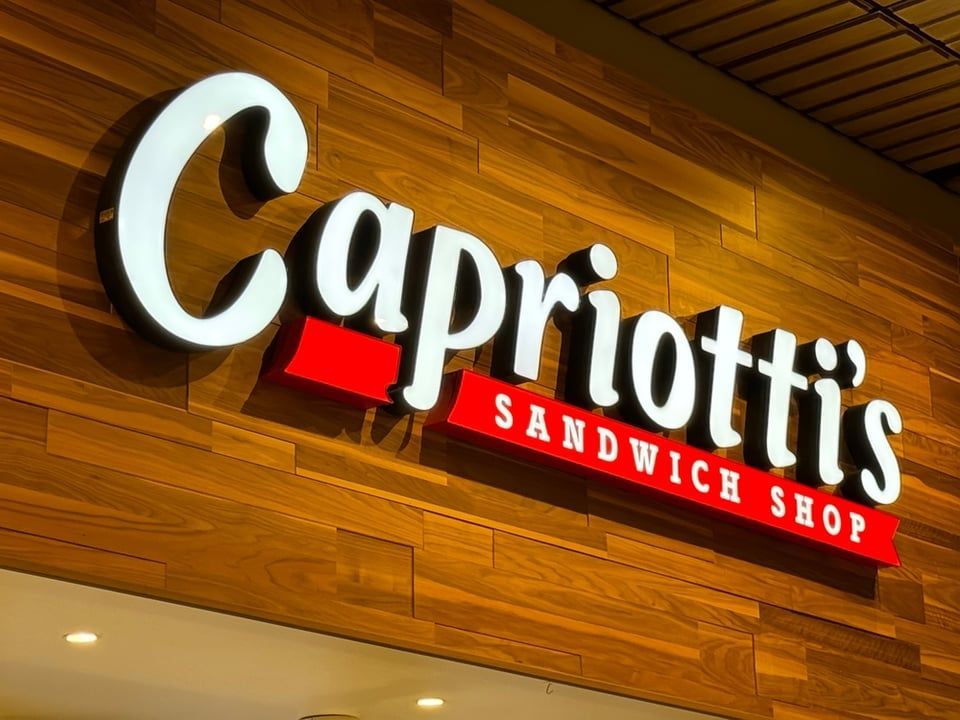
Capriotti's opens 12 new locations with more added to pipeline


A Las Vegas-based fast-casual sandwich chain is highlighting ongoing expansion during its 50th anniversary year.

Capriotti’s Sandwich Shop has opened 12 new restaurants at the halfway point of 2026, in addition to awarding development rights for 30 additional locations. The new development activity has introduced Capriotti's into several new markets, including Lake County, Ill.; Killeen, Texas; Tempe, Ariz.; Southern Utah; Charleston, S.C.; and Fort Wayne, Ind...

Suncoast shopping center exterior with storefronts and parking lot at dusk

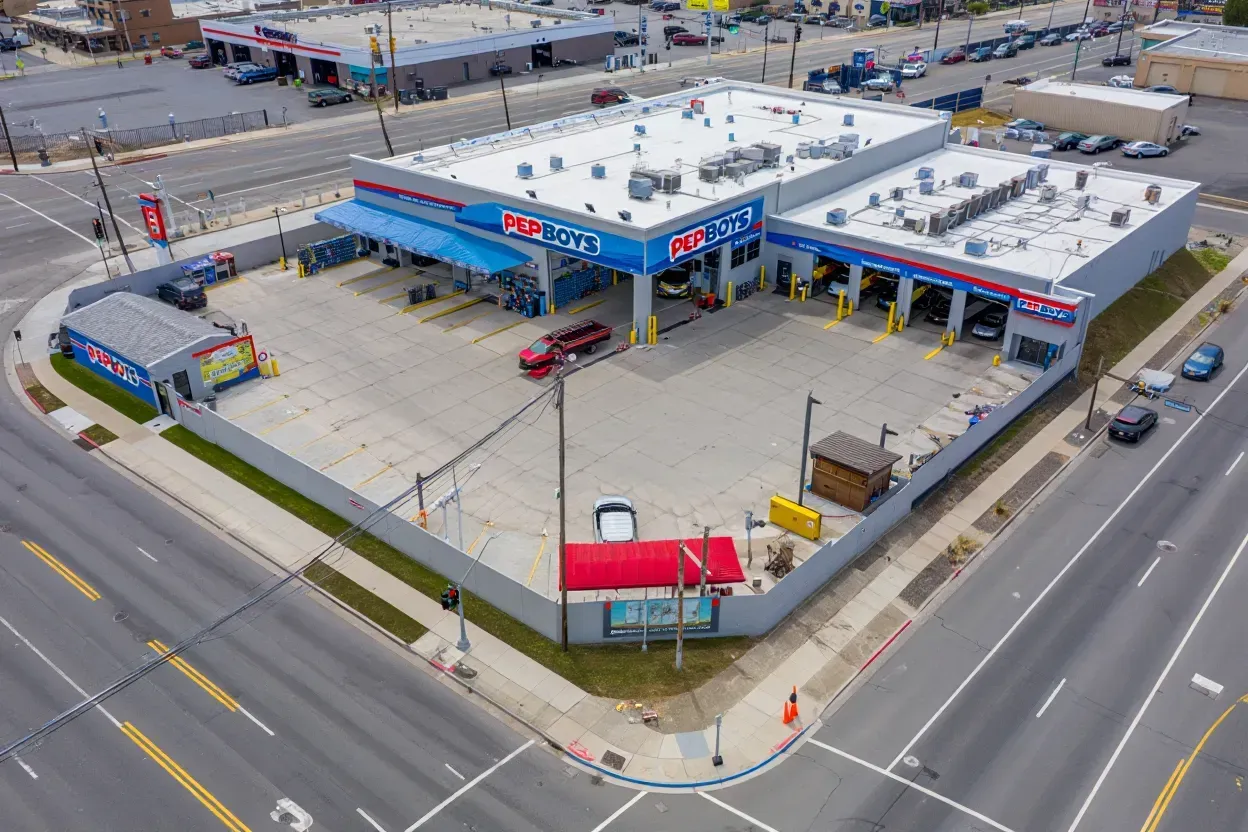
Icahn Sells Pep Boys Chain, Holds Real Estate in $700M Deal


Real Estate at the Center of the Deal


Carl Icahn’s latest move highlights the divide between operational and real estate value in the automotive sector. According to CoStar News, Icahn Enterprises agreed to sell Pep Boys to Mavis Tire Express Services for $700M in cash. However, Icahn will retain more than 700 owned and leased properties across the US. By selling only the operations, Icahn keeps control of the valuable real estate supporting Pep Boys locations...


By Marc Perlof September 7, 2026
By Marc Perlof | @MarcRetailGuy CA #01489206 September 7, 2026 If you own retail real estate, here’s what just changed for you. Why ADA Risk Matters Americans with Disabilities Act (ADA) risk can affect a retail property owner even when the tenant operates the business. For California retail properties, accessibility issues can lead to lawsuits, settlements, Certified Access Specialist (CASp) reports, repair obligations, lease disputes, buyer concerns, and lower property value if the risk is not managed. The biggest issue is not always the cost of the repair. The bigger issue is uncertainty. Buyers, tenants, lenders, and attorneys may use unresolved ADA concerns to ask for credits, repairs, holdbacks, price reductions, or stronger lease protections. For retail owners, the goal is simple: understand the risk before a lawsuit, tenant, buyer, or lender uses it against you. Why ADA Risk Matters to Retail Property Owners Most retail property owners do not think about ADA risk until something creates pressure. That may be a lawsuit, a tenant complaint, a buyer question during due diligence, a lender request, a CASp inspection, or a repair demand. By that point, the owner is usually reacting instead of controlling the issue. This matters because ADA risk is not only a legal issue. It is also an ownership, leasing, and value issue. A retail owner may face legal costs, settlement costs, repair costs, tenant conflict, delayed closings, buyer discounts, or disclosure concerns. This year, I saw ADA issues come up on separate retail properties. Once the claims surfaced, the owners had to deal with attorneys, settlement discussions, CASp reports, and property updates. That is when ADA risk stopped being theoretical. It became a real ownership issue with real costs, real deadlines, and real value impact. The mistake many owners make is assuming the tenant is responsible for everything. That may or may not be true. The lease matters. The property condition matters. The location of the issue matters. The type of tenant matters. The owner’s control over common areas matters. The history of prior improvements also matters. In other words, ADA risk is not always simple. What ADA Risk Looks Like in a Retail Property Retail properties are exposed because customers use the property in many ways. They park, walk to the business, enter the space, move through the property, use restrooms, approach counters, and sit in dining or waiting areas. Accessibility issues may involve parking stalls, access aisles, paths of travel, ramps, sidewalks, entrances, doors, restrooms, service counters, signage, slopes, seating areas, or common areas. Some issues may be inside the tenant’s premises. Other issues may be in areas controlled by the landlord. Some may involve shared areas used by multiple tenants. Some may have existed for years without a complaint. That does not always mean the issue goes away. For owners, the practical questions are: What accessibility issues exist? Who controls the area? Who is responsible under the lease? What can reasonably be corrected? What is the cost? How could this affect value? These are ownership questions, not just legal questions. Is ADA the Tenant’s Responsibility or the Landlord’s Responsibility? This is one of the biggest questions retail owners ask. The honest answer is: it depends. A tenant may be responsible for its own operations, furniture layout, fixtures, counters, interior improvements, and customer service areas. But a landlord may still have exposure, especially if the issue involves the property itself or common areas controlled by the owner. This is why the lease matters. A strong lease should address compliance, maintenance, repairs, alterations, tenant improvements, common areas, indemnity, and legal claims. But even a strong lease may not stop a claim from being made against the owner. The lease may help determine who pays, but it may not prevent the owner from being pulled into the issue. The tenant may operate the business, but the owner still owns the property. How ADA Risk Can Affect Retail Property Value ADA risk affects value because buyers do not only underwrite income. They also underwrite risk. A buyer looking at a retail property may ask whether there have been ADA lawsuits, settlements, CASp reports, unresolved repairs, tenant complaints, or prior accessibility claims. They may also ask whether the property has accessible parking, a clear path of travel, proper signage, accessible entrances, and restrooms that fit the tenant use. If the answers are unclear, the buyer may price in uncertainty. That can reduce value. The repair cost may be manageable. The uncertainty may not be. A buyer may not know whether the issue costs $10,000, $50,000, or $150,000. When buyers do not know the number, they often assume a larger number to protect themselves. That is how a repair issue becomes a pricing issue. A buyer may ask for a price reduction, repair credit, escrow holdback, longer due diligence period, legal review, updated reports, or stronger seller representations. In some cases, the buyer may use the issue to renegotiate the deal. In other cases, the buyer may decide the risk is not worth it. This is the “so what” for the property owner. Unmanaged ADA risk can reduce leverage. Reduced leverage can reduce value. How ADA Risk Can Affect Leasing ADA issues can also affect leasing. A new tenant may require accessibility improvements before opening. A franchise tenant may have stricter standards. A restaurant may care about parking, seating, restrooms, service counters, and path of travel. A medical or dental tenant may care even more because patients may include older customers or people with mobility limitations. If the property has unresolved accessibility issues, the tenant may ask for landlord work, tenant improvement money, free rent, rent reductions, a longer due diligence period, or lease protections. The owner may still complete the lease. But the deal may become more expensive. That affects Net Operating Income (NOI). If NOI is reduced, value may be reduced. What Retail Property Owners Should Do Retail owners should not panic. They should get organized. Review the areas customers actually use. This may include parking, access aisles, paths of travel, entrances, doors, ramps, restrooms, counters, signage, and common areas. Review the lease. The owner should understand who is responsible for compliance, repairs, common areas, tenant improvements, legal claims, and indemnity. Consider whether a CASp inspection makes sense. This may be especially important before a sale, refinance, major lease negotiation, tenant turnover, or if there are obvious access issues at the property. Get proper legal and accessibility guidance. ADA and California accessibility claims can be technical. Owners should not rely only on guesses, tenant comments, broker opinions, or internet searches. Think about value. The question is not only, “What will this cost to fix?” The better question is, “What could this cost if it shows up during a lawsuit, lease negotiation, refinance, or sale?” Being proactive is smart, but it should be done carefully. Owners should not rush into inspections, written statements, or repairs without first speaking with an ADA attorney and a qualified accessibility professional. The goal is not to create a report with no action plan. The goal is to understand the risk and make controlled decisions. Final Thought ADA risk is not just a tenant problem. It can affect the owner, the lease, the tenant relationship, the buyer pool, the sale process, and the value of the asset. For retail property owners, the goal is not fear. The goal is control. If the owner understands the issue early, the owner can plan, budget, negotiate, repair, disclose, or address the risk before someone else uses it as leverage. If you own a retail property with public access, I can help you review how ADA risk may affect leasing, buyer questions, and future sale value before it becomes a negotiation problem. In the next week’s blog, “CASp Reports and Retail Property Value: What California Owners Should Know,” we will discuss what a CASp report can reveal, why timing matters, and how knowing the issues early can help protect a retail property owner’s leverage. Based in Los Angeles. Serving Southern California. Active across California. Advising clients nationwide. #RetailRealEstate #CommercialRealEstate #CaliforniaRealEstate #RetailPropertyOwners #ADACompliance #CASp #PropertyValue #CommercialProperty #MarcRetailGuy
By Marc Perlof September 4, 2026
Global bond yields fall after Fed governor says he may back holding rates steady Bond yields around the world fell Thursday, after Federal Reserve board of governors member Christopher Waller said he would support holding interest rates steady if economic conditions warrant it. “If there is continued progress toward our 2 percent goal, then I am willing to support holding the policy rate at its current level,” Waller said Thursday at the Reuters NEXT Newsmaker event in Washington, D.C...
By Marc Perlof August 28, 2026
Fed’s preferred inflation gauge shows core prices rose 3.3% annually in July Prices consumers pay for a variety of goods and services rose slightly in July, according to the Federal Reserve’s main inflation gauge.  The personal consumption expenditures price index, which the Fed uses as its preferred forecasting tool, increased a seasonally adjusted 0.2% for the month, putting the annual inflation rate at 3.7%, the Commerce Department reported Wednesday. Both were 0.1 percentage point above the Dow Jones consensus...
More Posts