Weekly Perl: A Commercial Real Estate News Recap

Marc Perlof • February 27, 2026
A banner for weekly commercial real estate news recap
A car is parked in front of a sign that says 223

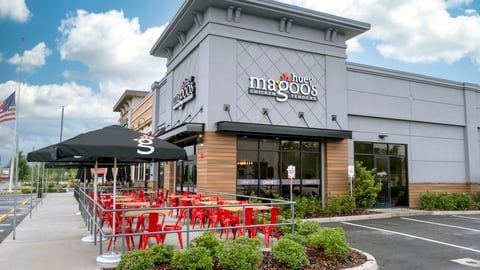
Huey Magoo's to enter Texas, expand Alabama footprint


A growing chicken tender chain is plotting expansion in two Southern states.


Huey Magoo’s has signed a new development agreement totaling 12 restaurants, marking the brand's entry into Texas and expansion in Alabama. The deal includes eight restaurants across the north Dallas market and four in Birmingham, Ala., continuing the chain's nationwide expansion...

The front of an aldi store with a sign in front of it.

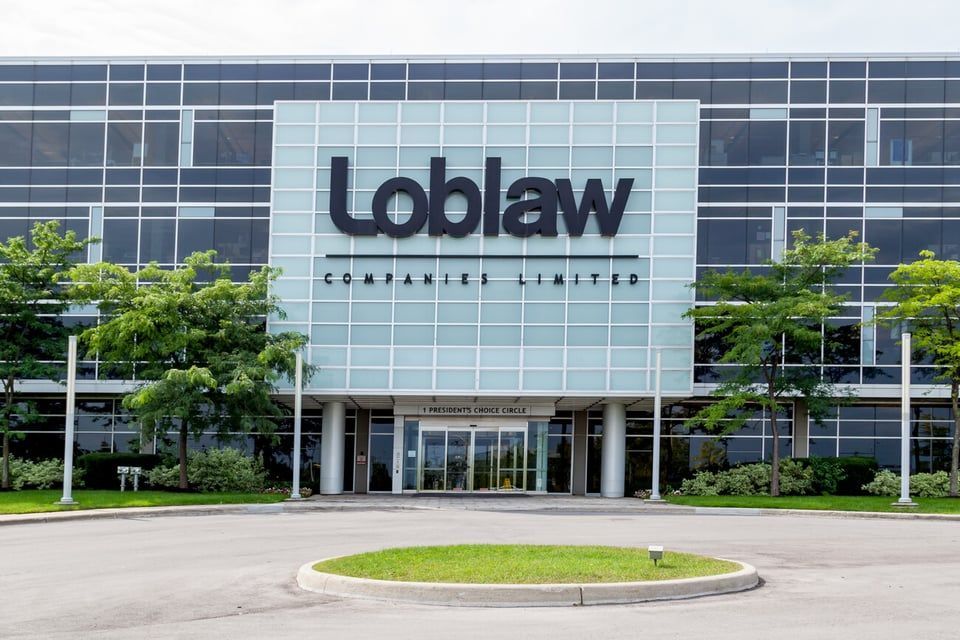
Canada’s Loblaw Companies to open 70 new stores, renovate 191 locations in 2026


Loblaw Companies Limited — one of Canada’s largest retailers — is making big investments in its brick-and-mortar network and supply chain.

The food and pharmacy retailer said it will spend $2.4 billion in 2026 to expand and renovate its store network, enhance its supply chain capabilities and create jobs for people all across Canada. Loblaw will open 70 new stores in 2026, including 34 Shoppers Drug Mart and Pharmaprix pharmacies and care clinics, and 31 “hard discount” No Frills and Maxi stores...
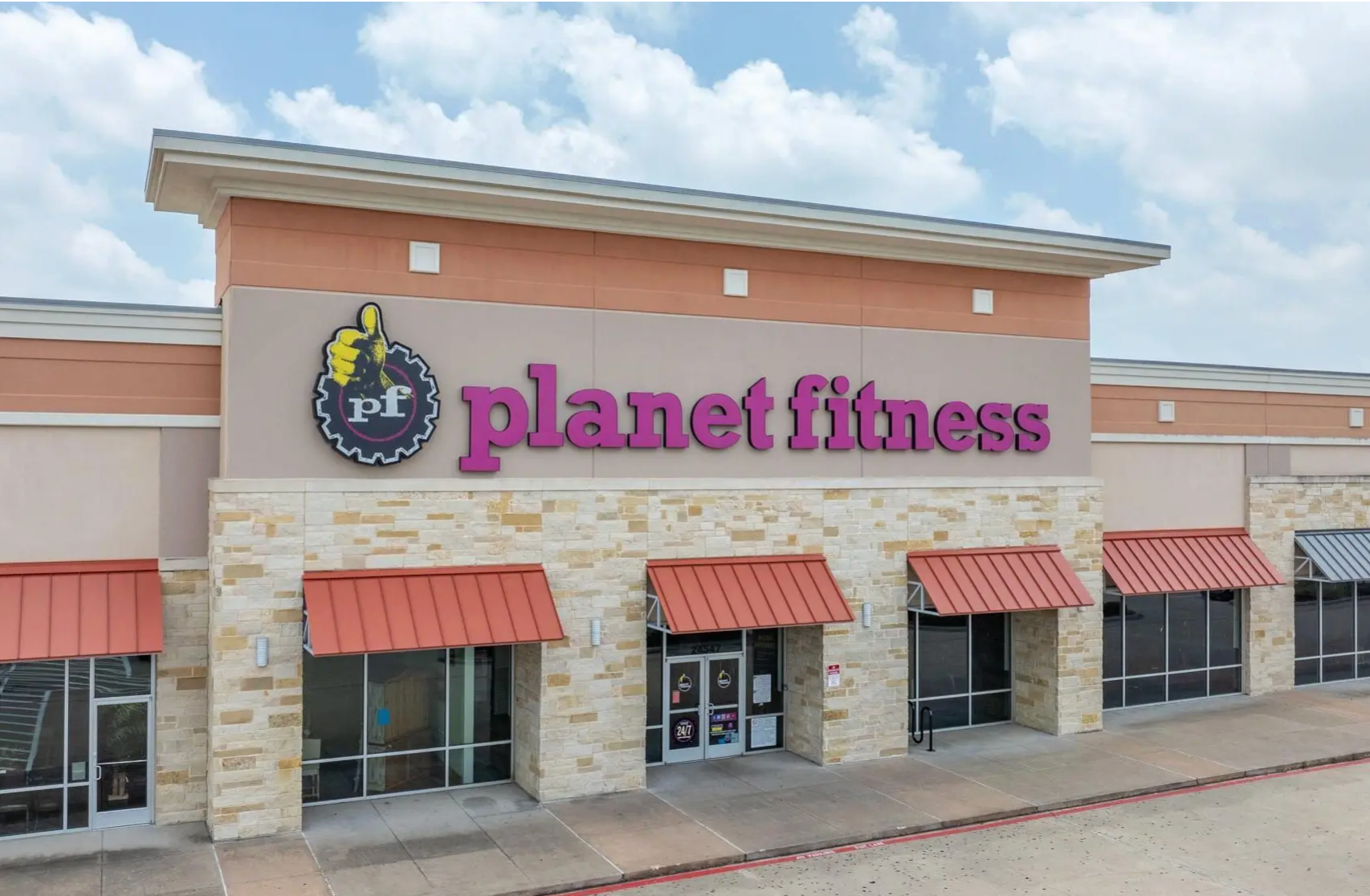

Planet Fitness to bulk up with nearly 200 new clubs this year


Planet Fitness plans to open nearly 200 clubs this year, focusing on space once occupied by struggling retailers and targeting the next generation of fitness enthusiasts for its membership.

The expansion comes as health-conscious Americans are willing to ante up to improve their physiques. The industry has sprung back from the pandemic, when there was a shakeout of gym chains after they were ordered to close their doors during COVID-19 lockdowns...
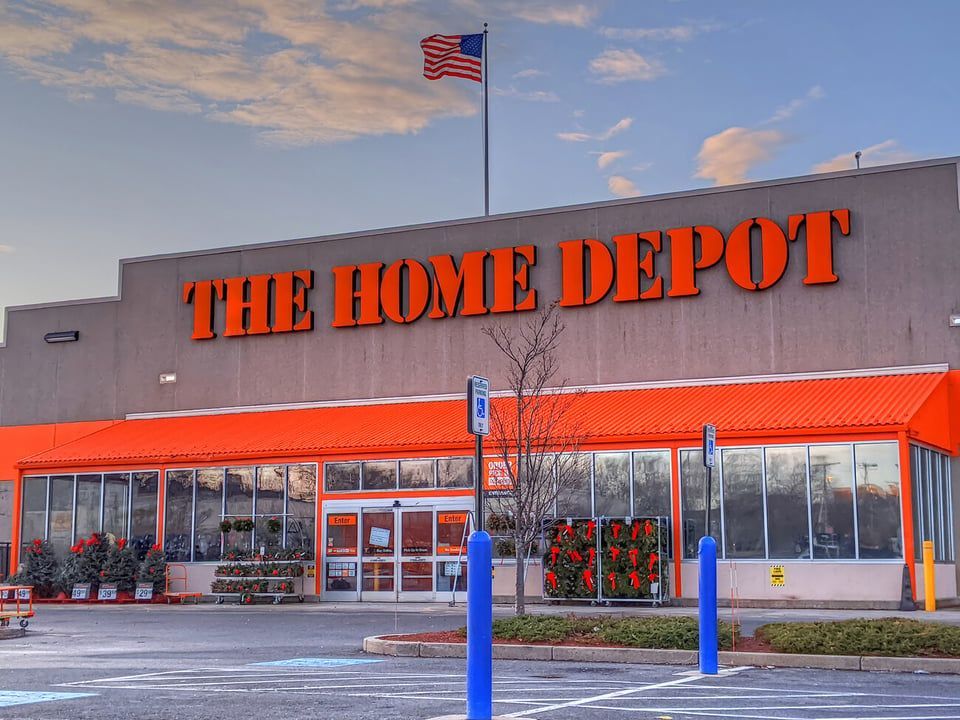
Home Depot Q4 tops estimates; opening 15 stores in 2026

The Home Depot topped Wall Street estimates for the first time in a year in its fourth quarter, but reported a 3.8% sales decline amid a stalled housing market, ongoing economic uncertainty, high mortgage rates and cautious consumers...
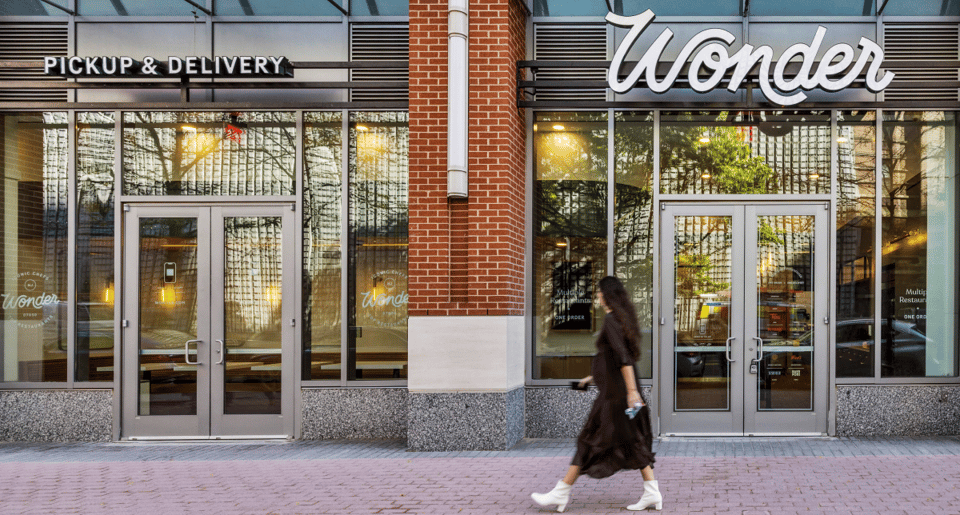
Wonder plans more than 100 Texas locations by end of 2027

The delivery- and pickup-focused restaurant company founded by former Walmart executive Marc Lore is expanding far beyond its Northeast roots.

Wonder announced it will open for business in Texas in 2027, marking its next phase of growth as a multi-region operator...
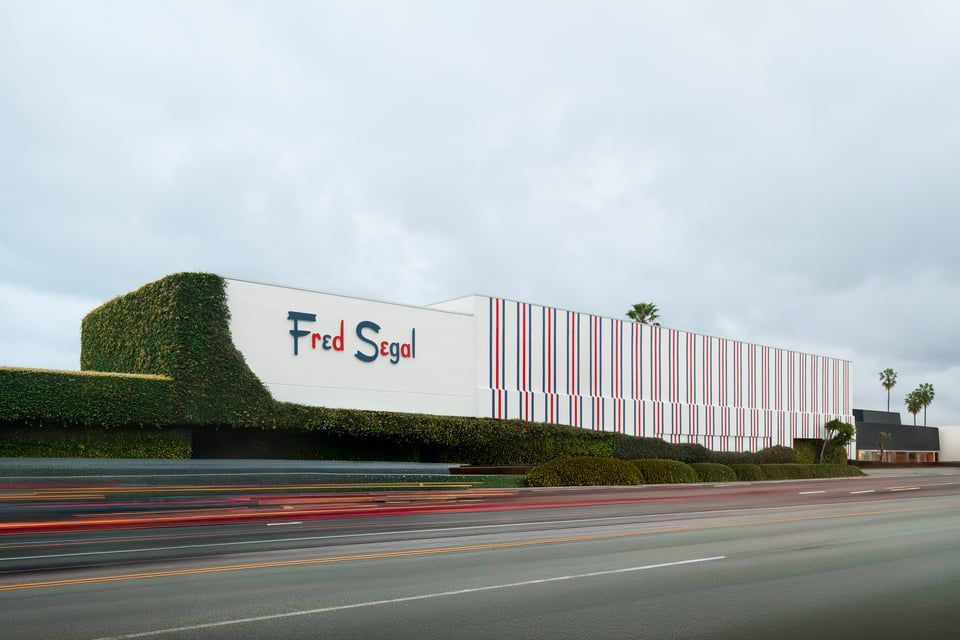
Canada’s Aritzia acquires iconic LA brand Fred Segal


Aritzia continues to move on its long-term strategy to expand in the U.S. 


The Canada-based fashion retailer has acquired the Fred Segal brand and has leased 8100 Melrose Avenue — Fred Segal’s original flagship destination in Los Angeles (West Hollywood). The acquisition includes the Fred Segal brand, including intellectual property and trademarks. The purchase price was not disclosed...
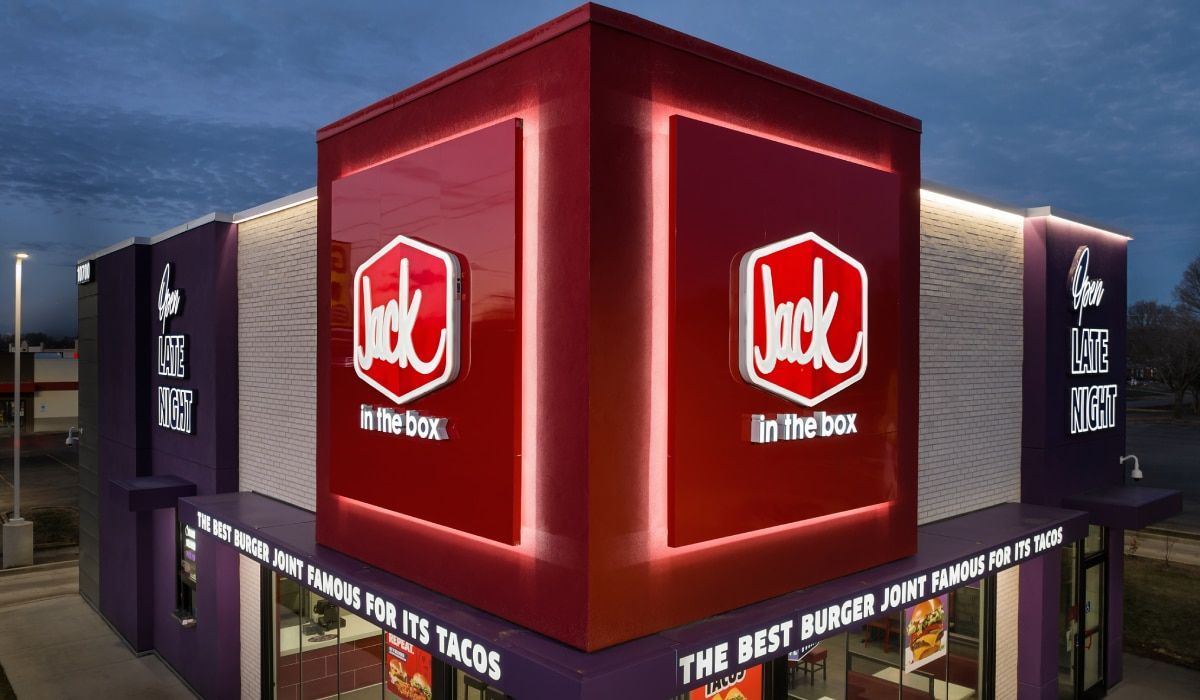
Jack in the Box Targets Stability in 2026 as Value, Operations, and Tech Gain Traction

With Del Taco officially leaving the picture in December, Jack in the Box will now spend the rest of its 2026 fiscal calendar—and beyond—focusing on the core business.


And there is much work to do.

Systemwide same-store sales declined 6.7 percent in Q1 year-over-year, comprising a 7 percent decrease among franchises and a 4.7 percent drop among company-operated stores. The decreases resulted from softer transactions and negative menu mix, partially offset by menu price increases. CEO Lance Tucker attributed the performance gap between company and franchise units to corporate restaurants pricing lower and leaning more into digital promotions...

QSR Cap Rates Steady As Investors Shift to Quality

Globe St reports that the net-lease quick service restaurant (QSR) market 
closed out 2025 with average cap rates almost unchanged at 5.68%, according to B+E’s year-end report. Underneath that steady headline, the market showed a distinct shift: investors favored long-term leases with strong operators, driving tighter yields for top brands and spotlighting concept quality over broad sector movement...

16 Handles Proves Frozen Yogurt Category is Alive and Well


16 Handles CEO Neil Hershman has seen the news on frozen yogurt being a stale category.


He doesn’t entirely disagree. As he says, “Perceptions are based on some level of reality.”

Hershman saw legacy brands maintain the status quo. There was a refusal to evolve, meet cultural shifts, or deploy any engaging marketing. At the same time, they didn’t encourage franchisees to update stores or remain proactive in day-to-day management...
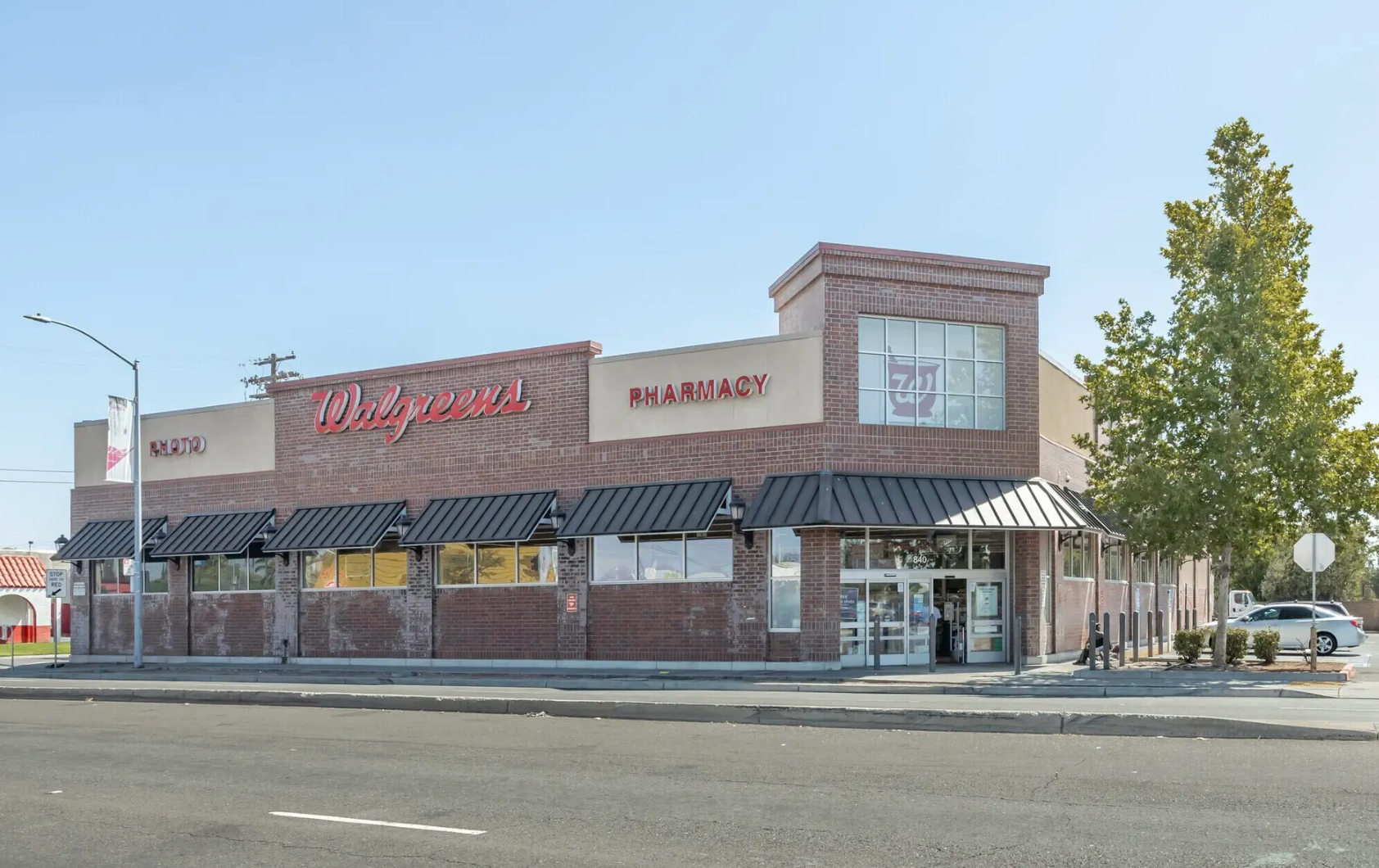
The second life of America’s shuttered pharmacies


The U.S. pharmacy sector is undergoing one of the most significant contractions in modern retail history, reshaping corners, intersections and neighborhood stores nationwide.

Since 2022, the unwinding of pandemic-driven demand and long-standing structural pressures has led to thousands of drugstore closings from the sector’s three primary operators...


By Marc Perlof February 23, 2026
By Marc Perlof | MarcRetailGuy February 23, 2026 If you own retail real estate, here’s what just changed for you. What Happens to Your Property When You’re No Longer Running It? Most mom-and-pop retail owners built their property over decades. You likely handled tenant calls yourself, negotiated leases personally, and made repair decisions without a committee. For many owners, the property is not just an investment. It is a major part of retirement income and family wealth. But here is the question few owners answer clearly: What happens to the property when you are no longer the one making decisions? Legacy Planning Just Shifted Again For several years, owners were told the federal estate tax exemption would drop sharply in 2026 and that they needed to act quickly. That urgency has changed. For estates of decedents who die in 2025, the federal estate and gift tax exemption is $13.99 million per person under IRS guidance¹. Under prior law in the Tax Cuts and Jobs Act of 2017, that higher exemption was scheduled to sunset after December 31, 2025 and revert to a lower level beginning January 1, 2026 if Congress took no action². However, the One Big Beautiful Bill Law, enacted July 4, 2025, prevents that reversion and permanently resets the exemption beginning January 1, 2026³. Starting in 2026, the exemption is $15 million per person, or $30 million for a married couple with proper planning, and it will be indexed for inflation going forward³. The annual gift tax exclusion remains $19,000 per recipient for 2026⁴. This means the expected tax drop is no longer the main threat. But taxes are rarely what hurt families who inherit retail property. What Actually Reduces Value After more than 20 years in retail investment sales and nearly $750 million in closed transactions, I have seen what causes problems for heirs. It is usually operational risk, not tax exposure. Common issues include leases expiring within a few years, major roof or parking lot repairs that were postponed, and no clear decision-maker in the family. Sometimes adult children inherit the property but do not want to manage tenants or deal with capital improvements. In many cases, the children do not even know who the estate attorney, real estate attorney, CPA, tax attorney, ADA specialist, or trusted vendors are. If the contact list for your handyman, plumber, roofer, and HVAC technician only lives in your phone, that is a real operational risk. None of these issues show up in an estate tax calculation. All of them show up in the sale price. Why Timing Matters Interest rates remain much higher than they were during the 2010–2020 period, with the Federal Funds Rate at 3.5%-3.75% to date from the Federal Reserve reporting⁵. Higher borrowing costs reduce buyer purchasing power and can compress pricing when owners consider selling investment property before retirement. At the same time, baby boomers continue to control a significant share of U.S. real estate wealth, and a large intergenerational wealth transfer is underway according to U.S. Census Bureau data⁶. In simple terms, many retail properties will change hands over the next decade. The only question is whether those transitions are planned or forced. What Strong Retail Property Succession Planning Looks Like Retail property succession planning should focus on the asset itself. That means reviewing lease rollover schedules, evaluating tenant credit strength, budgeting realistically for capital repairs, and creating a clear family real estate transition strategy. For some owners, commercial property inheritance planning makes sense because the next generation wants the asset and understands the responsibility. For others, selling investment property before retirement may protect wealth and reduce stress for the family. The right answer depends on lease structure, property condition, and family goals. If you own retail real estate and want a clear evaluation of your lease exposure, capital risk, and transition options, I can help you review it from a real-world retail perspective. Call or DM me for more information or comment “PLAN” if you want a succession checklist. If your largest tenant gave notice tomorrow, would your family know exactly what to do? #RetailRealEstate #CommercialRealEstate #CREBroker #InvestmentProperty #PropertyOwners #SuccessionPlanning #PropertyInheritance #FamilyWealth #NetLease #LosAngelesRealEstate
By Marc Perlof February 20, 2026
This Signal Triggered Before the Last 4 Recessions. It Just Happened Again. The question of whether the U.S. economy is heading toward recession is a polarizing one. On one hand, GDP grew at a 4.4% annualized clip in the third quarter. The unemployment rate is still in the 4% to 5% range. Inflation is still well above the Federal Reserve's target but it's also sustainably below the 3% level...
By Marc Perlof February 16, 2026
By Marc Perlof | MarcRetailGuy February 16, 2026 If you own retail real estate, here’s what just changed for you. Retail Developers: Why Your Deal Dies After You “Win” the Site Winning the site is not the win. Making the numbers work is the win. Today, many retail deals fail after the land is secured. Not because the site is bad. Because the math breaks when the market changes. If you own retail property, you must understand: Retail development underwriting. Retail real estate return on cost. Retail development exit cap rates. Retail capital stack risk. Retail tenant lease-up risk. These are no longer just developer terms. They determine whether your investment survives. Let’s look at the math. Example: You build a retail project for $12 million. You expect $1,000,000 in annual net operating income. Your retail real estate return on cost is: $1,000,000 ÷ $12,000,000 = 8.33% That looks strong. Now look at your exit. If buyers price the deal at a 6.75% cap rate, the value is: $1,000,000 ÷ 0.0675 = $14.8 million. Now stress test it. What if: Construction costs rise 8% Tenant Allowance costs rise Leasing is delayed 6 months Retail development exit cap rates expand 0.75% New total cost: $12.96 million New exit cap: 7.50% New value: $13.33 million Your profit shrinks fast. That is how deals die. Now let’s talk about retail capital stack risk. Most retail developments today use: 60 to 65% senior bank debt 10 to 15% mezzanine or preferred equity 20 to 30% sponsor equity If lease-up slows, lenders may: Increase reserves Delay refinancing Restrict distributions Tighten loan covenants Even a good property can become a weak investment. Retail tenant lease-up risk is another hidden problem. If your anchor tenant opens late: Interest continues Carry costs increase CAM recovery slows Cash flow weakens A short delay can materially impact your return. What does the market show? Retail vacancy remained near 5% in 2025, even as leasing velocity slowed.¹ Net lease cap rates averaged around the high 6% range in late 2025, with investors focused more on tenant quality and lease term than rate movements alone.² Assets with strong credit tenants and longer lease terms continue to command better pricing.² These trends mean one thing. Your retail real estate return on cost must exceed your retail development exit cap rate by a meaningful spread. A thin margin no longer protects you. If you earn 8.25% and expect to exit at 6.75%, that 1.5% gap may not be enough once capital stack risk and lease-up risk are fully modeled. Today’s retail development underwriting must include: Cap rate expansion Lease-up delays Construction overruns Higher cost of capital If your deal cannot survive realistic stress testing, it is not an investment. It is a momentum trade. If you own retail real estate or are planning a development, do not rely on optimistic pro formas. I stress test return on cost, exit assumptions, tenant structure, and capital stack exposure before capital is committed. Call or DM me for more information. What happens to your current property value if exit cap rates expand and your next tenant takes longer to open than expected? #RetailDevelopmentUnderwriting #RetailRealEstateReturnOnCost #RetailDevelopmentExitCapRates #RetailCapitalStackRisk #RetailTenantLeaseUpRisk
More Posts