Weekly Perl: A Commercial Real Estate News Recap


This Signal Triggered Before the Last 4 Recessions. It Just Happened Again.
The question of whether the U.S. economy is heading toward recession is a polarizing one.
On one hand, GDP grew at a 4.4% annualized clip in the third quarter. The unemployment rate is still in the 4% to 5% range. Inflation is still well above the Federal Reserve's target but it's also sustainably below the 3% level...
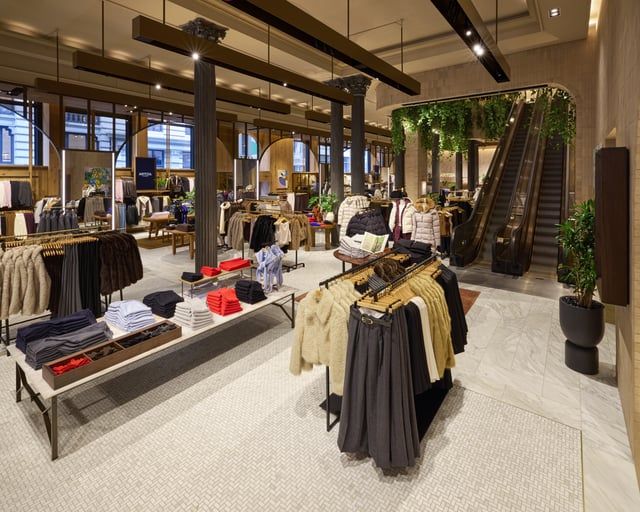
Report: Aritzia sees potential for 180 to 200-plus U.S. stores
Aritzia Inc. has big ambitions when it comes to the United States.
The Canadian fashion retailer sees the long-term potential for 180 to 200-plus U.S. locations, according to a report by WWD. Aritzia currently operates approximately 140 stores in North America, including 72 in the U.S...
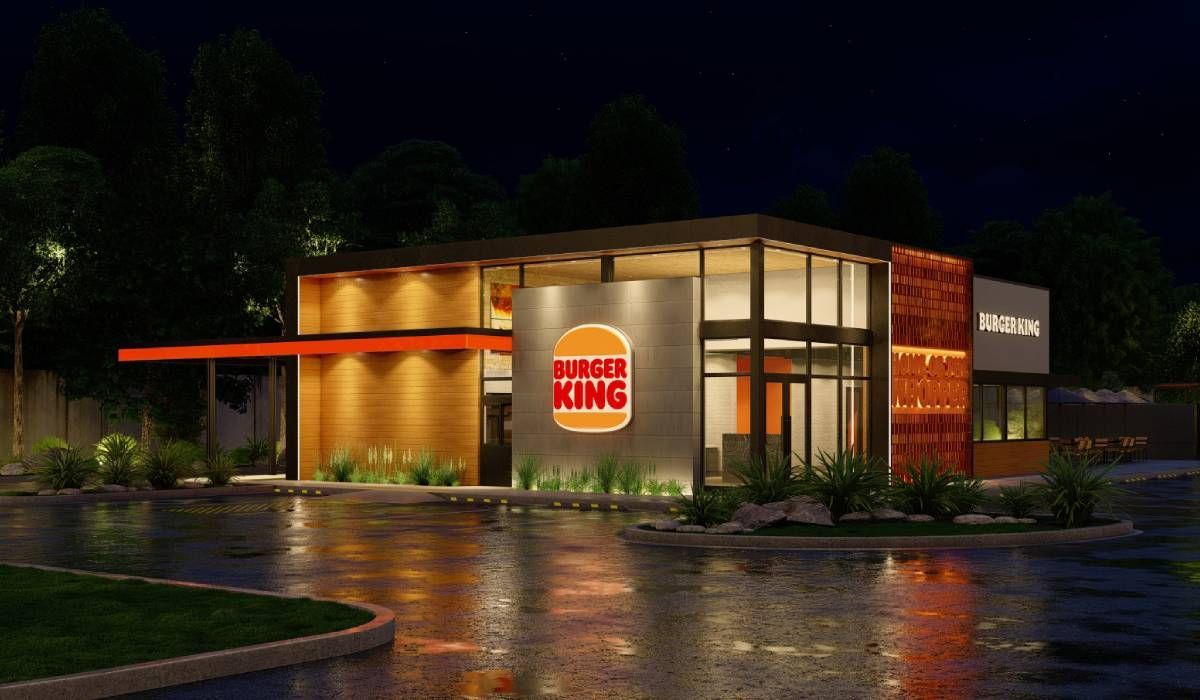
Beef Costs Bite into Burger King’s Profits, but Turnaround Plan Presses On
Burger King’s “Reclaim the Flame” turnaround plan ran into some roadblocks last year because of the macroeconomic environment.
Average profitability per unit was about $185,000 last year, down from $205,000 in 2024. The chain attributed the dip to higher beef costs—the brand’s largest commodity—which increased more than 20 percent year-over-year. CEO Josh Kobza said that if beef prices remained what they were in 2024, then average profitability would’ve been about flat year-over-year...

Restaurant industry to see sales rise, jobs added in 2026
Despite increasing operating costs and economic pressures impacting consumers, the National Restaurant Association is bullish on the dining sector for 2026.
According to the group’s State of the Restaurant Industry 2026 report, consumer spending is expected to push restaurant industry sales to a projected $1.55 trillion nationwide, with real (inflation-adjusted) sales gains of 1.3% projected. The report added that restaurant operators are expected to add approximately 100,000 jobs in 2026, bringing total industry employment to 15.8 million...
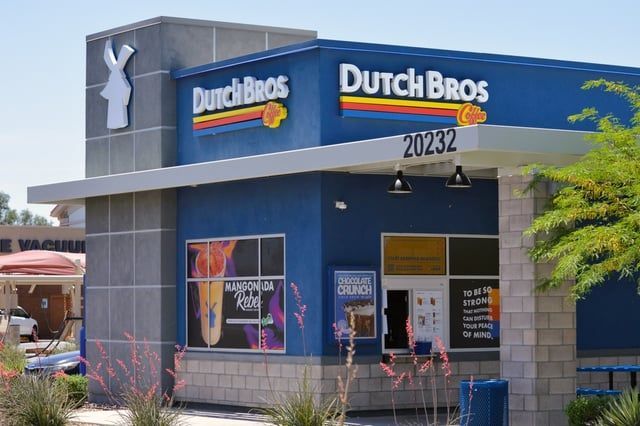
Dutch Bros to open ‘at least’ 180 sites in 2026 on heels of ‘record-breaking’ year
Dutch Bros delivered its 19th consecutive year of positive same-store sales growth and reported fourth-quarter revenue and earnings that easily topped expectations.
The fast-growing drive-thru coffee chain continued its expansion during the quarter, opening 55 locations. For the full year, Dutch Bros opened 154 new shops across 22 states, giving it a total of 1,136 locations across 25 states...
Ace Hardware ends year on upbeat note
Ace Hardware Corp. reported record revenue for its fourth quarter and full year.
The hardware cooperative’s consolidated revenues rose 9.9% to $2.5 billion for the three months ended Jan. 3. Total wholesale revenues were $2.3 billion, an increase of 10.0% compared to the prior year fourth quarter...
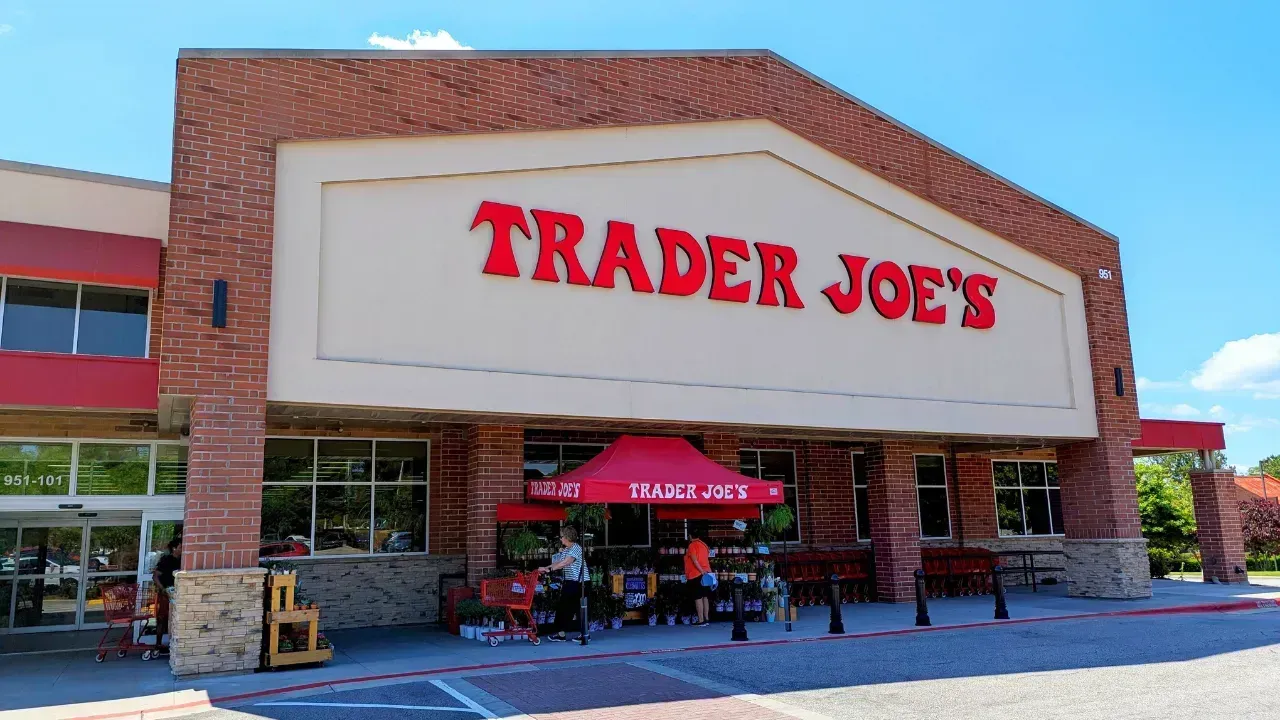
Trader Joe’s releases latest ‘coming soon’ list of stores
Trader Joe’s will open eight locations in the coming months, the grocery retailer announced Tuesday.
Two new stores will open in Louisiana—New Orleans and Mandeville—and two will open in the Southeast—Johns Creek, Georgia, and West Palm Beach, Florida.
The company plans to open additional stores in Merriam, Kansas; Tucson, Arizona; Woodinville, Washington; and McKinney, Texas...
Consumers continue shifting to mass-channel retailers for groceries
Mass retailers and dollar stores are gaining ground with consumers as financial insecurity continues to affect grocery purchasing decisions, with one chain clearly in the lead.
Walmart’s grocery penetration has reached a record-breaking 72%, according to Dunnhumby's latest Consumer Trends Tracker (CTT) report, which analyzes the grocery spending habits and choices of consumers on a quarterly basis...
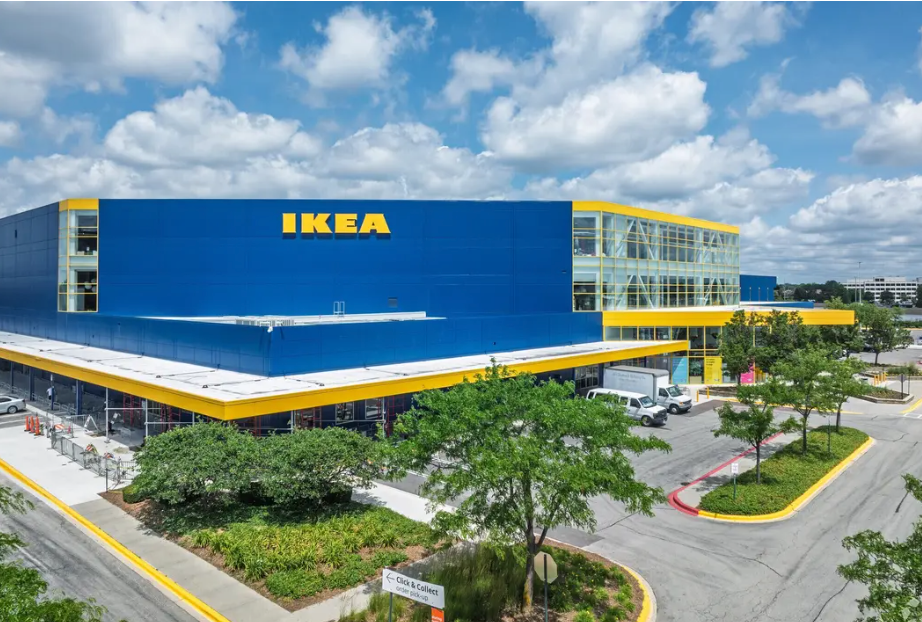
Ikea adds four more stores to its 2026 US growth push
Global furniture retailer Ikea has bumped up the number of U.S. stores it plans to open this year, adding four more for a total of 10 locations.
The Swedish company — whose hallmark is selling affordable ready-to-assemble furniture in big-box stores — said it now will be opening new stores in Culver City, Los Angeles’ first city-center store; Tulsa, the first Ikea store in Oklahoma; Gurnee in the Chicago area; and Fort Collins, joining Ikea Centennial and Ikea Colorado Springs in Colorado...
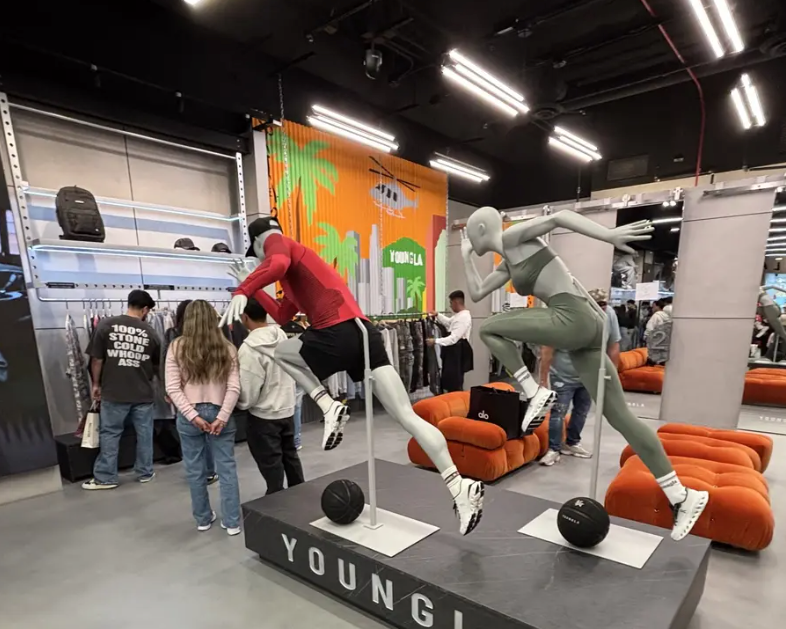
Gym apparel retailer makes brick-and-mortar entry in Los Angeles
A bright orange Lamborghini at the entrance of the newest store at one of Los Angeles' most upscale malls isn't just décor — it's a symbol of a digital brand shifting gears into the physical world.
Youngla, pronounced YUHN-guh-lay, is a fast-growing apparel company born on social media and fueled by fitness influencers. It has opened its first brick-and-mortar store at Westfield Topanga in Canoga Park, about 25 miles northwest of downtown Los Angeles...
Wendy’s Calls 2026 a Rebuilding Year as Sales Slide and Closures Accelerate
Wendy’s interim CEO Ken Cook made it clear to investors Friday that 2026 will be a rebuilding year for the burger giant.
U.S. same-store sales fell 11.3 percent in Q4, driven by a decrease in traffic, partially offset by a higher average check. The brand attributed downward sales to significantly less marketing spend, a tough lap against the chain’s SpongeBob SquarePants collaboration in Q4 2024, and a decision to move its chicken sandwich launch into 2026. One positive was the rollout of chicken tenders and sauces, which led to high customer satisfaction scores...