Weekly Perl: A Commercial Real Estate News Recap

Marc Perlof • February 13, 2026
A banner for weekly commercial real estate news recap
A car is parked in front of a sign that says 223

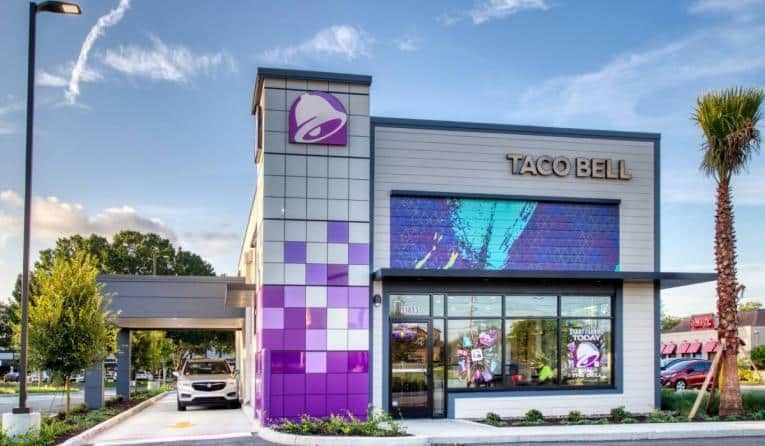
Taco Bell Stays Hot as Sales Continue to Rise


Taco Bell remains unfazed by macroeconomic pressures.


The Mexican giant’s U.S. same-store sales lifted 7 percent in the fourth quarter—fueled by transaction growth—and it continued to grab market share. Also, system sales lifted 8 percent and core operating profit rose 10 percent. The favorable financial results are coming from a variety of sources, including higher-income customers, families, and younger guests (the brand’s highest penetration of consumers came from 18 to 24-year-olds)..

The front of an aldi store with a sign in front of it.

First Look: Thursday Boot Company ramps up store growth


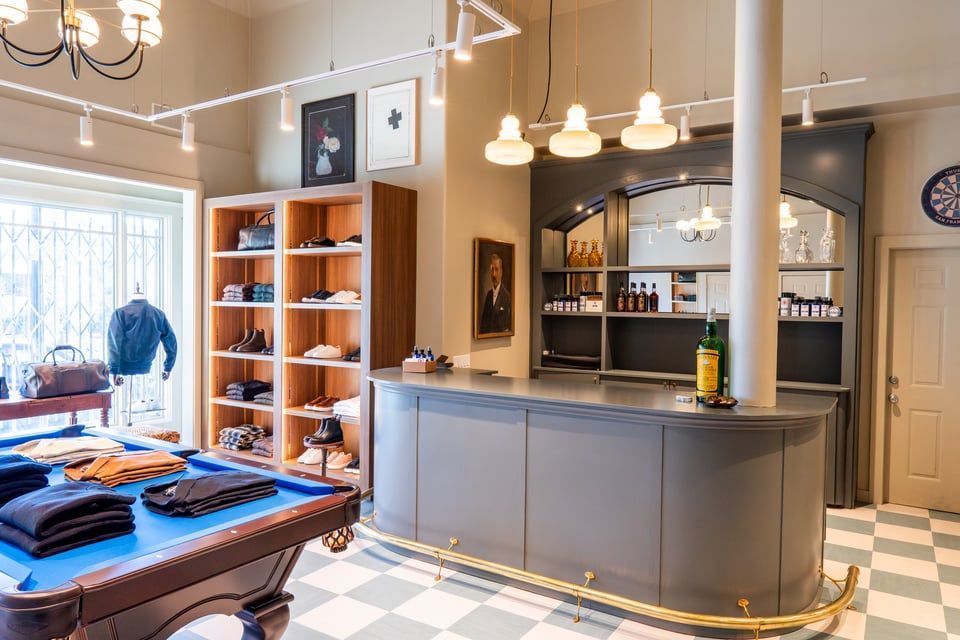
Direct-to-consumer footwear brand Thursday Boot Company is entering its next chapter by expanding its physical footprint.

Founded in 2014, the company has unveiled its first-ever West Coast store, in the Hayes Valley neighborhood of San Francisco. It’s the brand fifth location to date, with two stores in New York City, one in Chicago, and one at Garden State Plaza in Paramus, N.J...

A side-by-side view of a crispy chicken sandwich and a cheeseburger with tomato, lettuce, and pickles on a white background.

Savvy Sliders Finds Big Opportunity in Small Burgers

Savvy Sliders has 57 stores in the U.S.


Happy Group COO Sonny Asker likes to describe Savvy Sliders as a “disruptive” concept.


Since its founding in 2018, the fast casual has opened 57 restaurants, and there are 60 more units in development. The brand was born out of Michigan, but has spread to existing/upcoming markets like Illinois, Nevada, Indiana, Florida, Texas, North Carolina, and Louisiana. The goal is to open approximately 35 restaurants in 2026. Savvy Sliders is moving at a pace of two to three openings per month, and Asker wants to ramp that up to four...
The exterior signage and red metal roof of a Bob Evans restaurant against a clear blue sky.

Bob Evans Restaurants acquired

Bob Evans Restaurants has a new owner.


New York-based investment firm 4x4 Capital has acquired the 78-year-old, Ohio-based family-dining chain from Golden Gate Capital. Bob Evans has more than 400 locations in 18 states. Golden Gate acquired the company in 2017
Modern, Brutalist-style office building with an angular concrete facade on a landscaped corner lot under a blue sky.

Thousands of apartments set to take over empty office buildings with new L.A. ordinance

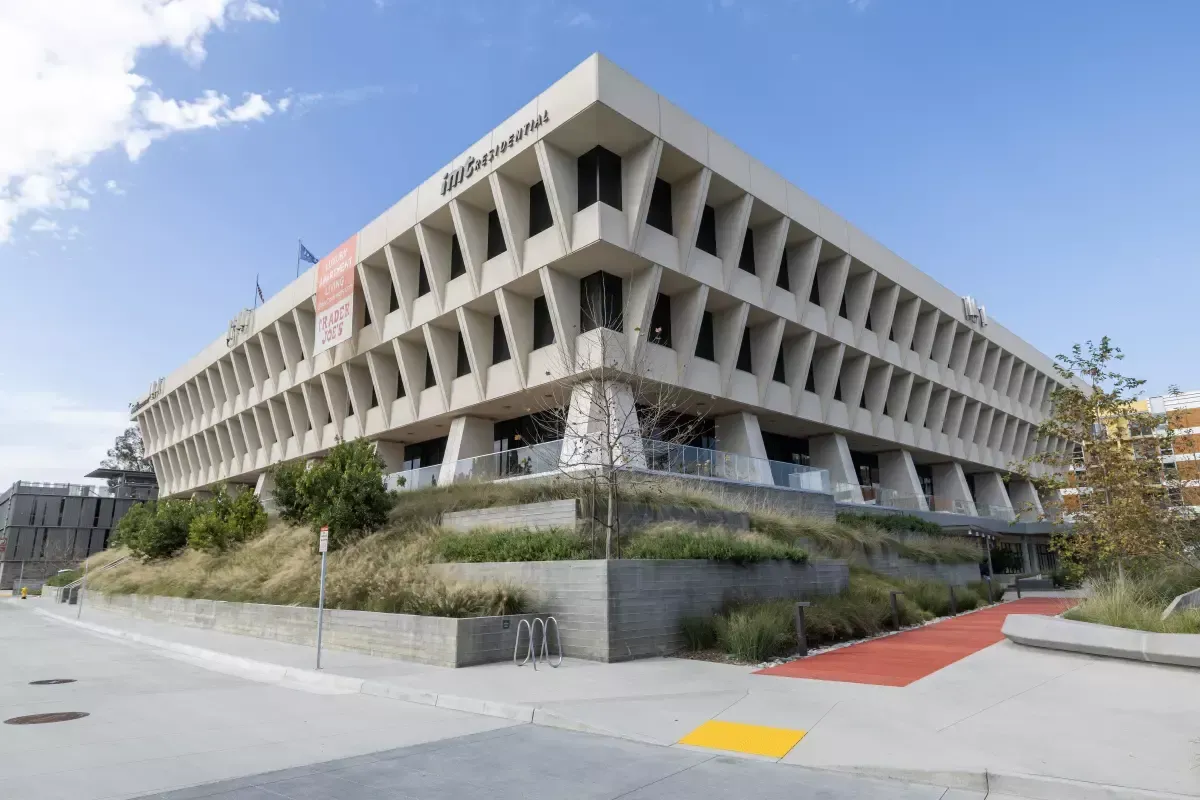
Los Angeles officials just made it easier to convert empty commercial buildings to housing, opening the door to the creation of thousands of apartments across a city clamoring for housing.


Developer Garrett Lee is already rolling.


After years of struggling to find white-collar tenants for a gleaming office high-rise on the edge of downtown, he has just begun converting its office space into close to 700 apartments..
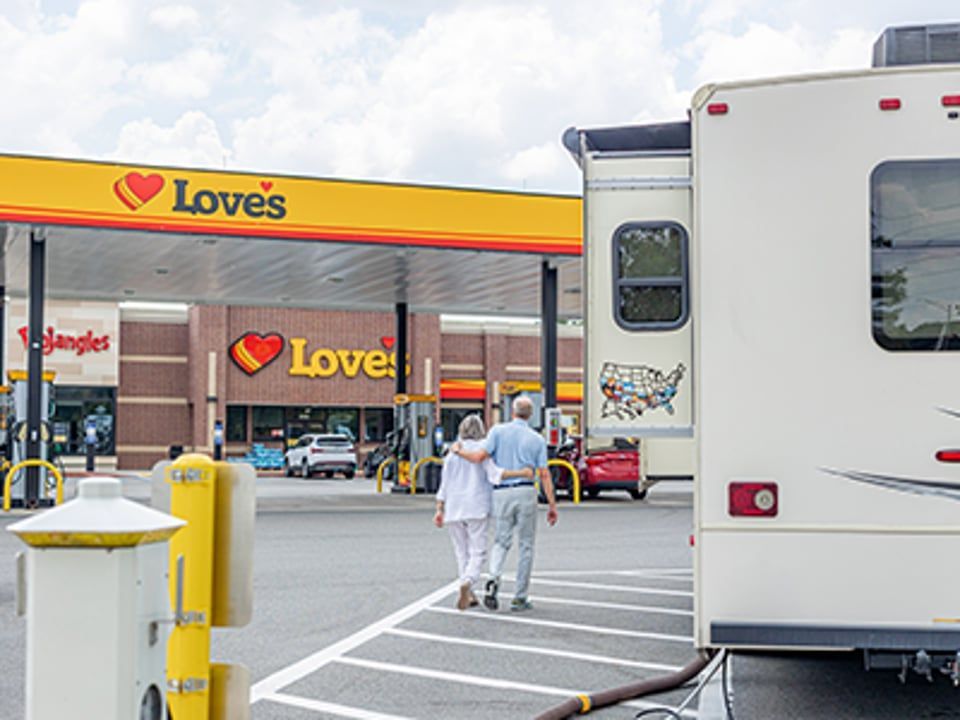
A couple walks hand-in-hand toward a Love's Travel Stop with an RV parked nearby.

Love’s Travel Stops to invest $700 million in new locations, remodels


Love’s Travel Stops is focused on growth and reinvestment in 2026.


The travel store and convenience-store company, which has 668 locations in 42 states, plans to invest $700 million in building new locations and remodeling existing ones under its “Road Ahead Plan” strategy. Under this initiative, more than half of Love’s locations will be newly constructed or remodeled by 2035...
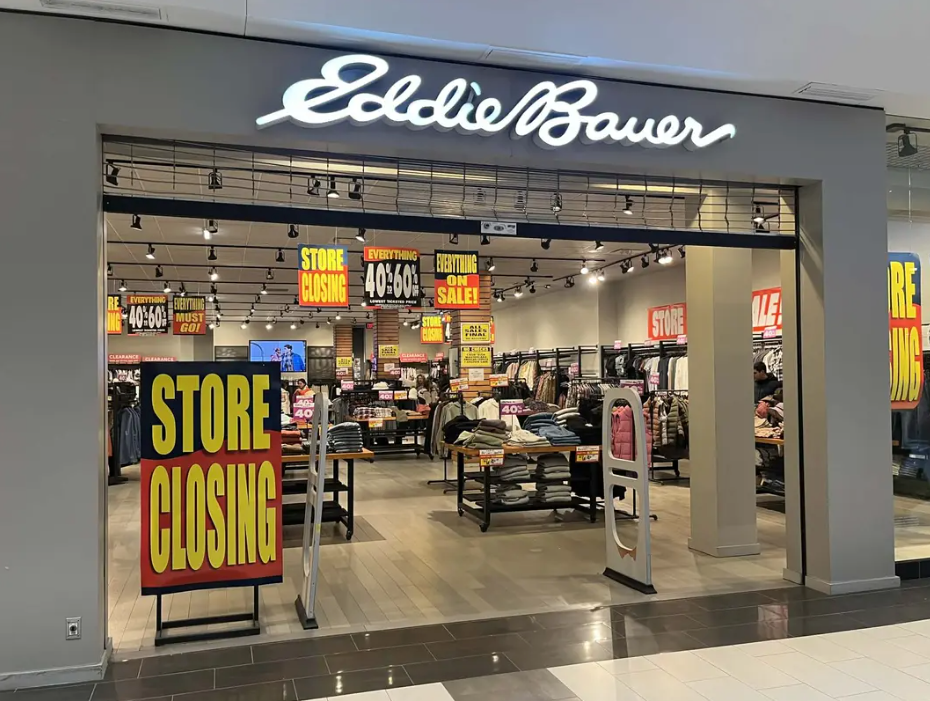
The entrance to an Eddie Bauer retail store with a prominent red and yellow

Eddie Bauer, Francesca's seek last-minute buyers as they close nearly 600 stores

Two struggling U.S. retailers, Eddie Bauer and Francesca's, each filed for bankruptcy protection and plan to close their combined roughly 600 stores if they don't find last-minute buyers for their separate businesses.


Bellevue, Washington-based Eddie Bauer, a supplier of outdoor apparel and gear, on Monday said it had commenced voluntary Chapter 11 proceedings in the U.S. Bankruptcy Court for the District of New Jersey. The company, with 175 stores in the United States and Canada, has drawn interest from two potential buyers for part of its operations, according to court filings. Eddie Bauer is looking to potentially use one of them as a stalking-horse bidder...

A blurred view down the aisle of a brightly lit convenience store, filled with shelves stocked with various products.

Dollar Tree Expansion Targets Affluent Areas

Affluent Areas Attract Dollar Tree


Dollar Tree is accelerating expansion into affluent neighborhoods, opening almost half of its new locations in higher-income ZIP codes over the past six years, per Bisnow. The discount retailer reached a milestone in Plano, Texas, with its 9,000th store, symbolizing its shift toward wealthier, suburban markets. In 2025 alone, a quarter of new Dollar Tree stores launched in areas where median household incomes exceed $100K...
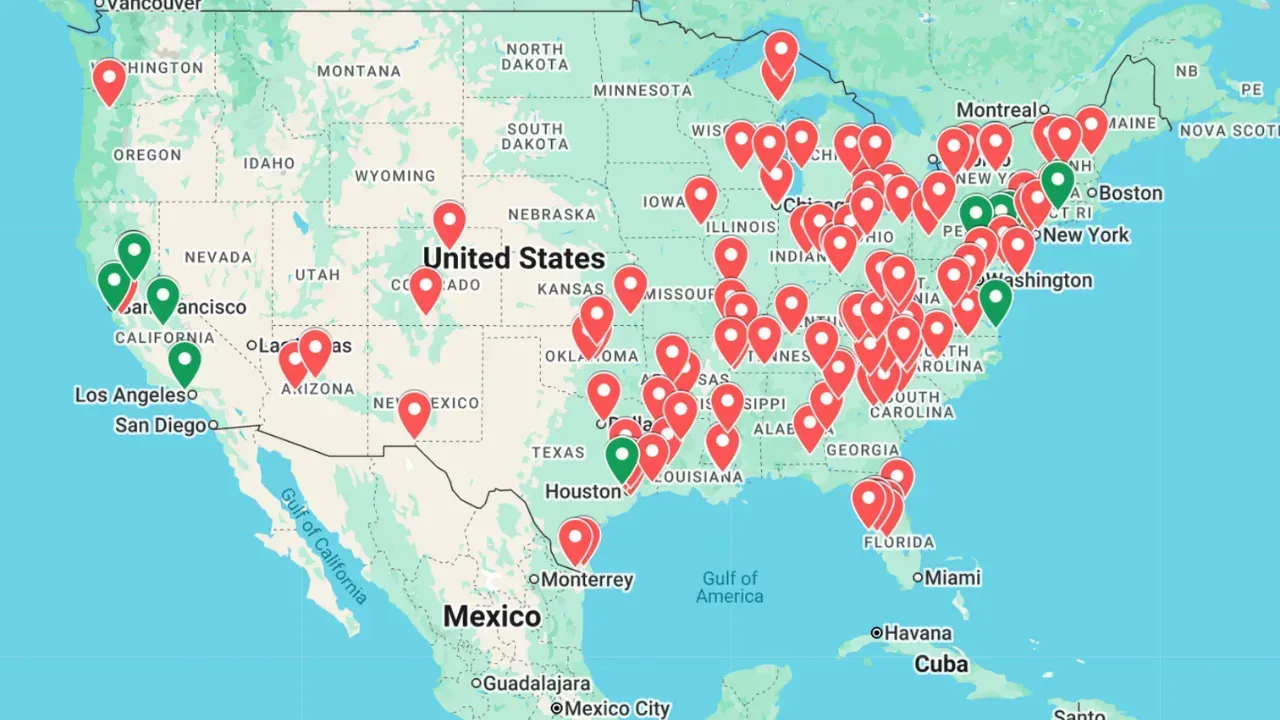
A map of the United States featuring numerous red and green location pins, highlighting a widespread geographical network.

Family Dollar wipes out 82 stores

Family Dollar went through another round of heavy store closings in the month of January. The discount store shuttered 82 locations, according to the latest data provided by 
ScrapeHero. Texas had the highest number of store closings with 9 followed by Tennessee and Ohio, which had 8 apiece...
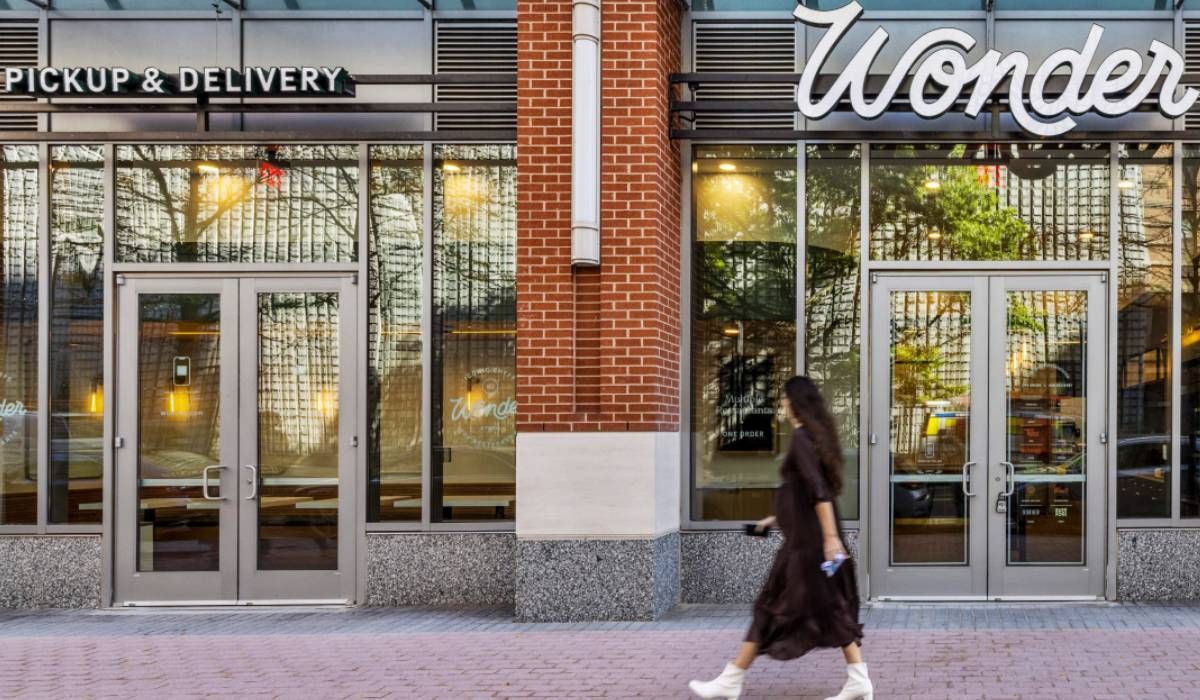
A person walks past the storefront of a Wonder restaurant with glass doors and a red brick column.

Wonder Buys NYC Fast Casual Blue Ribbon Fried Chicken

Innovative food platform Wonder announced Tuesday that it has acquired Blue Ribbon Fried Chicken.


The fast casual’s menu—featuring fried chicken, wings, sandwiches, smashburgers, salads, and Tender Dogs (chicken tender on a hot dog bun)—will be offered at a Wonder location in New York City later this year. Other Wonder units will follow...


By Marc Perlof June 26, 2026
10-year Treasury yield is little changed after May inflation data comes in as expected U.S. Treasury yields were relatively unchanged on Thursday as Wall Street assessed key inflation data for May. The yield on the 10-year U.S. Treasury note — the key benchmark for mortgages, auto loans and credit card debt — fell less than 1 basis point to 4.396%. The 2-year Treasury note yield, which more closely tracks short-term Federal Reserve interest rate policy, declined 1 basis point to 4.127%. The longer-dated 30-year Treasury bond yield was up less than 1 basis point at 4.861%...
By Marc Perlof June 22, 2026
By Marc Perlof | MarcRetailGuy CA #01489206 June 22, 2026 If you own retail real estate, here’s what just changed for you. In a seller’s market, the strongest pricing results usually come from creating competition, not simply setting the highest asking price possible. Retail property owners who understand how to manage buyer psychology and negotiation leverage usually achieve better results than owners who rely only on aggressive pricing. When buyer demand increases and inventory becomes limited, pricing strategy changes significantly. Buyers move faster, competition increases, and leverage often shifts toward sellers. In the previous article, “How to Price Retail Property in a Buyer’s Market,” I discussed how owners should reduce buyer fear, respond to conservative underwriting, and protect leverage when buyers control negotiations. What Changed What happens in a seller’s market? In a seller’s market, strong retail properties often attract multiple buyers at the same time. When there are fewer properties available for sale, buyers often compete harder for well-located properties with strong tenants and reliable income. That competition can improve both pricing and deal terms. Buyers who move slowly in weaker markets often speed up their decision making once they believe competition exists. That can increase pricing pressure and strengthen seller leverage during negotiations. This is especially true for well positioned NNN properties, shopping centers, and retail assets with strong tenant performance, longer lease terms, stable operating histories, and value add opportunities. Why do buyers behave differently in strong markets? Buyers become more aggressive when they believe quality opportunities are difficult to replace. In stronger markets, investors worry less about finding another deal and more about losing the current opportunity to another buyer. That changes negotiation behavior significantly. Buyers may shorten due diligence timelines, ask for fewer conditions and move forward more quickly, move faster on underwriting, or become more flexible on pricing when they believe competition exists. At the same time, strong markets do not eliminate buyer caution completely. Sophisticated buyers still review lease terms, future repair costs and operating expenses, tenant quality, and long term property risks carefully before making decisions. Why It Matters Why can overpricing still hurt sellers in strong markets? One of the biggest mistakes sellers make in strong markets is assuming buyers will pay any price simply because demand is high. Overpricing too aggressively can still reduce activity and weaken momentum, even when overall market conditions favor sellers. The strongest pricing results usually happen when sellers create competition naturally instead of trying to force pricing higher from the beginning. Properties that attract multiple serious buyers often achieve stronger pricing because buyers begin competing against each other instead of negotiating only against the seller. Are buyers always being honest during negotiations? Not always. Even in strong markets, buyers often try to create leverage by acting less interested than they really are. Some buyers may claim: pricing is too aggressive market conditions are softening future problems may be developing they are prepared to walk away while still requesting documents, touring the property, or continuing negotiations behind the scenes. That does not mean sellers should ignore legitimate concerns. It means owners should evaluate buyer behavior carefully and separate real market feedback from negotiation tactics. Can sellers become overconfident in strong markets? Absolutely. Seller driven markets can create unrealistic expectations. Owners may begin setting unrealistic pricing expectations or assume every property should create aggressive bidding regardless of tenant quality, lease structure, or future risk. Strong markets still reward well positioned properties. They do not eliminate the importance of pricing discipline, professional marketing, or strategic negotiation management. Strategic Advice for Retail Property Owners How do you create stronger competition? The goal is not simply listing the property at the highest possible number. The goal is creating enough qualified buyer interest to generate competitive pressure naturally. That starts with presenting the property the right way, professional marketing materials, targeted buyer outreach, organized financial reporting, and clearly communicating the strengths of the property. Properties with stable tenants, strong lease structures, organized leases, financial records, and property information (due diligence), and predictable expenses are usually much easier to market competitively. Should sellers negotiate with only one buyer? Usually not too quickly. In stronger markets, maintaining conversations with multiple buyers often helps sellers keep negotiating power and improves negotiating outcomes. Once sellers negotiate exclusively with one buyer too early, leverage can shift back toward the buyer. That does not mean every buyer should be forced into a bidding war. It means sellers should manage the process carefully and understand how competition affects buyer behavior. What should sellers focus on most in strong markets? Sellers should focus on maintaining leverage without becoming unrealistic. Strong markets create opportunity, but disciplined execution still matters. Owners who combine strong positioning, realistic expectations, professional marketing, and carefully managed negotiations usually perform much better than owners who rely only on aggressive asking prices. Real Deal Insight During the strong seller driven retail market of 2021 and parts of 2022, we consistently saw the strongest pricing results on properties where sellers created organized competitive processes instead of simply raising asking prices aggressively upfront. Properties that generated multiple qualified buyers often achieved stronger pricing and better terms because buyers competed against each other instead of negotiating only against the seller. Owner Self Assessment If your property entered a stronger seller driven market, would buyers feel urgency to compete for the opportunity or confidence that they could wait for pricing to soften later? If you are considering selling and want to understand whether your property could benefit from a strategy that uses buyer competition to improve pricing, reach out directly. I will walk you through how buyers respond to retail opportunities in stronger markets and how to position your property to maximize leverage. Are you creating real buyer urgency or unintentionally reducing it through unrealistic pricing expectations? This concludes the Market Condition Pricing Series. So far, we've discussed how market conditions affect pricing, how buyers behave in different environments, and how sellers can protect leverage throughout the process. In the next series, “Execution and Decision Making,” we will focus on what many retail property owners struggle with most: applying these strategies to their specific property. We'll cover how to choose the right pricing strategy for your asset, why some properties sit on the market while others sell, how buyers actually evaluate retail properties, and how to decide whether selling now or waiting may create a better outcome. Understanding pricing strategy is important. Applying it correctly is what ultimately determines results. Based in Los Angeles. Serving Southern California. Active across California. Advising clients nationwide. #RetailRealEstate #NNN #ShoppingCenters #StripCenters #CommercialRealEstate #InvestmentSales #CapRates #RetailProperty #LosAngelesCRE #1031Exchange
By Marc Perlof June 19, 2026
Federal Reserve holds rates steady but signals possible hike before year’s end US stock markets dropped on Wednesday afternoon after the Federal Reserve left interest rates unchanged and signaled a possible rate hike before the end of the year. The Fed was widely expected to keep rates at a range of 3.5% to 3.75%, where they have remained since December. The decision was unanimously supported by the Fed’s voting committee.  “Economic activity is expanding at a solid pace despite elevated uncertainty that owes, in part, to the conflict in the Middle East,” the Fed’s open market committee said in the statement...
More Posts