Weekly Perl: A Commercial Real Estate News Recap

Marc Perlof • January 30, 2026
A banner for weekly commercial real estate news recap
A car is parked in front of a sign that says 223

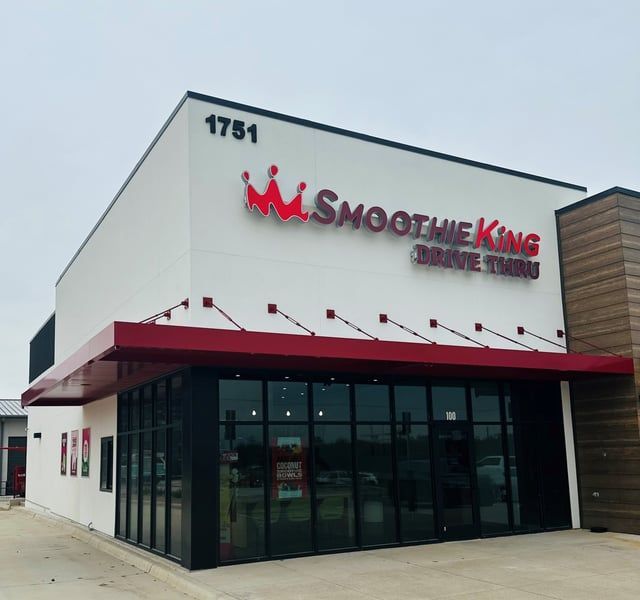
Smoothie King plots 90-plus new openings for 2026

The world’s largest smoothie franchise isn’t planning on slowing down its growth after a strong 2025.


Smoothie King says it plans to open more than 90 new store openings in 2026, in addition to launching a targeted franchisee incentive program spanning several key states, including Arizona, Illinois, Massachusetts, Michigan, Pennsylvania, Virginia and more. Through the program, Smoothie King says it is offering financial incentives to “growth-minded franchisees,” designed to accelerate brand awareness and density in these markets...

The front of an aldi store with a sign in front of it.

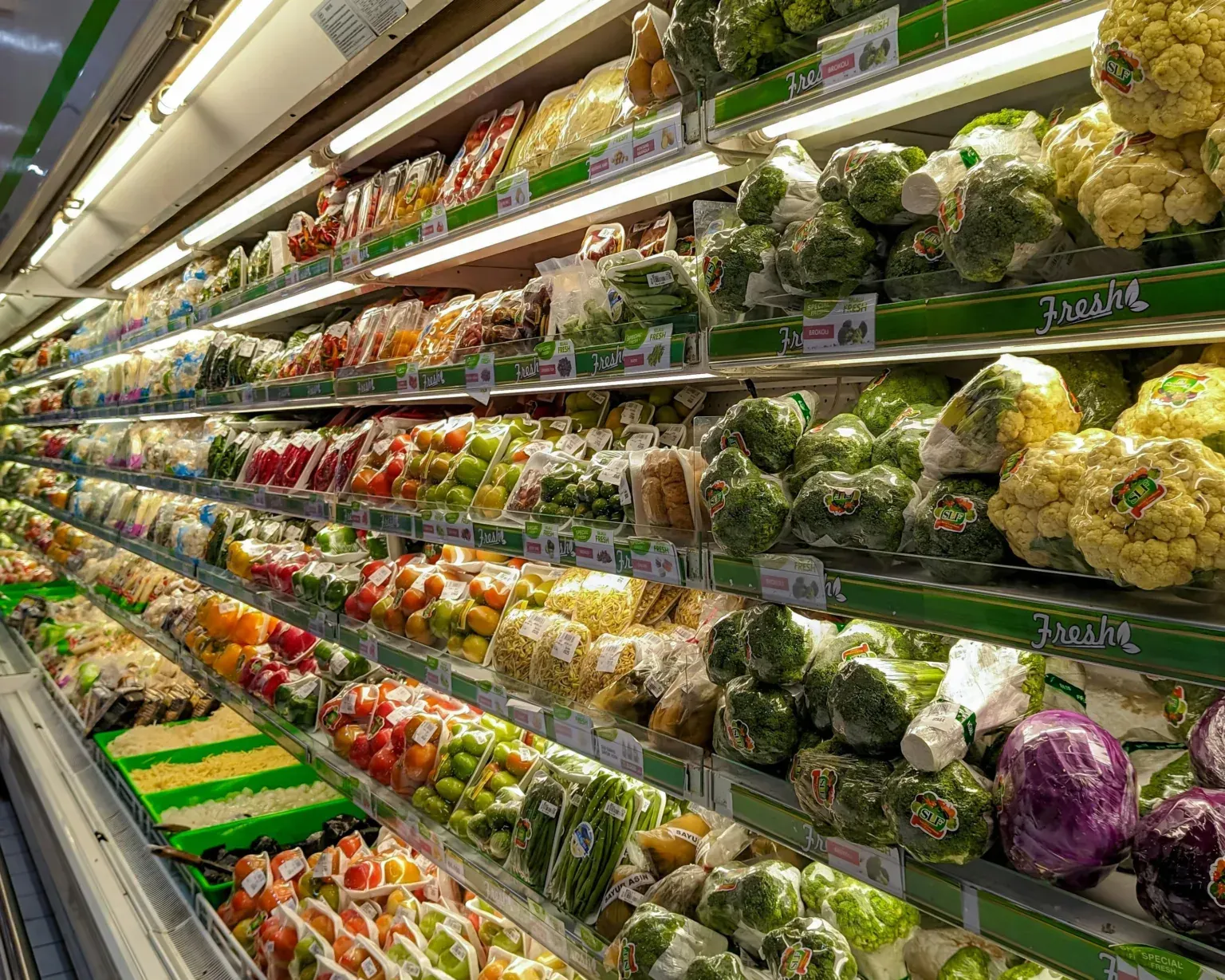
Whole Foods Expansion Boosted by Amazon Store Conversions

Amazon is making a decisive shift in its grocery division, announcing plans to shutter its Amazon Fresh supermarkets and Amazon Go convenience stores. Select locations from these chains will be repurposed as new Whole Foods Market stores, per CNBC. This move represents the latest in a series of strategic adjustments to grow Amazon’s presence in the US grocery market...

FAT Brands Enters Bankruptcy Amid Debt Struggles

FAT Brands filed for bankruptcy on Monday as it seeks to restructure more than $1.4 billion in debt tied to an aggressive acquisition strategy, according to court documents.


The filing includes FAT Brands, Twin Hospitality Group (parent of Twin Peaks and Smokey Bones), and dozens of affiliated entities. The company intends to continue operating normally while negotiating with lenders. Trading of FAT Brands’ shares will continue with a “Q” suffix, which signals the company is in bankruptcy proceedings and that the stock carries higher risk...
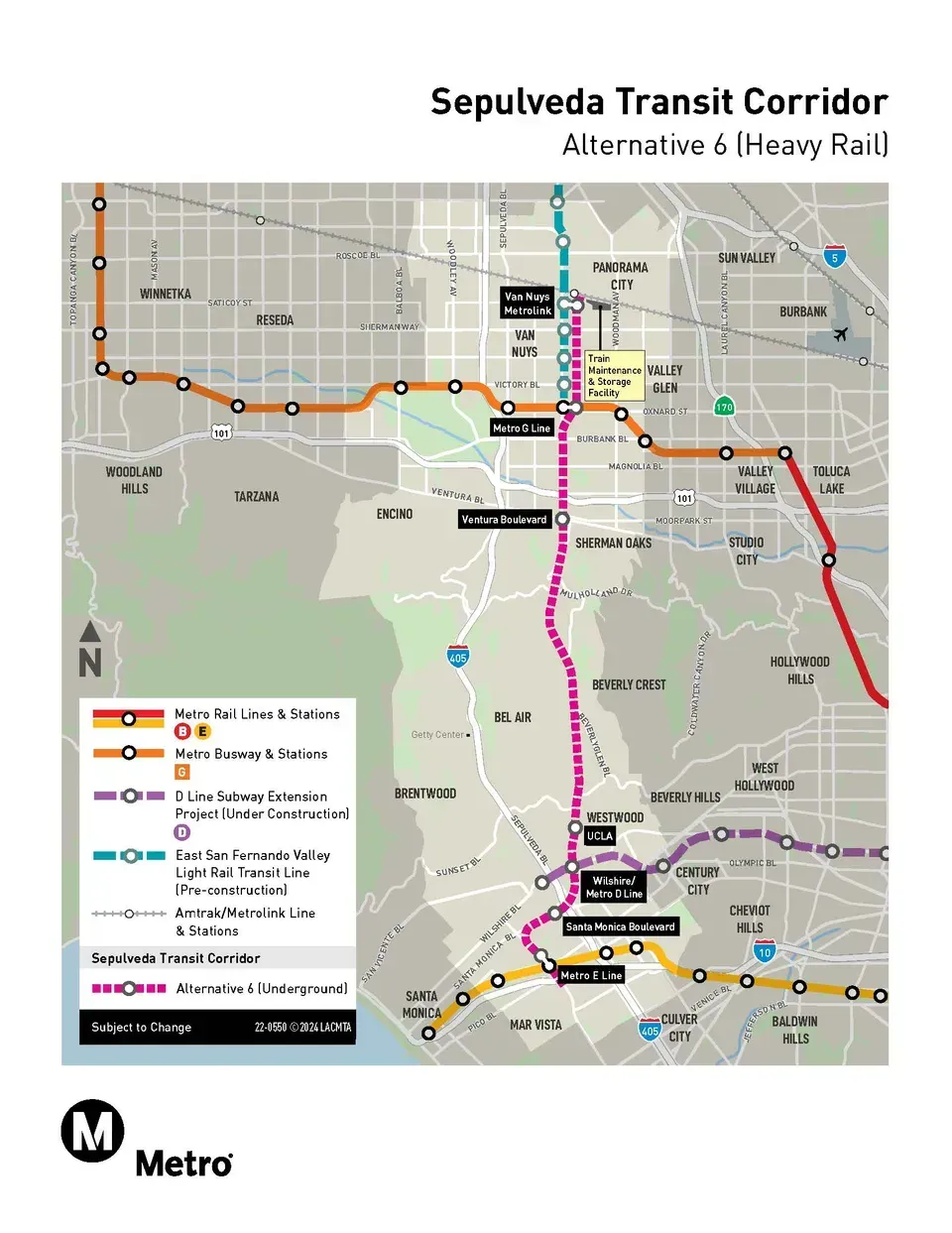
Metro approves underground rail line through the Sepulveda Pass

The Los Angeles County Metropolitan Transportation Authority Board of Directors has unanimously approved an all-underground heavy rail subway as the preferred route for the Sepulveda Transit Corridor, selecting a nearly 13-mile alignment designed to connect the San Fernando Valley with the Westside in under 20 minutes...
Paris Baguette plots big expansion for 2026 — and beyond

Paris Baguette is touting 2025 as its most successful year yet as it continued to expand its footprint of cafes.


The global bakery cafe chain opened 77 new stores last year, including a record of 14 in December alone. It also signed 101 new leases for future locations and signed nearly 300 development agreements...
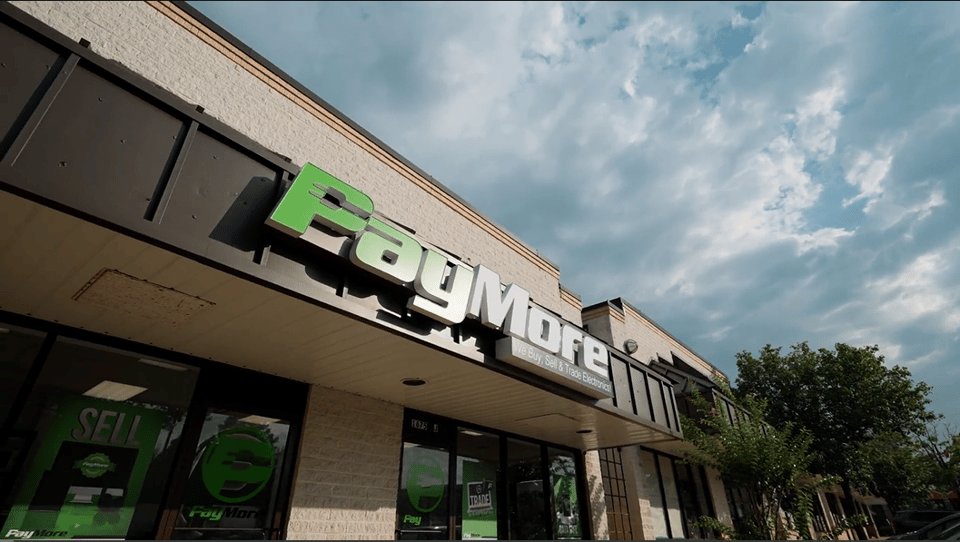

PayMore to open 90-plus stores in 2026 — here's where

PayMore has its sights set on continued growth in the new year.


The buy-sell-trade electronics franchise plans to open 96 new stores across the United States and Canada in 2026, an average of eight new openings per month (full list at end of article). Last year, PayMore reached 100 stores, and the company has no plans of slowing down its expansion...

Bain & Co.: U.S. retail sales to grow 3.5% in 2026

Retail sales growth will slow in the U.S., U.K., France and Germany in 2026.


That’s according to Bain & Company’s 2026 Global Retail Sales Outlook, which projects U.S. retail sales will grow 3.5% year over year in 2026, to $5.3 trillion, slightly down from estimated 4.0% growth in 2025. Volume growth will be modest, with inflation projected to hover between 2.6% and 3.0%...
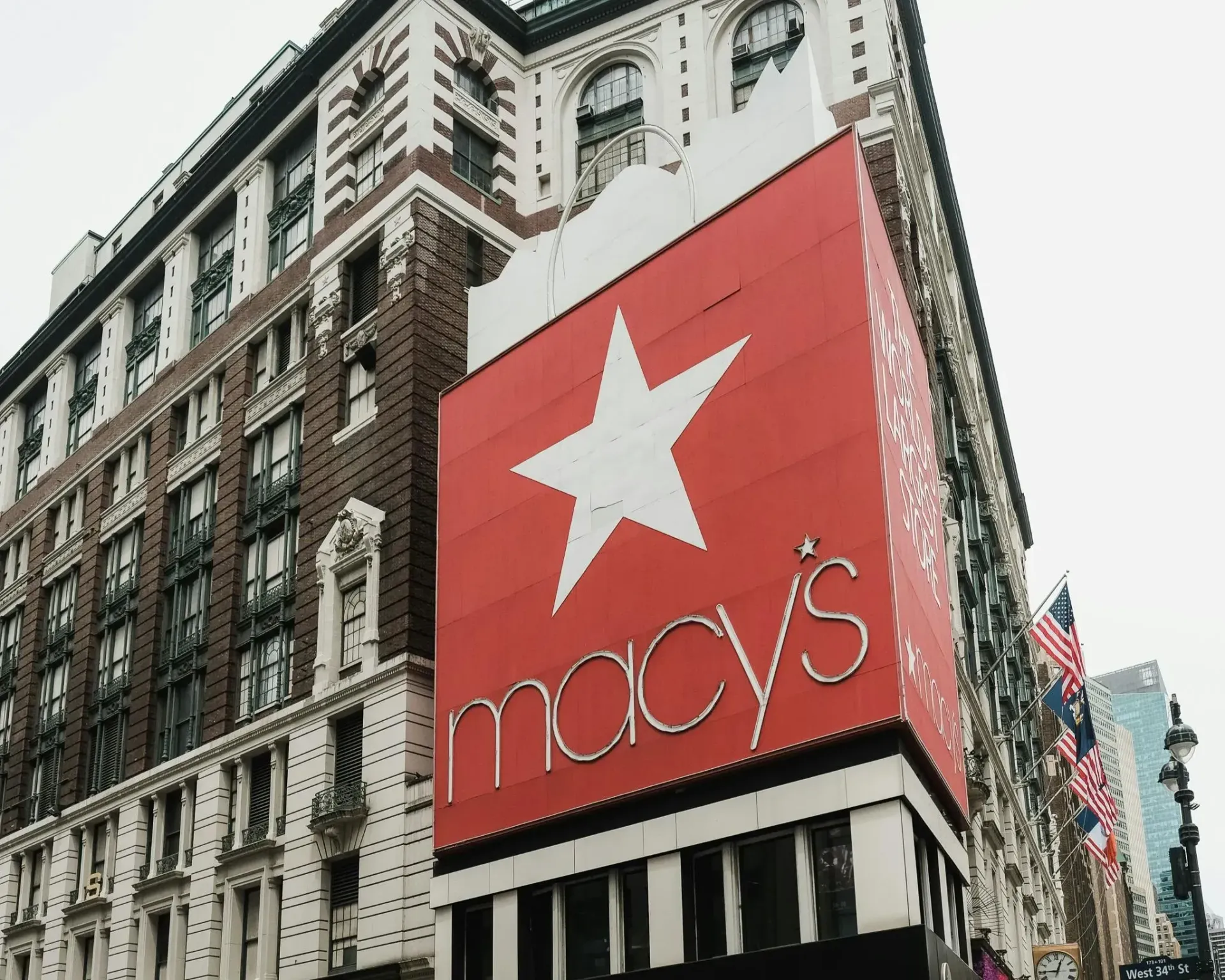

Retail Openings Edge Up as Closings Slow in 2026


According to CoStar, despite early-year headlines about Macy’s, Saks Global, and Francesca’s shuttering stores, US retail openings are set to tick upward in 2026. Industry analysts from Coresight Research and Telsey Advisory Group both forecast a modest increase in new store launches, with projections in the 1.4% to 4% range compared to last year. Store closings, while still significant, are expected to decelerate after a year that outperformed liquidation expectations...
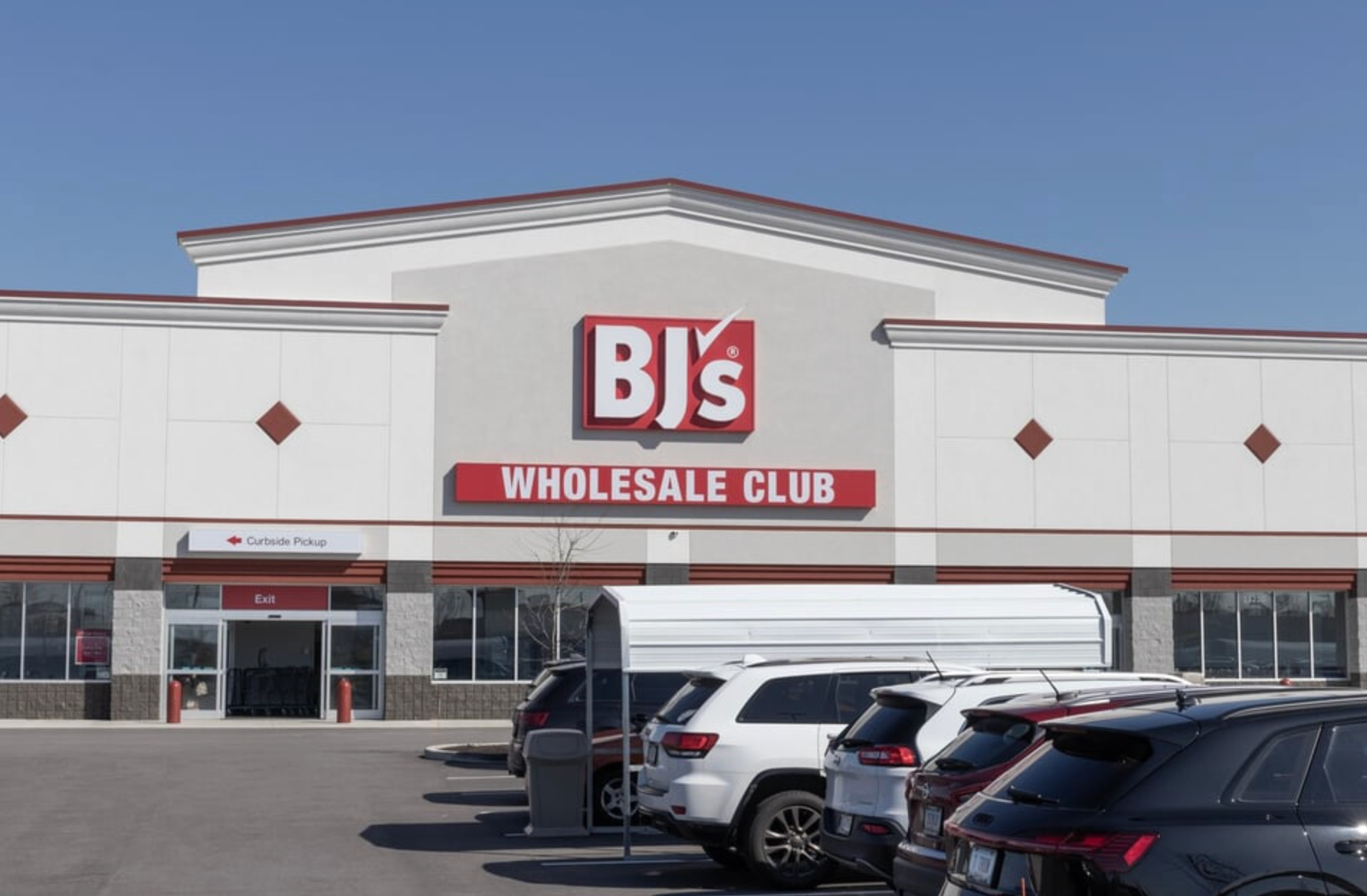

BJ’s opening three stores in January — including smaller-format concept

BJ’s Wholesale Club’s expansion plans for January include the opening of its second smaller-format location.

The membership warehouse club retailer will open its second location under the BJ’s Market banner on Jan, 30, in Delray Beach, Fla. At 55,000 sq. ft., the store is about half the size of a BJ’s club. The smaller footprint is designed to offer a convenient grocery shopping experience featuring essential fresh foods, produce, sundries and seasonal products...

Target in big expansion of beauty — complete with new in-store experience

Target continues to expand and elevate its beauty profile.

The retailer is expanding its assortment with nearly 3,000 new products, and more than 60 new brands. More than 90% of the items are priced under $20, according to Target...


Starbucks upbeat; posts first U.S. comp sales growth in two years for Q1


Starbucks Corp.'s turnaround appears to be gaining increased momentum.

The coffee giant reported its first quarter of North America and U.S. same-store sales growth in two years in the period ended Dec. 28. North America and U.S. comparable store sales rose 4%, driven by a 3% increase in comparable transactions and a 1% increase in average ticket...



By Marc Perlof March 16, 2026
By Marc Perlof | MarcRetailGuy CA #01489206 March 16, 2026 If you own retail real estate, here’s what just changed for you. Retail property owners are asking a simple question today. Is the market about to change? Several economic signals moved quickly over the past two weeks. Oil prices surged as conflict disrupted major energy supply routes. The U.S. job market also weakened unexpectedly during the same period. Financial markets have become more volatile as investors reassess economic risks. When oil prices rise and hiring slows, real estate investors begin adjusting risk assumptions. These adjustments often appear first in lender loan standards and buyer pricing. For retail property owners, these shifts can influence demand and property values. Owners of strip centers, shopping centers, store front retail, and NNN retail properties (multi-tenant and single tenant) should watch closely. Understanding these signals early can help protect property value and guide decisions. Market Analysis and Trends Energy markets reacted first. Brent crude oil recently surged above $100 per barrel. The increase followed conflict disrupting shipping routes and global oil supply.¹ Much of the concern involves the Strait of Hormuz shipping corridor. Roughly 20 percent of global oil supply normally passes through this route. Even small disruptions there can quickly affect shipping costs and supply chains.¹ Consumers often feel the impact through gasoline prices. Since late February, U.S. gasoline prices increased more than 15 percent. Prices reached roughly $3.47 per gallon in early March.¹ In Southern California, fuel prices are usually among the highest nationally. Drivers in the region are already paying significantly more at the pump. Higher fuel costs can quickly strain household budgets. This often reduces spending at restaurants and other nonessential retail businesses. The labor market also signaled caution. The U.S. economy lost about 92,000 jobs in February 2026. Unemployment rose to approximately 4.4 percent during the same period.² Slower hiring typically leads to reduced consumer spending several months later. When advising retail property owners, I track three important property risks. These include tenant margin pressure, lender loan standard changes, and buyer cap rate expectations. Key signals retail property owners should monitor include: Brent crude oil moving above $100 per barrel during Middle East supply disruptions.¹ U.S. gasoline prices rising more than 15% since late February.¹ The U.S. economy losing roughly 92,000 jobs in February while unemployment increased.² Essential Retail vs Nonessential Retail Retail categories respond differently during periods of economic stress. Essential retail includes grocery anchored centers, pharmacies, and daily service tenants. These businesses usually remain stable during economic disruptions. Consumers still need basic goods even when household budgets tighten.³ Nonessential retail categories are more sensitive to economic pressure. Restaurants, entertainment venues, and similar tenants often experience softer sales first. This usually happens when consumers reduce spending. For property owners, tenant mix becomes especially important during economic uncertainty. Centers anchored by essential tenants often remain more stable. Properties dominated by nonessential retail may experience greater sales volatility. Strategic Advice for Retail Property Owners Economic uncertainty is a good time to review several property fundamentals. 1. Review tenant stability Evaluate tenant sales performance, credit strength, and upcoming lease expirations. 2. Monitor capital markets Lenders and investors may begin tightening loan standards as risks increase. 3. Evaluate sale timing carefully Markets sometimes offer short windows before buyer pricing adjusts to new conditions. Even a 1/4% to 1/2% increase in cap rates can affect property values. For example, a $6 million retail property valued at a 6% cap rate generates about $360,000 in annual income. If buyer expectations move to a 6.5% cap rate, value could fall near $5.5 million. If you own retail property and are wondering how these economic signals could affect buyer pricing or cap rates for your asset, this is exactly the type of analysis I help owners evaluate before making a sale or hold decision. If investor cap rates in your market moved just 1/2% higher, how much would the value of your retail property change? Investor Behavior During Uncertain Markets Market volatility often changes how investors evaluate retail properties. Research shows that investors prefer assets with stable income during uncertain periods. Properties with strong tenants and longer lease terms usually attract the most buyer interest.³ Assets with predictable cash flow often perform better during market uncertainty. Properties with weaker tenants or short lease terms may face greater scrutiny. For retail property owners, tenant quality and lease structure matter even more in volatile markets. What This Means for Retail Property Owners Retail property values depend on more than location. Energy prices, employment trends, and capital markets also influence buyer demand. If oil prices stay elevated and hiring slows, investors may become more selective. Properties with weaker tenants or short lease terms may see pricing pressure first. Well located shopping centers with strong tenants and long leases usually remain more resilient. Owners who monitor these signals early often have more strategic options. If economic uncertainty continues over the next twelve months, how strong are the tenants in your retail property? #RetailRealEstate #CommercialRealEstate #NNNProperties #ShoppingCenters #RetailPropertyOwners #CREInvesting #RealEstateInvestors #CREMarketInsights #RealEstateTrends #CaliforniaRealEstate #LosAngelesRealEstate #CapRates
By Marc Perlof March 13, 2026
US consumer inflation steady before Iran conflict drives up oil prices WASHINGTON, March 11 (Reuters) - U.S. consumer prices rose moderately in February as rents maintained a steady pace of increases, though households paid more for gasoline and at the supermarket and higher costs are in store because of the escalating war in the Middle East .  The Consumer Price Index report from the Labor Department on Wednesday, which also showed underlying inflation muted ​last month, covered the period before the U.S. and Israel launched strikes against Iran. The attacks at the end of February were met with retaliation by Tehran and have boosted oil prices...
By Marc Perlof March 9, 2026
By Marc Perlof | MarcRetailGuy CA #01489206 March 9, 2026 If you own retail real estate, here’s what just changed for you. If you own retail property, the biggest change happening in today’s market is not rent levels or cap rates. It is capital. More specifically, the speed at which investment capital is being raised and deployed into retail deals. As a retail real estate agent focused on investment sales, I am seeing this shift in real time. Investors still want retail assets. But the capital behind those buyers is moving more cautiously than it did a few years ago. That change affects pricing, buyer competition, and how quickly deals close. Over the past year I have seen buyers take longer to raise equity and move deals forward. According to the 2024 Global Private Markets Report from McKinsey & Company, fundraising cycles for private real estate funds have lengthened and investors are taking more time to commit capital as they reassess risk and portfolio allocations.¹ This does not mean capital has disappeared. It means capital is moving more carefully. Retail investment activity reflects this new discipline. According to Marcus & Millichap’s 2025 U.S. Retail Investment Forecast, national retail vacancy remains near historic lows, generally ranging between approximately 4 percent and 5 percent depending on the quarter and reporting method.² Low vacancy continues to attract investors to retail assets, but they are underwriting deals more conservatively. Another key trend is the concentration of capital toward stronger assets and stronger sponsors. CBRE’s U.S. Real Estate Market Outlook reports that investors are prioritizing properties with durable tenant demand and stable income streams as uncertainty around interest rates and refinancing conditions persists.³ In practical terms, this means retail syndicators and private investors must raise capital more carefully and explain risk more clearly before closing acquisitions. Limited partners want to understand tenant durability, lease rollover risk, and income stability before they commit equity. Several trends are driving this capital caution. Investors are performing deeper underwriting before committing equity to retail acquisitions.¹ Retail vacancy remains low nationally, which keeps investor interest in the sector even while capital formation slows.² Institutional and private investors are prioritizing assets with stable tenants and predictable income streams.³ For retail property owners, this shift matters. When capital raising slows, the pool of active buyers becomes more selective. Properties with stable tenants, longer lease terms, and predictable income attract the deepest buyer interest. Properties with near-term lease rollover, weaker tenants, or uncertain cash flow may still sell, but buyers will price in more risk. That can affect value expectations and negotiation leverage. This is why understanding how investors are raising capital today is critical before bringing a retail property to market. A well-positioned asset with the right story can still attract strong buyer demand. But the strategy behind the sale matters more than ever. If you own retail real estate and want to understand how today’s capital markets affect the value of your property, let’s talk. If you are considering selling in the next 12–24 months, understanding how buyers are raising capital today can have a direct impact on your exit price. If investors are raising capital more slowly and underwriting deals more carefully, how would your property perform under the scrutiny of today’s buyers? #RetailRealEstate #RetailPropertyInvesting #CommercialRealEstate #RetailInvestmentSales #CRECapitalMarkets #RetailSyndication #RetailPropertyOwners #CommercialPropertyInvesting #RetailAssetManagement #CREInvestors #ValueAddRetail #RetailPropertyStrategy
More Posts