Weekly Perl: A Commercial Real Estate News Recap

Marc Perlof • May 8, 2026
A banner for weekly commercial real estate news recap
A car is parked in front of a sign that says 223

Oil Crisis Puts the Global Economy on a One-Month Clock

According to Globe St, the ongoing disruption of oil shipments through the Strait of Hormuz has escalated from a geopolitical issue to an economic threat. Former Pimco CEO Mohamed El-Erian stated this week that the world may avoid a recession, but only if the strait reopens within the next month. Without a resolution, the risk to global economic stability increases sharply...
The front of an aldi store with a sign in front of it.

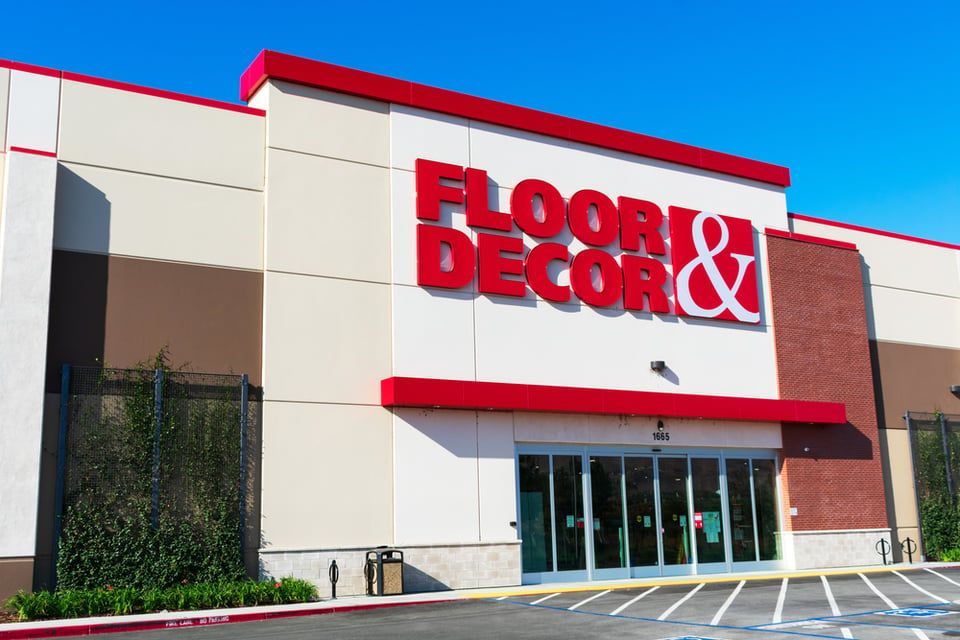
Floor & Decor sales fall amid ‘challenging’ environment; opening 20 stores


Floor & Decor isn’t letting a weaker-than-expected quarter get in the way of its growth plans.

The specialty retailer of hard surface flooring and related accessories opened six warehouse stores during its first quarter, with plans to open a total of 20 locations for the full fiscal year. Floor & Decor said it continues to see a long-term opportunity of operating 500 warehouse stores in the United States...

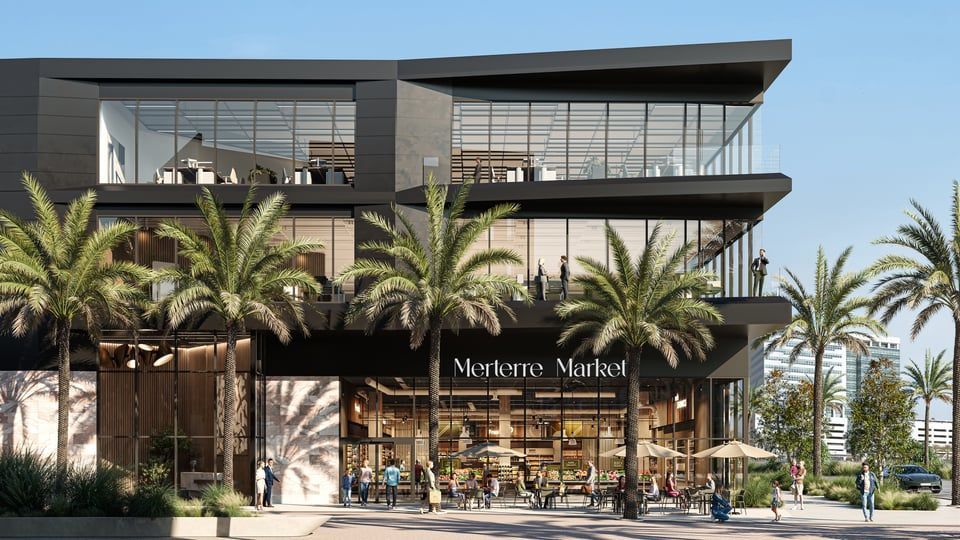
An elevated outdoor view of a modern shopping mall promenade with manicured greenery, palm trees, and pedestrians.

Rivian, Caruso test-drive EV partnership at LA mall


Electric vehicle maker Rivian and retail developer Caruso have struck a partnership that underscores how electric‑vehicle infrastructure is increasingly being treated like a retail tenant.

Rivian and Caruso have signed a multiyear agreement to install more than 150 public chargers across Caruso’s Southern California properties and open two new showrooms at Los Angeles–area centers beginning this year...

The American flag waves against a bright blue sky between towering glass skyscrapers, viewed from a low angle.

Grocery-Anchored Leader Kimco Breaks Its Own Leasing Record

Kimco Realty, the largest operator of grocery-anchored shopping centers in North America, reported its strongest leasing results on record for the first quarter of 2026, according to CSA. The company achieved a positive leased-to-economic-occupancy spread of 410 basis points, with an associated $77M jump in future annual base rent. This marks a 28% year-over-year increase for its 565 US centers...
A flat, single-story retail building with a

How retail landlords are finding revenue beyond the rent roll

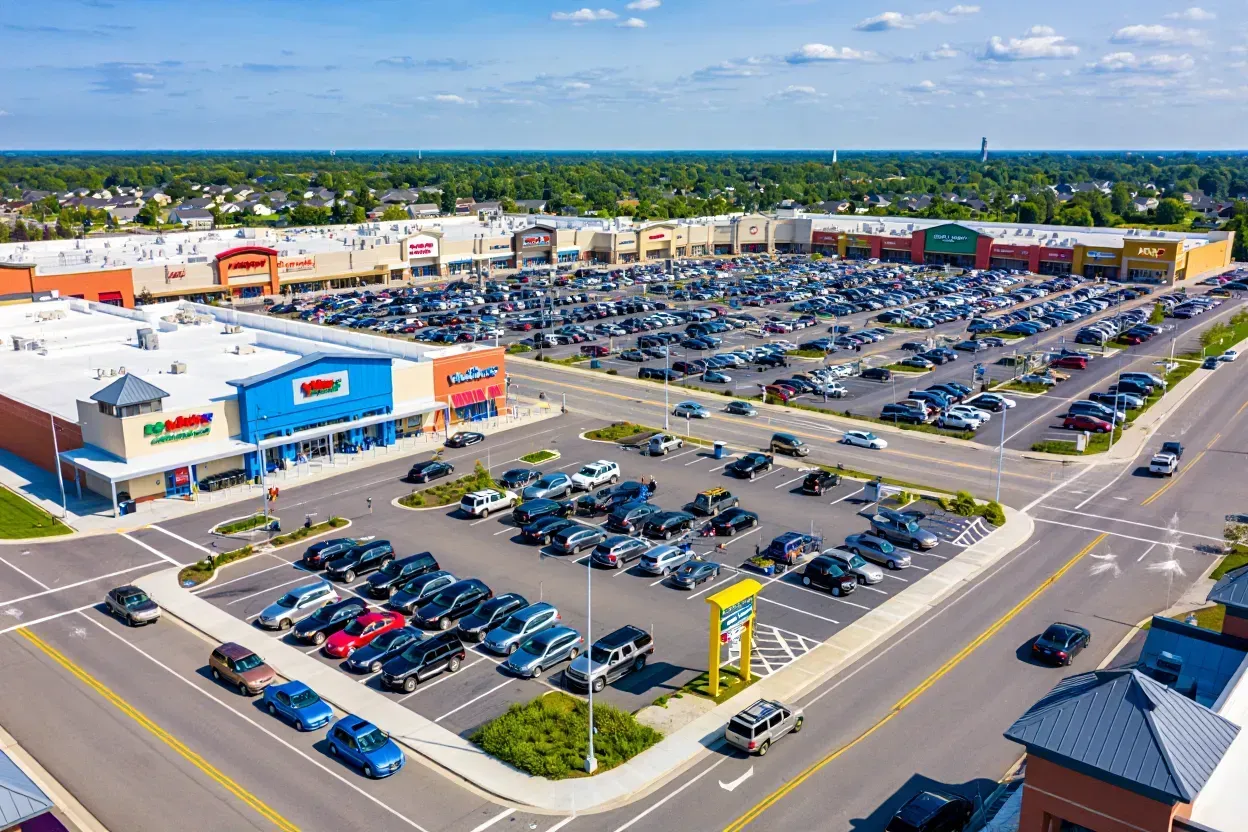
The parking lot has always been the unglamorous footnote of the shopping center — a sea of asphalt engineered for cars, not cash flow. That thinking is changing fast. 


Across the retail real estate sector, a growing number of developers and institutional owners are rethinking what a shopping center can actually produce. Rent, long the singular metric of center performance, is increasingly just one line on a longer income statement. The landlords gaining ground today are treating their properties less like passive real estate and more like operating businesses — monetizing foot traffic, sun exposure, curb space, and even consumer data in ways that would have seemed far-fetched a decade ago...
The main entrance of the NuHAA building, featuring a modern glass and stone facade, at sunset.

CoStar: Retail vacancy to rise before end of year


Retail vacancy is “balanced” to start 2026.

That’s according to new data from CoStar Group, which found that U.S. retail vacancy is anticipated to peak in the mid-4.4% range, with projections to increase slightly in 2026 before “stabilizing and gradually tightening” next year.

CoStar predicts that net absorption is forecasted to remain modest through the first half of 2026 before improving in the latter half of the year. An average of between 4 to 5 million square feet of space is expected to be absorbed per quarter...

A green Publix Food & Pharmacy sign mounted on a white and beige building exterior against a blue sky.

Study: Consumers to cut back on restaurant spending — even at QSRs

High prices are pushing consumers away from dining out in an effort to cut costs.

That’s according to new data released by SmartSense by Digi, an Internet of Things (IoT) Sensing as a Service solutions provider, which noted that 66% of consumers are cutting back on dining overall as 59% of consumers report worsening economic conditions over the past six months...

Two bundt cakes on small plates: one with chocolate drizzle, one with caramel drizzle, with cinnamon sticks nearby.

CVS earnings, revenue top Street amid improvements in Aetna insurance business


CVS Health Corp. reported a strong first quarter, with better-than-expected growth across all three of its business segments.

The retail pharmacy and health care giant also raised its its 2026 guidance as its insurance unit (Aetna), which has been struggling amid higher medical costs, showed improvement.

“Our performance reflects a substantial improvement from the prior-year quarter as we continue to execute on our margin recovery plans at Aetna,” CFO Brian Newman said on the company’s earnings call...

Interior of a casual restaurant featuring blue chairs, red accents, brick walls, and a

Retail Construction Completions Hit 20-Year Low

According to Bisnow, US retail construction completions fell to their lowest level in at least 20 years during Q1 2026, underscoring how little new supply is entering the market even as investor appetite for retail assets accelerates. CBRE reported just 4.7M SF of retail deliveries nationwide last quarter, down sharply from the sector’s modern peak of more than 25M SF in Q4 2015.


The slowdown reflects a retail market still grappling with elevated development costs and a constrained labor pool, even as fundamentals remain relatively stable. At the same time, institutional capital continues flowing into the sector, drawn by limited supply and resilient tenant demand...


By Marc Perlof September 21, 2026
By Marc Perlof | @MarcRetailGuy CA #01489206 September 21, 2026 If you own retail real estate, here’s what just changed for you. Americans with Disabilities Act (ADA) risk is not only about lawsuits and CASp reports. It is also about what can actually be corrected at the property. For California retail property owners, the phrase that matters is “readily achievable.” In plain English, readily achievable means certain accessibility barriers may need to be removed when the work can be done without much difficulty or expense. That does not mean every older retail property must be rebuilt from scratch. It also does not mean an owner can ignore the issue because the building has been that way for years. The real question is practical: what can be fixed, who should fix it, what will it cost, and how could the issue affect the property’s value? Why Readily Achievable Repairs Matter Many retail owners hear “ADA” and assume the issue will be expensive, complicated, and impossible to manage. Sometimes it can be. But not every ADA issue requires a major rebuild. Some items may be smaller and more manageable. Examples may include signage, striping, door hardware, restroom accessories, threshold issues, counter access, parking markings, or path of travel items. Other issues may be more complex, especially when slopes, restrooms, ramps, structural conditions, or site layout are involved. The point is not that every repair is simple. The point is that owners should understand which issues are manageable and which issues may require a larger plan. That knowledge matters because uncertainty can become expensive. If an owner does not know what needs to be fixed, a buyer, tenant, attorney, or plaintiff may define the problem for them. That usually puts the owner in a weaker position. Does Year Built Matter? Year built can matter, but owners should not rely on age alone. Older retail properties may have more accessibility issues because parking, restrooms, entrances, slopes, counters, and paths of travel may not match current standards. But newer properties can still have problems if work was done incorrectly, tenant improvements changed the layout, parking was restriped, restrooms were altered, or access routes were modified. The better question is not only, “When was the property built?” The better question is, “ What is the current condition of the property today? ” A property can be old and still have manageable issues. A property can be newer and still have compliance problems. Owners should avoid assumptions. Common Retail Property Areas That May Create ADA Risk For retail properties, readily achievable repairs often show up in customer facing areas such as parking, access aisles, signage, paths of travel, entrances, doors, restrooms, service counters, seating areas, and common areas. The key issue is not just where the problem is located. The key issue is whether the repair is practical, who controls the area, and whether the lease shifts any responsibility to the tenant. Before making repairs, the owner should understand the property condition, the tenant’s use, the lease language, and the likely cost. Some items may be simple. Others may require design, permits, tenant coordination, or a larger plan. How Readily Achievable Repairs Affect Value Readily achievable repairs affect value because they can turn unknown risk into known cost. If an owner identifies a $10,000, $20,000, or $35,000 issue before a sale, the owner can make a decision. Repair it. Budget for it. Disclose it. Price it. Negotiate around it. Get professional advice on the proper path. But if the issue appears during escrow with no plan, the buyer may assume the risk is larger than it really is. That can lead to a larger price reduction, repair credit, holdback, longer due diligence period, or stronger seller protections. In some cases, the buyer may use the issue to renegotiate the deal. This is the value problem. The repair cost may be one number. The buyer’s fear may be a much larger number. For retail owners, the goal is to avoid letting someone else turn a manageable repair into a major pricing issue. How Repairs Can Affect NOI and Leasing ADA repairs can also affect leasing and NOI. If a new tenant needs accessibility work before opening, the tenant may ask the landlord to complete the work, provide more TI money, give more free rent, reduce rent, or delay the rent commencement date. That affects income. If income is reduced, value may be reduced. For example, if unresolved accessibility issues cause the owner to give extra free rent or absorb improvement costs, the impact is not only the repair bill. It can also affect the lease economics and the property’s value. This is especially important with restaurants, medical users, dental tenants, service tenants, franchise tenants, and other businesses that serve the public. A tenant may still lease the space. But if the owner has not evaluated accessibility issues early, the tenant may gain negotiation leverage. What Retail Owners Should Do Retail owners should take a practical approach. Identify the customer facing areas of the property. Look at parking, access aisles, entrances, doors, paths of travel, restrooms, counters, signage, and common areas. Review the lease. Understand what belongs to the landlord, what belongs to the tenant, and what may be shared. Get the right guidance before making decisions. ADA and California accessibility claims are technical. Owners should speak with an ADA attorney and qualified accessibility professional before ordering reports, making written statements, or starting repairs. Separate small fixes from larger issues. Some items may be manageable. Others may require design, permits, tenant coordination, or a larger budget. Think about value. The question is not only, “What does this repair cost?” The better question is, “What happens if this issue comes up during a lawsuit, lease negotiation, refinance, or sale?” That is where small problems can become expensive. Common Questions Retail Owners Ask Does readily achievable mean optional? No. Owners should not treat it as optional. It means the work may be required when it can be done without much difficulty or expense. Does an older building get a free pass? No. Older buildings may not need to be rebuilt from scratch, but owners should not assume age eliminates accessibility risk. Should every issue be fixed immediately? Not always. Owners should get proper legal and technical guidance, understand the priority, and create a controlled plan. Final Thought Readily achievable repairs matter because they connect ADA risk to real ownership decisions. For retail property owners, the goal is not panic. The goal is control. If the owner understands the issues early, the owner can decide what to repair, what to budget for, what to discuss with counsel, what to negotiate with the tenant, and what may affect value. If you are unsure whether an ADA repair is a small fix or a larger value issue, I can help you look at how it may affect leasing, NOI, and sale risk. If the owner waits until a lawsuit, tenant demand, buyer inspection, or escrow issue, the owner may have fewer options and less leverage. In next week’s blog, “How ADA Risk Affects Retail Property Value, Leasing, and Sale Negotiations,” we will discuss how accessibility issues can affect pricing, buyer confidence, NOI, lease terms, escrow, and final net proceeds. Based in Los Angeles. Serving Southern California. Active across California. Advising clients nationwide. #RetailRealEstate #CommercialRealEstate #CaliforniaRealEstate #RetailPropertyOwners #ADACompliance #CASp #PropertyValue #CommercialProperty #MarcRetailGuy
By Marc Perlof September 18, 2026
10-year Treasury yield hits highest level since 2007 ahead of Fed rate decision New York — The bond market sell-off is raising the stakes for the Federal Reserve’s monetary policy meeting this week and putting a spotlight on the central bank’s commitment to reining in inflation. Traders widely expect the Fed to raise its benchmark interest rate on Wednesday for the first time since 2023. Traders are pricing in a 92% chance of a rate hike, according to CME FedWatch, a real-time forecasting tool...
By Marc Perlof September 14, 2026
By Marc Perlof | @MarcRetailGuy CA #01489206 September 14, 2026 If you own retail real estate, here’s what just changed for you. Why CASp Reports Matter A Certified Access Specialist (CASp) report can help a California retail property owner understand accessibility issues before they become a bigger problem. It may identify concerns involving parking, paths of travel, entrances, doors, restrooms, signage, counters, slopes, and common areas. The value of a CASp report is clarity. It helps an owner understand what issues exist, what may need to be corrected, what may affect a lease or sale, and what requires legal guidance. But owners should be careful. A CASp report should not be ordered casually with no plan. If a report identifies issues and the owner does nothing, the owner may create a record of known problems without a strategy to address them. For retail property owners, the real value of a CASp report is not the report itself. It is reducing uncertainty before that uncertainty turns into buyer leverage, tenant demands, settlement pressure, or a lower sale price. What Is a CASp Report? A CASp inspection is performed by a trained accessibility professional who reviews a property for construction-related accessibility issues. For retail owners, a CASp report may review customer-facing areas such as parking, access aisles, ramps, walkways, entrances, doors, restrooms, counters, signage, slopes, and common areas. The exact scope depends on the property, the tenant use, and the purpose of the inspection. That matters because many owners do not know where the problems are until someone else points them out. That someone may be a plaintiff, attorney, tenant, buyer, lender, or inspector. Why Timing Matters Timing matters with CASp reports. In some situations, getting a CASp inspection before a claim may provide more options than waiting until after a lawsuit is filed. Owners should confirm the timing, legal effect, and any potential benefits with an Americans with Disabilities Act (ADA) attorney before relying on a CASp report. This is one reason retail owners should think about accessibility before there is pressure. Before a lawsuit, sale, refinance, major lease negotiation, tenant turnover, or remodel, an owner may have more control. The owner can speak with an attorney, decide whether a CASp inspection makes sense, evaluate the findings, budget for work, and create a plan. After a lawsuit or during escrow, the owner may have less control. Deadlines are tighter. Buyers may use the issue as leverage. Tenants may resist responsibility. Repairs may need to be priced quickly. That is when unknown risk becomes expensive. Can a CASp Report Create a Problem? Yes, if the owner handles it poorly. A CASp report can be helpful, but it can also create pressure if it identifies issues and the owner ignores them. The problem is not the report itself. The problem is having knowledge of potential issues with no plan to address them. That is why owners should speak with an ADA attorney and a qualified accessibility professional before ordering inspections, making written statements, or starting repairs. The right sequence matters. Get the right guidance. Define the purpose of the report. Review the findings. Create a realistic plan for what can be corrected, what may need more review, and what should be documented. How CASp Reports Can Affect Property Value CASp reports can affect value because they reduce uncertainty. Buyers do not only look at rent, Net Operating Income (NOI), lease term, cap rate, and tenant strength. They also look at risk. If a buyer sees unresolved ADA concerns with no report, no explanation, and no plan, the buyer may assume the worst. That can lead to a lower offer, a repair credit, a price reduction, a holdback, a longer due diligence period, or stronger seller protections. A CASp report can help shift the conversation from guessing to facts. That does not mean every buyer will ignore the issue. It does not mean the property is perfect. But it can help the owner show that the issue has been reviewed and that there is a plan. In real estate, fear often creates bigger discounts than facts. If a repair costs $20,000, the owner wants the discussion to be about $20,000, not a buyer guessing the issue could cost $100,000. That is how clarity can protect value. How CASp Reports Can Affect Leasing CASp reports can also affect leasing. A restaurant, medical tenant, dental tenant, franchise operator, or service tenant may care about accessibility before signing a lease or opening for business. If the owner understands the property’s accessibility issues before lease negotiations, the owner can better decide what work belongs to the landlord, what work belongs to the tenant, and whether the issue should affect rent, tenant improvement money, free rent, or delivery condition. Without that information, the owner may negotiate blind. That can cost money. What Retail Property Owners Should Do Retail owners should not treat CASp reports as a box to check. They should treat them as part of a risk and value strategy. Speak with an ADA attorney before ordering reports or making written statements. Use a qualified CASp professional who understands commercial properties and retail access issues. Define the purpose and scope of the report before the inspection begins. Create an action plan for items that may need correction and consider how the findings could affect a sale, refinance, lease negotiation, or tenant relationship. The goal is to avoid surprises. A surprise during escrow can become a price reduction. A surprise during a lease negotiation can become extra landlord work. A surprise after a lawsuit can become settlement pressure. Final Thought A CASp report is not magic. It does not eliminate every risk, replace legal advice, or automatically protect property value. But it can give a retail property owner something valuable: clarity. For retail property owners, the real value of a CASp report is not just knowing what is wrong. It is knowing what to do next. If you are considering a CASp report before a lease, refinance, or sale, I can help you think through how the findings may affect value, timing, and buyer leverage. In next week’s blog, “Readily Achievable ADA Repairs: What Retail Property Owners Should Understand,” we will discuss why some accessibility fixes may be more manageable than owners think, how year built can matter, and why current property condition matters more than assumptions. Based in Los Angeles. Serving Southern California. Active across California. Advising clients nationwide. #RetailRealEstate #CommercialRealEstate #CaliforniaRealEstate #RetailPropertyOwners #ADACompliance #CASp #PropertyValue #CommercialProperty #MarcRetailGuy
More Posts