Weekly Perl: A Commercial Real Estate News Recap

Marc Perlof • May 29, 2026
A banner for weekly commercial real estate news recap
A car is parked in front of a sign that says 223

Americans are 'entrenched' in financial stress amid debt and price pressures 

Economic conditions like gas prices well above $4 a gallon, according to AAA estimates, and annual inflation nearing 4%, per the Bureau of Labor Statistics, are pushing Americans’ financial stress levels higher.

The National Foundation for Credit Counseling expects Americans’ economic stress levels to tick back up in the second quarter of the year after a slight fall in the first quarter, according to its quarterly Financial Stress Forecast released on Wednesday...
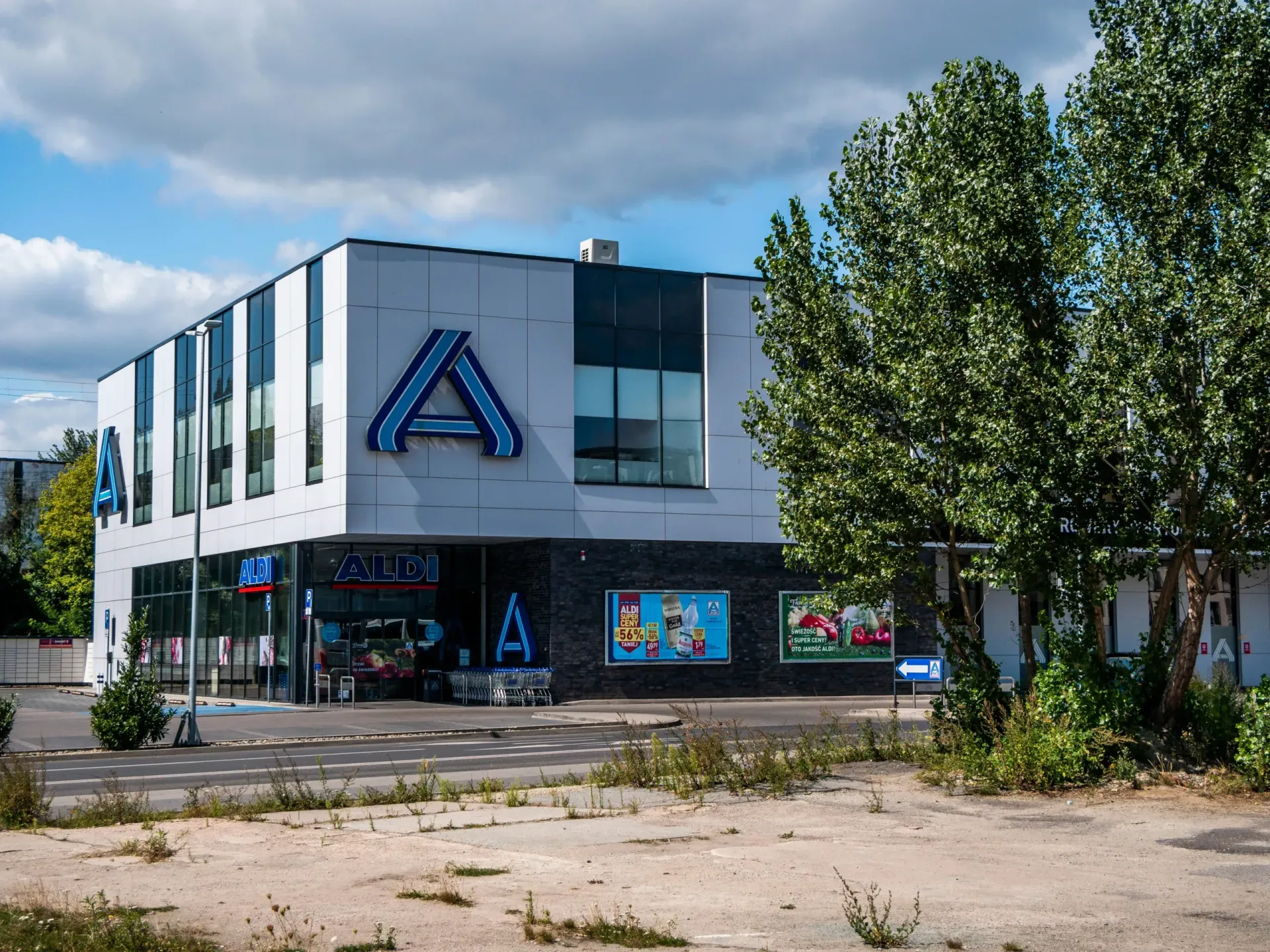
The front of an aldi store with a sign in front of it.

Target Q1 tops estimates with strongest sales gains in four years

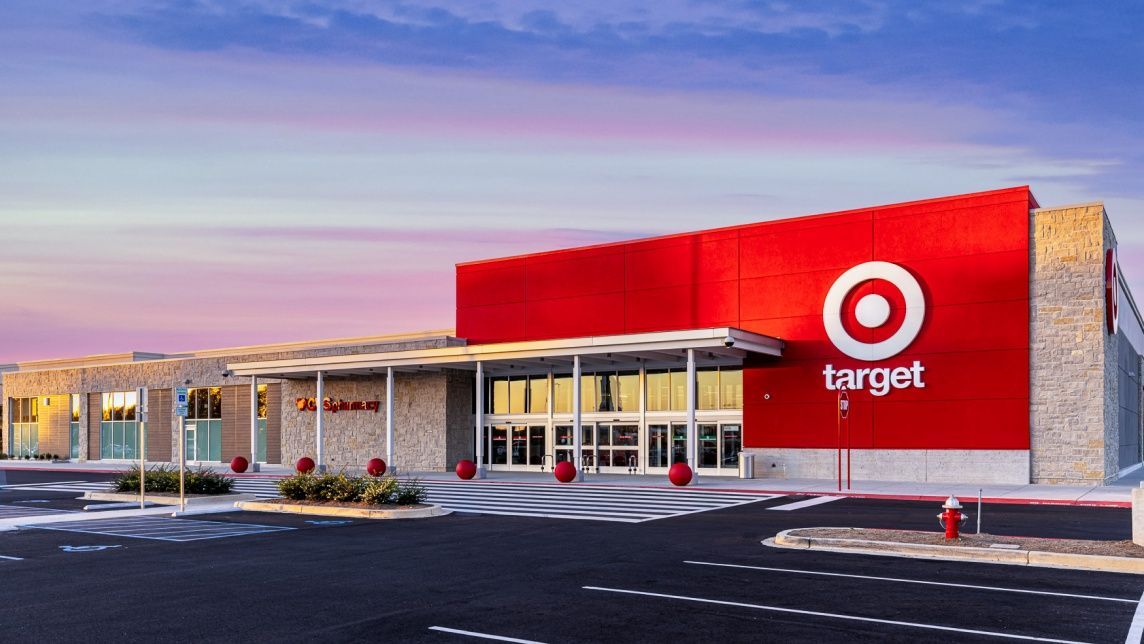
Target Corp. came out of the gate swinging in its first quarte, with better-than-expected sales in all six of its core merchandising categories as its turnaround efforts to attract shoppers under new CEO Michael Fiddelke gain momentum. 

The discounter reported that its total comparable sales rose 5.6%, the chain’s biggest quarterly increase since early 2022. Customer traffic rose 4.4% compared to the year-ago quarter...
An elevated outdoor view of a modern shopping mall promenade with manicured greenery, palm trees, and pedestrians.

Treasury yields tick lower as investors stay optimistic on Iran peace deal prospects despite U.S. strikes


Treasury yields inched lower on Wednesday as investor optimism over a potential settlement to the war in Iran was undented by pressure on the fragile ceasefire between Washington and Tehran. 

The yield on the 10-year U.S. Treasury note — the key benchmark for U.S. government borrowing — fell 1 basis point to 4.481%...
The American flag waves against a bright blue sky between towering glass skyscrapers, viewed from a low angle.

Urban Outfitters notches record quarter; to open 54 stores this year


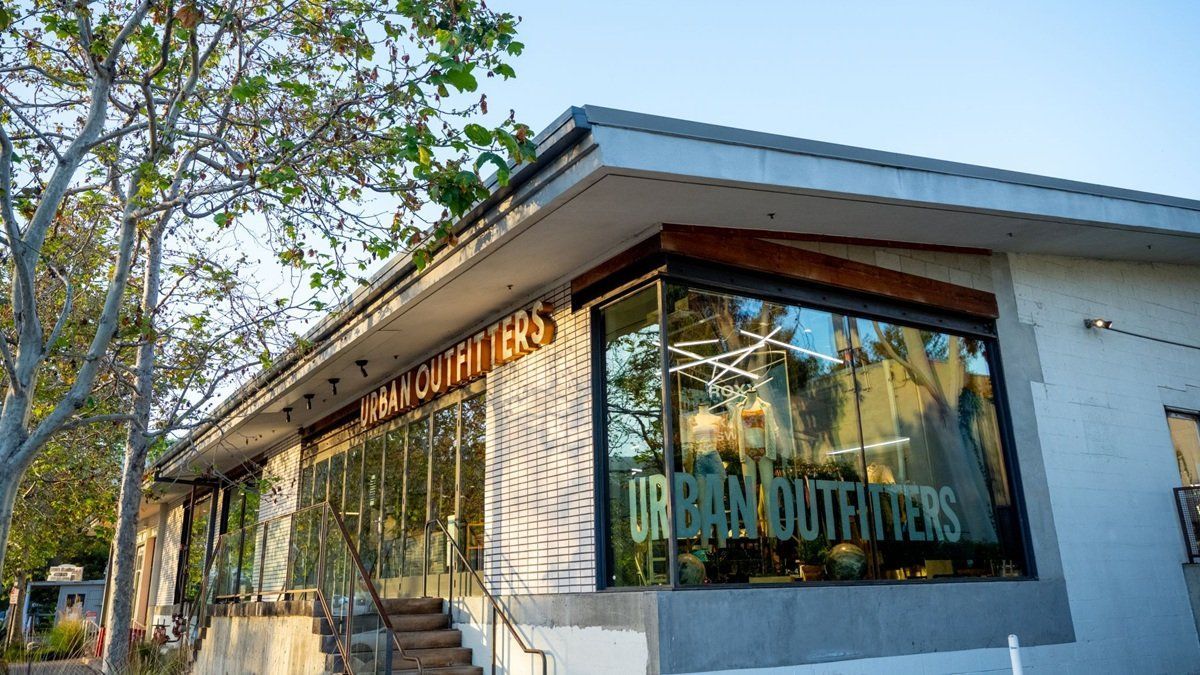
Urban Outfitters Inc. reported record first-quarter earnings and sales, with increases across all its divisions.

The apparel retailer’s earnings and revenue topped expectations, with especially strong performances from its wholesale and subscription segments, and its FP Group business, which is made up of Free People and activewear brandFP Movement...
A flat, single-story retail building with a

Abercrombie & Fitch sales hit record despite headwinds; to open 50 stores

The war in the Middle East weighed on Abercrombie & Fitch Co.’s first-quarter results, but its earnings still topped analyst expectations and its sales hit a new quarterly record.

The apparel retailer gave weaker-than-expected guidance for the current quarter, and said the conflict in the Middle East has “directly impacted” sales. In the earnings statement, CEO Fran Horowitz said that demand softened in Abercrombie’s Europe, Middle East and Africa region (EMEA) as the Middle East conflict ramped up, particularly impacting Hollister Brands, “and we are proactively managing inventory and marketing to support the region...” 
The main entrance of the NuHAA building, featuring a modern glass and stone facade, at sunset.

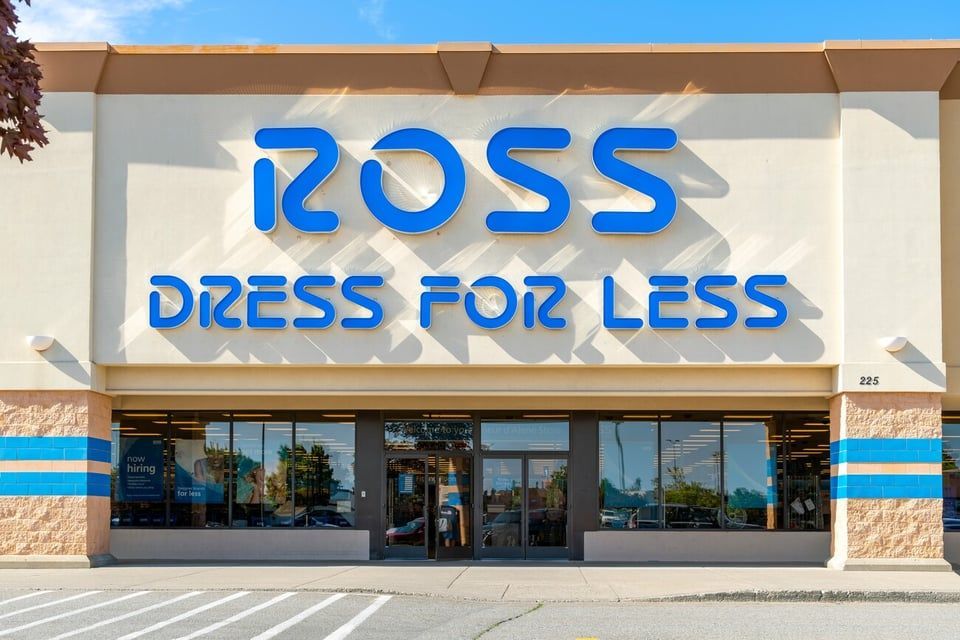
Ross Stores sales surge 21%; to open about 110 new stores in 2026


Ross Stores reported first-quarter earnings and sales that “significantly” exceeded guidance as it cited broad-based strength across its business.

The off-price retailer is not slowing down in its expansion. During the first quarter, it expanded into new and existing markets, opening 13 Ross stores and four DD's Discount locations. For the full year, the retailer plans to open approximately 110 new Ross stores and 25 DD's Discounts, CEO James Conroy said during the company's earnings call...
A green Publix Food & Pharmacy sign mounted on a white and beige building exterior against a blue sky.

Restaurant chains try to support franchisees as costs soar, sales slow

Major restaurant chains are taking steps to ensure the long-term viability of regional franchise networks that often account for most of their location expansion but are now being hit especially hard by rising costs and reduced consumer spending.

In recent quarterly earnings calls, executives of some U.S. dining chains discussed measures that include helping franchisees with remodeling and format changes and allowing franchisees to exit operating agreements ahead of contract expirations. This has allowed some chains to take back locations that were formerly franchised, and in some cases reassign stores to better capitalized franchisees...
Two bundt cakes on small plates: one with chocolate drizzle, one with caramel drizzle, with cinnamon sticks nearby.

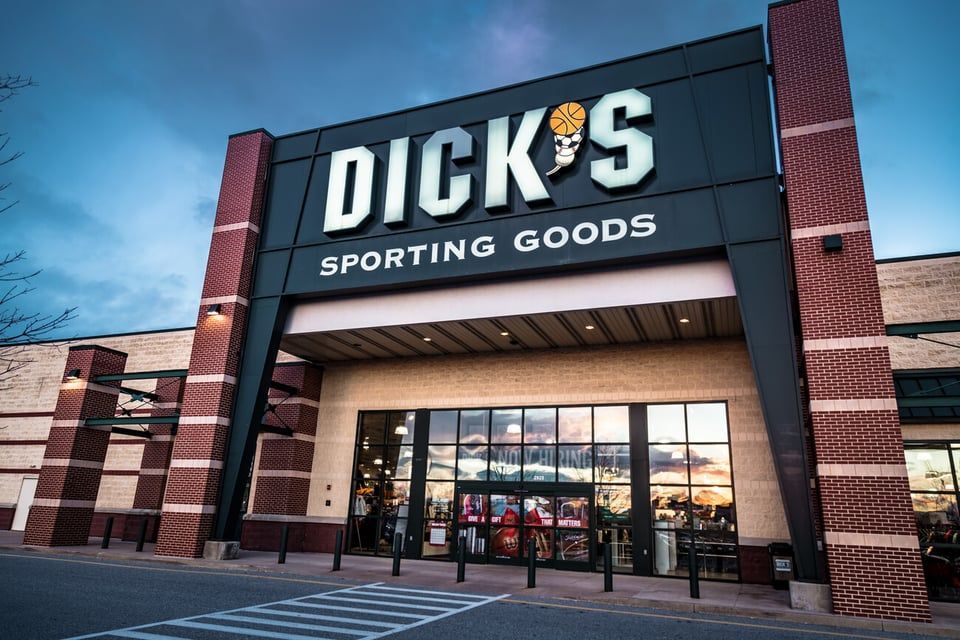
Dick’s Sporting Goods sales top estimates; Foot Locker returns to growth


Dick’s Sporting Goods reported strong first-quarter revenue that topped estimates as its Dick's business continued to gain momentum and its Foot Locker business showed signs of turnaround.

The sporting goods giant's namesake business saw broad-based strength across its entire portfolio. Meanwhile, Foot Locker, which Dick’s acquired in September 2025, posted its first comparable sales gain since the fourth quarter of 2024, with growth of 0.6%. At Foot Locker U.S., comparable sales grew 6.4%...
Interior of a casual restaurant featuring blue chairs, red accents, brick walls, and a

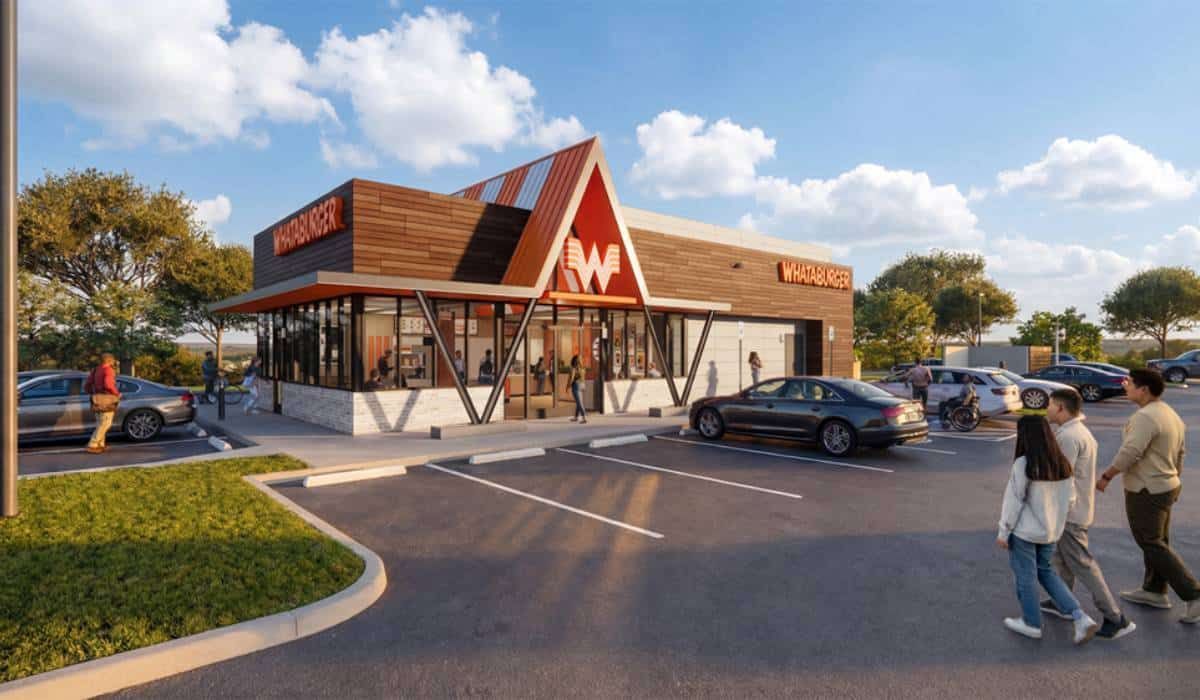
Whataburger Revives Iconic A-Frame in New Restaurant Prototype

Whataburger has two new restaurant prototypes, and it has customers to thank.


Chief development officer Todd Ewen says design development started with listening. Guests told the company that they missed some elements that made “Whataburger feel like a Whataburger,” and he admits the 76-year-old company moved away from that across its recent iterations.

Billy Bias, director of design, notes that Whataburger used the A-frame from the beginning of its history until the mid-2000s. Now it’s coming back...
Retail REITs Ride A Scarcity Boom At ICSC 2026


Retail real estate entered ICSC 2026 with a noticeably different tone than prior years: optimism has replaced skepticism, and scarcity has replaced oversupply concerns. According to a May 21 BofA Securities report, conference attendance rose roughly 15% to 20% year over year as brokers, landlords, tenants, and investors crowded Las Vegas looking for deals and space.

Instead of debating whether brick-and-mortar retail can survive e-commerce pressure, industry players spent the conference discussing how hard it has become to secure quality retail space and investment opportunities. BofA analysts summarized the shift bluntly: “Retail’s new problem is not demand, it’s availability...”



By Marc Perlof May 25, 2026
By Marc Perlof | MarcRetailGuy CA #01489206 May 25, 2026 If you own retail real estate, here’s what just changed for you. Some pricing strategies are rarely explained but can significantly impact your final sale price. The way your property is positioned can create competition, increase buyer activity, and change the outcome. Most owners never see how these strategies are actually used. More advanced pricing strategies are being used to control how buyers engage with a deal. In today’s market, demand is not assumed. It is created. What is causing it? Buyers are more selective and underwriting more carefully. Strong assets still attract interest, but only when they are positioned correctly. The difference is no longer just the property. It is how the deal is structured. How do advanced strategies impact your property value? They influence how many buyers engage and how those buyers behave. More activity creates competition. Competition leads to stronger offers and better pricing. What separates strong results from average ones? The ability to create that competition early in the process. Deals that rely on one buyer tend to settle. Deals that create multiple buyers competing tend to outperform. When should you use off-market strategies? Use them when discretion is important or when targeting specific buyers. When should you use controlled pricing approaches? Use them when you want to manage how buyers engage with your property and control how pricing is perceived in the market. Deals that generate early buyer competition are achieving stronger pricing than those relying on a single negotiated offer. Pricing strategy is not about exposure alone. It is about controlling the process and how buyers respond. Bonus: Strategic Underpricing Strategic underpricing involves positioning the property slightly below expected market value to increase early buyer activity. The goal is not to sell low. It is to create competition. When more buyers engage at the same time, the dynamic shifts. Buyers move faster, adjust their assumptions, and compete more aggressively on both price and terms. Some buyers may initially assume the pricing reflects distress or a motivated seller. That is why positioning and process matter. When the deal is presented correctly and buyer activity is visible, that perception shifts from “opportunity” to “competition.” This strategy only works under specific conditions. The pricing range, timing, and how buyer activity is managed during the process all need to be aligned. When used incorrectly, it can lead to weaker offers instead of stronger ones. That is why it is applied selectively and structured carefully. Most owners never see how this is actually executed. If you want to see how this strategy is structured in a real transaction, including pricing ranges, timing, and how multiple offers are managed, I put together a short guide you can request. Send me a message and I will share it with you. Are you creating competition or negotiating with one buyer? Call or DM me for more information. Based in Los Angeles. Serving Southern California. Active across California. Advising clients nationwide. #RetailRealEstate #InvestmentSales #NNN #CRE #ShoppingCenters #StripCenters #LosAngelesRealEstate #CommercialBroker #PropertyValue
By Marc Perlof May 22, 2026
Retail Real Estate Leaders Brace for Inflation Risks Retail real estate professionals arrived at ICSC Las Vegas this week with leasing momentum still intact, but economic anxiety creeping into conversations across the industry’s biggest annual gathering. Executives interviewed by CoStar News said resilient consumer spending and active retailer demand continue to support the sector, even as inflation, fuel prices, and global instability cloud the outlook for the second half of 2026...
By Marc Perlof May 18, 2026
By Marc Perlof | MarcRetailGuy CA #01489206 May 18, 2026 If you own retail real estate, here’s what just changed for you. In some situations, removing the price can lead to stronger offers. This approach allows the market to determine value instead of limiting it upfront. When used correctly, it can create competition and improve your outcome. More retail properties are being marketed without a price. Brokers are using offer-driven strategies to let buyers compete based on their own assumptions. What is causing it? Differences in buyer expectations and uncertainty in valuation are driving this shift. In many cases, investors and developers value the same property differently, especially when there is upside or redevelopment potential. How does removing the price affect your value? Removing the price can eliminate the ceiling. Buyers are not anchored to a specific number, which can lead to stronger offers when demand is present. When multiple buyers are involved, this approach can create competition and push pricing higher. What is the risk? If demand is limited, offers may come in below expectations. This often happens when the buyer pool is thin or when the property has uncertainty, such as a short lease term, tenant risk, or redevelopment challenges. When should you use Request for Offers? Use it when there is strong demand and the property is expected to attract multiple buyers. Even in these situations, active buyers and brokers will often ask for pricing guidance or a whisper price to understand where the seller expects the deal to trade. When should you use a more flexible approach? Use submit offers when you want flexibility and are testing the market. This approach allows you to respond to buyer feedback while still maintaining control of the process. Some properties are marketed without a price because the broker does not have a clear view of value. That is not the same as a strategy. When used correctly, removing the price is intentional and supported by buyer demand, positioning, and a defined process. Without that structure, it can create confusion and weaker results. We are seeing strong assets generate multiple offers with this approach, while weaker deals struggle to gain traction without pricing guidance. This strategy is not about avoiding a price. It is about allowing the market to define it when the conditions support it. If you need context, review Part 2: “Should You List Your Retail Property With an Asking Price?” In next week’s final article, read “How Strategic Underpricing Can Increase Your Retail Property Sale Price” (Part 4) , including one approach many owners overlook. If you are considering an offer-driven strategy, reach out before going to market. I will help you determine if your property can support it and how to structure it properly. Call or DM me for more information. Would removing your price increase your value or create uncertainty? Based in Los Angeles. Serving Southern California. Active across California. Advising clients nationwide. #RetailRealEstate #CRE #InvestmentProperty #CommercialBroker #LosAngelesRealEstate #NNN #RetailInvesting #PropertySales
More Posts