Weekly Perl: A Commercial Real Estate News Recap
Marc Perlof • July 10, 2026
A banner for weekly commercial real estate news recap
A car is parked in front of a sign that says 223

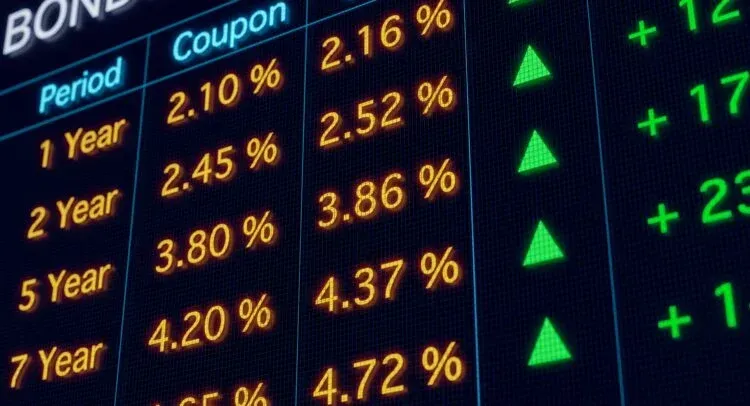
10-Year Treasury Yield Falls to 4.539% — Data Talk

(Re-opening) The 10-year yield declined 0.030 percentage point to 4.539% today. The price is 98 23/32.

--Largest one-day yield decline since Wednesday, June 24, 2026

--Snaps a seven-trading-day streak of rising yields

--Yield is off 0.130 percentage point from its 52-week high of 4.668% hit Tuesday, May 19, 2026

--Yield is up 0.586 percentage point from its 52-week low of 3.952% hit Wednesday, Oct. 22, 2025

--Yield is up 0.192 percentage point from 52 weeks ago...

The front of an aldi store with a sign in front of it.

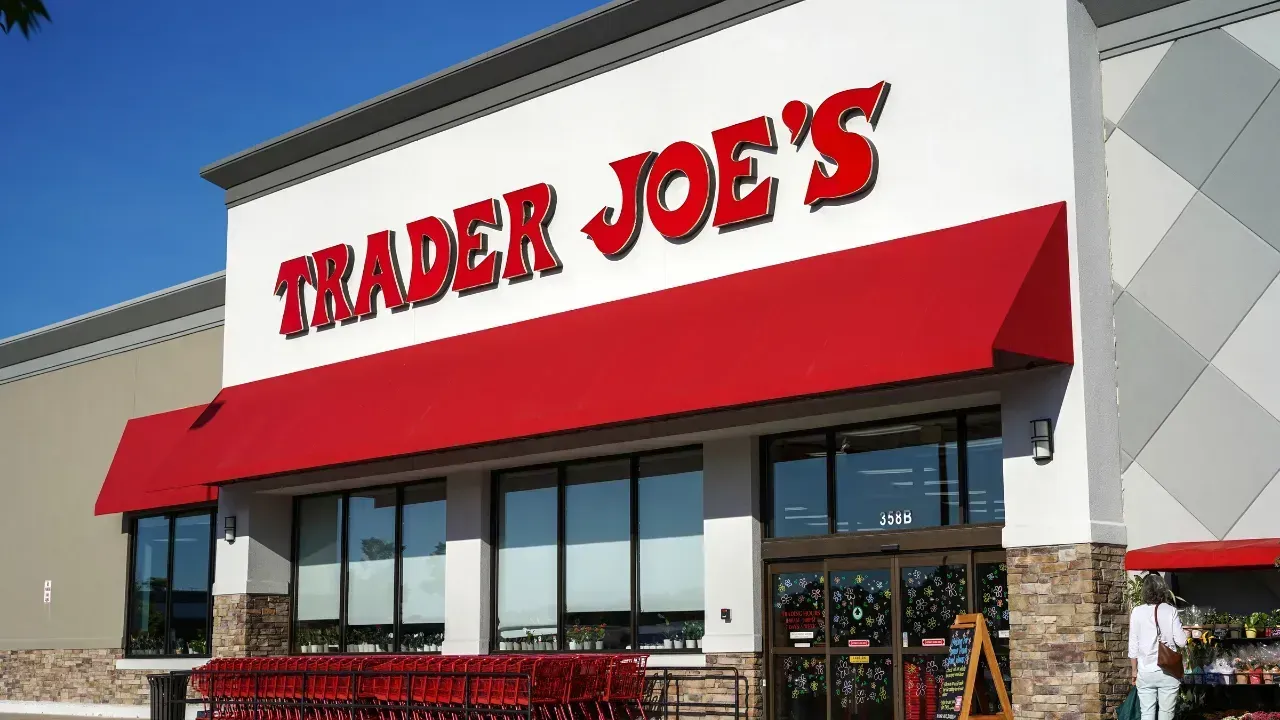
Trader Joe’s has plans for 9 new stores

Trader Joe’s announced it will be opening new stores in eight states, according to multiple reports.

The grocer plans to power up 21 stores over the next six months, and the latest round will appear in the following cities:

  • Phoenix
  • Sarasota
  • Chicago
  • Quincy, Mass.
  • Farmington Hills, Mich.
  • Syracuse
  • Yonkers, N.Y.
  • University Heights, Ohio
  • West Jordan, Utah...


An elevated outdoor view of a modern shopping mall promenade with manicured greenery, palm trees, and pedestrians.

Culver City Weighs Citywide Ban on New Drive-Throughs

CULVER CITY — Culver City has temporarily halted approvals for new drive-through uses, adopting a 45-day moratorium while officials consider whether future drive-throughs should be banned citywide.


The City Council adopted the interim urgency ordinance June 8, pausing new building permits and entitlements for new drive-through uses. Existing drive-through businesses are not affected, according to the city....

The American flag waves against a bright blue sky between towering glass skyscrapers, viewed from a low angle.

Inflation Pushes Back-to-School Shoppers to Discount Retail

Inflation is forcing families to rethink their back-to-school strategies, per JLL’s 2026 Back-to-School Survey cited by Commercial Observer. This year’s shopping lists are getting more cost conscious as parents face rising prices for both supplies and essentials. Dollar stores are now firmly on the map, cracking the survey’s top 10 most-cited destinations for the first time. Mass merchants and discount formats alike are seeing renewed demand, with mid-income families increasing budgets the most. Back-to-school, traditionally a reliable seasonal traffic driver, is now shaping up as a battleground for value-focused shopping centers and tenants...

A flat, single-story retail building with a

Publix opens 6 stores

Publix opened six stores during the month of June, according to the latest data provided by ScrapeHero.

Dollar Tree, however, powered up the most locations during the month with nine. Kroger and Trader Joe's opened four while Sam's Club opened three.

On the flip side, Family Dollar had 11 closings in June and Walgreens, Save A Lot and Dollar Tree closed four stores.

For a map showing all of the store openings and closings click here.

This interactive look at the grocery landscape comes via a monthly partnership with ScrapeHero.com, a web scraping service firm that provides POI data scraped from the websites of retailers across the country...


The main entrance of the NuHAA building, featuring a modern glass and stone facade, at sunset.

Amazing Brands Acquires Hot Dog on a Stick, Eyes National Expansion


Hot Dog on a Stick has a new owner, which hopes to turn one of America’s most recognizable mall brands into a national restaurant platform.


Amazing Brands founder Stephen Siegel announced Wednesday that an affiliate of the company acquired Hot Dog on a Stick through a bankruptcy court-approved transaction, ending the concept’s chapter under FAT Brands and beginning what the company describes as a long-term effort to modernize and expand the nearly 80-year-old chain.

The acquisition comes after months of restructuring at FAT Brands, which filed for bankruptcy in January under roughly $1.5 billion in debt...
A green Publix Food & Pharmacy sign mounted on a white and beige building exterior against a blue sky.

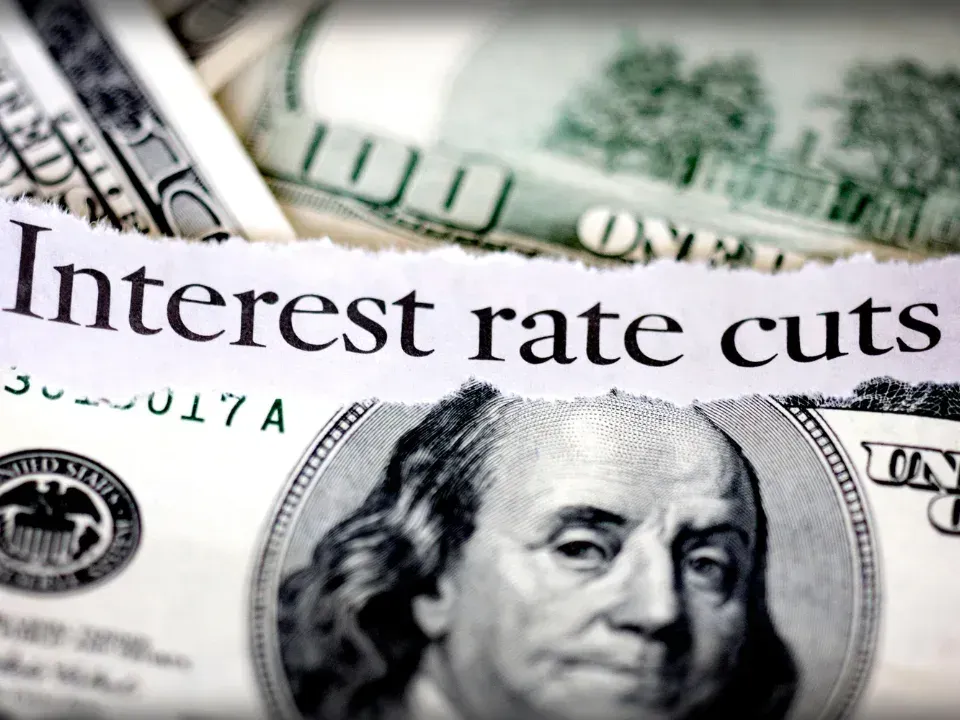
Stable Interest Rates Outperform Fed Cuts for CRE, per Newmark


Commercial real estate returns have historically outperformed during stable rate periods, challenging investors focused on Fed rate cuts.


Many CRE investors have treated lower interest rates as the key to
restoring deal activity.

According to Newmark, history points to a different conclusion. The firm’s research suggests stable rate environments have produced stronger long-term returns than periods when the Federal Reserve was cutting rates...


By Marc Perlof • October 9, 2026
10-year Treasury yield hits highest level since 2002 as stocks retreat: AlphaCheck Good morning. Stocks retreated on Wednesday as long-dated bonds climbed again and Brent crude oil futures ( BZ=F ) rose back above $100 per barrel. The 10-year Treasury ( ^TNX ) yield, used as a benchmark for mortgages and other loans, rose to 5.34%, its highest level since 2002. Meanwhile, the 2-year Treasury climbed to 4.82%. Stocks are coming off all-time highs, though the breadth of the market rally has deteriorated in recent weeks...
By Marc Perlof • October 5, 2026
By Marc Perlof | @MarcRetailGuy CA #01489206 October 5, 2026 If you own retail real estate, here’s what just changed for you. A national brand on your building does not prove that the national parent company guarantees the rent. If a smaller subsidiary, franchise company, affiliate, or location-specific LLC is actually responsible, buyers and lenders may view your income as less secure and price your property differently. The main decision is simple: verify the legal tenant, every guarantor, and the limits of each guaranty before buying, refinancing, renewing, or selling the property. What Owners Commonly Miss The company operating at your property may use a national name, logo, products, and marketing without the national parent company being responsible for the lease. One location may be leased directly by the parent company. Another location using the same brand may be operated by a subsidiary, regional company, franchisee, or separate LLC formed for that store. To customers, the locations may look identical. Legally, they may provide very different levels of support. A franchisor may approve the location, control operating standards, and receive franchise fees without agreeing to pay the rent. A subsidiary may have a name similar to the parent company without making the parent responsible for its obligations. The phrase “corporate guaranty” can also be misleading. A franchise company or small operating company may be organized as a corporation or LLC, but that does not make its guaranty the same as one from the national parent company. Common guaranty structures include: Parent company guaranty: The national parent company agrees to cover some or all of the tenant’s lease obligations. Subsidiary or affiliate guaranty: A related company provides the guaranty, but the parent may have no direct responsibility. Franchisee guaranty: A franchise operator guarantees the lease. The operator may own one location or hundreds, but it is not the national franchisor. Single purpose LLC or personal guaranty: A location-specific entity or individual provides support that may depend on available assets and the terms of the document. A lease may also have more than one guarantor. For example, a franchise company may guarantee the lease while an affiliate, parent company, or individual provides another layer of support. Each guaranty should be reviewed separately because its scope, duration, and financial strength may differ. Identifying the guarantor is only the first step. A guaranty may be capped, reduced over time, limited to certain lease years, released after an assignment, or restricted to specific obligations. When the relationship among the tenant, guarantor, parent company, and affiliates is unclear, request an organizational chart or entity structure. That can help explain how the companies are connected, but the lease and guaranty documents still determine who is legally responsible. How Can the Guaranty Affect Your Property’s Value? Retail property buyers are purchasing future income. They want to know not only who pays the rent today, but who is responsible if the tenant stops paying. Assume two properties have the same national brand, rent, remaining lease term, and similar real estate. One lease is guaranteed by the national parent company. The other is supported only by a location specific LLC with limited assets. Buyers may not value those income streams the same way. If buyers see greater tenant credit risk, they may request financial statements, require a higher return, reduce their offer, or place more weight on the underlying real estate and replacement tenant demand. Lenders may also ask more questions or offer less favorable financing. A weaker guaranty does not automatically make the property a poor investment. Location, contract rent, lease term, building condition, and the cost of replacing the tenant still matter. The risk is that an owner may price the property as though national credit supports the rent when the national parent company never accepted that obligation. Discovering the difference during due diligence can weaken the owner’s negotiating leverage and create the risk of a price reduction. What Should Retail Property Owners Do Now? First, review the complete lease file. Do not rely only on an offering memorandum, lease summary, tenant logo, or the way someone described the guaranty when the property was purchased. Create a written record identifying: The exact legal tenant Every guarantor The relationship between the tenant, guarantors, and national brand What each guaranty covers Whether each guaranty is full, capped, limited, reduced, or temporary Whether amendments, assignments, or extensions changed the original protection If the entity relationships or guaranty language are unclear, request the organizational structure and have qualified legal counsel confirm who is responsible. The decision should be based on the documents and financial strength of the obligated entities, not the brand name alone. Understanding this before a refinance, renewal, or sale gives you time to address missing documents, explain the lease accurately, and prepare for buyer or lender questions. Owner Self Assessment If a buyer reviewed your lease today, could you identify the exact tenant, every guarantor, what each guaranty covers, and when any limits or releases apply? In next week’s blog, “What Happens to Your Lease Guarantee When the Tenant Changes Ownership?” , I’ll explain why a corporate acquisition or private equity purchase does not automatically make the new owner responsible for the lease. Final Takeaway A national brand may attract buyers, but your property’s income is only supported by the legal entities that actually signed the lease and guaranty. If you are unsure who stands behind your retail lease, call or DM me. I can help you review how the tenant structure and guaranty may affect buyer underwriting, property value, and your next refinance, renewal, or sale decision. Based in Los Angeles. Serving Southern California. Active across California. Advising clients nationwide. #RetailRealEstate #CommercialRealEstate #RetailProperty #NetLease #LeaseGuarantee #CorporateGuarantee #TenantCredit #RetailInvesting #InvestmentProperty #MarcRetailGuy #MarcPerlof
By Marc Perlof • October 2, 2026
The 2026 QSR® Drive-Thru Report For years, a 5% yield on the Treasury looked like a relic from another interest-rate era—where borrowers faced soaring loan rates. Now it's back, capping a six-year surge from pandemic-era lows near 0.5%. The benchmark yield crossed 5% this month for the first time since 2007, but this appears different than the eve of the Great Recession: the Fed is staring down a lose-lose situation combining high inflation and weak economic growth, a catch 22 that economists termed "stagflation" in the 1970s and long feared through the 10-year's climb upward since the pandemic...
More Posts