Weekly Perl: A Commercial Real Estate News Recap

Marc Perlof • July 3, 2026
A banner for weekly commercial real estate news recap
A car is parked in front of a sign that says 223

10-Year Treasury Yield Rises to 4.420% — Data Talk

The 10-year yield rose 0.045 percentage point to 4.420% today. The price fell 11/32 to 99 20/32.

--Largest one-day yield gain since Monday, June 22, 2026

--Yield is up for two consecutive trading days

--Yield is up 0.048 percentage point over the last two trading days

--Largest two-day yield gain since Monday, June 8, 2026

--Highest yield since Tuesday, June 23, 2026,

--Yield is off 0.248 percentage point from its 52-week high of 4.668% hit Tuesday, May 19, 2026...

The front of an aldi store with a sign in front of it.

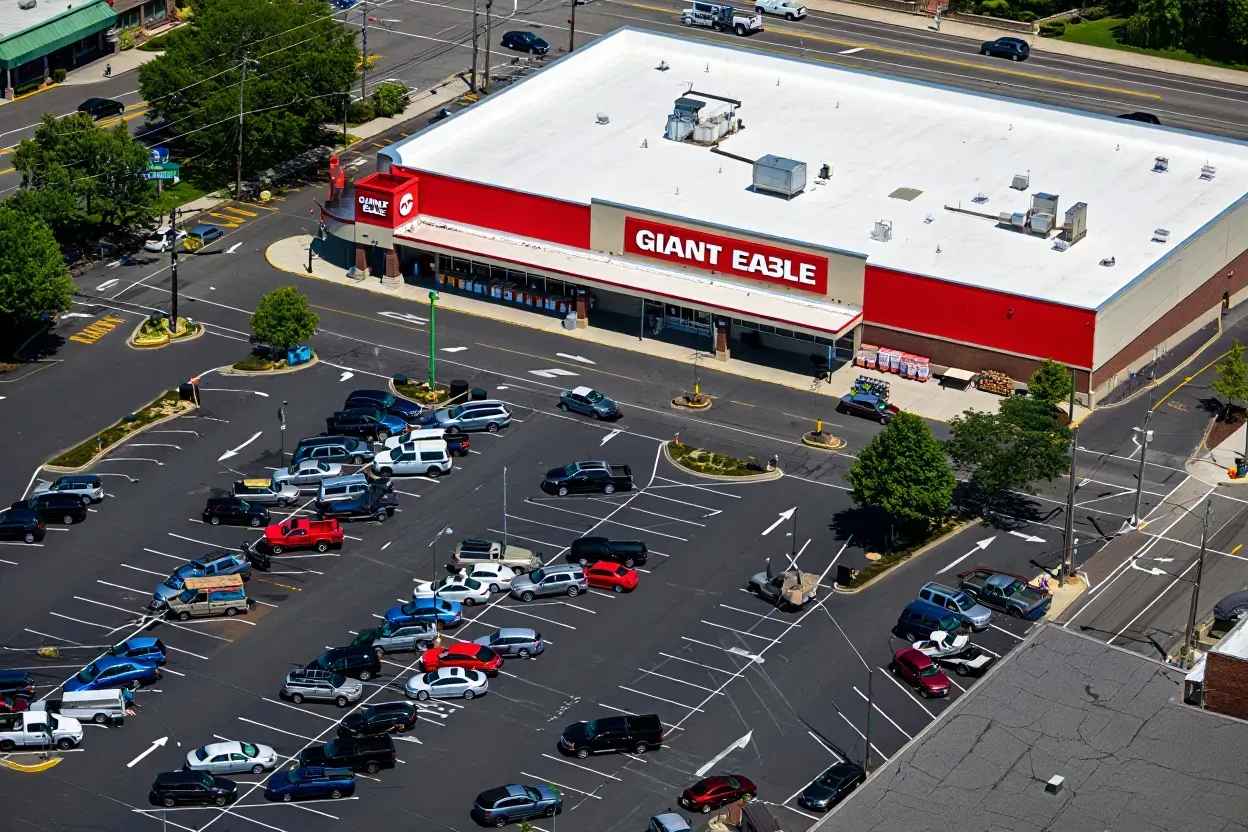
Kroger to Acquire Giant Eagle in $1.65B Supermarket Deal

Kroger Pursues Regional Scale Through Acquisition


Kroger’s move to acquire Giant Eagle marks another chapter in the ongoing consolidation of US supermarket chains, a trend that’s accelerated as national players seek access to new customers and defend against rising competitive threats. According to PR Newswire, the $1.65B agreement will fold Giant Eagle’s 197 supermarkets and 11 pharmacies into Kroger’s already extensive footprint, giving the Cincinnati-based giant a stronger presence in Ohio, Pennsylvania, West Virginia, Maryland, and Indiana. This expansion builds on the industry’s momentum for regional densification and integrated omnichannel offerings, as grocers adapt to shifting consumer habits and the growing dominance of e-commerce in food retail...
An elevated outdoor view of a modern shopping mall promenade with manicured greenery, palm trees, and pedestrians.

As Inspire Brands Plots Going Public, a Look at How it’s Performing, from Arby’s to Dunkin’

Inspire Brands going public, as a confidential IPO filing in May suggests it will, would, naturally, represent one of the largest public swings the sector has witnessed. The company is reportedly aiming for a $20 billion valuation and expects to use net proceeds to “repay outstanding indebtedness” under its existing term loan facility...
The American flag waves against a bright blue sky between towering glass skyscrapers, viewed from a low angle.

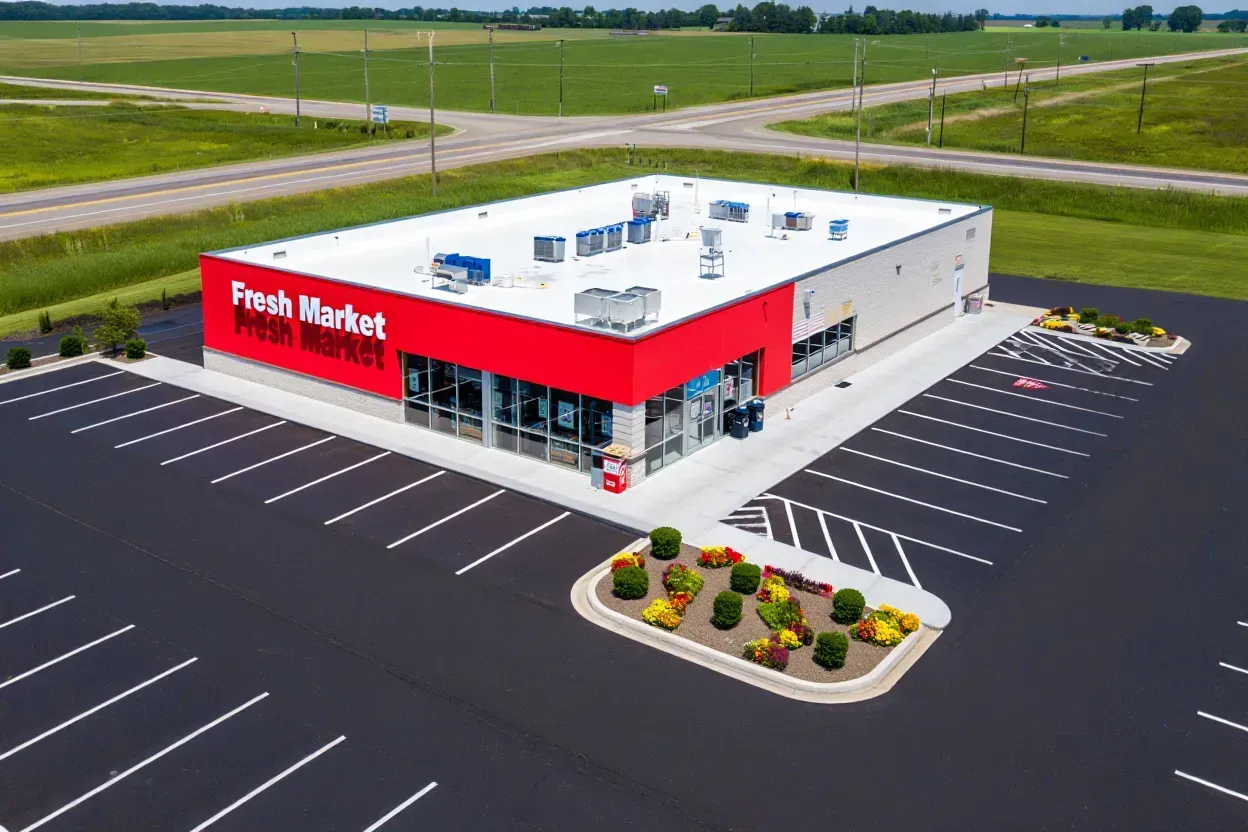
Casey’s Plans 400-Store Expansion in New Growth Push

Casey’s General Stores is chasing its next phase of growth with a 400-store expansion strategy, according to Bisnow. The Iowa-based chain, already ranked as the third-largest US convenience store company and the country’s fifth largest pizza provider, revealed its latest growth ambitions at its annual investor day.


CEO Darren Rebelez outlined a three-pronged approach: increasing store count, investing in food offerings, and leveraging technology for operational gains. The company, which only operates owned locations and not franchises, will emphasize both ground-up development and acquisitions, echoing its expansion model from the last three years. COO Ena Williams underscored that this dual-track approach allows Casey’s to remain nimble as market conditions shift...

A flat, single-story retail building with a

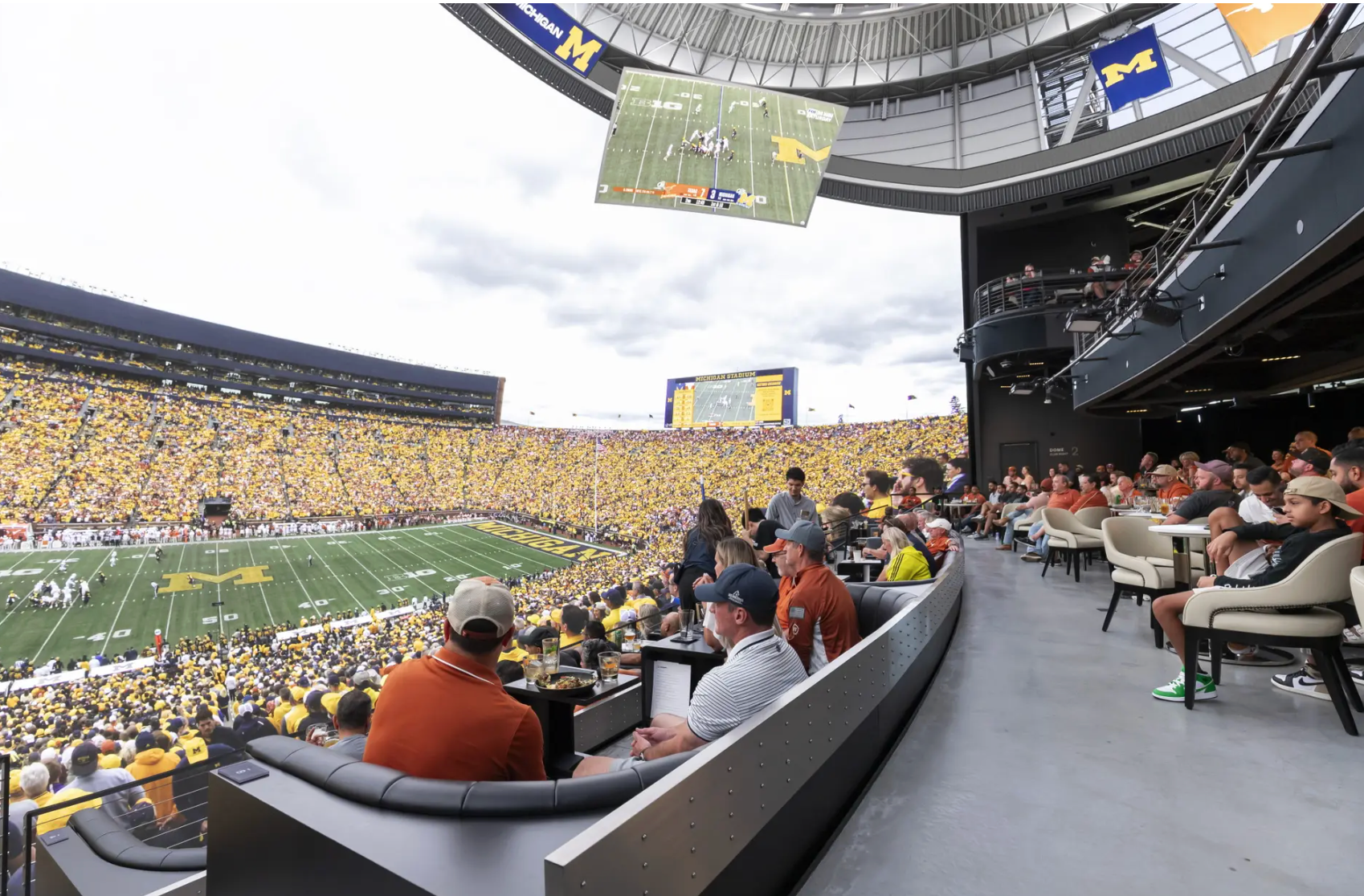
Sony backs domed theaters as developers look to lure crowds

Sony Pictures Entertainment plans to invest $100 million in Cosm, an operator of domed theaters that make football games, concerts and films feel as though they're unfolding inside the room rather than on a screen.

The Culver City, California-based studio, an arm of Tokyo-based Sony Group, is wagering that these immersive, shared-reality venues can offer landlords a new draw to their property as traditional retail and theaters lose out those who shop and stream from home. Cosm, meanwhile, is accelerating a real estate rollout that already spans Los Angeles, Dallas and Atlanta...
The main entrance of the NuHAA building, featuring a modern glass and stone facade, at sunset.

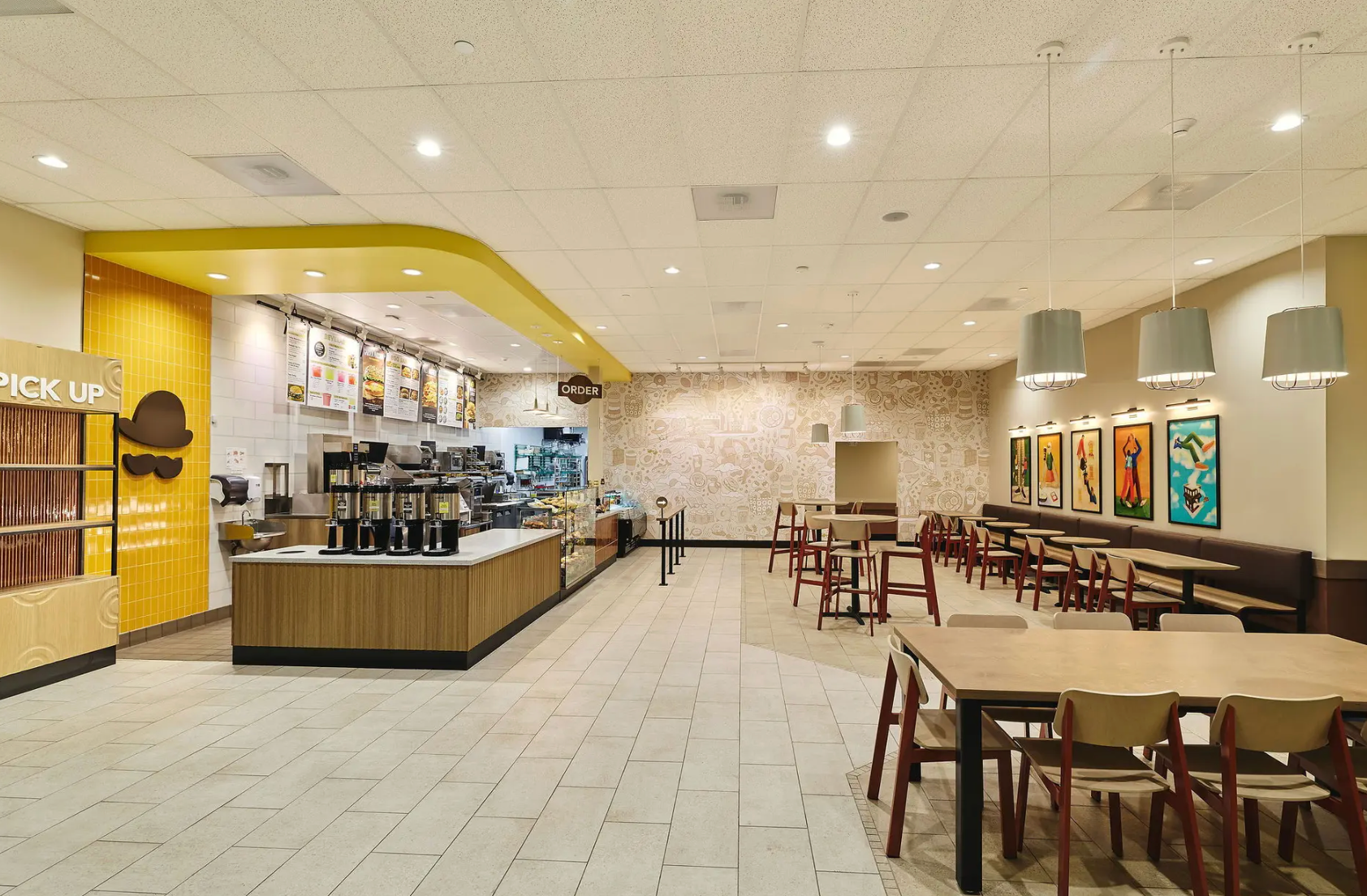
Einstein Bros. bakes up big expansion


Einstein Bros. Bagels is aiming to take a bigger bite of the U.S. market, with plans to roll out more than 300 new bakeries nationally by 2030.


The Denver-based company — America's largest retail bagel chain — operates more than 700 locations with an aim to hit 1,000. That expansion includes the rollout of Einstein Bros.' new "Elevate the Morning" store prototype.


The store design focuses on freshness, speed and a welcoming atmosphere "in a format engineered to scale quickly," according to the chain. A fresh-baked bagel case sits front and center of those shops. Einstein Bros. is accelerating its launches of that store model, according to CEO Jessica DePetro...

A green Publix Food & Pharmacy sign mounted on a white and beige building exterior against a blue sky.

JLL survey reveals shift in back-to-school shopping; top 10 retail destinations are…

Value and convenience will drive market share in this year's back-to-school shopping.

More than 80% of parents plan to do back-to-school shopping at mass merchants, according to JLL’s 2026 Back-to-School Survey report, and dollar stores have cracked the top 10 retail destinations for the first time as a frequently-visited retail destination for back-to-school shoppers. In other findings, over 90% of parents will shop in physical stores, moving away from the delivery boom of recent years...

Family Dollar completes $75 million sale-leaseback across 19 states

JLL Capital Markets and GA Group Real Estate today announced that they secured a $75 million sale-leaseback for a 46-property Family Dollar retail portfolio across 19 states. 


The two companies represented the seller, FD Retail Properties LLC, a property and leasing subsidiary formed by Dollar Tree following its acquisition of the Family Dollar brand.


The assets were acquired by an institutional real estate investor...
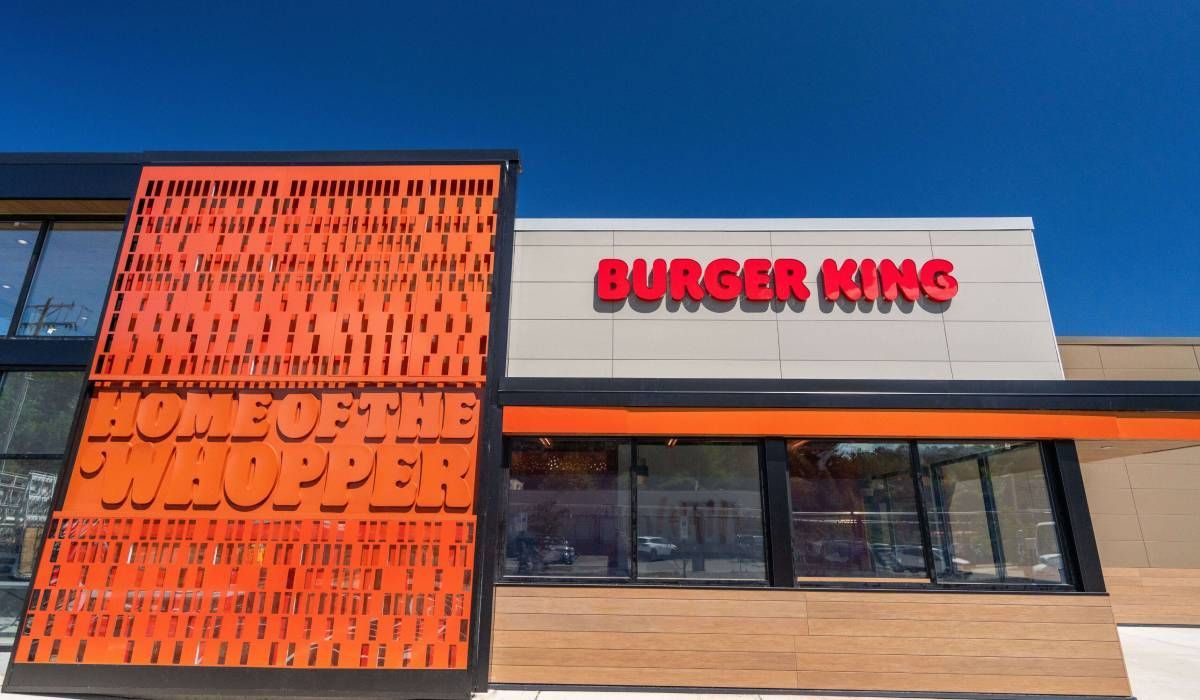

How Burger King is Winning Back Guests, One Whopper at a Time


On April 20, at 11:43 a.m., RBI CEO Josh Kobza received an email that changed the rest of his day.


It was from a customer named Jim. After watching a recent Burger King commercial, he stopped at a restaurant to try a Whopper, something he hadn’t done in decades. Admittedly, he had given up on the fast-food giant. In this message, Jim explained that he felt the company no longer cared based on what it was presenting to him as a guest. The Whopper was “OK,” he added, but well short of its potential. But with this new commercial, Jim felt Burger King was sincere in its approach, so he decided to give the chain another try.


His verdict? Burger King nailed it. To his pleasant surprise, the brand has “one of the best burgers in the market,” also noting that “the care in which I felt this burger was made floored me...”


By Marc Perlof June 29, 2026
By Marc Perlof | MarcRetailGuy CA #01489206 June 29, 2026 If you own retail real estate, here’s what just changed for you. The consumer is still spending, but buyers are not treating all retail income the same. The simple answer is this: retail properties with clean, durable income are getting more attention, while properties with weaker tenants, short leases, or messy income are getting discounted. The K-shaped economy is now a pricing issue for retail property owners. What Changed The K-shaped economy is not just a consumer story anymore. It is becoming a real estate pricing story. A K-shaped economy means some consumers are doing well, while others are under more pressure. Higher income households may keep spending. Lower and middle income households may become more careful with food, gas, rent, credit cards, and discretionary purchases. Bank of America Institute reported that total credit and debit card spending per household increased 4.8% year over year in April 2026, but spending growth slowed in several discretionary “nice to have” categories.¹ That matters for retail owners. Consumers are still spending, but they are choosing more carefully. That creates a stronger market for some tenants and a weaker market for others. What is causing it? Retail sales are still positive. The U.S. Census Bureau reported that advance U.S. retail and food services sales for May 2026 were $763.7 billion, up 0.9% from April 2026 and up 6.9% from May 2025.² That is supportive for retail. But it does not mean every shopping center, strip center, or Triple Net (NNN) property is protected. CRE Daily recently reported that the K-shaped economy is also creating splits inside real estate asset classes. Investors are becoming more focused on assets tied to stronger demand, demographics, and durable income.³ That is the real change. The market is not just separating retail from other property types. It is separating stronger retail income from weaker retail income. Why It Matters How does this affect your property value? Your property value is based on income. If your tenants pay on time, reimburse NNN charges, renew leases, and serve steady customer demand, buyers have more confidence in your NOI. If your leases are short, your Common Area Maintenance (CAM) recovery is unclear, your tenants are weak, or your rent is above market, buyers will underwrite more risk. That risk shows up in price. For example, if your NOI is $250,000 and the buyer uses a 6.25% cap rate, the value is about $4,000,000. If the buyer sees more risk and uses a 6.75% cap rate, that same NOI supports about $3,703,704 in value. That is almost $296,000 of value difference. This is why income quality matters. How are buyers underwriting retail today? Buyers are looking harder at tenant durability. They want to know if the tenant sells something people need, something people want, or something people cut when money gets tight. They are looking at lease term, rent level, rent increases, options, NNN reimbursement language, CAM, insurance, taxes, roof, HVAC, parking, and future capital exposure. They are also asking one simple question. Can this income survive a more selective consumer? If the answer is yes, your property gets stronger attention. If the answer is no, the buyer will either reduce price or move on. What does this mean for Los Angeles and Southern California owners? Los Angeles retail is not one market. A grocery-anchored center in a dense trade area is not the same as a small strip center with weak parking and short leases. A NNN property with a strong tenant and limited landlord responsibility is not the same as a value add center with deferred maintenance and uncertain leasing. CBRE reported that U.S. retail availability was 4.9% in Q1 2026, with average retail asking rent up 2.4% year over year.4 That shows retail supply remains tight nationally, but local property quality still matters. In Southern California, buyers are not buying the headline. They are buying the income stream. Strategic Advice for Retail Property Owners What should you do right now? Identify which tenants benefit from a selective consumer. Daily needs, value, grocery, discount, food, service, medical, and necessity driven tenants should be separated from more discretionary tenants. Position your property around income durability, not just occupancy. A full center is not enough. Buyers want to know if the tenants can keep paying rent if consumers pull back. Price the property based on the weakest part of the income stream If one tenant has a short lease, above market rent, payment issues, or unclear reimbursements, buyers may use that risk to reprice the whole asset. Real Deal Insight This is how deals are being underwritten today. Buyers are separating durable retail income from weaker retail income and pricing each one differently. Owner Self-Assessment If a buyer reviewed your leases, rent roll, and NNN recovery today, would they see stable income or future risk? If you own a strip center, shopping center, NNN property, or retail redevelopment site, I can help you review the income, pressure test buyer underwriting, and identify where value is protected or exposed before you make a sale, refinance, or hold decision. What would a serious buyer question first if they reviewed your retail property today? Based in Los Angeles. Serving Southern California. Active across California. Advising clients nationwide. Sources 1 Bank of America Institute, Consumer Checkpoint, May 2026 2 U.S. Census Bureau, Advance Monthly Sales for Retail and Food Services, May 2026 3 CRE Daily, “K-Shaped Economy Drives Asset Class Splits in Real Estate,” June 23, 2026 4 CBRE, U.S. Retail Figures, Q1 2026
By Marc Perlof June 26, 2026
10-year Treasury yield is little changed after May inflation data comes in as expected U.S. Treasury yields were relatively unchanged on Thursday as Wall Street assessed key inflation data for May. The yield on the 10-year U.S. Treasury note — the key benchmark for mortgages, auto loans and credit card debt — fell less than 1 basis point to 4.396%. The 2-year Treasury note yield, which more closely tracks short-term Federal Reserve interest rate policy, declined 1 basis point to 4.127%. The longer-dated 30-year Treasury bond yield was up less than 1 basis point at 4.861%...
By Marc Perlof June 22, 2026
By Marc Perlof | MarcRetailGuy CA #01489206 June 22, 2026 If you own retail real estate, here’s what just changed for you. In a seller’s market, the strongest pricing results usually come from creating competition, not simply setting the highest asking price possible. Retail property owners who understand how to manage buyer psychology and negotiation leverage usually achieve better results than owners who rely only on aggressive pricing. When buyer demand increases and inventory becomes limited, pricing strategy changes significantly. Buyers move faster, competition increases, and leverage often shifts toward sellers. In the previous article, “How to Price Retail Property in a Buyer’s Market,” I discussed how owners should reduce buyer fear, respond to conservative underwriting, and protect leverage when buyers control negotiations. What Changed What happens in a seller’s market? In a seller’s market, strong retail properties often attract multiple buyers at the same time. When there are fewer properties available for sale, buyers often compete harder for well-located properties with strong tenants and reliable income. That competition can improve both pricing and deal terms. Buyers who move slowly in weaker markets often speed up their decision making once they believe competition exists. That can increase pricing pressure and strengthen seller leverage during negotiations. This is especially true for well positioned NNN properties, shopping centers, and retail assets with strong tenant performance, longer lease terms, stable operating histories, and value add opportunities. Why do buyers behave differently in strong markets? Buyers become more aggressive when they believe quality opportunities are difficult to replace. In stronger markets, investors worry less about finding another deal and more about losing the current opportunity to another buyer. That changes negotiation behavior significantly. Buyers may shorten due diligence timelines, ask for fewer conditions and move forward more quickly, move faster on underwriting, or become more flexible on pricing when they believe competition exists. At the same time, strong markets do not eliminate buyer caution completely. Sophisticated buyers still review lease terms, future repair costs and operating expenses, tenant quality, and long term property risks carefully before making decisions. Why It Matters Why can overpricing still hurt sellers in strong markets? One of the biggest mistakes sellers make in strong markets is assuming buyers will pay any price simply because demand is high. Overpricing too aggressively can still reduce activity and weaken momentum, even when overall market conditions favor sellers. The strongest pricing results usually happen when sellers create competition naturally instead of trying to force pricing higher from the beginning. Properties that attract multiple serious buyers often achieve stronger pricing because buyers begin competing against each other instead of negotiating only against the seller. Are buyers always being honest during negotiations? Not always. Even in strong markets, buyers often try to create leverage by acting less interested than they really are. Some buyers may claim: pricing is too aggressive market conditions are softening future problems may be developing they are prepared to walk away while still requesting documents, touring the property, or continuing negotiations behind the scenes. That does not mean sellers should ignore legitimate concerns. It means owners should evaluate buyer behavior carefully and separate real market feedback from negotiation tactics. Can sellers become overconfident in strong markets? Absolutely. Seller driven markets can create unrealistic expectations. Owners may begin setting unrealistic pricing expectations or assume every property should create aggressive bidding regardless of tenant quality, lease structure, or future risk. Strong markets still reward well positioned properties. They do not eliminate the importance of pricing discipline, professional marketing, or strategic negotiation management. Strategic Advice for Retail Property Owners How do you create stronger competition? The goal is not simply listing the property at the highest possible number. The goal is creating enough qualified buyer interest to generate competitive pressure naturally. That starts with presenting the property the right way, professional marketing materials, targeted buyer outreach, organized financial reporting, and clearly communicating the strengths of the property. Properties with stable tenants, strong lease structures, organized leases, financial records, and property information (due diligence), and predictable expenses are usually much easier to market competitively. Should sellers negotiate with only one buyer? Usually not too quickly. In stronger markets, maintaining conversations with multiple buyers often helps sellers keep negotiating power and improves negotiating outcomes. Once sellers negotiate exclusively with one buyer too early, leverage can shift back toward the buyer. That does not mean every buyer should be forced into a bidding war. It means sellers should manage the process carefully and understand how competition affects buyer behavior. What should sellers focus on most in strong markets? Sellers should focus on maintaining leverage without becoming unrealistic. Strong markets create opportunity, but disciplined execution still matters. Owners who combine strong positioning, realistic expectations, professional marketing, and carefully managed negotiations usually perform much better than owners who rely only on aggressive asking prices. Real Deal Insight During the strong seller driven retail market of 2021 and parts of 2022, we consistently saw the strongest pricing results on properties where sellers created organized competitive processes instead of simply raising asking prices aggressively upfront. Properties that generated multiple qualified buyers often achieved stronger pricing and better terms because buyers competed against each other instead of negotiating only against the seller. Owner Self Assessment If your property entered a stronger seller driven market, would buyers feel urgency to compete for the opportunity or confidence that they could wait for pricing to soften later? If you are considering selling and want to understand whether your property could benefit from a strategy that uses buyer competition to improve pricing, reach out directly. I will walk you through how buyers respond to retail opportunities in stronger markets and how to position your property to maximize leverage. Are you creating real buyer urgency or unintentionally reducing it through unrealistic pricing expectations? This concludes the Market Condition Pricing Series. So far, we've discussed how market conditions affect pricing, how buyers behave in different environments, and how sellers can protect leverage throughout the process. In the next series, “Execution and Decision Making,” we will focus on what many retail property owners struggle with most: applying these strategies to their specific property. We'll cover how to choose the right pricing strategy for your asset, why some properties sit on the market while others sell, how buyers actually evaluate retail properties, and how to decide whether selling now or waiting may create a better outcome. Understanding pricing strategy is important. Applying it correctly is what ultimately determines results. Based in Los Angeles. Serving Southern California. Active across California. Advising clients nationwide. #RetailRealEstate #NNN #ShoppingCenters #StripCenters #CommercialRealEstate #InvestmentSales #CapRates #RetailProperty #LosAngelesCRE #1031Exchange
More Posts