Weekly Perl: A Commercial Real Estate News Recap

Marc Perlof • August 14, 2026
A banner for weekly commercial real estate news recap
A car is parked in front of a sign that says 223

10-Year Treasury Yield Falls to 4.682% — Data Talk
The 10-year yield declined 0.001 percentage point to 4.682% today. The price rose to 97 20/32.

--Yield is down for two consecutive trading days

--Yield is down 0.015 percentage point over the last two trading days

--Largest two-day yield decline since Wednesday, Aug. 5, 2026

--Yield is down six of the past eight trading days

--Today's yield is the sixth highest this year...

The front of an aldi store with a sign in front of it.

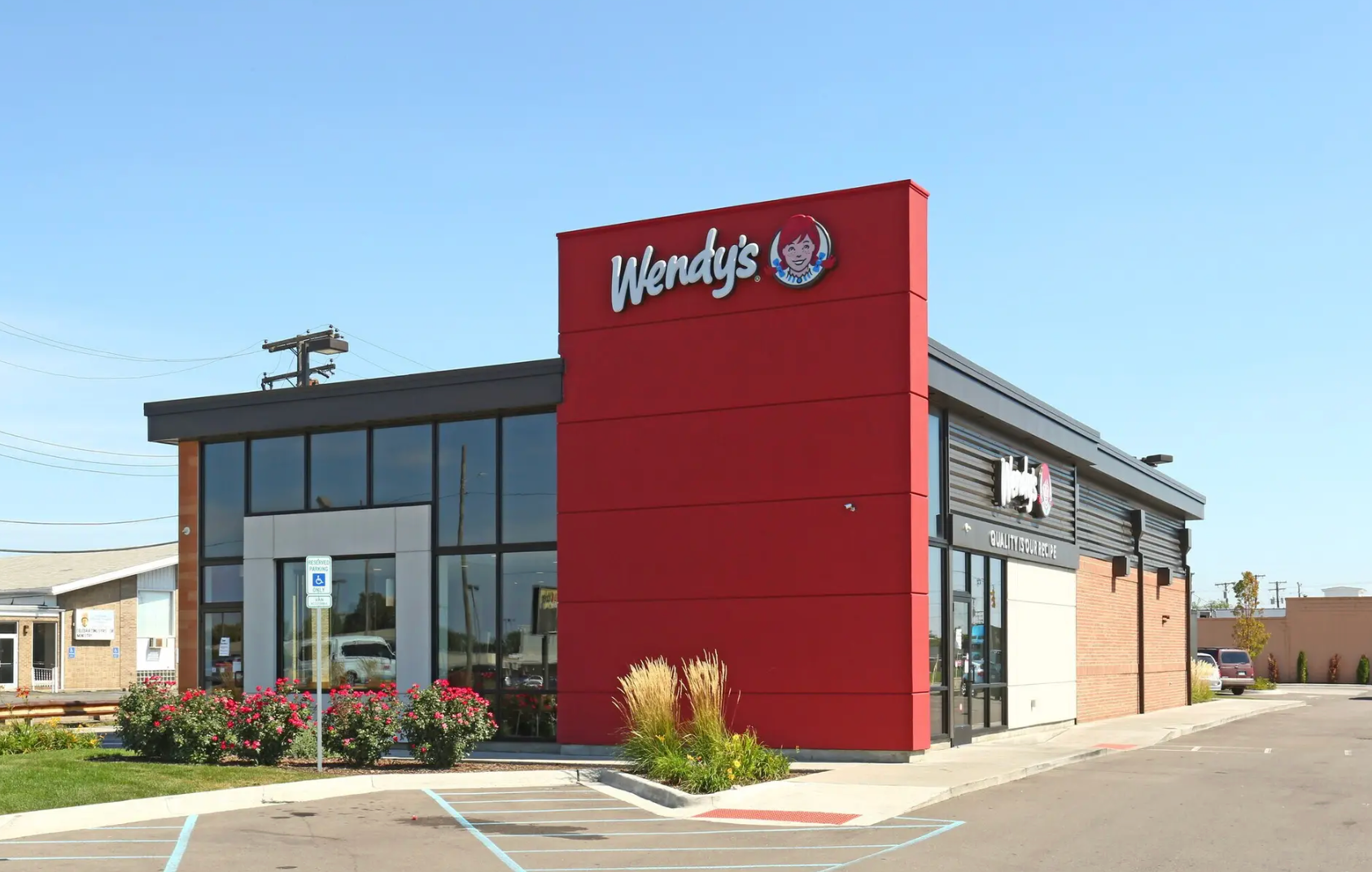
Wendy’s new CEO expects more store closings


Wendy’s turnaround effort will include additional restaurant closings, but the company’s new president and CEO said future shutdowns will be more targeted than in the past.


Bob Wright delivered dismal second-quarter earnings on Friday for the fast-food operator, which saw global systemwide sales drop 6.5%, driven by an 8.2% decline in the United States, partially offset by 3.4% growth in international. U.S. same-restaurant sales decreased 7% and international same-restaurant sales dipped 2.3%. And the company said it doesn’t expect things to get better the rest of the year...


An elevated outdoor view of a modern shopping mall promenade with manicured greenery, palm trees, and pedestrians.

Bessent said the K-shaped economy 'is over.' Here's what financial experts say

At a time when many Americans remain stressed about affordability, Treasury Secretary Scott Bessent has declared that the U.S. economy is no longer in a "K shape," a term used to describe increasing financial inequality between high- and low-income households.

"I got sick of hearing about this K-shaped economy," Bessent said in a CNBC interview on Aug. 4. "I can say here definitively, the K-shaped economy is over..."

The American flag waves against a bright blue sky between towering glass skyscrapers, viewed from a low angle.

NRF: Retail sales maintain momentum in July for 10th straight month

Mid-summer sales events and early back-to-school deals gave a boost to retail sales in July, which rose for the 10th consecutive month.


Core retail sales (excluding restaurants, auto dealers and gas stations) inched up 0.3% month over month in July and were 4.72% year over year, according to the CNBC/NRF Retail Monitor released by the National Retail Federation. That compared with increases of 0.36% month over month and 10.08% year over year in June...
A flat, single-story retail building with a

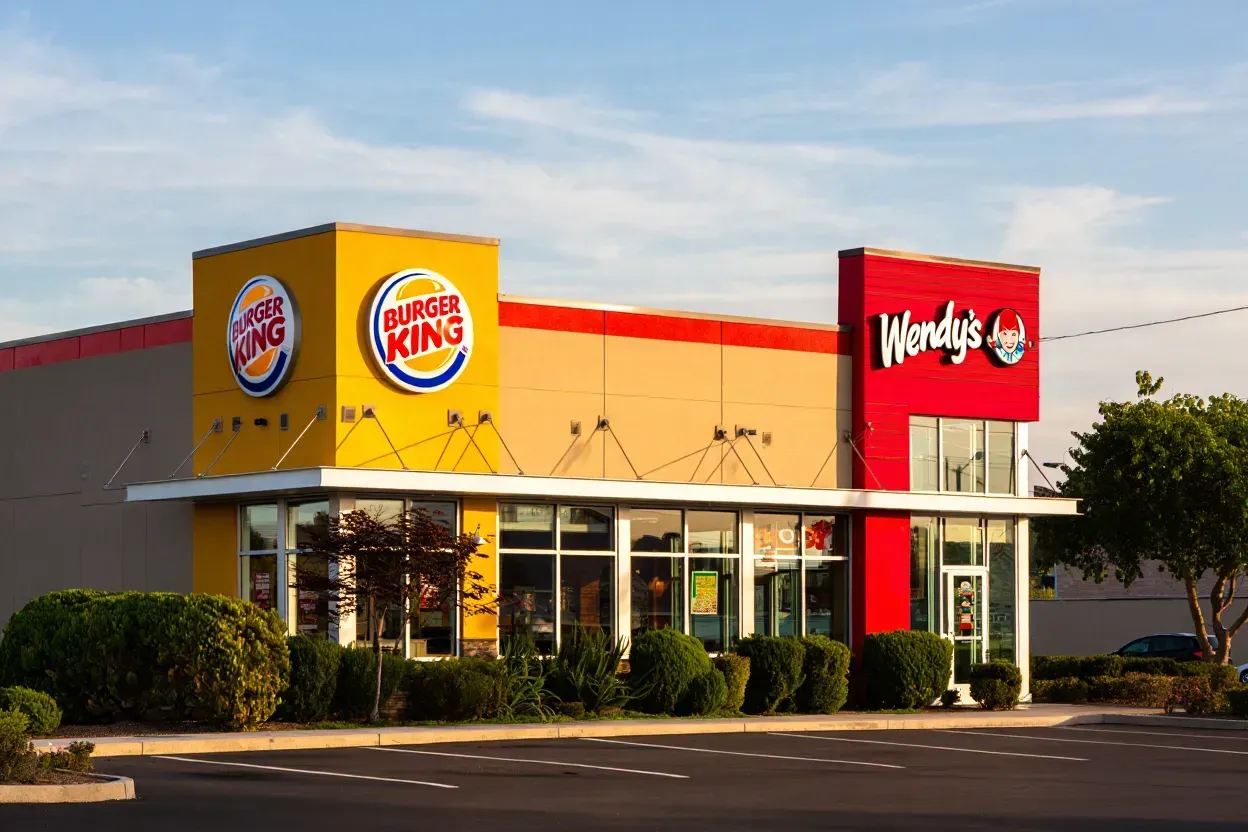
Burger King Surpasses Wendy’s, Shaking Up Net Lease Outlook


A Burger Hierarchy Turns Upside Down


Burger King has edged past Wendy’s to claim the No. 2 spot among US burger chains, per Nation’s Restaurant News and Technomic, as reported by Globe St. For quick-service restaurant net lease investors, this is more than a headline. Burger King’s 8.2% year-over-year global sales growth and 8.5% US comp sales rise stand in sharp contrast to Wendy’s sales declines and pressure on franchisee profitability in Q2 2026...

The main entrance of the NuHAA building, featuring a modern glass and stone facade, at sunset.

Numerator: Inflation cools, consumers still worried

Consumers’ concerns about higher prices remains near record highs even as inflation slowed in July.


Prices for everyday household purchases decreased 0.4% in July following a 0.7% increase in June and a 0.5% increase in May, according to the Numerator Consumer Goods Price Index. In July, prices for everyday goods are up 2.6% versus a year ago, down from 3.4% in June...
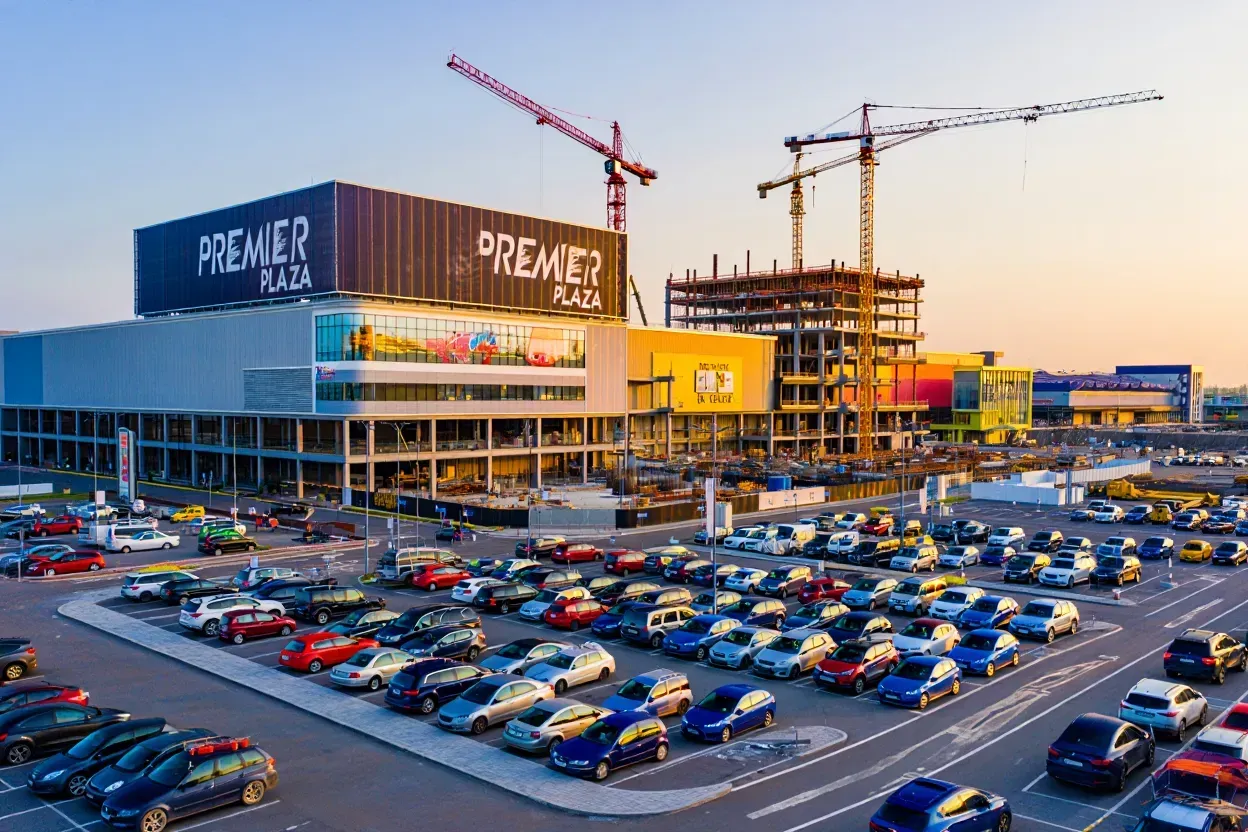


Simon Ups 2026 Outlook on Strong Leasing, New Projects

Malls Sustain Momentum Post-Pandemic


Simon Property Group shows that the US mall sector’s post-pandemic revival still has legs. According to Commercial Observer, Simon’s second-quarter results highlighted surging demand and a bullish outlook from the nation’s largest retail landlord. Leasing velocity and rental rate increases signal healthy retailer appetite for space. Meanwhile, robust property income growth offset modest net income declines caused by non-recurring investment gains last year...


Nelson Peltz Reportedly Preparing Bid to Buy Wendy’s


Former Wendy’s chairman Nelson Peltz is reportedly putting an offer together to buy Wendy’s, according to Reuters and The Financial Times.


The billionaire’s Trian Fund Management is working with a group that includes BlueFive Capital and Flynn Group, the world’s largest franchisee organization. The latter became a franchisee of Wendy’s in 2021 after it purchased nearly 200 units out of bankruptcy; it has since acquired franchising rights in Australia and New Zealand...


These Fast-Food Chains Are Losing Customers Fastest, Data Shows

Salad and Go filed for bankruptcy and will permanently close all 70 of its restaurants, ending a 13-year run for the drive-thru salad chain.


Its restaurants in Arizona and Nevada will provide their final guest service on Wednesday.


The filing completes a steep reversal for a brand that operated more than 140 company-owned restaurants as recently as May 2025. Salad and Go nearly doubled its footprint over the preceding two years before closing half of its system in less than a year...


By Marc Perlof August 10, 2026
By Marc Perlof | MarcRetailGuy CA #01489206 August 3, 2026 If you own retail real estate, here’s what just changed for you. When a retail property owner hears that a tenant wants a tenant improvement allowance, the first reaction is often about the amount: “How much are they asking for?” That matters, but it is not the first question an owner should ask. The better question is: Does investing this money make financial sense for this property and this lease? A tenant improvement allowance, commonly called TI, is money the landlord agrees to contribute toward improvements to the tenant’s space. Depending on the deal, that money may help pay for flooring, walls, electrical work, plumbing, HVAC, restrooms, lighting, or other improvements. TI is common in many retail leases. But that does not mean every TI request is a good investment. For the property owner, TI is capital being invested into a lease. The return depends on the rent, lease term, tenant strength, cost of vacancy, and what happens to the space in the future. That is the real underwriting question. The Wrong Question: How Much TI Is Market? Owners often ask, “What is the market TI allowance?” There is nothing wrong with understanding the market. The problem is treating a market number as an automatic answer. Two tenants asking for the same TI allowance can create completely different investments for the landlord. One tenant may sign a long term lease, pay strong rent, provide a solid guaranty, and build improvements that could be useful to a future tenant. Another tenant may want the same TI allowance but offer weaker rent, limited financial strength, a shorter lease term, and highly specialized improvements that could be expensive to remove later. The TI amount may be the same. The risk is not. That is why TI should never be reviewed by itself. TI Is Part of the Entire Lease Investment A landlord should look at the entire economic package. That includes total TI dollars, starting rent, annual rent increases, lease term, free rent, leasing commissions, tenant credit, personal or corporate guaranties, options to extend, rent during option periods, reuse value of the improvements, and the cost and risk of continued vacancy. For example, an owner may agree to a larger TI allowance because the tenant is signing a longer lease with stronger rent increases and a strong guaranty. In another deal, even a smaller TI allowance may be too risky because the tenant is financially weak or the lease does not give the owner enough time to recover the investment. The TI number alone does not tell you whether the deal is good. The full lease economics do. Saying No to TI Can Also Be Expensive Some owners take the position that they will never pay TI. That may feel financially conservative, but it is not always the lowest risk decision. Vacancy has a cost. An empty space may mean lost base rent, lost NNN reimbursements, continued ownership expenses, maintenance, security concerns, and uncertainty about when the next qualified tenant will appear. If an owner refuses a reasonable TI investment and the space remains vacant for another year, the cost of that vacancy may be greater than the TI allowance that could have completed the lease. This does not mean an owner should accept every TI request. But saying no to TI does not always mean the owner avoids the cost. A tenant may agree to take the space without a TI allowance but require lower rent, more free rent, or other concessions instead. The Existing Condition of the Space Matters Not all retail spaces start from the same position. A second-generation space may already have usable flooring, restrooms, electrical systems, HVAC, lighting, plumbing, and a functional layout. A tenant may need only limited changes before opening. A shell space or heavily damaged space may require much more capital. The type of improvements also matters. A specialized user may require a buildout that has little value to the next tenant. A more general retail buildout may have broader reuse value. Owners should ask a simple question: If this tenant leaves, what am I left with? If the improvements are likely to help lease the space again, part of the TI investment may create longer term value. If the improvements are highly specialized, the owner may face another large capital expense when the tenant leaves. That risk should be considered before the lease is signed, not after the tenant moves out. Lease Term Matters A larger TI investment generally requires enough lease term and income to justify the risk. If an owner spends significant money improving a space but the lease term is too short, the owner may not have enough time to recover the investment before facing another lease negotiation. A longer lease does not automatically make a bad TI deal good. The owner still needs to understand how much capital is being invested and how much income the lease is expected to produce. This is where owners can make mistakes by focusing only on the monthly rent. A lease can produce attractive rent and still require a large upfront investment. The question is not only how much rent will be collected. It is how much capital and risk were required to create that income. Tenant Strength Changes the Risk The same TI investment can have very different risk depending on the tenant. An established tenant with strong financials may create one risk profile. A new business with limited operating history may create another. This does not mean a landlord should never invest in a new business. It means the investment should match the risk. If the landlord is putting substantial money into the space, the owner should pay closer attention to the lease term, security deposit, guaranty, rent structure, TI payment process, and what happens if the tenant never opens or defaults early. A landlord investing heavily into a tenant’s space is doing more than filling a vacancy. The landlord is taking investment risk. That risk should be priced and structured accordingly. TI Should Be Compared with the Cost of Doing Nothing One of the most useful exercises for an owner is comparing the TI request against the cost of staying vacant. For example, assume a 2,000 square foot retail space can be leased for $4.00 per square foot per month. That is $8,000 per month, or $96,000 per year, before expenses. Now assume the tenant asks for a $40,000 TI allowance. At first, the $40,000 may feel expensive. But if the owner rejects the deal and the space sits vacant for six more months, the owner may lose $48,000 in base rent alone. That does not include lost NNN reimbursements, maintenance, insurance, taxes, utilities, or the risk that the next tenant also asks for TI. That does not mean the owner should automatically say yes. It means the owner should compare the TI cost against the real cost of waiting. A strong retail location with multiple interested tenants may give the owner more leverage. A difficult vacancy with fewer qualified tenants may require a different strategy. The goal is not to be generous with TI. The goal is to make the decision that produces the best result after rent, time, risk, and capital are all considered. Think Like an Investor, Not Just a Landlord The best TI decisions come from treating the allowance as an investment. Before agreeing to the amount, ask: How much total capital am I investing? What lease income and term am I receiving in return? How strong is the tenant and the guaranty? What happens to my investment if the tenant defaults? What is the realistic cost and risk of staying vacant? These questions move the discussion away from whether a TI allowance is “normal” and toward whether the lease makes financial sense. That is where owners should focus. Final Thought A tenant improvement allowance is not automatically good or bad. It is an investment decision. Paying too much TI for weak lease economics can create unnecessary risk. Refusing reasonable TI and allowing a space to remain vacant can also hurt the property. The right answer depends on the rent, lease term, tenant strength, property condition, vacancy risk, and long-term value of the improvements. Before agreeing to TI, understand what you are investing, what you are receiving in return, and what happens if the lease does not go as planned. If a tenant asked you for a large TI allowance today, would you know how to determine whether it is a good investment or just an expensive way to fill a vacancy? In next week’s blog, “ How TI Allowances Are Paid and Why the Details Matter” , we will look at reimbursements, draw schedules, invoices, lien releases, cost overruns, and why the payment process should be clear before construction begins. Based in Los Angeles. Serving Southern California. Active across California. Advising clients nationwide. #RetailRealEstate #CommercialRealEstate #RetailLeasing #TenantImprovements #TIAllowance #CREInvestment #MarcRetailGuy
By Marc Perlof August 7, 2026
10-Year Treasury Yield Falls to 4.625% — Data Talk The 10-year yield declined 0.059 percentage point to 4.625% today. The price rose 14/32 to 98 1/32. --Yield is down for two consecutive trading days --Yield is down 0.118 percentage point over the last two trading days --Largest two-day yield decline since Tuesday, March 31, 2026 --Yield is off 0.118 percentage point from its 52-week high of 4.743% hit Friday, July 31, 2026...
By Marc Perlof August 3, 2026
By Marc Perlof | MarcRetailGuy CA #01489206 August 3, 2026 If you own retail real estate, here’s what just changed for you. When a retail property owner hears that a tenant wants a tenant improvement allowance, the first reaction is often about the amount: “How much are they asking for?” That matters, but it is not the first question an owner should ask. The better question is: Does investing this money make financial sense for this property and this lease? A tenant improvement allowance, commonly called TI, is money the landlord agrees to contribute toward improvements to the tenant’s space. Depending on the deal, that money may help pay for flooring, walls, electrical work, plumbing, HVAC, restrooms, lighting, or other improvements. TI is common in many retail leases. But that does not mean every TI request is a good investment. For the property owner, TI is capital being invested into a lease. The return depends on the rent, lease term, tenant strength, cost of vacancy, and what happens to the space in the future. That is the real underwriting question. The Wrong Question: How Much TI Is Market? Owners often ask, “What is the market TI allowance?” There is nothing wrong with understanding the market. The problem is treating a market number as an automatic answer. Two tenants asking for the same TI allowance can create completely different investments for the landlord. One tenant may sign a long term lease, pay strong rent, provide a solid guaranty, and build improvements that could be useful to a future tenant. Another tenant may want the same TI allowance but offer weaker rent, limited financial strength, a shorter lease term, and highly specialized improvements that could be expensive to remove later. The TI amount may be the same. The risk is not. That is why TI should never be reviewed by itself. TI Is Part of the Entire Lease Investment A landlord should look at the entire economic package. That includes total TI dollars, starting rent, annual rent increases, lease term, free rent, leasing commissions, tenant credit, personal or corporate guaranties, options to extend, rent during option periods, reuse value of the improvements, and the cost and risk of continued vacancy. For example, an owner may agree to a larger TI allowance because the tenant is signing a longer lease with stronger rent increases and a strong guaranty. In another deal, even a smaller TI allowance may be too risky because the tenant is financially weak or the lease does not give the owner enough time to recover the investment. The TI number alone does not tell you whether the deal is good. The full lease economics do. Saying No to TI Can Also Be Expensive Some owners take the position that they will never pay TI. That may feel financially conservative, but it is not always the lowest risk decision. Vacancy has a cost. An empty space may mean lost base rent, lost NNN reimbursements, continued ownership expenses, maintenance, security concerns, and uncertainty about when the next qualified tenant will appear. If an owner refuses a reasonable TI investment and the space remains vacant for another year, the cost of that vacancy may be greater than the TI allowance that could have completed the lease. This does not mean an owner should accept every TI request. But saying no to TI does not always mean the owner avoids the cost. A tenant may agree to take the space without a TI allowance but require lower rent, more free rent, or other concessions instead. The Existing Condition of the Space Matters Not all retail spaces start from the same position. A second-generation space may already have usable flooring, restrooms, electrical systems, HVAC, lighting, plumbing, and a functional layout. A tenant may need only limited changes before opening. A shell space or heavily damaged space may require much more capital. The type of improvements also matters. A specialized user may require a buildout that has little value to the next tenant. A more general retail buildout may have broader reuse value. Owners should ask a simple question: If this tenant leaves, what am I left with? If the improvements are likely to help lease the space again, part of the TI investment may create longer term value. If the improvements are highly specialized, the owner may face another large capital expense when the tenant leaves. That risk should be considered before the lease is signed, not after the tenant moves out. Lease Term Matters A larger TI investment generally requires enough lease term and income to justify the risk. If an owner spends significant money improving a space but the lease term is too short, the owner may not have enough time to recover the investment before facing another lease negotiation. A longer lease does not automatically make a bad TI deal good. The owner still needs to understand how much capital is being invested and how much income the lease is expected to produce. This is where owners can make mistakes by focusing only on the monthly rent. A lease can produce attractive rent and still require a large upfront investment. The question is not only how much rent will be collected. It is how much capital and risk were required to create that income. Tenant Strength Changes the Risk The same TI investment can have very different risk depending on the tenant. An established tenant with strong financials may create one risk profile. A new business with limited operating history may create another. This does not mean a landlord should never invest in a new business. It means the investment should match the risk. If the landlord is putting substantial money into the space, the owner should pay closer attention to the lease term, security deposit, guaranty, rent structure, TI payment process, and what happens if the tenant never opens or defaults early. A landlord investing heavily into a tenant’s space is doing more than filling a vacancy. The landlord is taking investment risk. That risk should be priced and structured accordingly. TI Should Be Compared with the Cost of Doing Nothing One of the most useful exercises for an owner is comparing the TI request against the cost of staying vacant. For example, assume a 2,000 square foot retail space can be leased for $4.00 per square foot per month. That is $8,000 per month, or $96,000 per year, before expenses. Now assume the tenant asks for a $40,000 TI allowance. At first, the $40,000 may feel expensive. But if the owner rejects the deal and the space sits vacant for six more months, the owner may lose $48,000 in base rent alone. That does not include lost NNN reimbursements, maintenance, insurance, taxes, utilities, or the risk that the next tenant also asks for TI. That does not mean the owner should automatically say yes. It means the owner should compare the TI cost against the real cost of waiting. A strong retail location with multiple interested tenants may give the owner more leverage. A difficult vacancy with fewer qualified tenants may require a different strategy. The goal is not to be generous with TI. The goal is to make the decision that produces the best result after rent, time, risk, and capital are all considered. Think Like an Investor, Not Just a Landlord The best TI decisions come from treating the allowance as an investment. Before agreeing to the amount, ask: How much total capital am I investing? What lease income and term am I receiving in return? How strong is the tenant and the guaranty? What happens to my investment if the tenant defaults? What is the realistic cost and risk of staying vacant? These questions move the discussion away from whether a TI allowance is “normal” and toward whether the lease makes financial sense. That is where owners should focus. Final Thought A tenant improvement allowance is not automatically good or bad. It is an investment decision. Paying too much TI for weak lease economics can create unnecessary risk. Refusing reasonable TI and allowing a space to remain vacant can also hurt the property. The right answer depends on the rent, lease term, tenant strength, property condition, vacancy risk, and long-term value of the improvements. Before agreeing to TI, understand what you are investing, what you are receiving in return, and what happens if the lease does not go as planned. If a tenant asked you for a large TI allowance today, would you know how to determine whether it is a good investment or just an expensive way to fill a vacancy? In next week’s blog, “ How TI Allowances Are Paid and Why the Details Matter” , we will look at reimbursements, draw schedules, invoices, lien releases, cost overruns, and why the payment process should be clear before construction begins. Based in Los Angeles. Serving Southern California. Active across California. Advising clients nationwide. #RetailRealEstate #CommercialRealEstate #RetailLeasing #TenantImprovements #TIAllowance #CREInvestment #MarcRetailGuy
More Posts