Weekly Perl: A Commercial Real Estate News Recap

Marc Perlof • March 6, 2026
A banner for weekly commercial real estate news recap
A car is parked in front of a sign that says 223

Economic Snapshot: K-shaped Economy Poses Risks for Commercial Real Estate

The latest economic data paints a robust picture of the U.S. economy, with 130,000 jobs added in January and GDP growing at an annual rate of 4.4 percent in the third quarter. Yet this growth was uneven. The data points increasingly to a “K-shaped” economy—one in which higher-income households and capital-intensive sectors continue to grow and spend, while lower-income households face stagnating wages and constrained consumption. This divergence is now responsible for nearly 60 percent of consumer spending...
The front of an aldi store with a sign in front of it.

Abercrombie & Fitch has strong year; to open 30 new stores

Abercrombie & Fitch maintained its momentum in the fourth quarter fueled by another strong performance from Hollister, and marked its 13th consecutive quarter of growth.


The apparel retailer hit a key milestone in 2025, surpassing the $5 billion sales mark for the first time. It also continued to expanding its footprint, growing square footage by 4% year over year. It ended the year with a total of 829 stores...
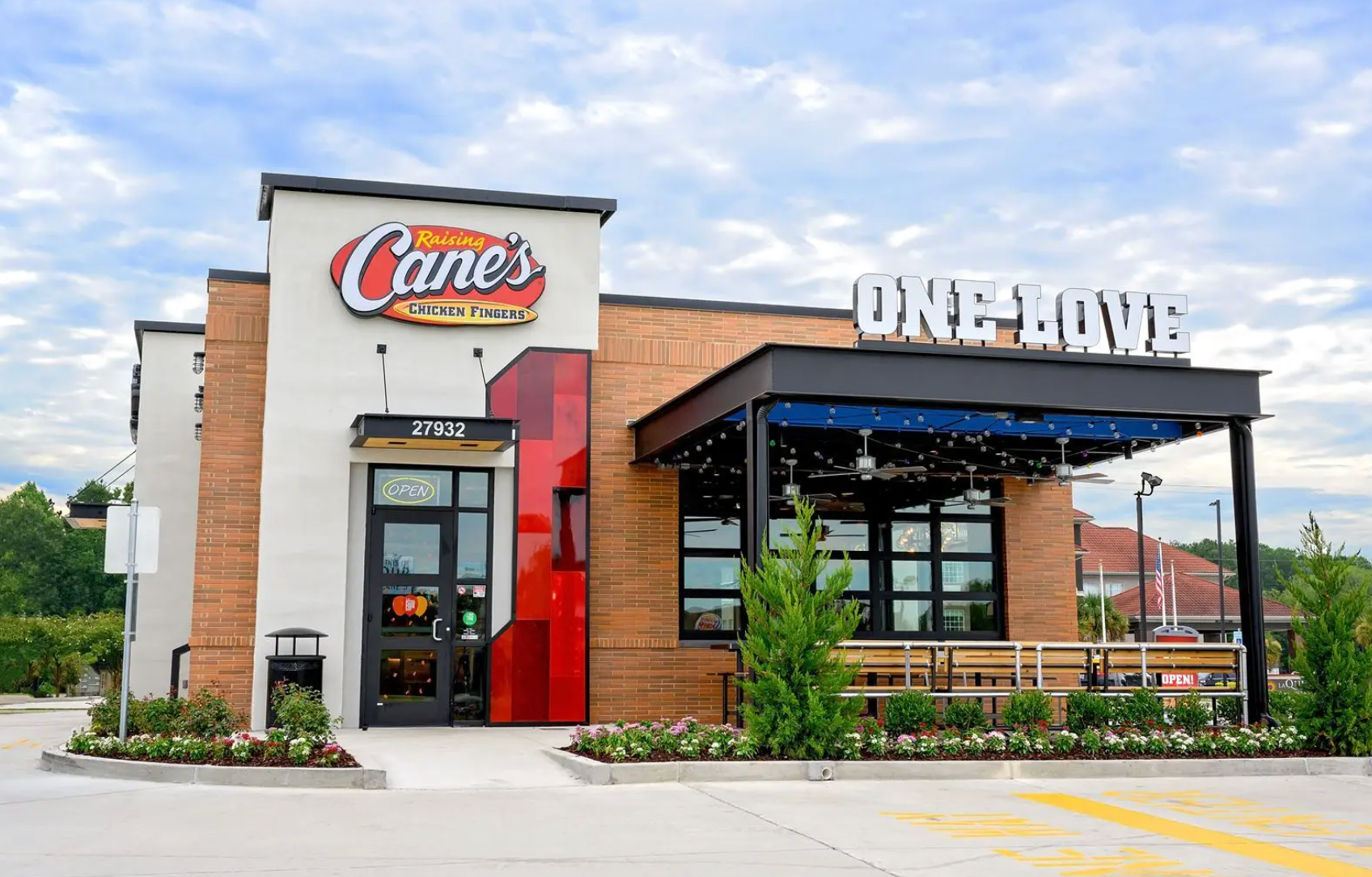
Modern Raising Cane's restaurant building with a wood-accented exterior, red vertical detail, and an outdoor patio area.

Raising Cane's takes US expansion to the Pacific Northwest 

Raising Cane’s is expanding its fast-food chicken finger concept along the Western U.S. after opening its first restaurant in Seattle last month.


The chicken chain, with headquarters in Baton Rouge, Louisiana, reported a total of more than 950 restaurants in the U.S. and Middle East. It has plans to open a restaurant March 17 in Coeur d'Alene, Idaho, with other locations planned for Washington and Oregon later this year...

Blue Ross Dress for Less sign mounted on the white facade of a retail building under a clear blue sky.

Ross Q4 sales jump, cites ‘very strong start’ to spring season; to open 110 stores


Ross Stores Inc. ended its year on a high note with better-than-expected earnings and sales amid traffic gains, and provided an upbeat outlook.

In the earnings statement, Ross CEO Jim Conroy said the company ended the fourth quarter with solid momentum, and “while early, we are encouraged by the very strong start to the spring season..."
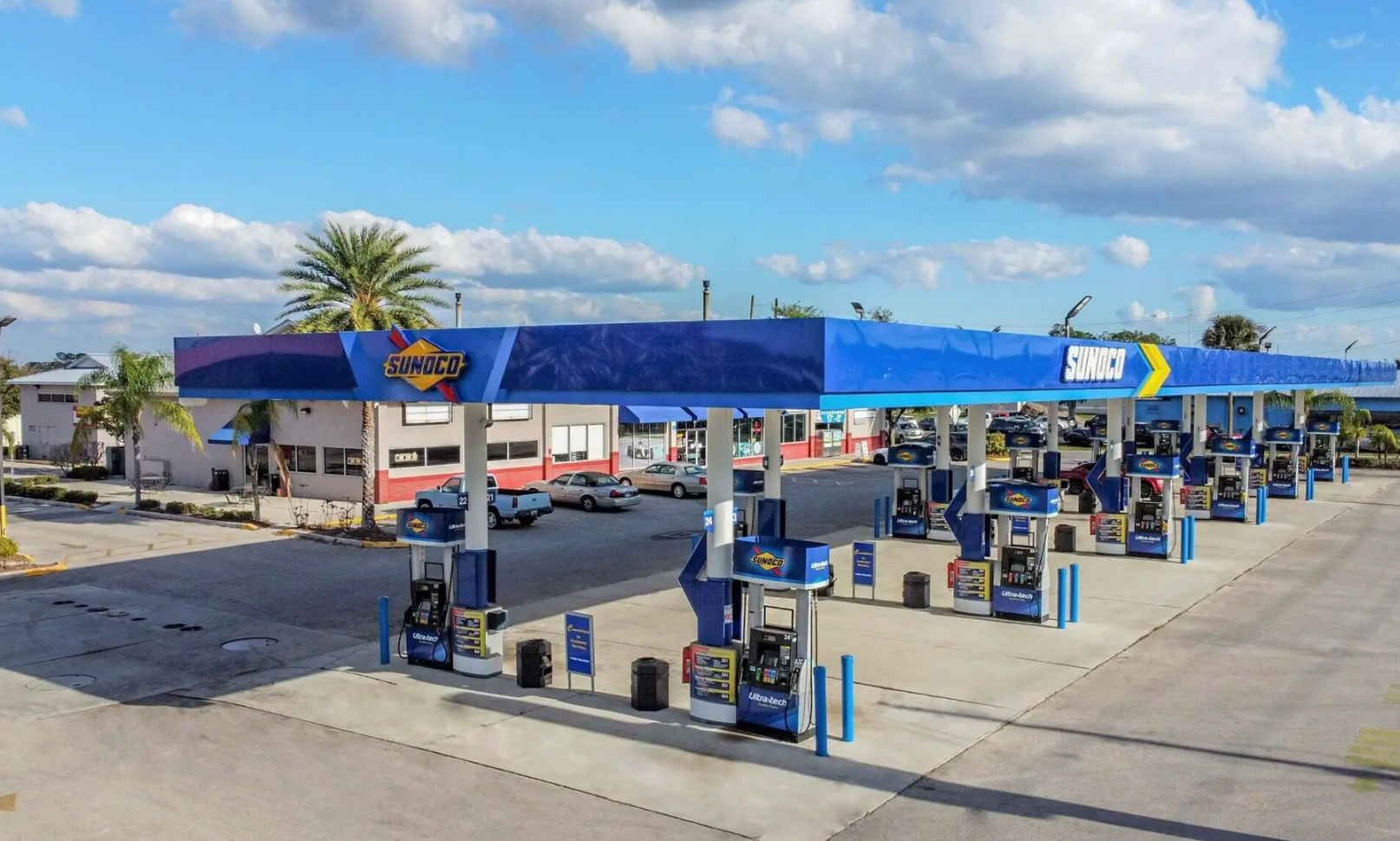
A row of fuel pumps under a long blue canopy at a gas station on a sunny day.

Sunoco extends deal streak with acquisition of New York properties

Sunoco bought 48 gas stations and convenience stores in New York as part of its expansion initiative.

The Sunoco Retail division of Sunoco LP acquired the properties from Capitol Petroleum Group, according to trade publication CSP Daily News, citing a statement from a brokerage that worked on the deal. The brokerage, Petroleum Capital and Real Estate, as well as Sunoco and Capitol Petroleum Group, did not respond to CoStar News' requests for comment...
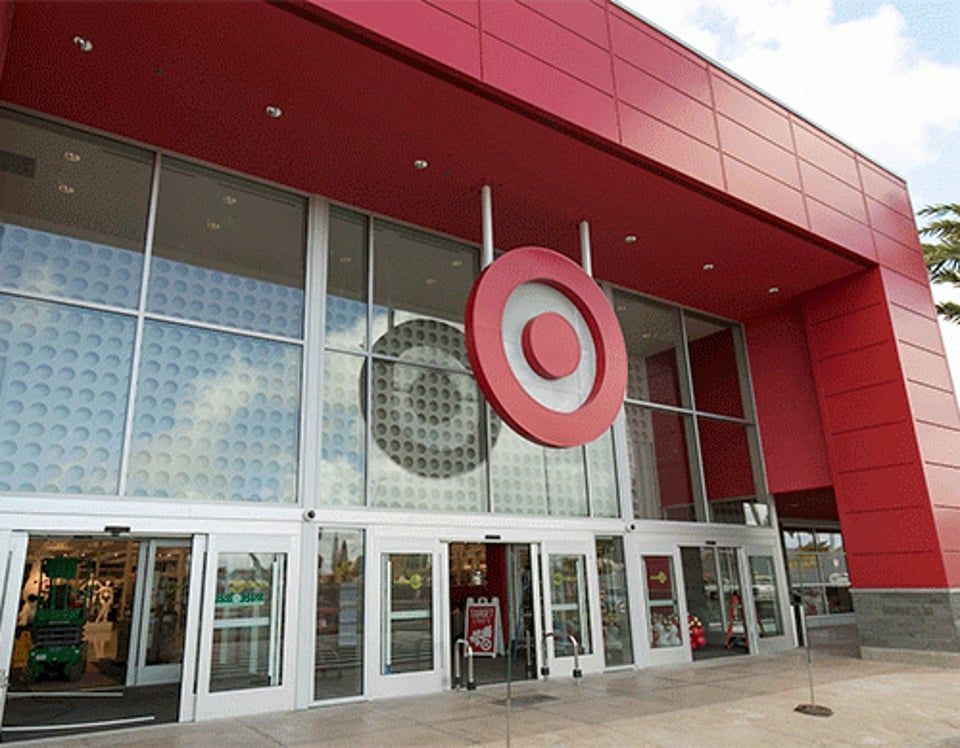
A Target store entrance with red paneled walls, floor-to-ceiling glass windows, and a large red target logo hanging above.

Target reveals turnaround plan — investing $6B in stores, tech and workers


Target Corp.’s sales slump continued in the fourth quarter amid falling revenue and store traffic even as its adjusted earnings easily topped forecasts.


But the discounter, which is looking to turn things around under new CEO Michael Fiddelke, noted that its sales and traffic accelerated in the last two months of the quarter. Fiddelke, who took the reins on Feb. 1, struck a positive regarding the current quarter...
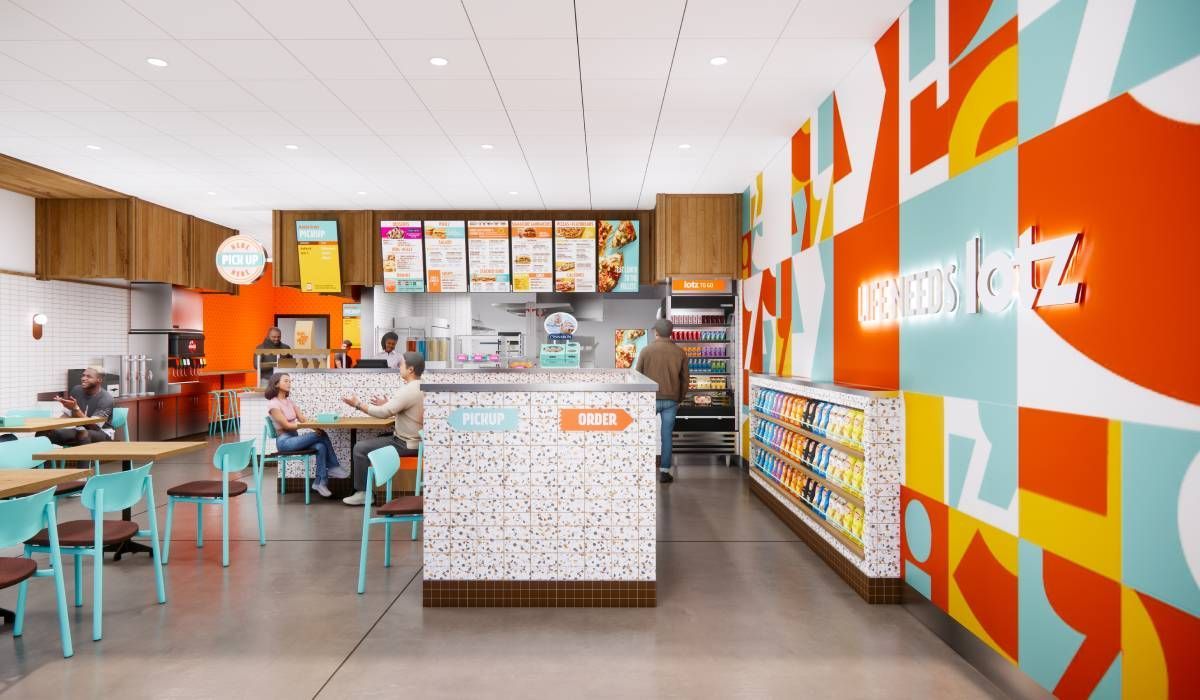
Modern cafe interior with teal chairs, a terrazzo service counter, and a vibrant, patterned wall featuring the name Crumbl.

Schlotzsky’s Drops Fresh Prototype and Updated Branding 

Schlotzsky’s is going back to where it started, and it’s trying to tackle some very 2020s challenges along the way.


The Austin-born sandwich chain, one of seven brands within the GoTo Foods portfolio, is reclaiming its original “deli” identity and rolling out a next-generation prototype designed to be smaller and cheaper to operate. The new box promises an estimated 20–25 percent reduction in operating costs on paper, plus a tighter footprint capped at about 2,100 square feet and an experience that better matches the food quality the brand believes it already delivers...
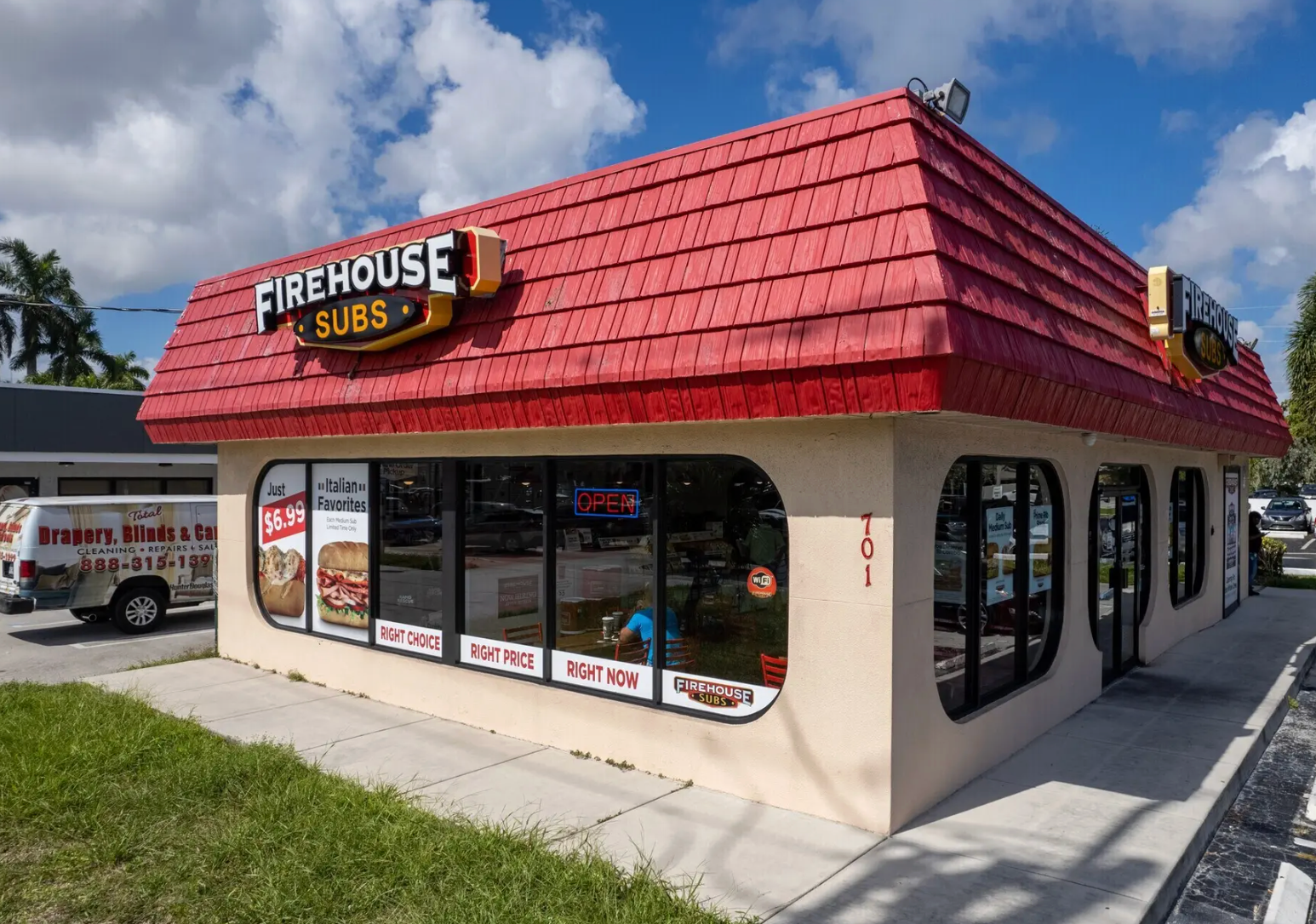
A corner view of a Firehouse Subs restaurant with a tan exterior, red tiled roof, and large glass windows.

Here are the restaurants Burger King’s owner is adding. Hint: They’re not Burger Kings.


Restaurant Brands International is looking to fuel its growth by opening 1,800 restaurants a year by 2028, driven by its Popeyes, Firehouse Subs and Tim Hortons chains rather than its banner brand, Burger King.

Miami-based RBI, parent of the lagging quick-service hamburger chain, detailed its expansion strategy during an Investor Day event at its headquarters Thursday. The plan calls for accelerated restaurant openings...
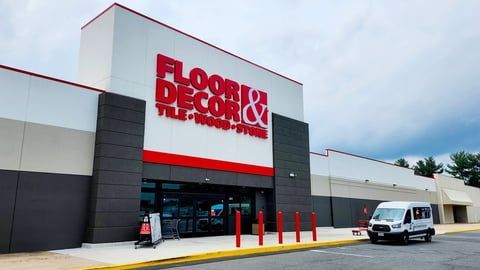

A Floor & Decor store exterior featuring white and gray walls with red signage and a white van parked in front.

Floor & Decor to open 20 stores in 2026; makes Staten Island debut

Floor & Decor Holdings continues its national expansion.


The specialty retailer of hard surface flooring and related accessories for homeowners and professionals plans to open 20 warehouse stores in 2026. The new outposts include Floor & Decor’s second location in New York City, in the borough of Staten Island, which opened its doors in late February...
A large, gray outdoor sign displaying the logo and text

TJX Q4 beats estimate, Q1 off to ‘strong start;' to open 146 new stores


The TJX Companies ended its fiscal year on a strong note, with better-than-expected fourth-quarter earnings and sales and annual revenue that surpassed the $60 billion mark for the first time.


The off-price powerhouse said it’s off to a “strong start" in its first quarter, but offered a softer-than-expected outlook. On the earnings call, TJX executives said the company expects to open 146 net new stores in 2026, which would bring its year-end total to well over 5,300 locations. It also plans to execute more than 540 remodels...


By Marc Perlof June 5, 2026
White House Cuts Construction Equipment Tariffs To 15% The Trump administration is dropping tariffs on a range of construction equipment from 25% to 15%, effective June 8, per Bisnow. The measure applies to imports incorporating aluminum, steel, and copper—covering categories like forklifts and residential HVAC systems. The new rates are slated to run through the end of 2027, according to a presidential proclamation released Monday. Some foreign-made products with at least 85% US-sourced steel or aluminum will qualify for an even lower 10% tariff. The stated aim: alleviate cost pressure and stimulate activity in US industrial, construction, and logistics sectors, all challenged by elevated materials pricing and global supply chain stress...
By Marc Perlof June 1, 2026
By Marc Perlof | MarcRetailGuy CA #01489206 June 1, 2026 If you own retail real estate, here’s what just changed for you. Retail property pricing in today’s market requires flexibility, not certainty. Retail property owners who adjust pricing quickly and respond to real buyer behavior usually protect more value than owners who stay stuck on outdated pricing expectations. Many owners are still looking at pricing from a stronger market while buyers are making decisions based on today’s higher costs and higher risks. That gap is causing more stalled listings, lower offers, and longer negotiations across retail real estate transactions. What Changed Why does the market feel so uneven right now? The retail market is not moving in one clear direction. Some shopping centers and NNN properties are attracting strong buyer interest, while others are sitting on the market with little activity even in solid locations. Buyers are reviewing retail properties much more carefully than they were a few years ago. Instead of making quick decisions, they are spending more time evaluating tenant quality, lease terms, future expenses, and how stable the rental income looks long term. In Los Angeles and across Southern California, many retail property owners still expect pricing based on comparable sales from a stronger market. Buyers, however, are focused on what deals look like today with higher interest rates, rising insurance costs, and more uncertainty about the economy. How are higher rates affecting retail property pricing? Higher borrowing costs and elevated 10-year Treasury yields have changed how buyers calculate value. Loans are more expensive, monthly payments are higher, and many investors are becoming more cautious about risk. Buyers are also paying closer attention to future expenses such as maintenance, tenant turnover, insurance increases, and major property repairs. That has changed negotiations significantly. Buyers are moving slower, asking more questions, and pushing harder on pricing whenever they see uncertainty or future risk. At the same time, uncertainty does not automatically mean a property is weak. Some retail properties are still attracting strong interest because buyers see stable tenants, predictable income, and long-term value. The challenge for owners today is understanding whether weak activity is being caused by pricing, property fundamentals, buyer caution, or how the opportunity is being presented to the market. Why It Matters Does your retail property have one exact value today? No. In today’s market, your property usually has a pricing range. Where it falls in that range depends on how safe and reliable buyers believe your future rental income will be. Properties with strong tenants, longer lease terms, stable rent collections, and organized financial records are generally holding value better. Properties with short leases, deferred maintenance, weaker tenants, or unclear expenses are seeing buyers reduce offers much more aggressively. Even small concerns can impact value quickly. If buyers believe future risks are increasing, they usually lower what they are willing to pay right away. What are buyers worried about? Buyers today are focusing more on protection than upside. They want to know whether tenants can continue paying rent if the economy slows, whether future expenses can stay under control, and whether the property will still look attractive to future buyers several years from now. That is why cleaner and more predictable retail deals are performing better in today’s market. Strategic Advice for Retail Property Owners Should you price high and wait? Usually, no. In uncertain markets, waiting too long can hurt your leverage. Your asking price should help attract real market feedback quickly instead of simply reflecting what you hope the property is worth. The first few weeks on the market are extremely important. That is when your property gets the most attention and when buyer feedback is usually the most honest. If activity is weak early, buyers are usually telling you they see either pricing problems or too much risk. Is weak activity always a pricing problem? No. Not every slow period means your pricing is wrong. In uncertain markets, buyers sometimes pause decisions while evaluating interest rates, financing conditions, or broader economic concerns. Before making major pricing adjustments, owners should also evaluate whether the property is being marketed and positioned correctly. Weak marketing materials, poor buyer targeting, limited exposure, or failing to clearly communicate the property’s strengths can reduce activity even when pricing is reasonable. Before going to market, review anything that could make buyers uncomfortable. This includes lease rollover schedules, tenant quality, deferred maintenance, CAM reconciliations, and how organized your financial records are. Buyers are heavily discounting uncertainty right now. In uncertain markets, owners who adapt early usually protect more value than owners who wait too long to respond. Real Deal Insight We are seeing buyers place very different values on properties that would have sold for similar pricing a few years ago. Properties with stable income and lower perceived risk are consistently attracting stronger offers. Owner Self-Assessment If your property came to market today, would buyers see stable income and low risk or future problems that reduce value? If you are thinking about selling or want to understand how buyers would likely price your retail property today, reach out directly. I will walk you through how investors are viewing retail deals right now and where your property may realistically trade before you make a decision. Are you pricing based on today’s market or yesterday’s expectations? In the next article, “When to Adjust Price vs Hold Firm on Your Retail Property,” we will break down one of the biggest pricing mistakes retail property owners make after going to market: reacting emotionally instead of understanding what buyer behavior is actually telling them. Based in Los Angeles. Serving Southern California. Active across California. Advising clients nationwide. #RetailRealEstate #NNN #ShoppingCenters #StripCenters #CommercialRealEstate #InvestmentSales #CapRates #LosAngelesCRE #RetailInvesting #1031Exchange
By Marc Perlof May 29, 2026
Americans are 'entrenched' in financial stress amid debt and price pressures Economic conditions like gas prices well above $4 a gallon, according to AAA estimates, and annual inflation nearing 4%, per the Bureau of Labor Statistics, are pushing Americans’ financial stress levels higher. The National Foundation for Credit Counseling expects Americans’ economic stress levels to tick back up in the second quarter of the year after a slight fall in the first quarter, according to its quarterly Financial Stress Forecast released on Wednesday...
More Posts