Weekly Perl: A Commercial Real Estate News Recap

Marc Perlof • July 17, 2026
A banner for weekly commercial real estate news recap
A car is parked in front of a sign that says 223

Sales rise in June for ninth straight month amid sales events

The summer shopping season got off to a solid start in June as shoppers took advantage of special seasonal sales events by Amazon and other retailers.

Core retail sales rose 0.36% month over month in June — and were up 10.08% year over year, according to the CNBC/NRF Retail Monitor, released by the National Retail Federation. That compared with increases of 0.39% month over month and 6.98% year over year in May. (Core retail sales exclude restaurants, auto dealers and gasoline stations...)

The front of an aldi store with a sign in front of it.

Net Lease Cap Rates Tick Up as Retail Supply Surges in Q2

Fed Hold, Retail Glut Set the Stage


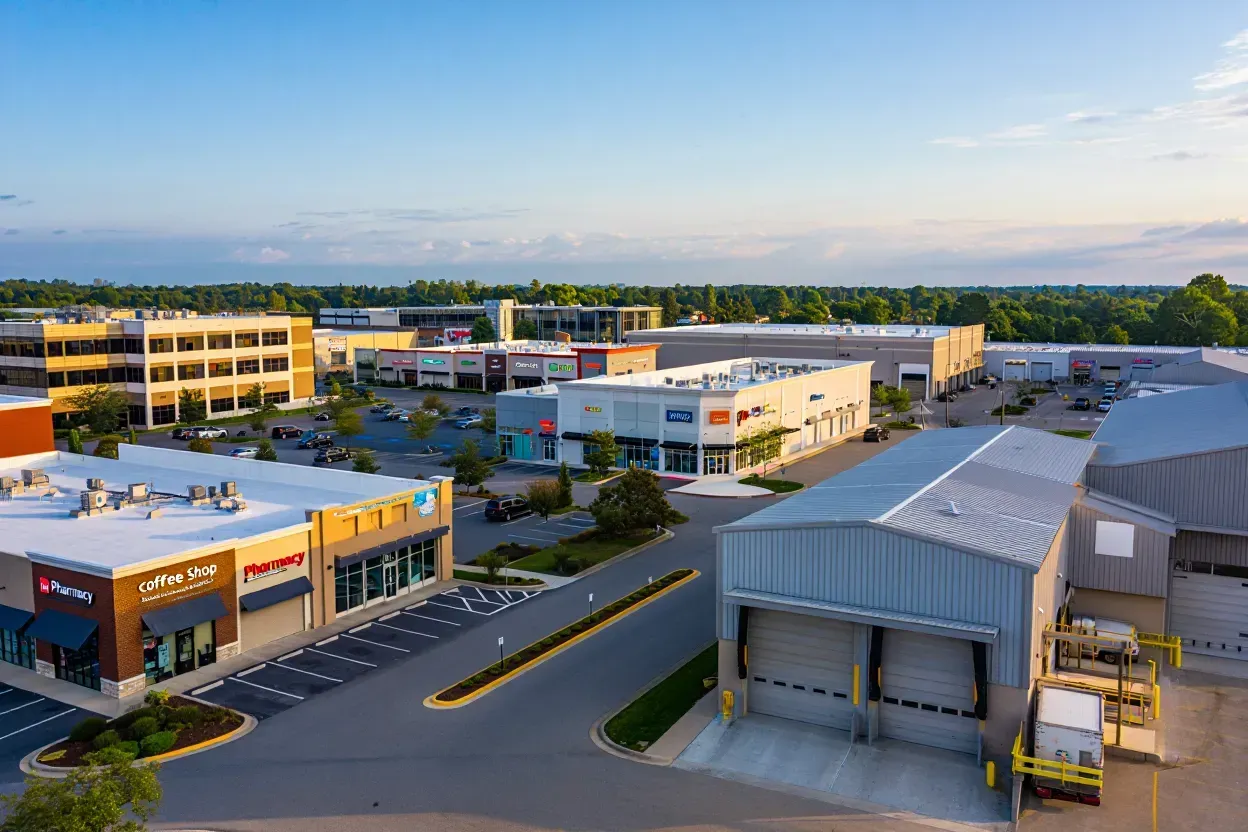
Cap rates in the single tenant net lease space moved marginally higher in Q2 2026, signaling a market still adjusting to persistent rate uncertainty. According to The Boulder Group, overall cap rates climbed two basis points quarter-over-quarter (QoQ) to 6.82%, with the retail sector seeing a 5 bps increase to 6.60% and industrial climbing 10 bps to 7.25%.

An elevated outdoor view of a modern shopping mall promenade with manicured greenery, palm trees, and pedestrians.

June CPI Decelerates from May, Driven by Drop in Energy Index

U.S. inflation decelerated in June, with the Consumer Price Index (CPI) declining 0.4% after increasing 0.5% in the previous month. A 5.7% drop in the energy index drove the monthly all-items decrease, more than offsetting increases in indexes for shelter and food, the Bureau of Labor Statistics said Tuesday.


The energy index was up 15.7% on an annual basis. The monthly decline followed increases of 3.9% in May, 3.8% in April and 10.9% in March...
The American flag waves against a bright blue sky between towering glass skyscrapers, viewed from a low angle.

Costco’s June sales up 10.6% amid strong digital gains; declares dividend

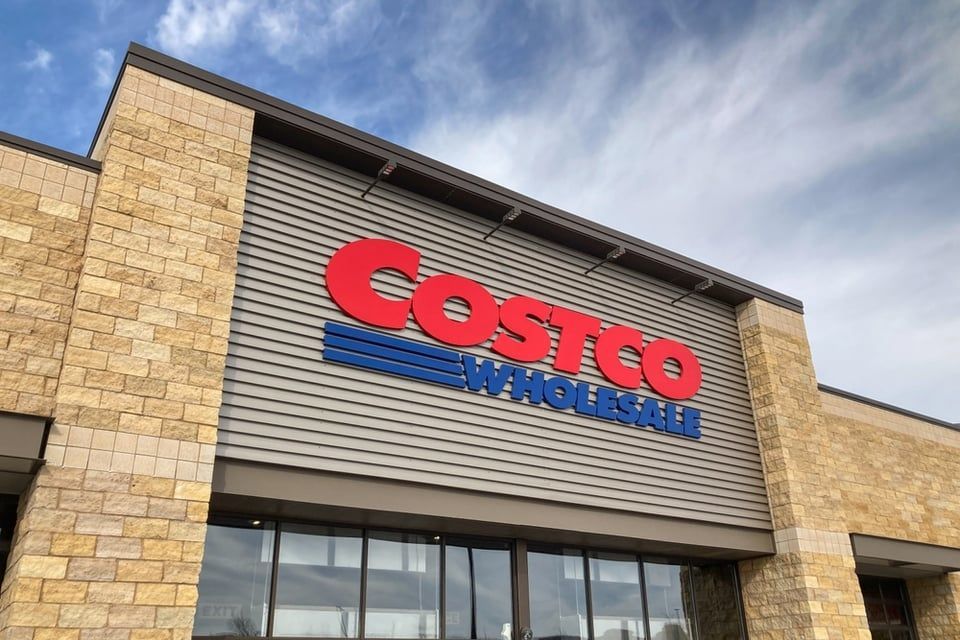
Costco Wholesale Corp. reported another solid month with increases in net and comparative sales, as well as its average transaction.

The membership warehouse club retailer's net sales rose 10.6% to $29.24 billion in June (the five weeks ended July 5). Excluding gas, the average transaction rose 3.3%. Net sales for the first 44 weeks were $250.43 billion, up 10.1% from $227.46 billion last year...
A flat, single-story retail building with a

Study: KFC closed 300-plus U.S. stores in past year


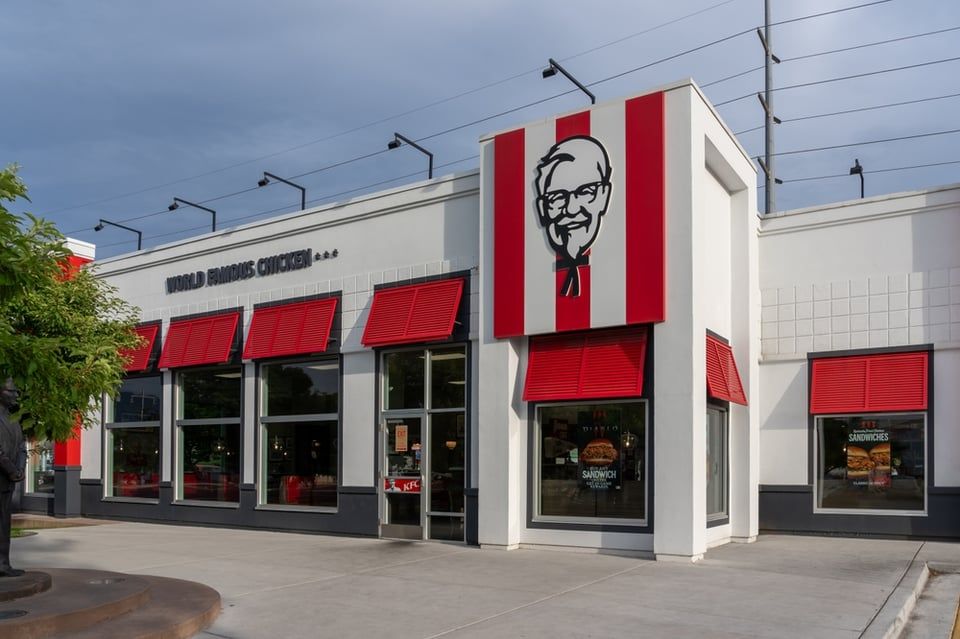
One of the largest quick-serve fried chicken chains is trimming its store count in the United States, according to a new analysis.

Local AI search visibility platform Local Falcon compared KFC's public store locator from July 15, 2025, to July 6, 2026, and verified each removed listing against Google Maps. The analysis showed that at least 312 KFC restaurants marked permanently closed on Google Maps, or 7.64% of the more than 4,000 locations listed at the start of the period...

The main entrance of the NuHAA building, featuring a modern glass and stone facade, at sunset.

Affluent Shoppers Drive Nearly Half Of US Retail Spending

The Steepening K-Shaped Recovery


Globe St reports that consumer spending in the US is now more heavily concentrated among the wealthiest households than at any point in decades. According to Bank of America, the top 10% of earners spend as much on discretionary items as the bottom 70% combined—a sign of how the so-called K-shaped recovery has intensified since the pandemic. Moody’s Analytics, analyzing Federal Reserve data, found these high-income households, earning $250,000 or more, drove 49.7% of all consumer spending, up from 36% thirty years ago. For CRE owners and investors, this concentration creates new patterns of risk and resilience for retail, mixed-use, and consumer-facing assets...
A green Publix Food & Pharmacy sign mounted on a white and beige building exterior against a blue sky.

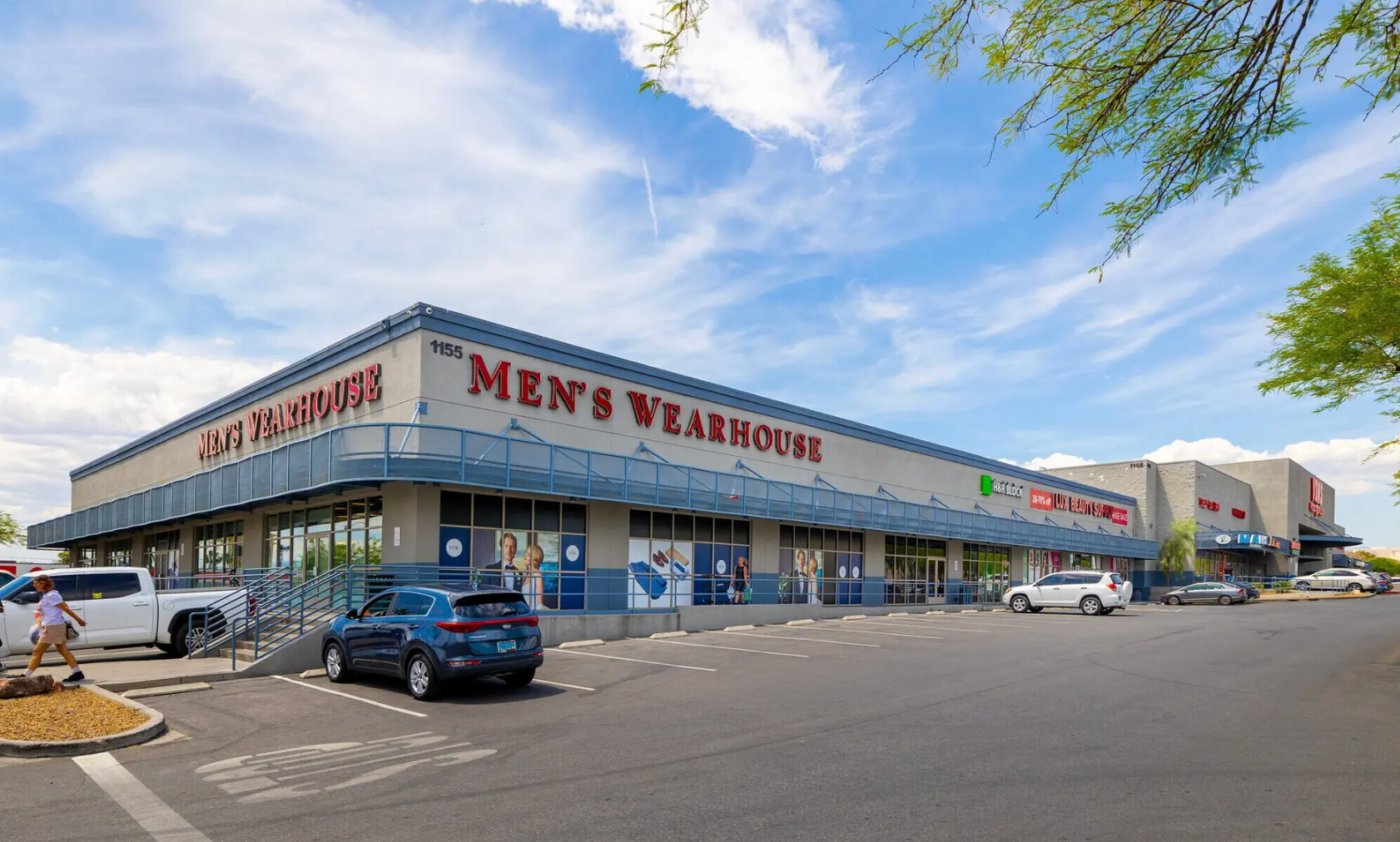
Men’s Wearhouse parent eyes Wall Street return as department stores retreat

The parent company of Men's Wearhouse and Jos. A. Bank is preparing to return to the public markets, arguing it has overcome the challenges that drove it into bankruptcy during the pandemic and is now positioned for a major expansion.

New York-based Tailored Brands — also the owner of Moores and K&G Fashion Superstore — said Monday it has publicly filed a registration statement with the Securities and Exchange Commission for an initial public offering. The company has not yet determined the number of shares to be sold or the proposed price range. It plans to trade on the Nasdaq under the ticker symbol "MENW..."
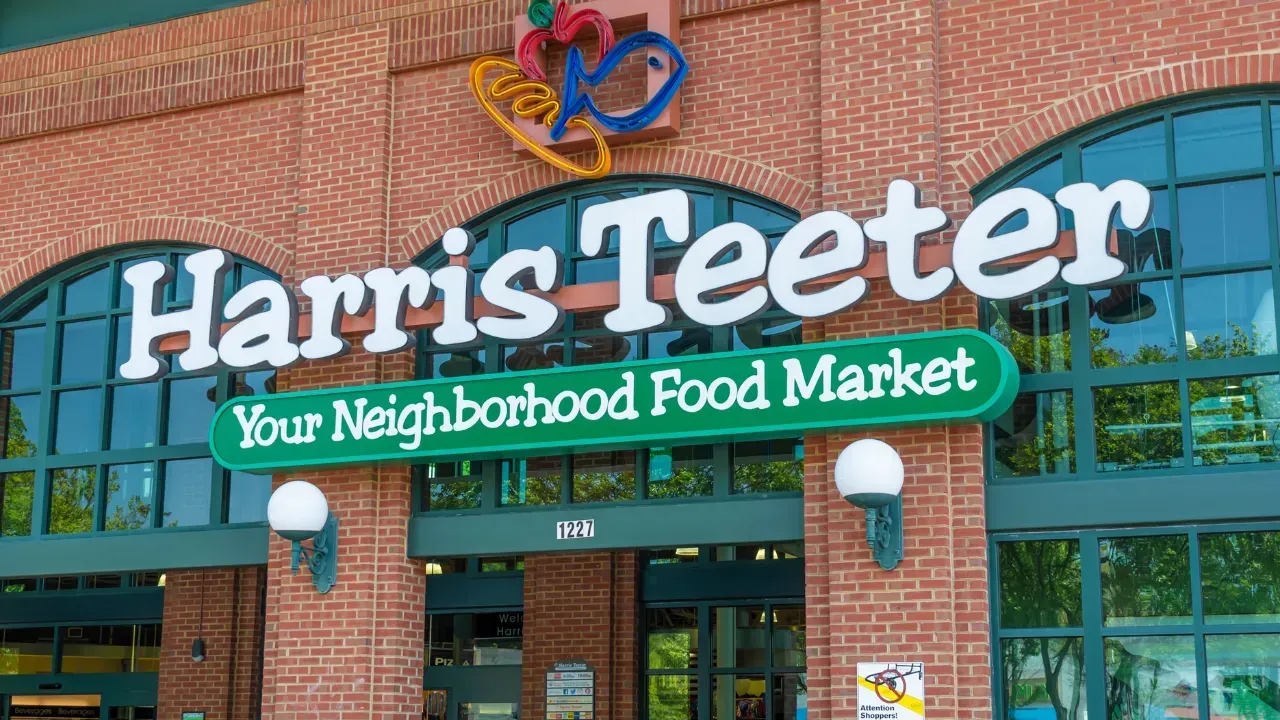
Kroger wipes out plan for 80 stores in Florida

The Tampa Bay Business Journal reports that a massive expansion of Kroger stores in Florida has been canceled.

The Cincinnati-based grocer recently scrapped plans for 80 Harris Teeter locations in Florida. A Harris Teeter store currently under construction in Jacksonville remains on track to open.


The Harris Teeter rollout also included at least five 65,000-square-foot, high-end stores.


In a statement, Harris Teeter said it does not comment on potential sites or real estate speculation.

Kroger has been retreating in Florida since December, when it terminated a 10-year incentive agreement with Lake County, Fla., after shutting down a fulfillment network facility...
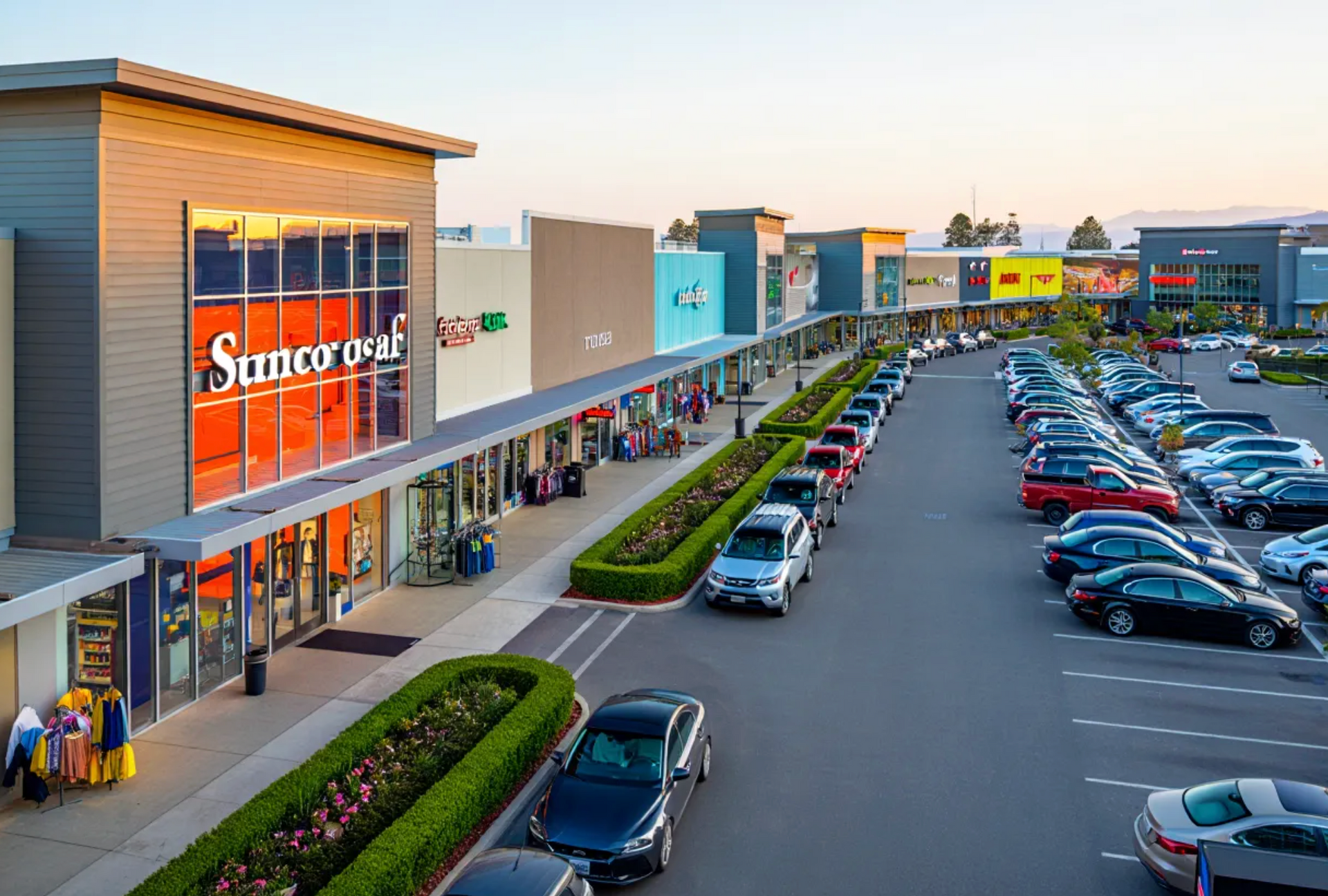

US Retail Vacancy Holds at 4.4% as Demand Stays Strong

Retail Resilience Defies Market Pessimism


US retail fundamentals stayed on solid footing in Q2 2026, even as the wider economy faced ongoing uncertainty. According to the latest report by Colliers, shoppers continued to seek value, convenience, and experiences, fueling consistent demand for retail space. Against concerns about discretionary spending, tenants remained active, and leasing strengthened—underscoring the sector’s resilience relative to other asset classes...


By Marc Perlof • October 14, 2026
By Marc Perlof | @MarcRetailGuy CA #01489206 October 14, 2026 If you own retail real estate, here’s what just changed for you. As of September 30, 2026,² California has passed AB 1679, a new law designed to make it easier for qualifying small businesses to temporarily operate in existing commercial space. For retail property owners, that could create another way to activate a vacant storefront, generate activity, and possibly collect temporary income while searching for a long term tenant.¹ The law applies statewide, including cities such as Los Angeles, Inglewood, Culver City, Santa Monica, Beverly Hills, and other California cities and counties.¹ How Does AB 1679 Work? AB 1679 allows a qualifying pop up small business to operate in eligible commercial space for up to 120 days under a temporary commercial activation authorization.¹ Local governments may also allow extensions or renewals. If temporary use of the same space goes beyond a total of 12 months within a 24 month period, the city or county may require the normal permanent occupancy process.¹ The law generally covers temporary businesses operating in Group B Business or Group M Mercantile occupancies with a total occupant load of no more than 49 people, including customers and employees.¹ There is no single maximum square footage because the allowed occupant load depends on how the space is used and laid out. For example, a retail sales area using 60 square feet per occupant would reach 49 occupants at about 2,940 square feet. But a store with a large stockroom or office area could have a different calculation, so owners should confirm the actual occupant load for their specific space. That can make the law relevant to many traditional retail and service spaces. The existing space must meet several requirements. It generally must already have been designed or used for commercial purposes, cannot be undergoing structural alterations, and cannot require changes to fire resistant building elements.¹ Health, safety, fire, and accessibility rules still apply. How Do You Apply? AB 1679 does not create one statewide application. The property owner or tenant will need to apply through the city or county where the property is located for a temporary commercial activation authorization. Each jurisdiction may use its existing permitting system or create a new AB 1679 process, so owners should check with the local building or planning department before offering the space to a temporary tenant. Why Could This Matter to a Retail Owner? Vacancy costs money. Assume a vacant storefront could produce $8,000 per month under a permanent lease. Six months of vacancy represents $48,000 of potential lost rent before considering property taxes, insurance, utilities, security, and other carrying costs. A temporary tenant will not necessarily replace that entire amount. But AB 1679 could give some owners another option besides leaving the storefront dark while waiting for the right permanent tenant. Possible uses could include a seasonal retailer, a business testing a new location, or another qualifying temporary commercial use. There may also be a nonfinancial benefit. An occupied storefront can create activity at a shopping center that might otherwise have dark space. Should You Treat Pop up Rent Like Permanent NOI? No. Temporary income and permanent lease income are not the same thing. A buyer evaluating your property will still want to know when the temporary tenant leaves, what rent a permanent tenant could pay, how much tenant improvement money may be needed, and how long the next lease up could take. A 120 day pop up can help reduce carrying costs, but it should not automatically be treated like income from a long term lease. What Should Retail Property Owners Do? Confirm the vacant space’s existing occupancy classification and whether the proposed temporary tenant qualifies under AB 1679. Compare the economics of temporary occupancy with leaving the space vacant. Consider rent, operating expenses, improvements, insurance, and how easily the temporary tenant can leave if you find a permanent tenant. Confirm the local approval process with the city or county before making commitments to a pop up tenant. The main question is whether temporary occupancy helps reduce your vacancy cost without creating a new leasing problem. Owner Self-Assessment If one of your storefronts stayed vacant for another six months, how much rent and expense reimbursement would you lose, and could a temporary tenant reduce some of that cost? Final Takeaway AB 1679 may give California retail property owners another tool for putting qualifying vacant commercial space to work while pursuing a permanent leasing strategy. If you're evaluating whether to keep a storefront vacant, use it temporarily, or wait for a long term tenant, call or DM me. I can help you compare the income, downtime, and value implications of each option. Sources 1 California AB 1679 bill text and history 2 Governor of California announcement Based in Los Angeles. Serving Southern California. Active across California. Advising clients nationwide. #CaliforniaRetailRealEstate #RetailRealEstate #CommercialRealEstate #RetailProperty #AB1679 #RetailLeasing #VacantRetail #PopUpRetail #PropertyOwners #CaliforniaRealEstate
By Marc Perlof • October 13, 2026
By Marc Perlof | @MarcRetailGuy CA #01489206 October 13, 2026 If you own retail real estate, here’s what just changed for you. A larger company or private equity firm can acquire your tenant without becoming responsible for the lease. If you assume the new owner supports the rent when it does not, that uncertainty can affect your income risk, financing, negotiating leverage, and future sale price. The main decision is simple: verify which tenant and guarantors remain legally responsible after the ownership change. What Owners Commonly Miss A tenant may continue using the same name, operating from the same location, and paying the same rent after a sale. From the outside, nothing may appear to have changed. Behind the scenes, the ownership structure may be different. The original tenant may remain in place, the lease may move to another entity, or an existing guarantor may remain responsible, be replaced, or be released. An acquisition may improve the tenant’s operations through better access to capital, stronger management, or greater purchasing power. However, a stronger new owner does not automatically give the landlord direct rights against that company. The reverse is also possible. The tenant may take on more debt, move assets among related companies, close locations, or reorganize under smaller entities. The brand may remain familiar while the financial support behind the rent changes. Does the New Owner Automatically Guarantee the Lease? Usually, no. When a company buys the tenant or its parent company, the new owner does not automatically become a guarantor simply because it now controls the business. The legal tenant may remain the same entity and continue to be responsible for the lease. However, that does not mean the buyer, its parent company, or the new corporate owner has agreed to support the tenant’s obligations. In some transactions, the new parent company does become a guarantor. This is less common and generally happens only when the new parent expressly signs a guaranty, assumes an existing guaranty, or agrees to provide lease support as part of an assignment, landlord consent, lease amendment, or acquisition agreement. The important question is not just, “Who bought the tenant?” It is, “Did the new owner or parent company sign a document making it responsible for the lease?” A recognizable new owner may improve the tenant’s business outlook, but that alone does not create lease liability. The documents must clearly show who remains responsible and whether the new parent company has agreed to stand behind the rent. The structure of the transaction may help identify what needs to be reviewed: Stock or ownership interest sale: The owners of the tenant company change, but the legal tenant may remain the same. Asset sale: The buyer purchases selected assets, and the lease may require a separate assignment or agreement. Merger or restructuring: The tenant may be combined with or moved under another entity. The legal result depends on the lease, guaranty, assignment, consent, and transaction documents. Qualified legal counsel should confirm which entities remain responsible. An acquisition announcement alone does not answer the question. The owner must determine whether the acquiring company signed anything that makes it responsible for the rent. How Can an Ownership Change Affect Your Property’s Value? Retail property buyers and lenders want to know who supports the future income. If a well capitalized acquiring company signs a new guaranty, the lease may appear more secure. That can improve buyer confidence and support financing. If an existing guarantor is released, the lease moves to a weaker entity, or responsibility becomes unclear, buyers may: Request more financial information Require a higher return or offer a lower price Place more weight on the underlying real estate and replacement tenant demand An ownership change does not automatically increase or decrease property value. The effect depends on whether the support behind the rent became stronger, weaker, or simply less clear. Uncertainty usually works against the owner during a refinance or sale. A buyer who cannot confirm the tenant and guarantor structure may reduce the value assigned to the lease, extend due diligence, or negotiate more aggressively. The property may still be a strong investment. Location, contract rent, remaining lease term, property condition, vacancy risk, and the cost of replacing the tenant still matter. However, the owner should understand whether the property’s value is supported mainly by tenant credit, the underlying real estate, or both. Real Deal Insight In June 2026, Yum! Brands announced agreements to sell Pizza Hut in the United State only, to private equity firm LongRange Capital. A Pizza Hut property owner should not assume from that announcement alone that LongRange Capital now guarantees the rent for a specific location. The owner must still confirm the legal tenant, existing guarantors, and whether any lease or guaranty documents changed.¹ What Should Retail Property Owners Do Now? Review the complete lease file as soon as you learn that your tenant has been acquired, merged, or reorganized. Do not wait until a refinance, renewal, default, or sale forces the issue. Identify: The legal tenant before and after the transaction Every guarantor that remains responsible Whether the lease was assigned Whether any tenant or guarantor was released Whether the acquiring company signed a new guaranty Review the original lease, guaranty, amendments, assignments, landlord consents, estoppel certificates, ownership change notices, and any replacement or release documents. When the relationship among the tenant, guarantor, parent company, and affiliates is unclear, request an organizational chart or entity structure. The chart can show how the companies are connected, but the lease and guaranty documents still determine who is responsible. Have qualified legal counsel confirm the result. Then create a written record identifying the current tenant, every guarantor, and any limits, releases, or expiration dates. Completing that review early gives you time to correct missing records, understand your income risk, prepare for lender questions, and explain the lease accurately to a future buyer. In next week’s blog, “How Lease Guarantees Affect Your Retail Property’s Value,” I’ll explain how buyers and lenders evaluate guarantor strength and why two properties with similar tenants, rents, and lease terms may receive different pricing. Final Takeaway A tenant’s new owner does not support your rent unless the lease and guaranty documents make that entity responsible. If one of your retail tenants has been acquired, merged, or reorganized, call or DM me. I can help you review how the tenant structure and guaranty may affect buyer underwriting, property value, and your next refinance, renewal, or sale decision. If your tenant changed ownership today, could you identify the current legal tenant, every remaining guarantor, and whether anyone was released? Source “Yum! Brands, Inc. Enters into Agreements to Sell Pizza Hut for $2.7 Billion,” Yum! Brands, Inc., June 16, 2026. https://investors.yum.com/news-events/financial-releases/news-details/2026/Yum-Brands-Inc--Enters-into-Agreements-to-Sell-Pizza-Hut-for-2-7-Billion/default.aspx Based in Los Angeles. Serving Southern California. Active across California. Advising clients nationwide. #RetailRealEstate #CommercialRealEstate #RetailProperty #NetLease #LeaseGuarantee #CorporateGuarantee #TenantCredit #PrivateEquity #InvestmentProperty #RetailInvesting #MarcRetailGuy #MarcPerlof
By Marc Perlof • October 9, 2026
10-year Treasury yield hits highest level since 2002 as stocks retreat: AlphaCheck Good morning. Stocks retreated on Wednesday as long-dated bonds climbed again and Brent crude oil futures ( BZ=F ) rose back above $100 per barrel. The 10-year Treasury ( ^TNX ) yield, used as a benchmark for mortgages and other loans, rose to 5.34%, its highest level since 2002. Meanwhile, the 2-year Treasury climbed to 4.82%. Stocks are coming off all-time highs, though the breadth of the market rally has deteriorated in recent weeks...
More Posts