Weekly Perl: A Commercial Real Estate News Recap

Marc Perlof • May 15, 2026
A banner for weekly commercial real estate news recap
A car is parked in front of a sign that says 223

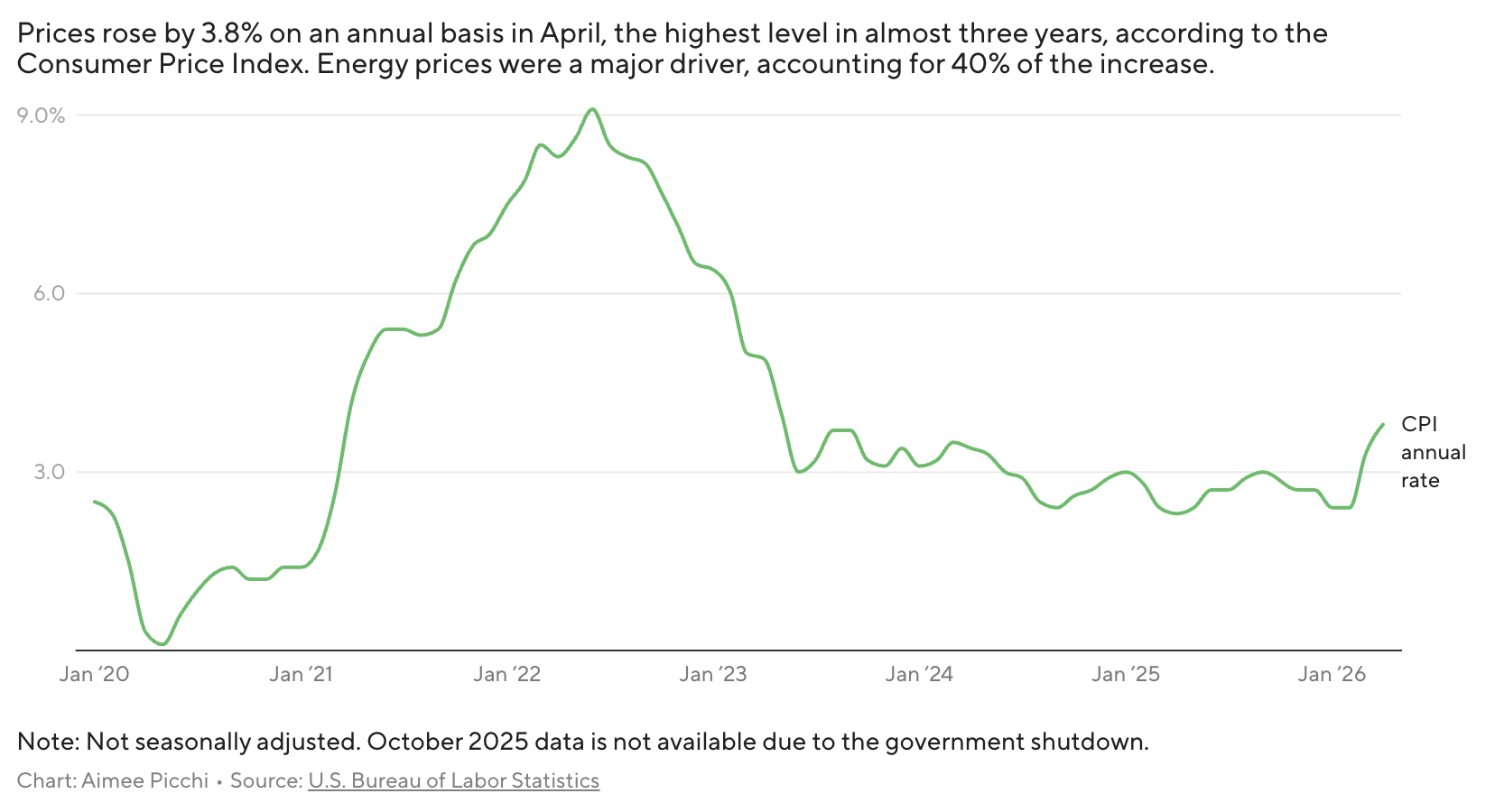
CPI surged in April as inflation soars to highest level in almost 3 years

Inflation accelerated in April to an annual rate of 3.8%, the highest since May 2023, as the Iran war pushed up energy costs and raised prices across the economy.


By the numbers

Economists predicted inflation would jump to 3.7% on an annual basis, up from the 3.3% reading in March, according to a FactSet poll.

The front of an aldi store with a sign in front of it.

Fed Rate Policy Drifts From Taylor Rule Signals

The Federal Reserve’s latest rate stance is opening a wider debate across Wall Street over whether policymakers are drifting too far from traditional
monetary-policy benchmarks, reports Globe St. While markets overwhelmingly expect the Fed to keep rates unchanged through its next meeting, several economists and strategists argue current policy no longer aligns with the Taylor Rule, one of the most widely referenced frameworks for setting interest rates...
An elevated outdoor view of a modern shopping mall promenade with manicured greenery, palm trees, and pedestrians.

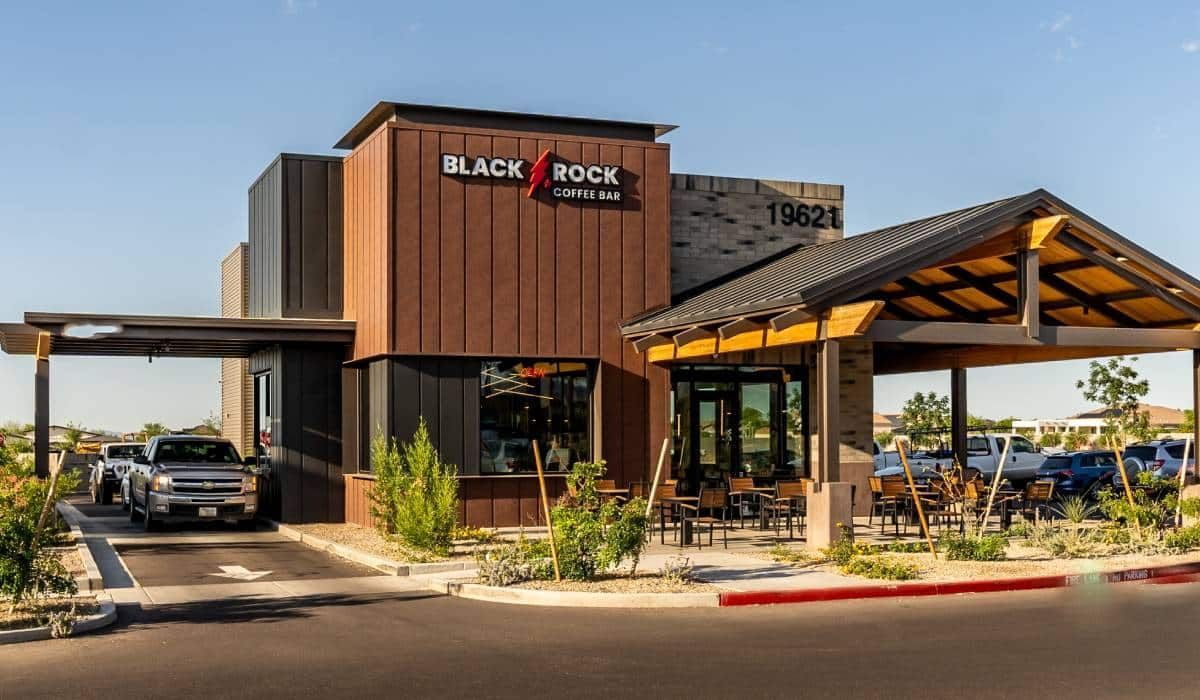
Inside the Early Phases of Black Rock’s 1,000-Store Growth Journey

While Black Rock Coffee Bar has had an eventful run since going public last fall, the truth remains it’s a challenger brand in a tide of beverage growth. It closed Q1—its 13 consecutive positive same-store sales period at 5.2 percent (14.4 percent two-year stack)—with 190 locations after debuting nine across Colorado, Texas, Arizona, and Oregon. It’s planning 36 for the full calendar. Dutch Bros today touts about 1,120 stores and 7 Brew closed 2025 with 602 after adding a net of 281...
The American flag waves against a bright blue sky between towering glass skyscrapers, viewed from a low angle.

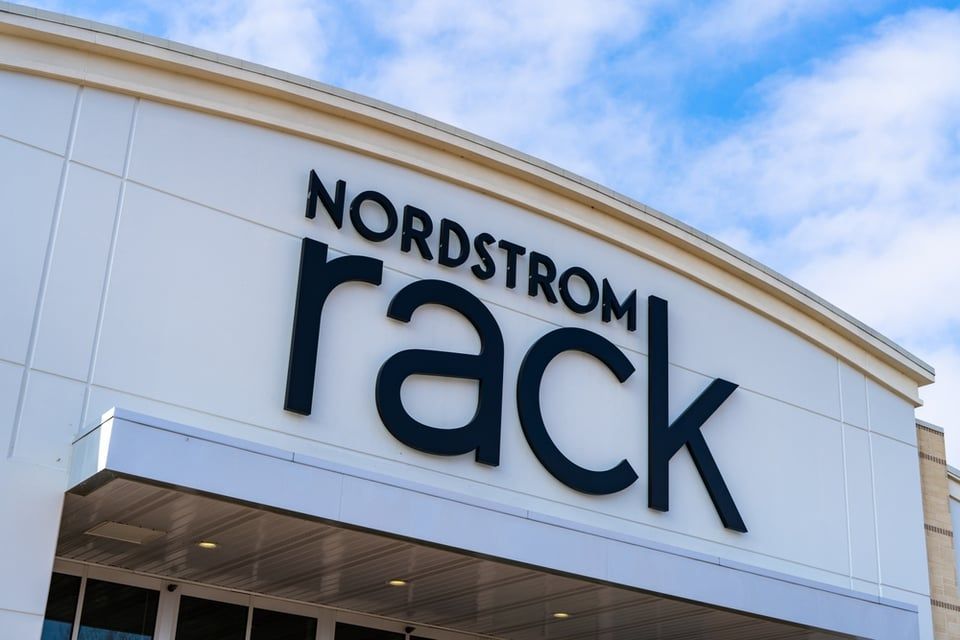
Nordstrom Rack expands 2027 planned openings with two CA sites — here's the list


Nordstrom Inc. is adding two new off-price stores to its 2027 lineup.

The department store retailer will open two new Nordstrom Rack stores in California next year, both located in the Los Angeles metro area. The new stores will be in Marina del Rey and Torrance. The locations join five other previously announced Nordstrom Rack 2027 openings. (See end of article for a list of the 2027 openings Nordstrom Rack has announced to date...)
A flat, single-story retail building with a

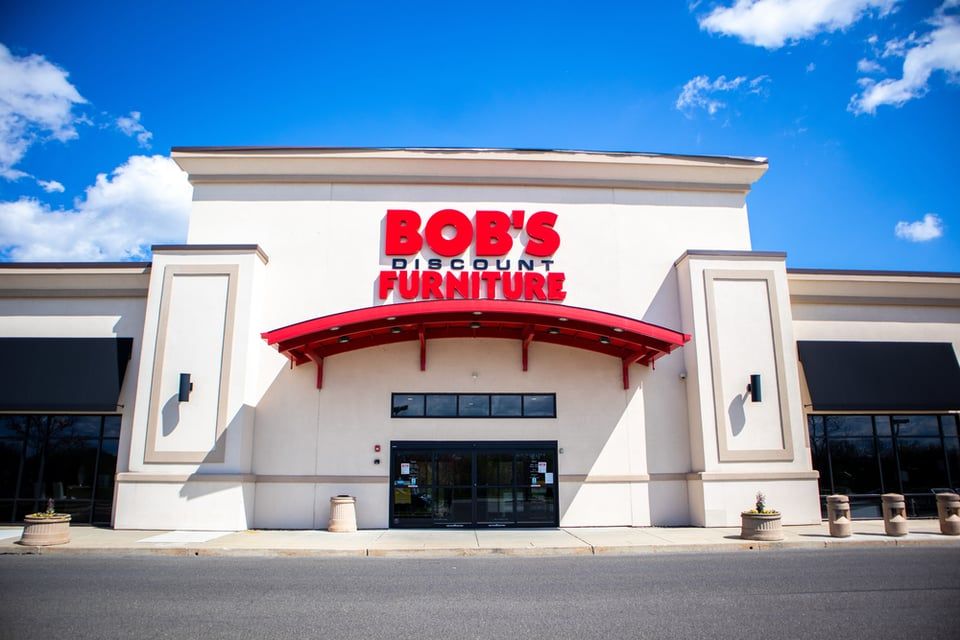
Bob’s Discount Furniture Q1 sales up 8.5%; opening 20 stores in 2026

Bob’s Discount Furniture managed to overcome “industry headwinds” during the first quarter with revenue growth as it remains committed to national expansion.

The furniture retailer opened five new stores during the quarter, for a total of 214 stores in 26 states, and is on track to open approximately 20 locations for the full year. On the earnings call, Bob’s president and CEO Bill Barton said the company’s continues “to see a clear and actionable path to more than 500 stores by 2035...”
The main entrance of the NuHAA building, featuring a modern glass and stone facade, at sunset.

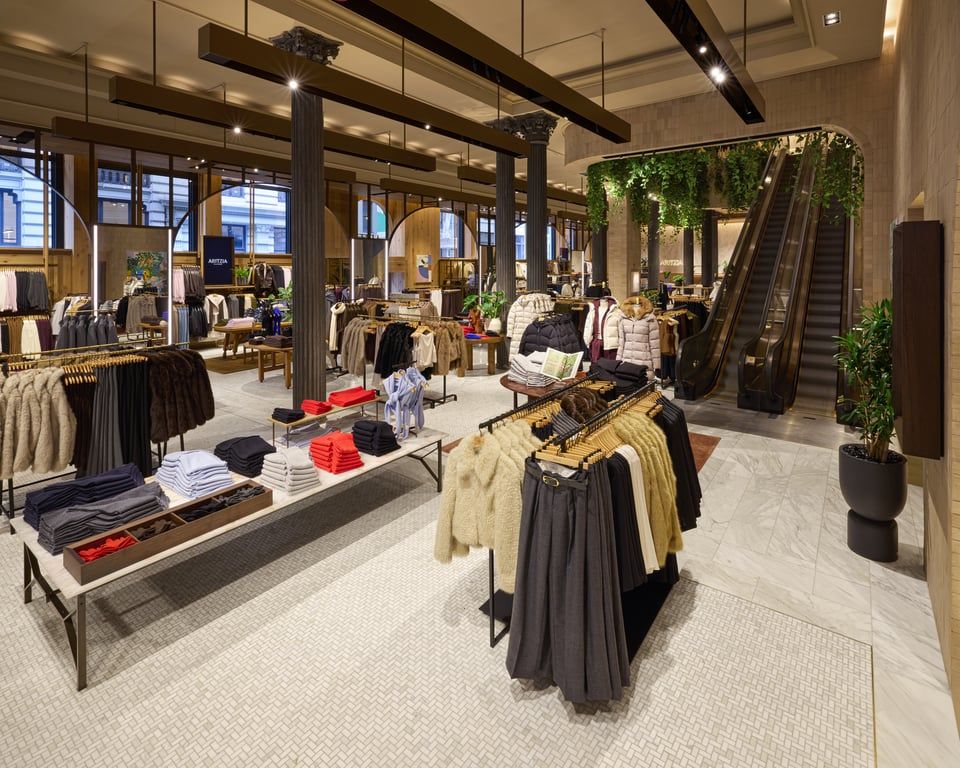
Aritzia focused on U.S. store expansion in 2026 — here’s where


On the heels of a strong fourth quarter and year, Aritzia Inc. is entering new markets as it expands its store footprint in the United States.

The Canadian fashion retailer plans to open 12 or 13 new stores in its current fiscal year (fiscal 2027), with the majority in the U.S. Aritzia, which currently operates 76 U.S. locations, sees the potential for approximately 180 to 200 stores here... 

A green Publix Food & Pharmacy sign mounted on a white and beige building exterior against a blue sky.

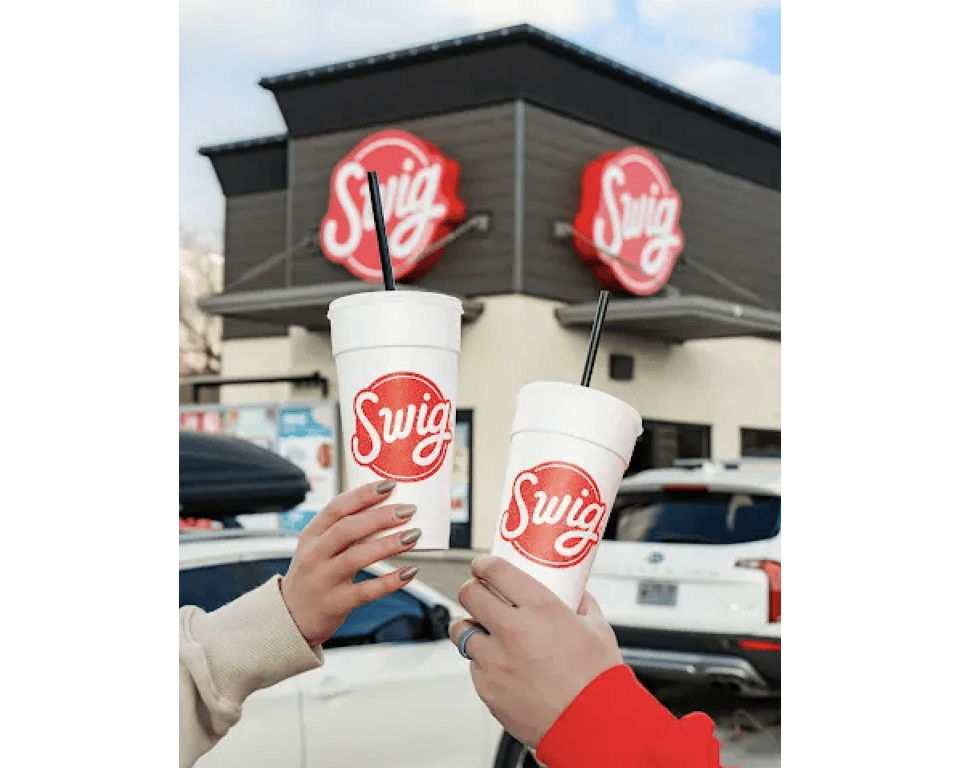
'Dirty soda' chain Swig to enter Colorado with 10-unit deal

A drive-thru customizable beverage chain that specializes in one of the country's hottest trends is expanding its footprint.

Utah-based Swig, which describes itself as "the home of original dirty soda," is expanding into Colorado, through a 10-unit franchise agreement to open locations across Colorado Springs, the state’s second-largest city. The first location is expected to open by the end of 2026, adding to Swig's nationwide franchise initiative. The chain currently operates more than 150 locations across 16 states...
Two bundt cakes on small plates: one with chocolate drizzle, one with caramel drizzle, with cinnamon sticks nearby.

Necessity-Based Retail Draws Investors Amid Tight Supply

Retail real estate is entering ICSC Las Vegas with a different narrative than it carried just a few years ago, reports Globe St. Instead of focusing on pandemic-era distress, investors and operators are increasingly zeroing in on the sector’s stable cash flow, constrained supply, and improving access to capital...

Interior of a casual restaurant featuring blue chairs, red accents, brick walls, and a

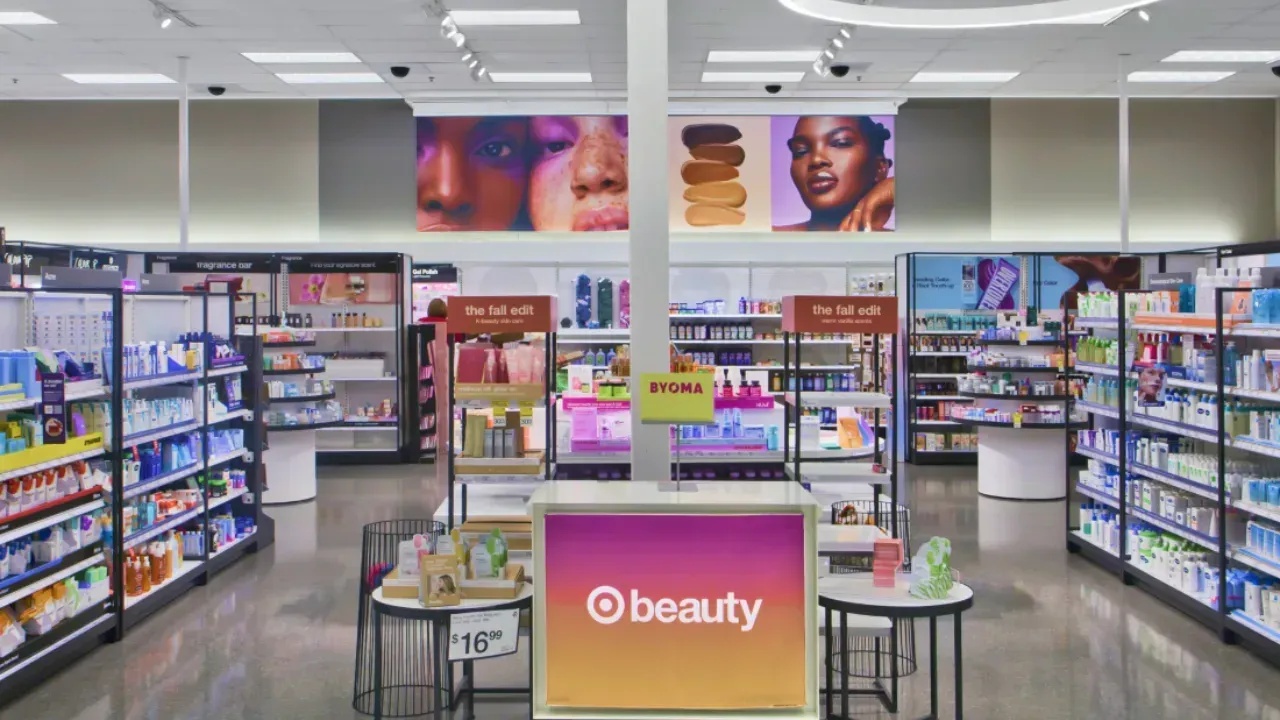
Target to invest $5B in 130+ store remodels this year, and some will have expanded grocery

Target plans to increase store remodeling efforts this year as part of a broader investment in its retail operations, the company said.

The retailer said Monday it will invest about $5 billion this year in more than 130 store remodels, 30 new stores, technology updates and supply chain improvements. The company identified priority markets including Atlanta; Austin, Dallas and Houston, Texas; Charlotte, N.C.; Chicago; Phoenix; Los Angeles; Miami; Minneapolis; New York City; Philadelphia; and Washington, D.C...


By Marc Perlof June 29, 2026
By Marc Perlof | MarcRetailGuy CA #01489206 June 29, 2026 If you own retail real estate, here’s what just changed for you. The consumer is still spending, but buyers are not treating all retail income the same. The simple answer is this: retail properties with clean, durable income are getting more attention, while properties with weaker tenants, short leases, or messy income are getting discounted. The K-shaped economy is now a pricing issue for retail property owners. What Changed The K-shaped economy is not just a consumer story anymore. It is becoming a real estate pricing story. A K-shaped economy means some consumers are doing well, while others are under more pressure. Higher income households may keep spending. Lower and middle income households may become more careful with food, gas, rent, credit cards, and discretionary purchases. Bank of America Institute reported that total credit and debit card spending per household increased 4.8% year over year in April 2026, but spending growth slowed in several discretionary “nice to have” categories.¹ That matters for retail owners. Consumers are still spending, but they are choosing more carefully. That creates a stronger market for some tenants and a weaker market for others. What is causing it? Retail sales are still positive. The U.S. Census Bureau reported that advance U.S. retail and food services sales for May 2026 were $763.7 billion, up 0.9% from April 2026 and up 6.9% from May 2025.² That is supportive for retail. But it does not mean every shopping center, strip center, or Triple Net (NNN) property is protected. CRE Daily recently reported that the K-shaped economy is also creating splits inside real estate asset classes. Investors are becoming more focused on assets tied to stronger demand, demographics, and durable income.³ That is the real change. The market is not just separating retail from other property types. It is separating stronger retail income from weaker retail income. Why It Matters How does this affect your property value? Your property value is based on income. If your tenants pay on time, reimburse NNN charges, renew leases, and serve steady customer demand, buyers have more confidence in your NOI. If your leases are short, your Common Area Maintenance (CAM) recovery is unclear, your tenants are weak, or your rent is above market, buyers will underwrite more risk. That risk shows up in price. For example, if your NOI is $250,000 and the buyer uses a 6.25% cap rate, the value is about $4,000,000. If the buyer sees more risk and uses a 6.75% cap rate, that same NOI supports about $3,703,704 in value. That is almost $296,000 of value difference. This is why income quality matters. How are buyers underwriting retail today? Buyers are looking harder at tenant durability. They want to know if the tenant sells something people need, something people want, or something people cut when money gets tight. They are looking at lease term, rent level, rent increases, options, NNN reimbursement language, CAM, insurance, taxes, roof, HVAC, parking, and future capital exposure. They are also asking one simple question. Can this income survive a more selective consumer? If the answer is yes, your property gets stronger attention. If the answer is no, the buyer will either reduce price or move on. What does this mean for Los Angeles and Southern California owners? Los Angeles retail is not one market. A grocery-anchored center in a dense trade area is not the same as a small strip center with weak parking and short leases. A NNN property with a strong tenant and limited landlord responsibility is not the same as a value add center with deferred maintenance and uncertain leasing. CBRE reported that U.S. retail availability was 4.9% in Q1 2026, with average retail asking rent up 2.4% year over year.4 That shows retail supply remains tight nationally, but local property quality still matters. In Southern California, buyers are not buying the headline. They are buying the income stream. Strategic Advice for Retail Property Owners What should you do right now? Identify which tenants benefit from a selective consumer. Daily needs, value, grocery, discount, food, service, medical, and necessity driven tenants should be separated from more discretionary tenants. Position your property around income durability, not just occupancy. A full center is not enough. Buyers want to know if the tenants can keep paying rent if consumers pull back. Price the property based on the weakest part of the income stream If one tenant has a short lease, above market rent, payment issues, or unclear reimbursements, buyers may use that risk to reprice the whole asset. Real Deal Insight This is how deals are being underwritten today. Buyers are separating durable retail income from weaker retail income and pricing each one differently. Owner Self-Assessment If a buyer reviewed your leases, rent roll, and NNN recovery today, would they see stable income or future risk? If you own a strip center, shopping center, NNN property, or retail redevelopment site, I can help you review the income, pressure test buyer underwriting, and identify where value is protected or exposed before you make a sale, refinance, or hold decision. What would a serious buyer question first if they reviewed your retail property today? Based in Los Angeles. Serving Southern California. Active across California. Advising clients nationwide. Sources 1 Bank of America Institute, Consumer Checkpoint, May 2026 2 U.S. Census Bureau, Advance Monthly Sales for Retail and Food Services, May 2026 3 CRE Daily, “K-Shaped Economy Drives Asset Class Splits in Real Estate,” June 23, 2026 4 CBRE, U.S. Retail Figures, Q1 2026
By Marc Perlof June 26, 2026
10-year Treasury yield is little changed after May inflation data comes in as expected U.S. Treasury yields were relatively unchanged on Thursday as Wall Street assessed key inflation data for May. The yield on the 10-year U.S. Treasury note — the key benchmark for mortgages, auto loans and credit card debt — fell less than 1 basis point to 4.396%. The 2-year Treasury note yield, which more closely tracks short-term Federal Reserve interest rate policy, declined 1 basis point to 4.127%. The longer-dated 30-year Treasury bond yield was up less than 1 basis point at 4.861%...
By Marc Perlof June 22, 2026
By Marc Perlof | MarcRetailGuy CA #01489206 June 22, 2026 If you own retail real estate, here’s what just changed for you. In a seller’s market, the strongest pricing results usually come from creating competition, not simply setting the highest asking price possible. Retail property owners who understand how to manage buyer psychology and negotiation leverage usually achieve better results than owners who rely only on aggressive pricing. When buyer demand increases and inventory becomes limited, pricing strategy changes significantly. Buyers move faster, competition increases, and leverage often shifts toward sellers. In the previous article, “How to Price Retail Property in a Buyer’s Market,” I discussed how owners should reduce buyer fear, respond to conservative underwriting, and protect leverage when buyers control negotiations. What Changed What happens in a seller’s market? In a seller’s market, strong retail properties often attract multiple buyers at the same time. When there are fewer properties available for sale, buyers often compete harder for well-located properties with strong tenants and reliable income. That competition can improve both pricing and deal terms. Buyers who move slowly in weaker markets often speed up their decision making once they believe competition exists. That can increase pricing pressure and strengthen seller leverage during negotiations. This is especially true for well positioned NNN properties, shopping centers, and retail assets with strong tenant performance, longer lease terms, stable operating histories, and value add opportunities. Why do buyers behave differently in strong markets? Buyers become more aggressive when they believe quality opportunities are difficult to replace. In stronger markets, investors worry less about finding another deal and more about losing the current opportunity to another buyer. That changes negotiation behavior significantly. Buyers may shorten due diligence timelines, ask for fewer conditions and move forward more quickly, move faster on underwriting, or become more flexible on pricing when they believe competition exists. At the same time, strong markets do not eliminate buyer caution completely. Sophisticated buyers still review lease terms, future repair costs and operating expenses, tenant quality, and long term property risks carefully before making decisions. Why It Matters Why can overpricing still hurt sellers in strong markets? One of the biggest mistakes sellers make in strong markets is assuming buyers will pay any price simply because demand is high. Overpricing too aggressively can still reduce activity and weaken momentum, even when overall market conditions favor sellers. The strongest pricing results usually happen when sellers create competition naturally instead of trying to force pricing higher from the beginning. Properties that attract multiple serious buyers often achieve stronger pricing because buyers begin competing against each other instead of negotiating only against the seller. Are buyers always being honest during negotiations? Not always. Even in strong markets, buyers often try to create leverage by acting less interested than they really are. Some buyers may claim: pricing is too aggressive market conditions are softening future problems may be developing they are prepared to walk away while still requesting documents, touring the property, or continuing negotiations behind the scenes. That does not mean sellers should ignore legitimate concerns. It means owners should evaluate buyer behavior carefully and separate real market feedback from negotiation tactics. Can sellers become overconfident in strong markets? Absolutely. Seller driven markets can create unrealistic expectations. Owners may begin setting unrealistic pricing expectations or assume every property should create aggressive bidding regardless of tenant quality, lease structure, or future risk. Strong markets still reward well positioned properties. They do not eliminate the importance of pricing discipline, professional marketing, or strategic negotiation management. Strategic Advice for Retail Property Owners How do you create stronger competition? The goal is not simply listing the property at the highest possible number. The goal is creating enough qualified buyer interest to generate competitive pressure naturally. That starts with presenting the property the right way, professional marketing materials, targeted buyer outreach, organized financial reporting, and clearly communicating the strengths of the property. Properties with stable tenants, strong lease structures, organized leases, financial records, and property information (due diligence), and predictable expenses are usually much easier to market competitively. Should sellers negotiate with only one buyer? Usually not too quickly. In stronger markets, maintaining conversations with multiple buyers often helps sellers keep negotiating power and improves negotiating outcomes. Once sellers negotiate exclusively with one buyer too early, leverage can shift back toward the buyer. That does not mean every buyer should be forced into a bidding war. It means sellers should manage the process carefully and understand how competition affects buyer behavior. What should sellers focus on most in strong markets? Sellers should focus on maintaining leverage without becoming unrealistic. Strong markets create opportunity, but disciplined execution still matters. Owners who combine strong positioning, realistic expectations, professional marketing, and carefully managed negotiations usually perform much better than owners who rely only on aggressive asking prices. Real Deal Insight During the strong seller driven retail market of 2021 and parts of 2022, we consistently saw the strongest pricing results on properties where sellers created organized competitive processes instead of simply raising asking prices aggressively upfront. Properties that generated multiple qualified buyers often achieved stronger pricing and better terms because buyers competed against each other instead of negotiating only against the seller. Owner Self Assessment If your property entered a stronger seller driven market, would buyers feel urgency to compete for the opportunity or confidence that they could wait for pricing to soften later? If you are considering selling and want to understand whether your property could benefit from a strategy that uses buyer competition to improve pricing, reach out directly. I will walk you through how buyers respond to retail opportunities in stronger markets and how to position your property to maximize leverage. Are you creating real buyer urgency or unintentionally reducing it through unrealistic pricing expectations? This concludes the Market Condition Pricing Series. So far, we've discussed how market conditions affect pricing, how buyers behave in different environments, and how sellers can protect leverage throughout the process. In the next series, “Execution and Decision Making,” we will focus on what many retail property owners struggle with most: applying these strategies to their specific property. We'll cover how to choose the right pricing strategy for your asset, why some properties sit on the market while others sell, how buyers actually evaluate retail properties, and how to decide whether selling now or waiting may create a better outcome. Understanding pricing strategy is important. Applying it correctly is what ultimately determines results. Based in Los Angeles. Serving Southern California. Active across California. Advising clients nationwide. #RetailRealEstate #NNN #ShoppingCenters #StripCenters #CommercialRealEstate #InvestmentSales #CapRates #RetailProperty #LosAngelesCRE #1031Exchange
More Posts