Weekly Perl: A Commercial Real Estate News Recap

Marc Perlof • June 5, 2026
A banner for weekly commercial real estate news recap
A car is parked in front of a sign that says 223

White House Cuts Construction Equipment Tariffs To 15%

The Trump administration is
dropping tariffs on a range of construction equipment from 25% to 15%, effective June 8, per Bisnow. The measure applies to imports incorporating aluminum, steel, and copper—covering categories like forklifts and residential HVAC systems. The new rates are slated to run through the end of 2027, according to a presidential proclamation released Monday.

Some foreign-made products with at least 85% US-sourced steel or aluminum will qualify for an even lower 10% tariff. The stated aim: alleviate cost pressure and stimulate activity in US industrial, construction, and logistics sectors, all challenged by elevated materials pricing and global supply chain stress...

The front of an aldi store with a sign in front of it.

Gap Q1 brand sales skyrocket as Old Navy disappoints


Gap Inc. delivered its ninth consecutive quarter of positive comp sales as the strong performance at its namesake brand helped offset sluggish sales at its largest banner, Old Navy.

The apparel retailer reported net income $339 million, or $0.90 per share, for the quarter ended May 2, compared with $193 million, or $0.51 per share, in the year-ago period. Excluding one-time items related to a legal settlement, Gap earnings per share were $0.38...
An elevated outdoor view of a modern shopping mall promenade with manicured greenery, palm trees, and pedestrians.

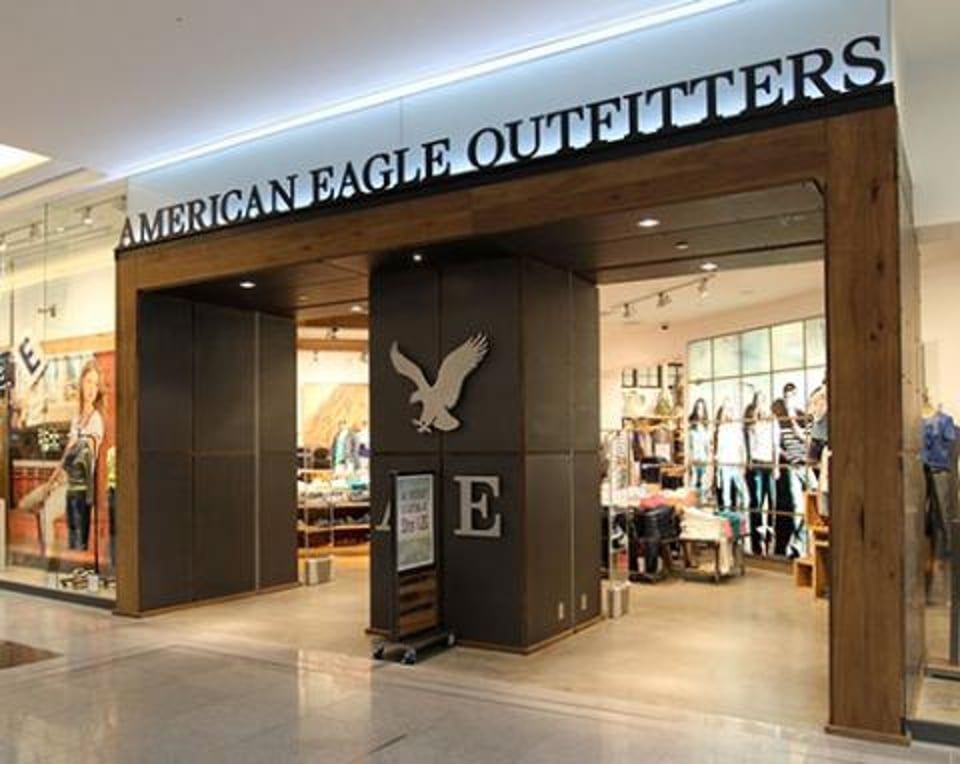
American Eagle sales surge fueled by strong growth at Aerie; opening 40 stores

American Eagle Outfitters Inc. reported record first-quarter revenue as Aerie continued to drive strong growth, offsetting disappointing sales at its namesake banner.

The apparel retailer’s total net revenue increased 10% to $1.20 in the quarter ended May 2, topping the analyst estimate of $1.19 billion. Total comparable sales increased 8%..

The American flag waves against a bright blue sky between towering glass skyscrapers, viewed from a low angle.

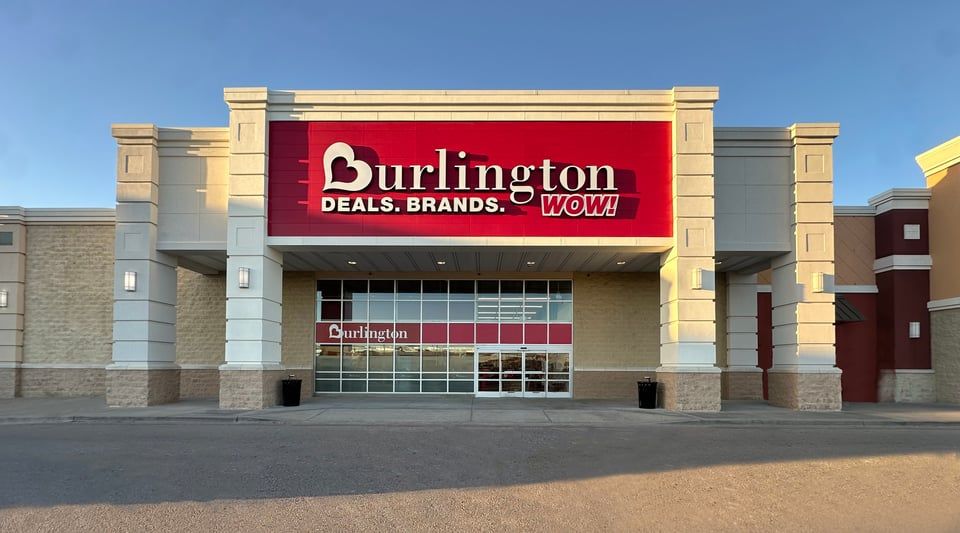
Burlington in 14th straight quarter of double-digit EPS growth; to open 115 stores


Burlington Stores  reported strong, better-than-expected first quarter sales and earnings, and lifted its outlook for the year as consumers continue to seek out value in an uncertain economy.

The off-price retailer continued to grow its footprint during the quarter, with a net increase of 30 stores. For the full year, it now anticipates 115 net new stores for 2026, ahead of its prior guidance for 110...
A flat, single-story retail building with a

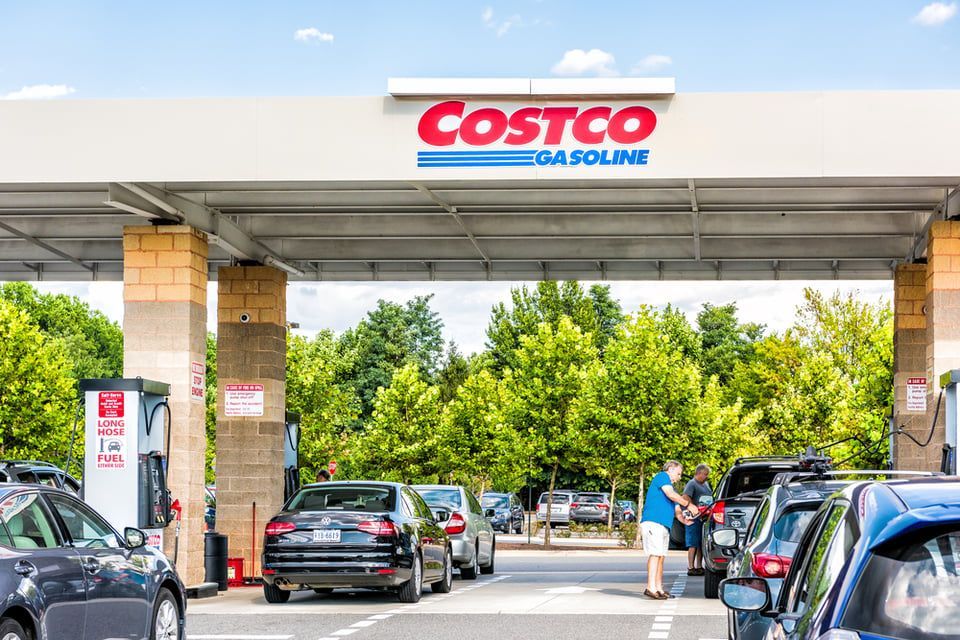
Costco sales up 11.6% amid ‘unprecedented’ demand for gas

Costco Wholesale Corp. reported strong sales for its third quarter as rising fuel costs drew shoppers to Costco's pumps in record volumes.

The membership warehouse club giant’s net sales increased 11.6% to $69.15 billion in the quarter ended May 10. Total revenue, including membership fees, was $70.52 billion, up from $63.20 last year.

On the earnings call, Costco CEO Ron Vachris said that the company experienced “unprecedented demand” for gas during the quarter, requiring multiple daily gas deliveries to many locations...

The main entrance of the NuHAA building, featuring a modern glass and stone facade, at sunset.

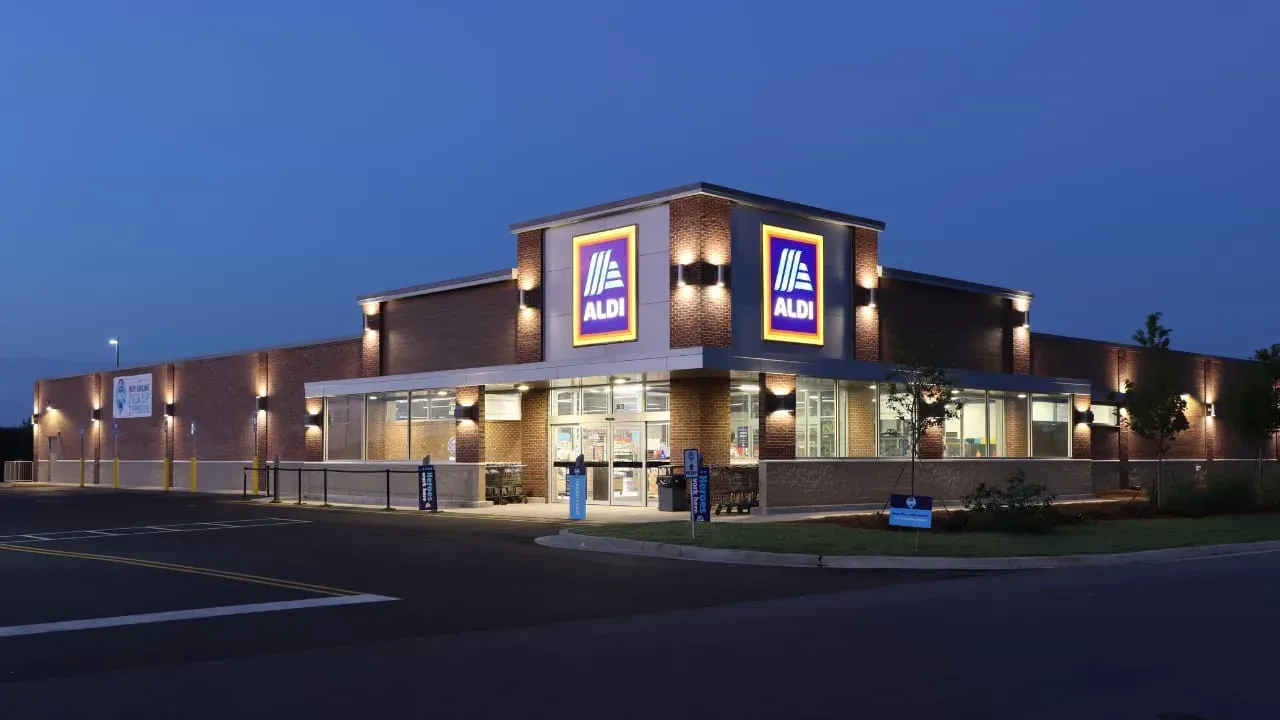
SN Super50: Aldi lands at No. 7

The simple, affordable shopping experience that Aldi provides has proven to be a perfect antidote for consumers seeking relief from grocery-price inflation.

Now in its 50th year of operating in the U.S., Batavia, Ill.-based Aldi, which is owned by German retailer Aldi Süd, has become one of the largest and fastest-growing retailers in the U.S. The company is in the midst of a $9 billion, five-year investment in its U.S. operations that will include another 180 store openings this year and three new distribution centers over the next three years to support its ongoing expansion. It expects to have close to 2,800...
A green Publix Food & Pharmacy sign mounted on a white and beige building exterior against a blue sky.

Why Neighborhood Retail Remains a Strong Investment


The retail apocalypse has failed to materialize. Despite decades of concern about the potential impact of ecommerce on commercial real estate, a whopping 83 percent of all retail sales took place in brick-and-mortar storefronts in the first quarter of this year.


While it’s true that the once-mighty Blockbuster has been reduced to a single, nostalgia-based store, that level of vulnerability to digital disruption has proven extremely rare in retail. 


And yet, the resilience of in-person shopping isn’t even one of the most important reasons that retail real estate is brimming with so much opportunity right now. The real story lies in retail’s pivot from goods to services and in the large gap between supply and demand...
Two bundt cakes on small plates: one with chocolate drizzle, one with caramel drizzle, with cinnamon sticks nearby.

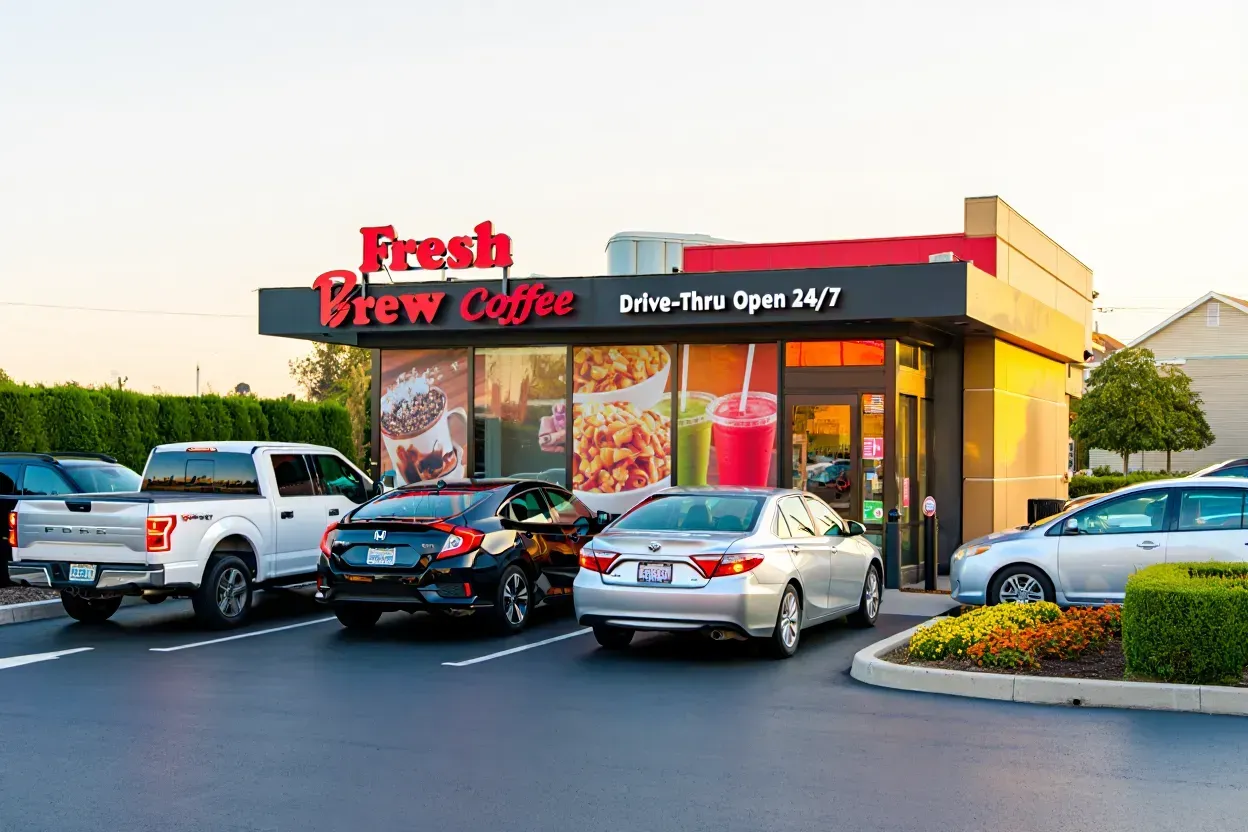
Coffee Drive-Thrus Fuel Surging Suburban Retail Development

Demand for drive-thru coffee locations is hitting new highs, with national chains and upstart brands alike targeting suburban markets for aggressive expansion. Operators like Dutch Bros and 7 Brew are adding hundreds of small-format stores with a heavy emphasis on drive-thru service, angling to capture growing consumer demand for convenience and mobile ordering. These plays are driving up competition for pad sites on high-traffic arteries—especially in communities where supply can accommodate the long stack lines and broader footprints needed for drive-thrus...
Interior of a casual restaurant featuring blue chairs, red accents, brick walls, and a

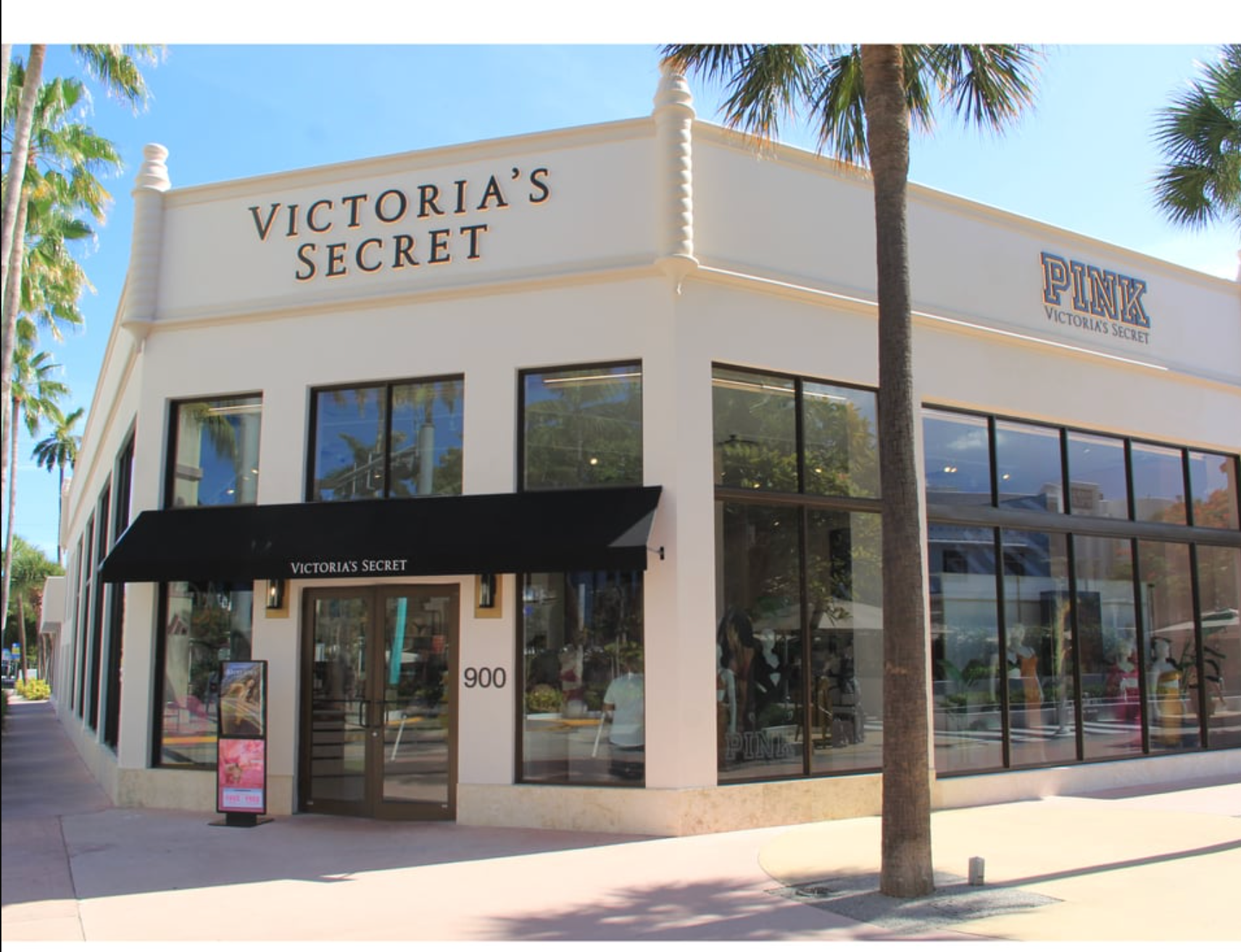
Victoria’s Secret in knockout quarter as sales surge 15%; lifts outlook


Victoria’s Secret & Co. reported a strong start to the year, with double-digit revenue growth across its divisions and its fourth consecutive quarter of positive comps.


The lingerie giant lifted its full-year outlook as well as the outlook for its current quarter.


In a statement, CFO and COO Scott Sekella said that the company’s first quarter results included broad-based gross margin improvement, driven by higher regular-price selling, reduced promotions, and leveraging buying and occupancy expenses. It also earnings per share growth that outpaced operating income growth...
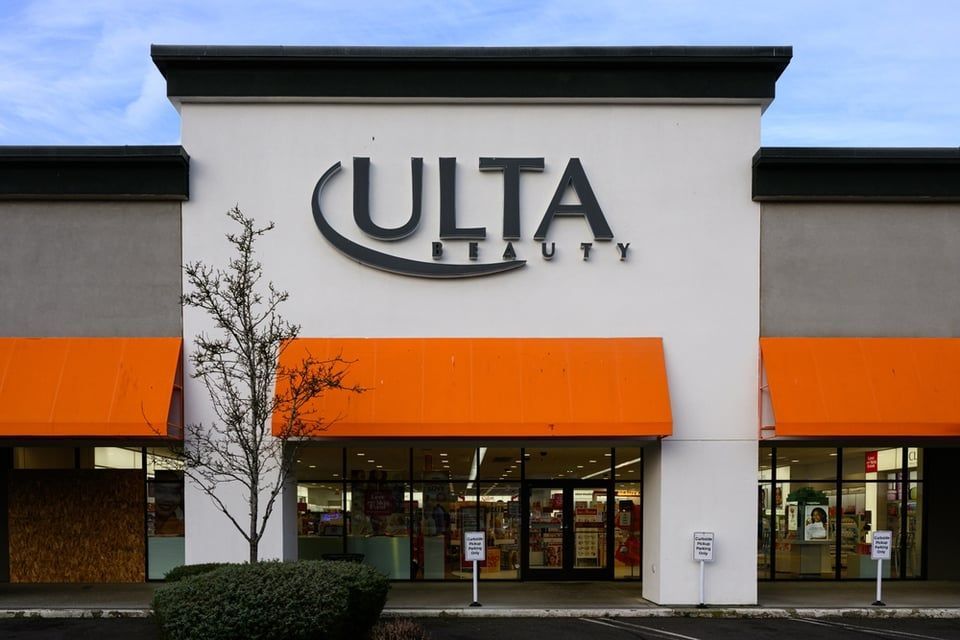
Ulta Beauty to open Times Square flagship; Q1 sales, earnings beat Street


Ulta Beauty raised its full-year earnings outlook on the heels of a strong first quarter with earnings and revenue ahead of expectations amid growth across all its channels and major categories.

On the earnings call, Ulta revealed plans to open a “highly experiential” flagship in New York City’s Times Square. The store, which the retailer says underscores its commitment to immersive retail and accelerated brand building, is expected to open in late 2027. (The company currently has two locations in Manhattan...)


By Marc Perlof June 1, 2026
By Marc Perlof | MarcRetailGuy CA #01489206 June 1, 2026 If you own retail real estate, here’s what just changed for you. Retail property pricing in today’s market requires flexibility, not certainty. Retail property owners who adjust pricing quickly and respond to real buyer behavior usually protect more value than owners who stay stuck on outdated pricing expectations. Many owners are still looking at pricing from a stronger market while buyers are making decisions based on today’s higher costs and higher risks. That gap is causing more stalled listings, lower offers, and longer negotiations across retail real estate transactions. What Changed Why does the market feel so uneven right now? The retail market is not moving in one clear direction. Some shopping centers and NNN properties are attracting strong buyer interest, while others are sitting on the market with little activity even in solid locations. Buyers are reviewing retail properties much more carefully than they were a few years ago. Instead of making quick decisions, they are spending more time evaluating tenant quality, lease terms, future expenses, and how stable the rental income looks long term. In Los Angeles and across Southern California, many retail property owners still expect pricing based on comparable sales from a stronger market. Buyers, however, are focused on what deals look like today with higher interest rates, rising insurance costs, and more uncertainty about the economy. How are higher rates affecting retail property pricing? Higher borrowing costs and elevated 10-year Treasury yields have changed how buyers calculate value. Loans are more expensive, monthly payments are higher, and many investors are becoming more cautious about risk. Buyers are also paying closer attention to future expenses such as maintenance, tenant turnover, insurance increases, and major property repairs. That has changed negotiations significantly. Buyers are moving slower, asking more questions, and pushing harder on pricing whenever they see uncertainty or future risk. At the same time, uncertainty does not automatically mean a property is weak. Some retail properties are still attracting strong interest because buyers see stable tenants, predictable income, and long-term value. The challenge for owners today is understanding whether weak activity is being caused by pricing, property fundamentals, buyer caution, or how the opportunity is being presented to the market. Why It Matters Does your retail property have one exact value today? No. In today’s market, your property usually has a pricing range. Where it falls in that range depends on how safe and reliable buyers believe your future rental income will be. Properties with strong tenants, longer lease terms, stable rent collections, and organized financial records are generally holding value better. Properties with short leases, deferred maintenance, weaker tenants, or unclear expenses are seeing buyers reduce offers much more aggressively. Even small concerns can impact value quickly. If buyers believe future risks are increasing, they usually lower what they are willing to pay right away. What are buyers worried about? Buyers today are focusing more on protection than upside. They want to know whether tenants can continue paying rent if the economy slows, whether future expenses can stay under control, and whether the property will still look attractive to future buyers several years from now. That is why cleaner and more predictable retail deals are performing better in today’s market. Strategic Advice for Retail Property Owners Should you price high and wait? Usually, no. In uncertain markets, waiting too long can hurt your leverage. Your asking price should help attract real market feedback quickly instead of simply reflecting what you hope the property is worth. The first few weeks on the market are extremely important. That is when your property gets the most attention and when buyer feedback is usually the most honest. If activity is weak early, buyers are usually telling you they see either pricing problems or too much risk. Is weak activity always a pricing problem? No. Not every slow period means your pricing is wrong. In uncertain markets, buyers sometimes pause decisions while evaluating interest rates, financing conditions, or broader economic concerns. Before making major pricing adjustments, owners should also evaluate whether the property is being marketed and positioned correctly. Weak marketing materials, poor buyer targeting, limited exposure, or failing to clearly communicate the property’s strengths can reduce activity even when pricing is reasonable. Before going to market, review anything that could make buyers uncomfortable. This includes lease rollover schedules, tenant quality, deferred maintenance, CAM reconciliations, and how organized your financial records are. Buyers are heavily discounting uncertainty right now. In uncertain markets, owners who adapt early usually protect more value than owners who wait too long to respond. Real Deal Insight We are seeing buyers place very different values on properties that would have sold for similar pricing a few years ago. Properties with stable income and lower perceived risk are consistently attracting stronger offers. Owner Self-Assessment If your property came to market today, would buyers see stable income and low risk or future problems that reduce value? If you are thinking about selling or want to understand how buyers would likely price your retail property today, reach out directly. I will walk you through how investors are viewing retail deals right now and where your property may realistically trade before you make a decision. Are you pricing based on today’s market or yesterday’s expectations? In the next article, “When to Adjust Price vs Hold Firm on Your Retail Property,” we will break down one of the biggest pricing mistakes retail property owners make after going to market: reacting emotionally instead of understanding what buyer behavior is actually telling them. Based in Los Angeles. Serving Southern California. Active across California. Advising clients nationwide. #RetailRealEstate #NNN #ShoppingCenters #StripCenters #CommercialRealEstate #InvestmentSales #CapRates #LosAngelesCRE #RetailInvesting #1031Exchange
By Marc Perlof May 29, 2026
Americans are 'entrenched' in financial stress amid debt and price pressures Economic conditions like gas prices well above $4 a gallon, according to AAA estimates, and annual inflation nearing 4%, per the Bureau of Labor Statistics, are pushing Americans’ financial stress levels higher. The National Foundation for Credit Counseling expects Americans’ economic stress levels to tick back up in the second quarter of the year after a slight fall in the first quarter, according to its quarterly Financial Stress Forecast released on Wednesday...
By Marc Perlof May 25, 2026
By Marc Perlof | MarcRetailGuy CA #01489206 May 25, 2026 If you own retail real estate, here’s what just changed for you. Some pricing strategies are rarely explained but can significantly impact your final sale price. The way your property is positioned can create competition, increase buyer activity, and change the outcome. Most owners never see how these strategies are actually used. More advanced pricing strategies are being used to control how buyers engage with a deal. In today’s market, demand is not assumed. It is created. What is causing it? Buyers are more selective and underwriting more carefully. Strong assets still attract interest, but only when they are positioned correctly. The difference is no longer just the property. It is how the deal is structured. How do advanced strategies impact your property value? They influence how many buyers engage and how those buyers behave. More activity creates competition. Competition leads to stronger offers and better pricing. What separates strong results from average ones? The ability to create that competition early in the process. Deals that rely on one buyer tend to settle. Deals that create multiple buyers competing tend to outperform. When should you use off-market strategies? Use them when discretion is important or when targeting specific buyers. When should you use controlled pricing approaches? Use them when you want to manage how buyers engage with your property and control how pricing is perceived in the market. Deals that generate early buyer competition are achieving stronger pricing than those relying on a single negotiated offer. Pricing strategy is not about exposure alone. It is about controlling the process and how buyers respond. Bonus: Strategic Underpricing Strategic underpricing involves positioning the property slightly below expected market value to increase early buyer activity. The goal is not to sell low. It is to create competition. When more buyers engage at the same time, the dynamic shifts. Buyers move faster, adjust their assumptions, and compete more aggressively on both price and terms. Some buyers may initially assume the pricing reflects distress or a motivated seller. That is why positioning and process matter. When the deal is presented correctly and buyer activity is visible, that perception shifts from “opportunity” to “competition.” This strategy only works under specific conditions. The pricing range, timing, and how buyer activity is managed during the process all need to be aligned. When used incorrectly, it can lead to weaker offers instead of stronger ones. That is why it is applied selectively and structured carefully. Most owners never see how this is actually executed. If you want to see how this strategy is structured in a real transaction, including pricing ranges, timing, and how multiple offers are managed, I put together a short guide you can request. Send me a message and I will share it with you. Are you creating competition or negotiating with one buyer? Call or DM me for more information. Based in Los Angeles. Serving Southern California. Active across California. Advising clients nationwide. #RetailRealEstate #InvestmentSales #NNN #CRE #ShoppingCenters #StripCenters #LosAngelesRealEstate #CommercialBroker #PropertyValue
More Posts