Weekly Perl: A Commercial Real Estate News Recap

Marc Perlof • September 12, 2025
A banner for weekly commercial real estate news recap
A blurred image of a city street with people walking down it.

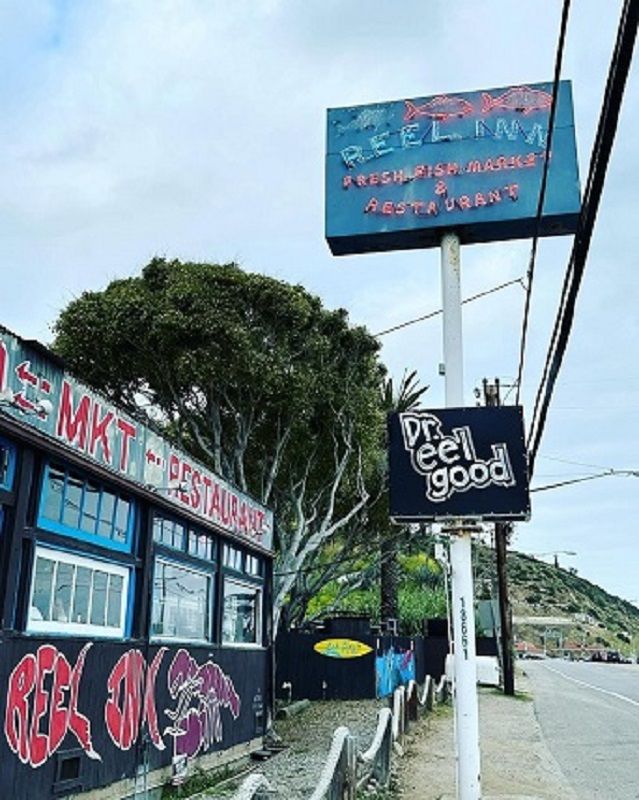
Cherished Malibu Seafood Shack The Reel Inn May Rebuild After State Reversal


Malibu’s one-of-a-kind seafood spot, The Reel Inn, may once again serve its signature fish puns and fried and grilled platters on Pacific Coast Highway after the state reversed its earlier position that blocked the restaurant’s return, according to Eater LA...

A blurry picture of a clothing store with clothes on display.

FirstBank Acquisition Expands PNC Reach In Colorado And Arizona


PNC Financial Services Group (NYSE: PNC) has announced a definitive agreement to acquire FirstBank Holding Co. The Lakewood, Colorado-based bank will be acquired in a $4.1B deal, reports REBusinessOnline. The acquisition includes FirstBank’s entire retail banking network. It will significantly expand PNC’s footprint in the western US, particularly in Colorado and Arizona...
A car is parked in front of a sign that says 223

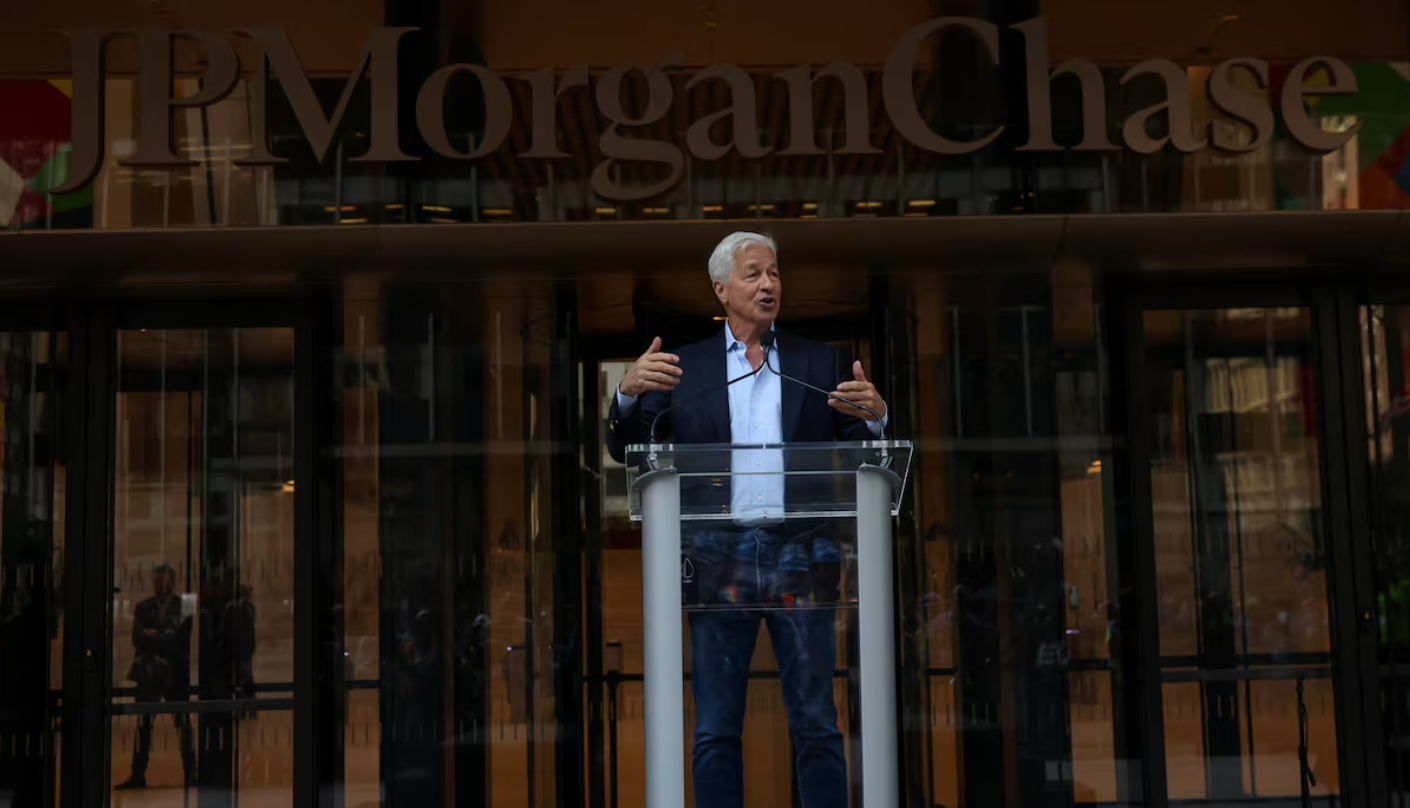
JPMorgan CEO Jamie Dimon warns of a cloudy US economic outlook


CEO Jamie Dimon is cautious about the U.S. economic outlook, believing that the full effects of tariffs and other geopolitical headwinds have yet to fully unfold.


"I think you better be careful on that one (on the economic impact on the U.S.) because some of these things have long cycles. So we don’t know yet. People are expecting these things to happen right away. But actually, a lot of them haven’t happened," Dimon said in a podcast interview on Office Hours: Business Edition set to be released on Wednesday morning...

The front of an aldi store with a sign in front of it.

The Story of Cousins Maine Lobster: Food Trucks, Family, and a Billion-Dollar Brand


Years before Mike Carmody rose to Cousins Maine Lobster’s chief of operations, he was almost certain he would be fired.


It was 2017 and he was manning a food truck at cofounder Sabin Lomac’s family friend’s house in Maine—an event with around 50 people in attendance.

Carmody knew it was a big deal. Lomac wanted the CML truck to be here. He thought to himself, “We’ve got to nail this,” especially after coming off a week in which he posted an unacceptably high payroll...
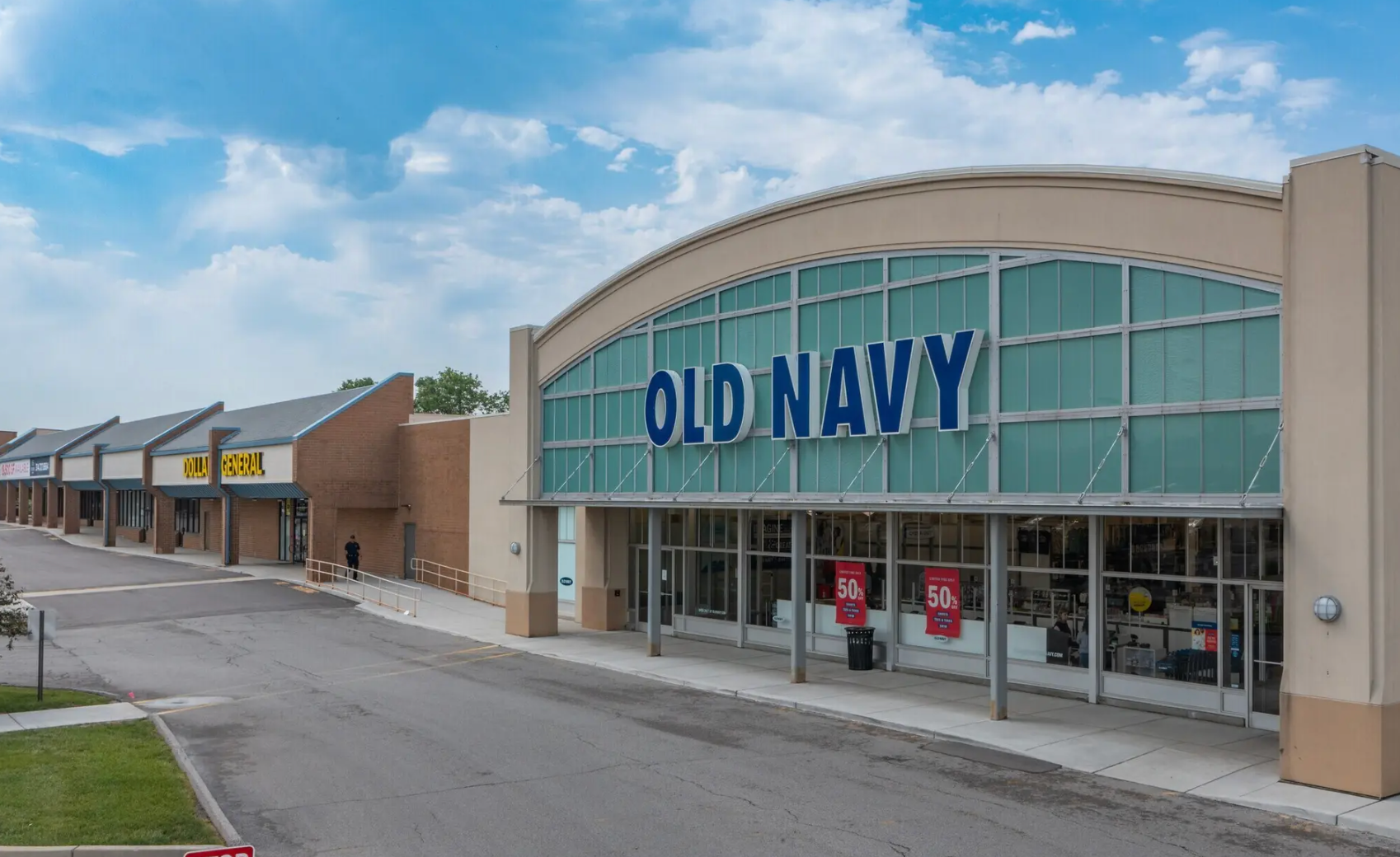
Old Navy to sail into new territory: beauty

Old Navy will soon be making room at its stores to sell beauty products.


San Francisco-based Gap, Old Navy's parent, said it will test this year selling makeup and personal care products at the apparel chain. That phased launch will include 150 Old Navy stores featuring a curated assortment of beauty merchandise, "with select stores offering dedicated shop-in-shops and beauty associates," according to Gap. Next year, the company said it plans to "scale its Old Navy beauty business..."
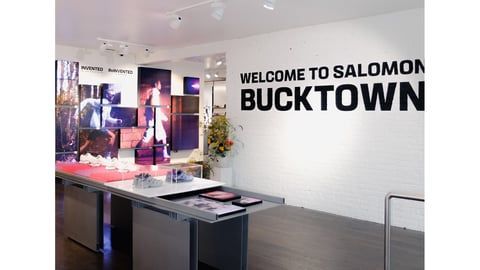
Salomon opens second U.S. store as its plots more expansion — here’s where


Salomon is putting down more roots stateside.


The French sports lifestyle brand has opened its second U.S. store, in the heart of Chicago’s Bucktown neighborhood. It follows the opening of Salomon’s store in New York City last year...
Lululemon Q2 sales driven mostly by global growth; expects $240 million tariff hit


Lululemon Athletica Inc. reported mixed second-quarter results and slashed its full-year earnings outlook as it deals with higher tariffs, staleness in its merchandise mix and falling demand in its core U.S. market.

The outlook includes an expected $240 million hit from tariffs and the recent end of the de minimis exemption...
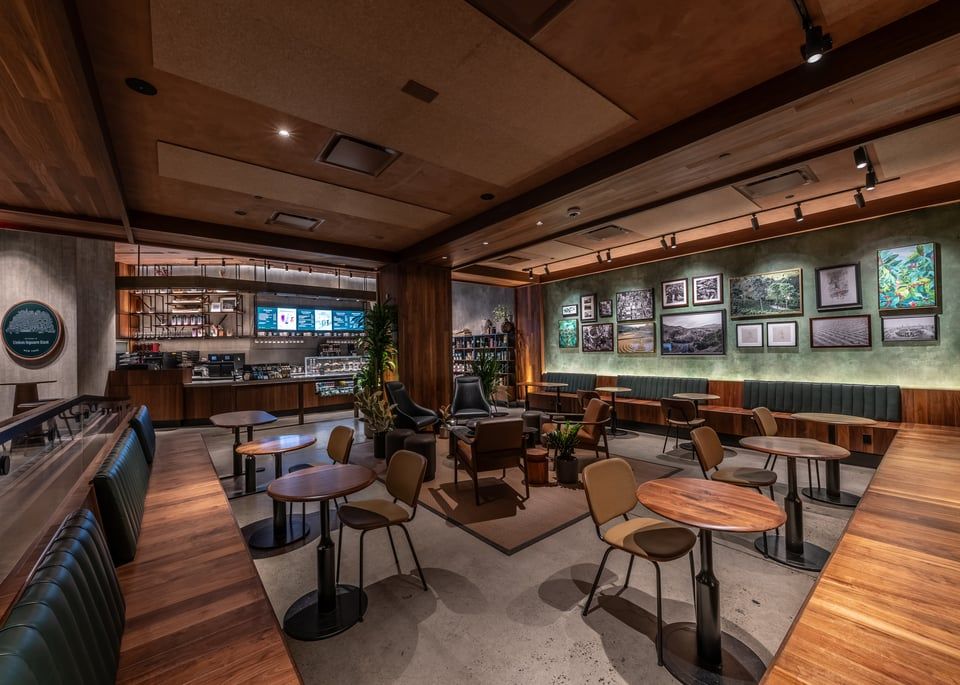
Starbucks to give makeovers to 1,000 cafes by end of 2026


Starbucks Corp. is looking to make its U.S. locations more cozy and inviting. 


The coffee giant said it is making over its cafes to create physically welcoming spaces that bring back familiar touches such as generous seating and designs reflecting the local community. Some locations in New York City and Southern California have already been given the makeover. By the end of 2026, some 1,000 coffeehouses will have been refreshed, with more to come in the years ahead...
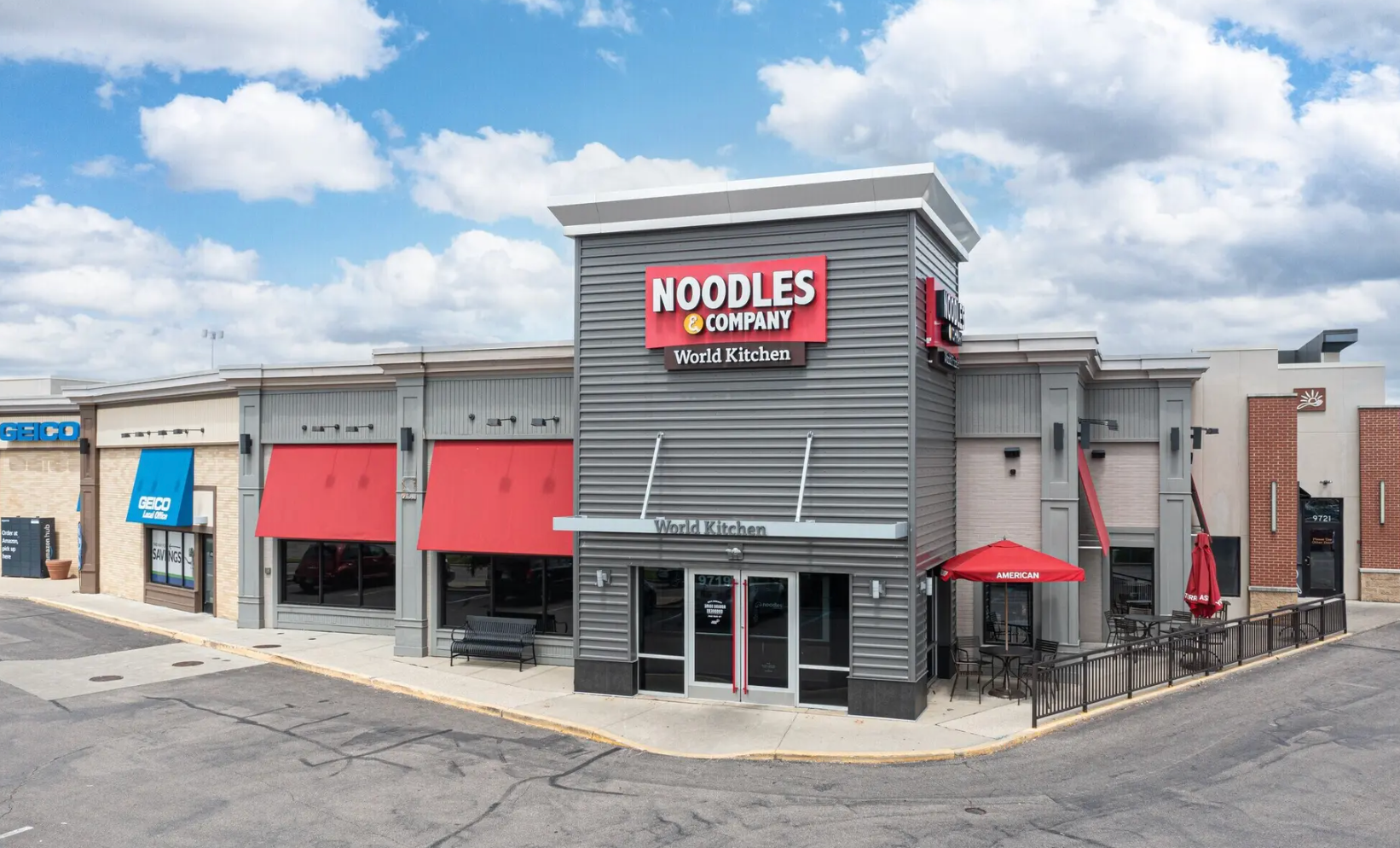
Noodles & Company may be ready to serve itself up in a sale


Noodles & Company, slated to close several dozen restaurants this year, has kicked off a strategic review that includes possibly selling all or part of its business.


The Broomfield, Colorado-based chain, which has roughly 450 fast-casual eateries, said Wednesday it’s exploring a menu of options, including refinancing existing indebtedness, refranchising, other strategic or financial transactions, as well as a sale. The company has not set a deadline or definitive timetable to complete its review...
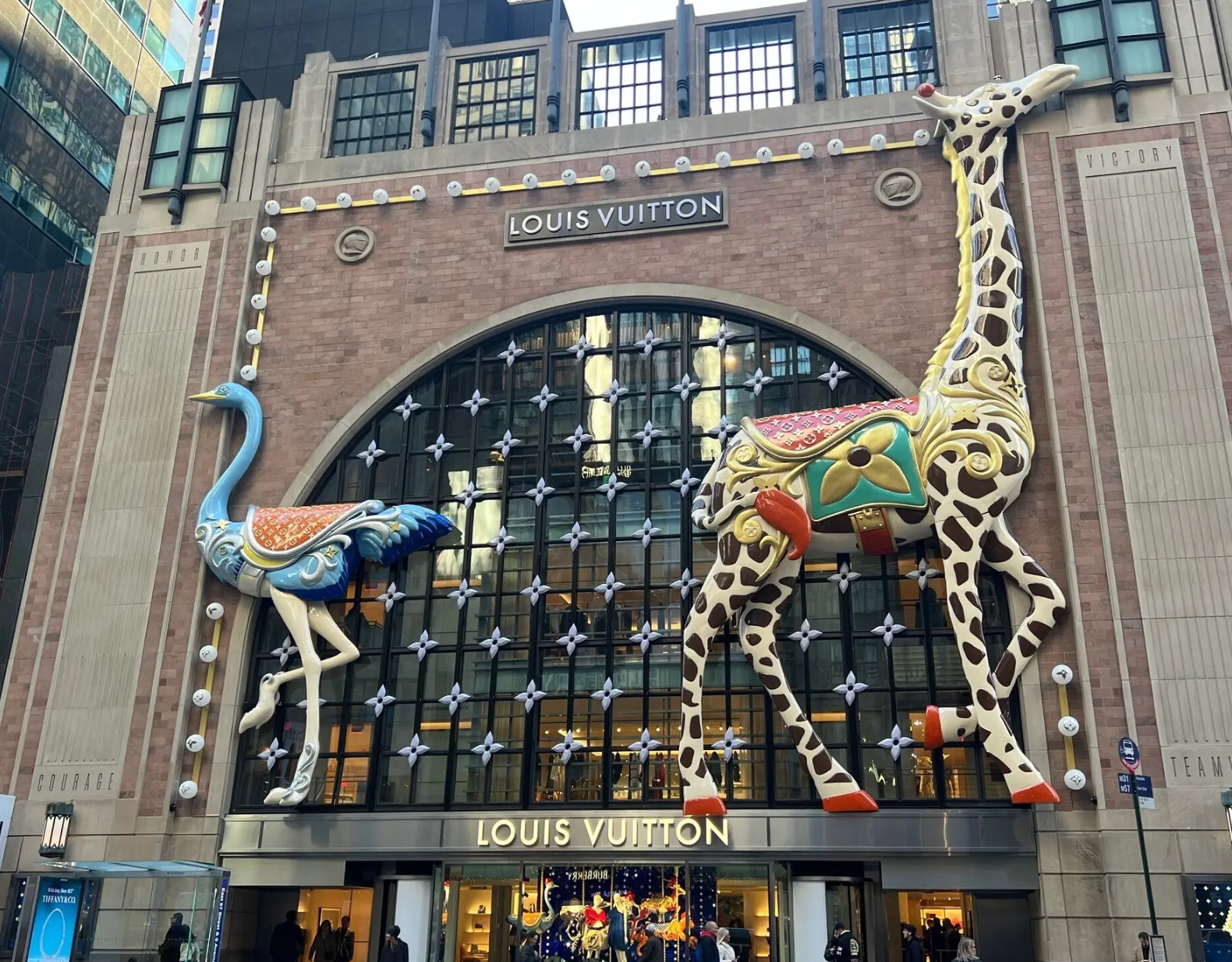
Retailers expand stores for expected luxury boom

Luxury retailers are still expanding their brick-and-mortar footprints in the United States despite headwinds from the economy and tariffs.


In the first half of the year, store growth substantially increased for upscale chains, with newly opened luxury retail square footage rising 65.1% compared with the same period in 2024, according to a JLL report released Tuesday. Luxury chains debuted 226,513 square feet of store space compared with 137,186 square feet in the prior year, the real estate firm said...
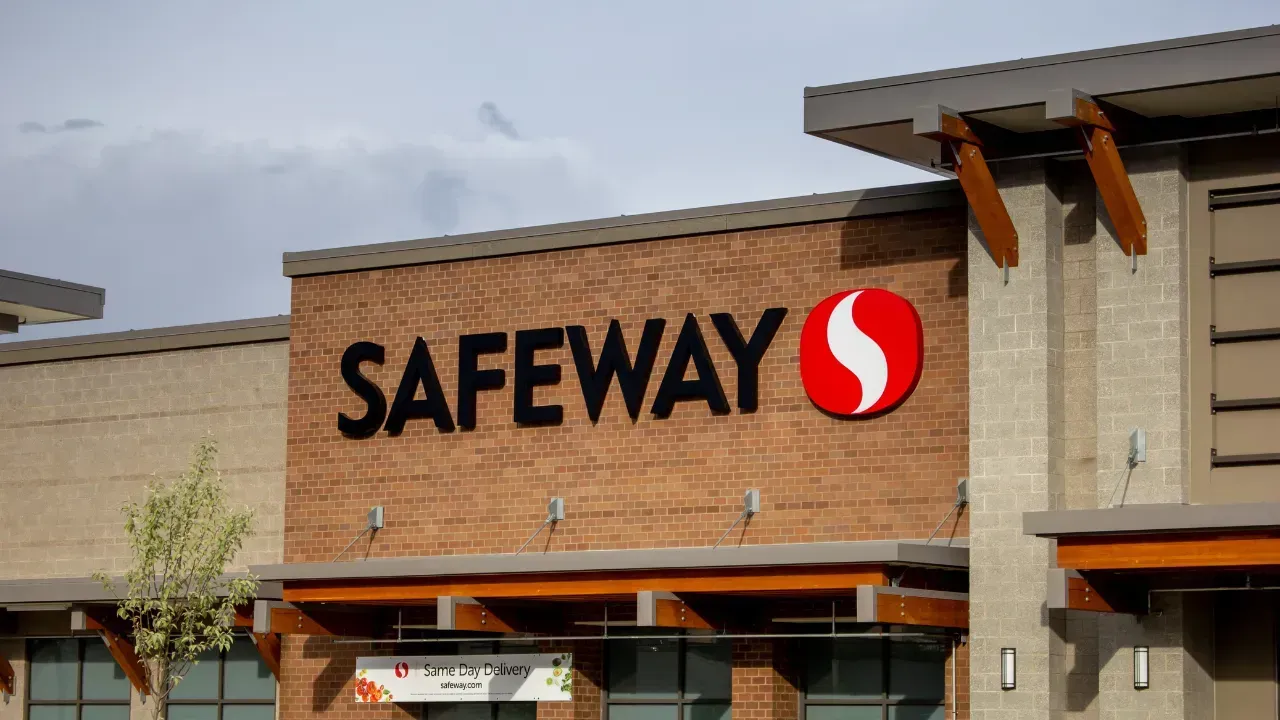
Albertsons plans 12 Safeway closures, including 10 in Colorado

Albertsons is planning to close 10 Safeway stores across Colorado and one each in New Mexico and Nebraska, a company spokesperson confirmed on Wednesday.


The closures come after the failed merger with Kroger and the recent prolonged labor negotiations with the United Food and Commercial Workers that included a two-week strike. They also follow a corporate restructuring earlier this year in which Albertsons merged its Intermountain and Denver divisions to form the Mountain West Division. In addition, the company laid off nearly 400 Safeway corporate staff as it launched a cost-cutting initiative in February...
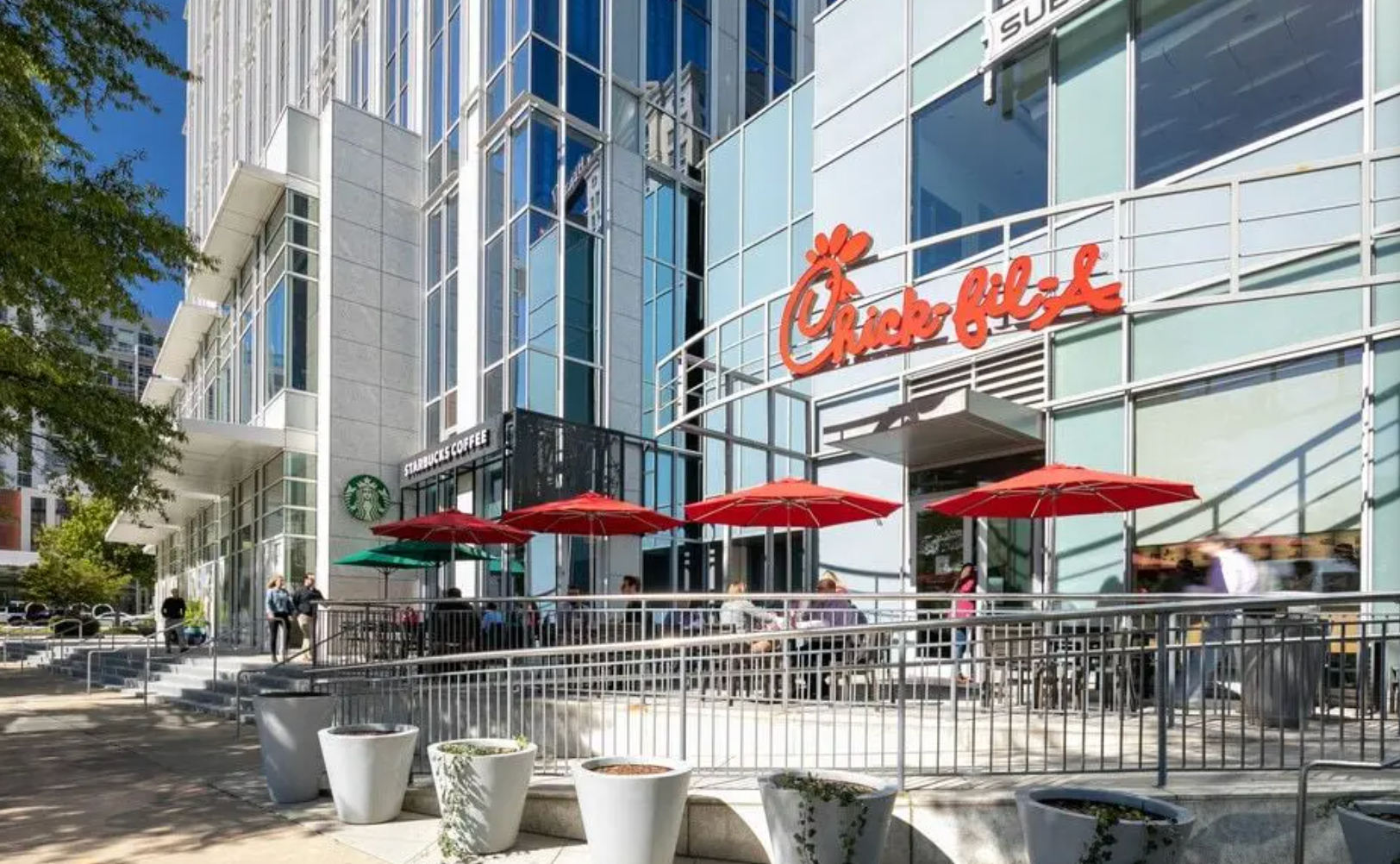
Restaurants, bars, coffee shops drive US retail market


Restaurants, bars, and coffee shops are fueling the retail real estate market, accounting for nearly a fifth of all new leasing over the past year, as Americans spend record sums dining out despite higher prices.


New Census Bureau data shows consumers shelled out more than $100 billion at restaurants and coffee shops in July, a 5.6% increase over the past year and nearly 50% more than at the start of the pandemic, underscoring both the resilience of demand — as customers desire value and convenience — and the sector’s expanding footprint...



By Marc Perlof March 20, 2026
Santa Monica Airport Conversion Project Unveiled By City SANTA MONICA, CA — Following a nearly two-year public engagement process, the city has released a draft Framework Diagram for the Santa Monica Airport Conversion Project. "The Framework Diagram brings many ideas together to find common ground about what should go where and what types of uses belong in different areas of the site," the City of Santa Monica explained in a March 11 news release....
By Marc Perlof March 16, 2026
By Marc Perlof | MarcRetailGuy CA #01489206 March 16, 2026 If you own retail real estate, here’s what just changed for you. Retail property owners are asking a simple question today. Is the market about to change? Several economic signals moved quickly over the past two weeks. Oil prices surged as conflict disrupted major energy supply routes. The U.S. job market also weakened unexpectedly during the same period. Financial markets have become more volatile as investors reassess economic risks. When oil prices rise and hiring slows, real estate investors begin adjusting risk assumptions. These adjustments often appear first in lender loan standards and buyer pricing. For retail property owners, these shifts can influence demand and property values. Owners of strip centers, shopping centers, store front retail, and NNN retail properties (multi-tenant and single tenant) should watch closely. Understanding these signals early can help protect property value and guide decisions. Market Analysis and Trends Energy markets reacted first. Brent crude oil recently surged above $100 per barrel. The increase followed conflict disrupting shipping routes and global oil supply.¹ Much of the concern involves the Strait of Hormuz shipping corridor. Roughly 20 percent of global oil supply normally passes through this route. Even small disruptions there can quickly affect shipping costs and supply chains.¹ Consumers often feel the impact through gasoline prices. Since late February, U.S. gasoline prices increased more than 15 percent. Prices reached roughly $3.47 per gallon in early March.¹ In Southern California, fuel prices are usually among the highest nationally. Drivers in the region are already paying significantly more at the pump. Higher fuel costs can quickly strain household budgets. This often reduces spending at restaurants and other nonessential retail businesses. The labor market also signaled caution. The U.S. economy lost about 92,000 jobs in February 2026. Unemployment rose to approximately 4.4 percent during the same period.² Slower hiring typically leads to reduced consumer spending several months later. When advising retail property owners, I track three important property risks. These include tenant margin pressure, lender loan standard changes, and buyer cap rate expectations. Key signals retail property owners should monitor include: Brent crude oil moving above $100 per barrel during Middle East supply disruptions.¹ U.S. gasoline prices rising more than 15% since late February.¹ The U.S. economy losing roughly 92,000 jobs in February while unemployment increased.² Essential Retail vs Nonessential Retail Retail categories respond differently during periods of economic stress. Essential retail includes grocery anchored centers, pharmacies, and daily service tenants. These businesses usually remain stable during economic disruptions. Consumers still need basic goods even when household budgets tighten.³ Nonessential retail categories are more sensitive to economic pressure. Restaurants, entertainment venues, and similar tenants often experience softer sales first. This usually happens when consumers reduce spending. For property owners, tenant mix becomes especially important during economic uncertainty. Centers anchored by essential tenants often remain more stable. Properties dominated by nonessential retail may experience greater sales volatility. Strategic Advice for Retail Property Owners Economic uncertainty is a good time to review several property fundamentals. 1. Review tenant stability Evaluate tenant sales performance, credit strength, and upcoming lease expirations. 2. Monitor capital markets Lenders and investors may begin tightening loan standards as risks increase. 3. Evaluate sale timing carefully Markets sometimes offer short windows before buyer pricing adjusts to new conditions. Even a 1/4% to 1/2% increase in cap rates can affect property values. For example, a $6 million retail property valued at a 6% cap rate generates about $360,000 in annual income. If buyer expectations move to a 6.5% cap rate, value could fall near $5.5 million. If you own retail property and are wondering how these economic signals could affect buyer pricing or cap rates for your asset, this is exactly the type of analysis I help owners evaluate before making a sale or hold decision. If investor cap rates in your market moved just 1/2% higher, how much would the value of your retail property change? Investor Behavior During Uncertain Markets Market volatility often changes how investors evaluate retail properties. Research shows that investors prefer assets with stable income during uncertain periods. Properties with strong tenants and longer lease terms usually attract the most buyer interest.³ Assets with predictable cash flow often perform better during market uncertainty. Properties with weaker tenants or short lease terms may face greater scrutiny. For retail property owners, tenant quality and lease structure matter even more in volatile markets. What This Means for Retail Property Owners Retail property values depend on more than location. Energy prices, employment trends, and capital markets also influence buyer demand. If oil prices stay elevated and hiring slows, investors may become more selective. Properties with weaker tenants or short lease terms may see pricing pressure first. Well located shopping centers with strong tenants and long leases usually remain more resilient. Owners who monitor these signals early often have more strategic options. If economic uncertainty continues over the next twelve months, how strong are the tenants in your retail property? #RetailRealEstate #CommercialRealEstate #NNNProperties #ShoppingCenters #RetailPropertyOwners #CREInvesting #RealEstateInvestors #CREMarketInsights #RealEstateTrends #CaliforniaRealEstate #LosAngelesRealEstate #CapRates
By Marc Perlof March 13, 2026
US consumer inflation steady before Iran conflict drives up oil prices WASHINGTON, March 11 (Reuters) - U.S. consumer prices rose moderately in February as rents maintained a steady pace of increases, though households paid more for gasoline and at the supermarket and higher costs are in store because of the escalating war in the Middle East .  The Consumer Price Index report from the Labor Department on Wednesday, which also showed underlying inflation muted ​last month, covered the period before the U.S. and Israel launched strikes against Iran. The attacks at the end of February were met with retaliation by Tehran and have boosted oil prices...
More Posts