Weekly Perl: A Commercial Real Estate News Recap

Marc Perlof • October 9, 2026
A banner for weekly commercial real estate news recap
A car is parked in front of a sign that says 223

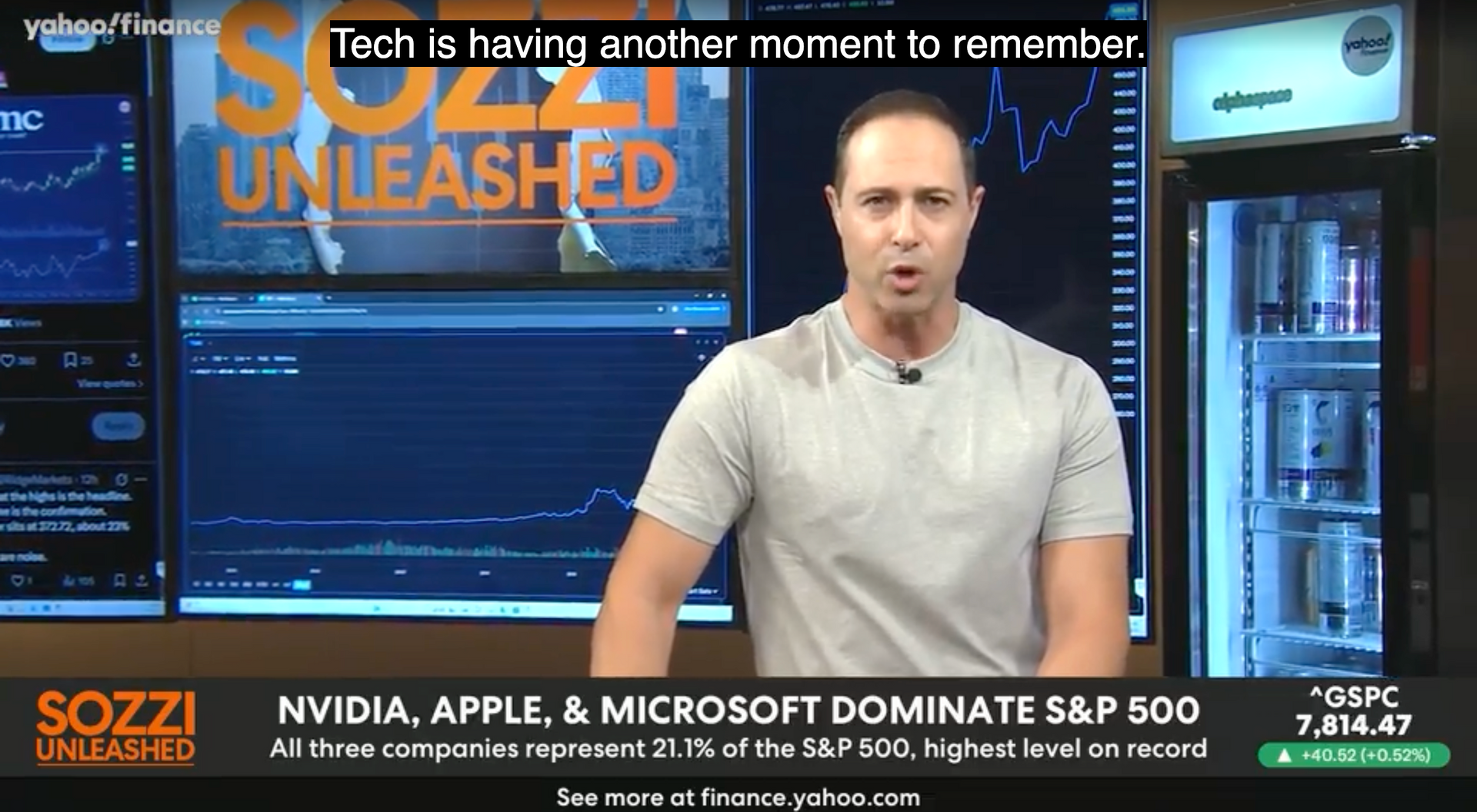
10-year Treasury yield hits highest level since 2002 as stocks retreat: AlphaCheck

Good morning. Stocks retreated on Wednesday as long-dated bonds climbed again and Brent crude oil futures (BZ=F) rose back above $100 per barrel.

The 10-year Treasury (^TNX) yield, used as a benchmark for mortgages and other loans, rose to 5.34%, its highest level since 2002. Meanwhile, the 2-year Treasury climbed to 4.82%.

Stocks are coming off all-time highs, though the breadth of the market rally has deteriorated in recent weeks...

The front of an aldi store with a sign in front of it.

JLL: Holiday budgets to increase, driven by entertainment, dining out

Holiday spending is expected to increase this year, but gifts aren’t the main driver, according to a new report.

JLL's Holiday Shopping Survey found that Americans plan to spend $1,243 on the holidays this season, up 9.7% from last year and nearly back to where budgets stood two years ago. The company noted that consumers are prepared to spend after scaling back last year, when planned holiday spending was $1,133 per household.

Gift budgets moved very little this year, according to JLL, rising 3.1% compared to last year. The majority of holiday budget increase is expected to go towards food and decorations, up 16.0%, and to entertainment and dining out, up 17.3%. Gifts now account for just under half of the season's budget, at 48.1%, which is slightly less than last year. Shopping for fewer people is the one cost-cutting tactic that grew, up to 28.9% from 24.9%...
An elevated outdoor view of a modern shopping mall promenade with manicured greenery, palm trees, and pedestrians.

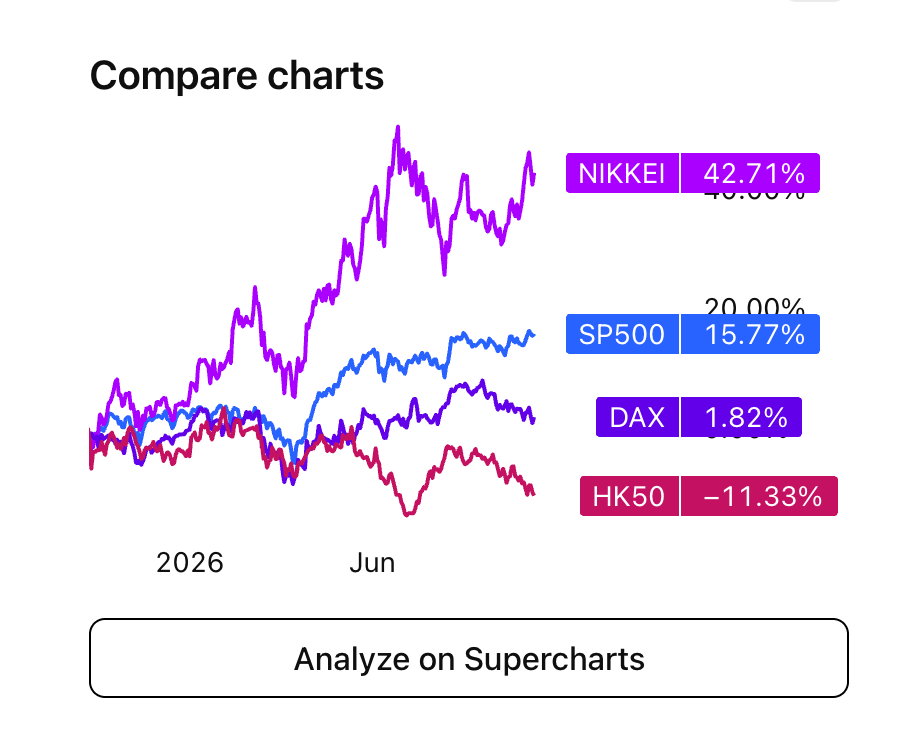
Year-ahead U.S. inflation expectations hit highest since May 2023

U.S. consumers' expectations for inflation over the next year rose to their highest level in more than three years in September, according to the Federal Reserve Bank of New York's Survey of Consumer Expectations, as posted by Daily Chartbook.

The median one-year inflation expectation rose to 3.9% in September, up 0.3 percentage point from the previous month. Three-year inflation expectations stood at 3.3%, while five-year expectations were 3.0%. The chart notes that the five-year series begins in January 2022...
The American flag waves against a bright blue sky between towering glass skyscrapers, viewed from a low angle.

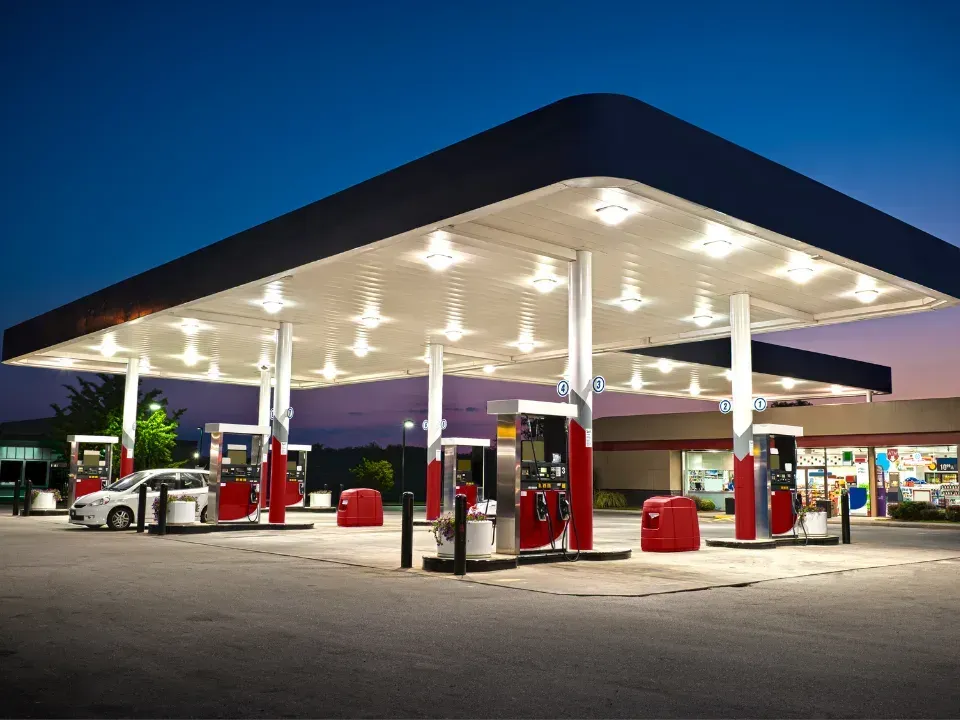
Gas Station Real Estate Draws Buyers Despite Soaring Fuel Prices

Convenience store cap rates averaged 5.63% in Q2 2026, the tightest of 17 net lease sectors, even as fuel prices soar.


Investors are still piling into gas station real estate even as elevated, volatile fuel prices squeeze drivers, according to Bisnow. Convenience store cap rates averaged 5.63% in Q2 2026, the tightest of 17 net lease sectors tracked by B&E.

That compares with 5.57% a year earlier and 5.66% for grocery and supermarket properties...

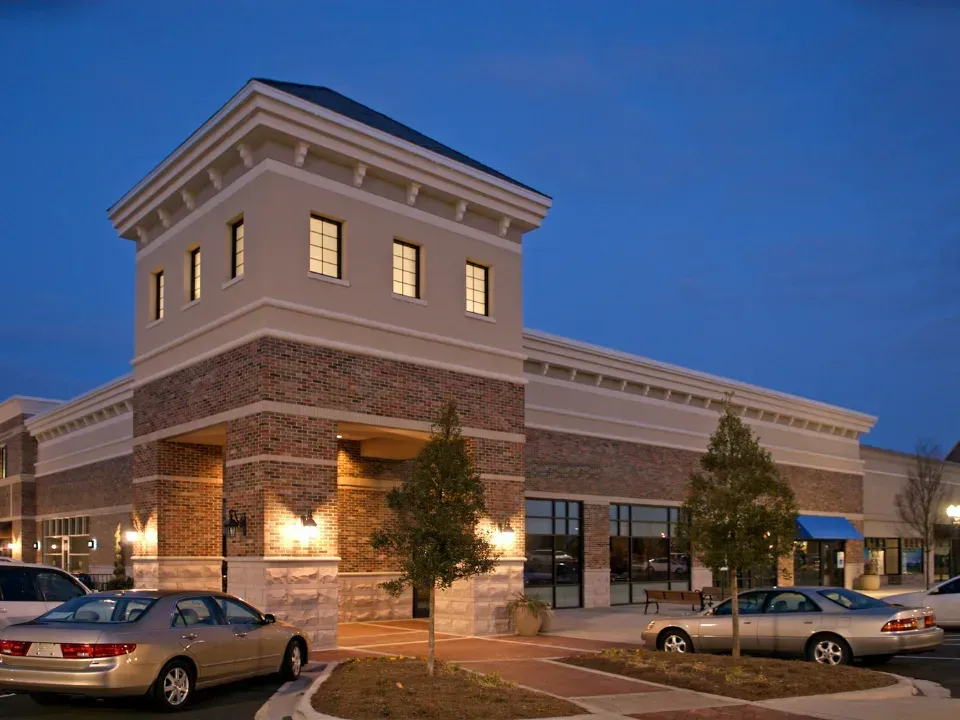
A flat, single-story retail building with a

Phillips Edison Expands Grocery-Anchored JV With Northwestern

Phillips Edison will sell 13 shopping centers worth about $377.5 million into its Northwestern Mutual joint venture, building a portfolio near $1.2 billion.


Phillips Edison & Company has extended its Northwestern Mutual partnership on grocery-anchored centers by 10 years, according to GlobeSt.


The expanded venture is expected to reach about $1.2 billion in assets under management...
The main entrance of the NuHAA building, featuring a modern glass and stone facade, at sunset.

Record Diesel Prices Squeeze Retail Development Pipeline

Diesel above $6 a gallon widens the gap between build costs and retail rents as retailers race to open stores.


Record diesel prices are hitting retail development just as retailers push to open more stores, according to Commercial Observer. Diesel topped an all-time average high of $6 per gallon in September and averaged $6.38 on Sept. 28, per the U.S. Energy Information Administration.

Diesel averaged about $3.81 when the U.S.-Iran conflict began in late February....


Corporate QSR Cap Rates Sit 97 Bps Below Franchisee Deals

Corporate QSR properties carried a 5.90% asking cap rate in Q3 2026, 97 basis points below franchisee assets, and the gap held across lease terms.


Corporate quick-service restaurant properties entered the third quarter with asking cap rates nearly a full percentage point below franchisee assets, according to The Boulder Group’s latest Net Lease Market Report.

Corporate QSR asking cap rates reached 5.90% in Q3 2026, compared with 6.87% for franchisee properties...
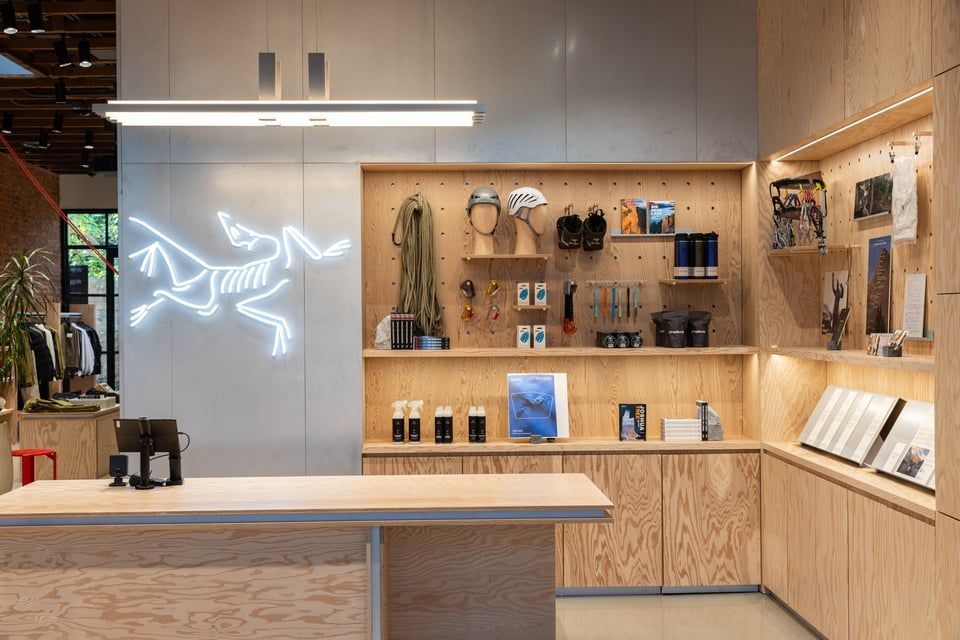

First Look: Arc’teryx opens first-ever store dedicated to climbing


Canadian outdoor apparel and equipment brand Arc’teryx Equipment has opened its newest outpost in the United States.

The brand opened its newest store on Abbot Kinney Boulevard in Venice, Calif., on Oct. 3. The location marks Arc’teryx’s first-ever retail concept dedicated exclusively to climbing, and is the “next evolution” of its presence in Southern California, according to the company.


Arc’teryx Abbot Kinney pairs a “curated, climb-focused” assortment with a climbing wall, a lounge, an outdoor patio, and a beta board, giving local climbers a place to gather, train, learn and connect, the company said. It is Arc'teryx's fourth location in Los Angeles and fifth in Southern California...

Movie Theaters Are Having a Blockbuster Year


Cue the Comeback


After years of stop-start recovery, 2026 is giving movie theaters something they’ve been missing: a steady supply of reasons to leave the couch. The summer box office set an all-time domestic record, and while a certain web-slinger has stolen the show, the year's foot traffic story features a much bigger cast of crowd-pleasers.


We dove into visits to AMC Theatres, Cinemark, and Regal Cinemas to see which releases coincided with the biggest traffic spikes – and how those busy weekends are adding up...



By Marc Perlof • October 5, 2026
By Marc Perlof | @MarcRetailGuy CA #01489206 October 5, 2026 If you own retail real estate, here’s what just changed for you. A national brand on your building does not prove that the national parent company guarantees the rent. If a smaller subsidiary, franchise company, affiliate, or location-specific LLC is actually responsible, buyers and lenders may view your income as less secure and price your property differently. The main decision is simple: verify the legal tenant, every guarantor, and the limits of each guaranty before buying, refinancing, renewing, or selling the property. What Owners Commonly Miss The company operating at your property may use a national name, logo, products, and marketing without the national parent company being responsible for the lease. One location may be leased directly by the parent company. Another location using the same brand may be operated by a subsidiary, regional company, franchisee, or separate LLC formed for that store. To customers, the locations may look identical. Legally, they may provide very different levels of support. A franchisor may approve the location, control operating standards, and receive franchise fees without agreeing to pay the rent. A subsidiary may have a name similar to the parent company without making the parent responsible for its obligations. The phrase “corporate guaranty” can also be misleading. A franchise company or small operating company may be organized as a corporation or LLC, but that does not make its guaranty the same as one from the national parent company. Common guaranty structures include: Parent company guaranty: The national parent company agrees to cover some or all of the tenant’s lease obligations. Subsidiary or affiliate guaranty: A related company provides the guaranty, but the parent may have no direct responsibility. Franchisee guaranty: A franchise operator guarantees the lease. The operator may own one location or hundreds, but it is not the national franchisor. Single purpose LLC or personal guaranty: A location-specific entity or individual provides support that may depend on available assets and the terms of the document. A lease may also have more than one guarantor. For example, a franchise company may guarantee the lease while an affiliate, parent company, or individual provides another layer of support. Each guaranty should be reviewed separately because its scope, duration, and financial strength may differ. Identifying the guarantor is only the first step. A guaranty may be capped, reduced over time, limited to certain lease years, released after an assignment, or restricted to specific obligations. When the relationship among the tenant, guarantor, parent company, and affiliates is unclear, request an organizational chart or entity structure. That can help explain how the companies are connected, but the lease and guaranty documents still determine who is legally responsible. How Can the Guaranty Affect Your Property’s Value? Retail property buyers are purchasing future income. They want to know not only who pays the rent today, but who is responsible if the tenant stops paying. Assume two properties have the same national brand, rent, remaining lease term, and similar real estate. One lease is guaranteed by the national parent company. The other is supported only by a location specific LLC with limited assets. Buyers may not value those income streams the same way. If buyers see greater tenant credit risk, they may request financial statements, require a higher return, reduce their offer, or place more weight on the underlying real estate and replacement tenant demand. Lenders may also ask more questions or offer less favorable financing. A weaker guaranty does not automatically make the property a poor investment. Location, contract rent, lease term, building condition, and the cost of replacing the tenant still matter. The risk is that an owner may price the property as though national credit supports the rent when the national parent company never accepted that obligation. Discovering the difference during due diligence can weaken the owner’s negotiating leverage and create the risk of a price reduction. What Should Retail Property Owners Do Now? First, review the complete lease file. Do not rely only on an offering memorandum, lease summary, tenant logo, or the way someone described the guaranty when the property was purchased. Create a written record identifying: The exact legal tenant Every guarantor The relationship between the tenant, guarantors, and national brand What each guaranty covers Whether each guaranty is full, capped, limited, reduced, or temporary Whether amendments, assignments, or extensions changed the original protection If the entity relationships or guaranty language are unclear, request the organizational structure and have qualified legal counsel confirm who is responsible. The decision should be based on the documents and financial strength of the obligated entities, not the brand name alone. Understanding this before a refinance, renewal, or sale gives you time to address missing documents, explain the lease accurately, and prepare for buyer or lender questions. Owner Self Assessment If a buyer reviewed your lease today, could you identify the exact tenant, every guarantor, what each guaranty covers, and when any limits or releases apply? In next week’s blog, “What Happens to Your Lease Guarantee When the Tenant Changes Ownership?” , I’ll explain why a corporate acquisition or private equity purchase does not automatically make the new owner responsible for the lease. Final Takeaway A national brand may attract buyers, but your property’s income is only supported by the legal entities that actually signed the lease and guaranty. If you are unsure who stands behind your retail lease, call or DM me. I can help you review how the tenant structure and guaranty may affect buyer underwriting, property value, and your next refinance, renewal, or sale decision. Based in Los Angeles. Serving Southern California. Active across California. Advising clients nationwide. #RetailRealEstate #CommercialRealEstate #RetailProperty #NetLease #LeaseGuarantee #CorporateGuarantee #TenantCredit #RetailInvesting #InvestmentProperty #MarcRetailGuy #MarcPerlof
By Marc Perlof • October 2, 2026
The 2026 QSR® Drive-Thru Report For years, a 5% yield on the Treasury looked like a relic from another interest-rate era—where borrowers faced soaring loan rates. Now it's back, capping a six-year surge from pandemic-era lows near 0.5%. The benchmark yield crossed 5% this month for the first time since 2007, but this appears different than the eve of the Great Recession: the Fed is staring down a lose-lose situation combining high inflation and weak economic growth, a catch 22 that economists termed "stagflation" in the 1970s and long feared through the 10-year's climb upward since the pandemic...
By Marc Perlof • September 28, 2026
By Marc Perlof | @MarcRetailGuy CA #01489206 September 28, 2026 If you own retail real estate, here’s what just changed for you. Americans with Disabilities Act (ADA) risk is not just a legal issue. It can become a pricing issue, a leasing issue, a buyer confidence issue, and a closing issue. For California retail property owners, accessibility concerns can affect value because buyers, tenants, lenders, and attorneys do not only look at income. They also look at risk. If that risk is unclear, they may ask for credits, repairs, holdbacks, price reductions, or stronger lease protections. That is the real “so what” for the owner. ADA issues do not always destroy value. But unmanaged ADA risk can reduce leverage. Reduced leverage can reduce value. Why ADA Risk Becomes a Value Issue Retail property value is usually based on income, lease quality, tenant strength, location, condition, and risk. ADA risk fits into several of those categories. If a property has unresolved accessibility issues, the buyer may not know the true cost. The issue may be small. It may be large. It may involve the tenant. It may involve common areas. It may require permits. It may delay leasing. It may create future claims. When buyers do not know the answer, they usually protect themselves. That protection may come in the form of a lower offer, a repair credit, a price reduction, an escrow holdback, a longer due diligence period, or stronger seller representations. That is how ADA risk moves from a legal issue to a value issue. The cost of the repair may be one number. The buyer’s fear may be a much larger number. How Buyer Uncertainty Can Reduce Price Buyers do not like unknown problems. A buyer may accept a known issue if the cost is clear and the path forward is reasonable. For example, if an accessibility repair is estimated at $20,000, the buyer and seller can discuss that number directly. But if the buyer sees unresolved ADA concerns with no report, no plan, no cost estimate, and no explanation, the buyer may assume the issue is worse. That can hurt the seller. A $20,000 issue can become a $75,000 pricing discussion if the buyer believes there may be hidden risk, future claims, tenant disputes, or closing delays. This does not mean every buyer is right. It means uncertainty gives the buyer leverage. The seller’s job is to reduce uncertainty before the buyer uses it. How ADA Risk Can Affect NOI ADA risk can affect NOI when it changes the economics of a lease or ownership decision. If a tenant requests landlord work, more tenant improvement money, free rent, rent reduction, delayed rent commencement, or repair obligations because of accessibility concerns, the financial impact may show up in the income stream. Lower income can mean lower value. For example, if an owner gives extra free rent or absorbs improvement costs to address accessibility issues, that cost may not appear as a simple repair line item. It may show up as reduced NOI, lower effective rent, or weaker lease economics. That matters because buyers underwrite actual income, future income, and risk. An ADA issue that affects lease terms can affect value even if there is no lawsuit. How ADA Risk Can Affect Leasing ADA risk can also affect tenant negotiations. Restaurants, medical tenants, dental tenants, franchise operators, service tenants, fitness users, coffee shops, and other public facing tenants may care about access before they open. They may review parking, paths of travel, entrances, restrooms, counters, seating areas, signage, and common areas. If the tenant sees a problem, the tenant may ask the landlord to solve it before rent starts. That may lead to landlord work, more TI money, free rent, lease contingencies, delayed opening, or stronger tenant protections. This does not mean the owner should reject the tenant. It means the owner should understand the issue before negotiating. When the owner understands the risk, the owner can decide what is reasonable, what is the tenant’s responsibility, what belongs to the landlord, and what should be addressed in the lease. When the owner does not understand the risk, the tenant may control the conversation. How ADA Risk Can Affect a Sale ADA risk can show up quickly during a sale. A buyer may review leases, property condition, prior claims, CASp reports, settlement history, repair records, tenant complaints, and disclosure materials. If the buyer sees an unresolved issue, the buyer may pause. That pause can become expensive. The buyer may ask for more due diligence time. The lender may ask questions. The buyer’s attorney may request more documents. The buyer may ask for a price credit or holdback. The seller may lose momentum. This is why sellers should not wait until escrow to understand obvious accessibility issues. If an owner plans to sell, the owner should evaluate the property early enough to understand what may come up. The owner does not need to promise perfection. But the owner should know the facts. A seller with facts has more control. A seller without facts gets negotiated against. How Disclosure and Documentation Matter Documentation matters because buyers want to know what happened, what was corrected, and what remains. If there was an ADA claim, settlement, CASp report, or repair plan, the owner should speak with counsel about what should be disclosed and how it should be presented. This is not something owners should handle casually. Poor communication can create more problems. Overstating compliance can create risk. Hiding known issues can create risk. Sharing reports without context can create risk. The better approach is controlled disclosure with proper legal guidance. The owner should understand the facts, the lease responsibilities, the completed repairs, the remaining issues, and the plan before responding to buyers, tenants, lenders, or attorneys. What Retail Property Owners Should Do Before Selling or Leasing Retail owners should prepare before the issue becomes leverage. Review the customer facing parts of the property. Parking, access aisles, signage, entrances, paths of travel, restrooms, counters, and common areas are often important. Review the lease. Understand what belongs to the landlord, what belongs to the tenant, and what may be shared. Consider whether a CASp review or accessibility review makes sense before a sale, refinance, major lease negotiation, or tenant turnover. Speak with an ADA attorney before ordering reports, making written statements, sharing information, or starting repairs. Create a plan. The plan may include repairs, budgeting, tenant coordination, lease language, disclosure strategy, or timing decisions. The goal is not to eliminate every possible risk. The goal is to reduce surprises and protect leverage. Common Questions Retail Owners Ask Can ADA issues lower the value of a retail property? Yes. ADA issues can lower value if they create repair costs, buyer uncertainty, tenant demands, sale delays, credits, or price reductions. Is the repair cost the only value impact? No. The bigger impact may come from uncertainty, lost leverage, weaker lease economics, or buyer fear. Should owners fix every issue before selling? Not always. Owners should get legal and accessibility guidance, understand the cost, and decide whether to repair, disclose, budget, or negotiate around the issue. Final Thought ADA risk affects value when it creates uncertainty. For retail property owners, the issue is not only whether the property has accessibility concerns. The issue is whether the owner understands them before a tenant, buyer, lender, plaintiff, or attorney uses them as leverage. Known risk can be managed. Unknown risk usually gets priced against the owner. That is why ADA risk should be part of an owner’s leasing, sale, and value strategy. If the owner understands the issue early, the owner can plan, budget, negotiate, disclose, repair, or price the risk with more control. If the owner waits, someone else may control the conversation. If you are planning to sell, lease, refinance, or deal with an ADA issue, review it before it becomes leverage against you. This concludes the ADA Risk and Retail Property Value series. Based in Los Angeles. Serving Southern California. Active across California. Advising clients nationwide. #RetailRealEstate #CommercialRealEstate #CaliforniaRealEstate #RetailPropertyOwners #ADACompliance #CASp #PropertyValue #CommercialProperty #MarcRetailGuy
More Posts