Weekly Perl: A Commercial Real Estate News Recap
Marc Perlof • April 12, 2024
A banner for weekly commercial real estate news recap
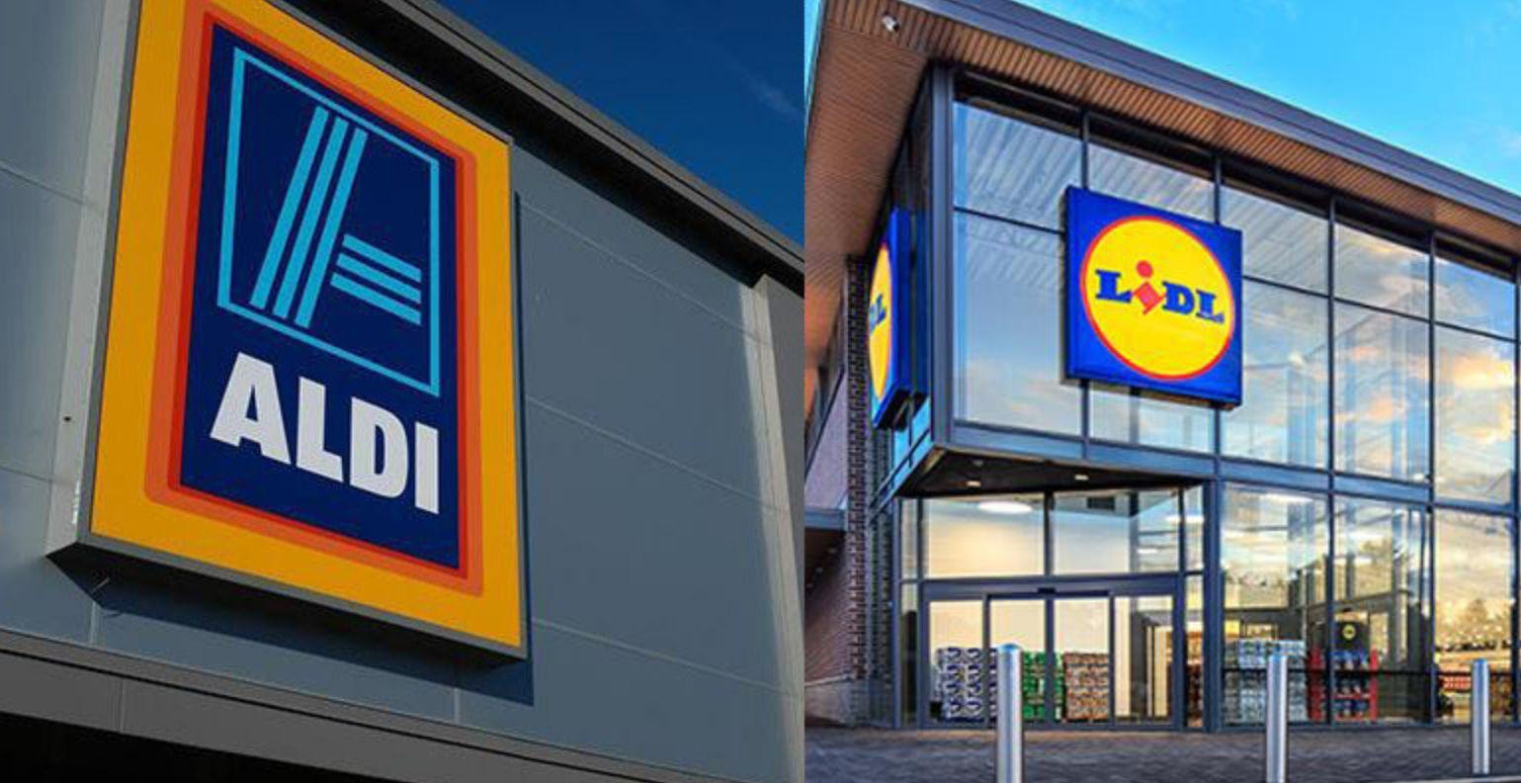
  • The logos for aldi and lidl are on the side of a building.

    Slide title

    Write your caption here
    Button
  • Three mascots dressed as coffee cups are standing on a baseball field.

    Slide title

    Write your caption here
    Button
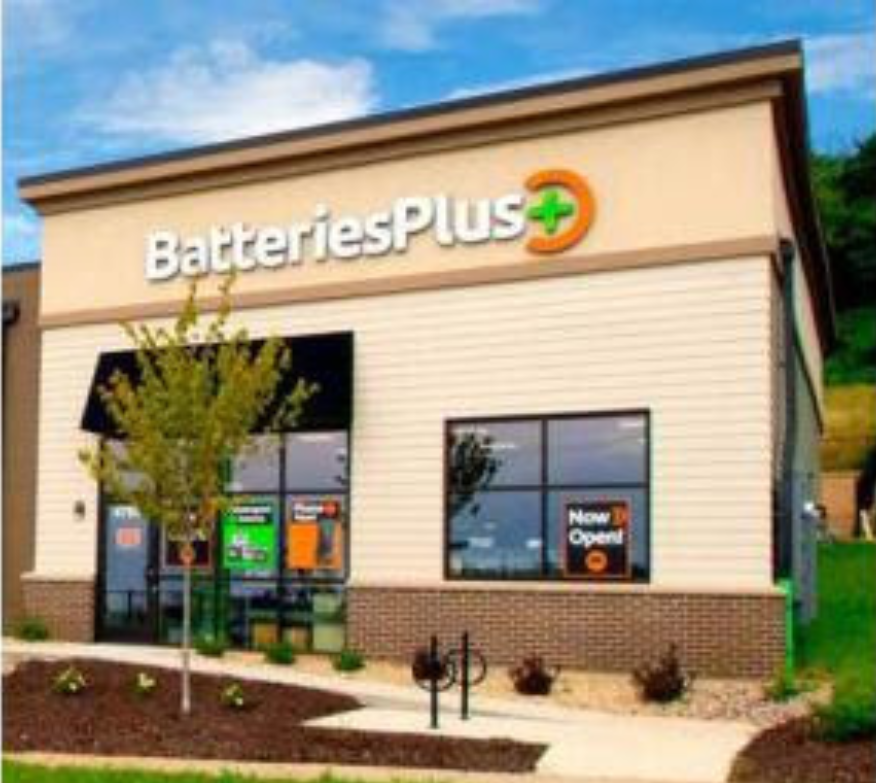
  • A store front for batteries plus with a sign that says now open

    Slide title

    Write your caption here
    Button
  • A papa johns pizza sign hangs from the side of a building

    Slide title

    Write your caption here
    Button
  • A sign for ikea is in front of a building.

    Slide title

    Write your caption here
    Button
  • A billboard for yellowjackets is above a 99 cent store

    Slide title

    Write your caption here
    Button
  • A large white and blue building with a parking lot in front of it.

    Slide title

    Write your caption here
    Button
  • A store front of a clothing store called uniqlo.

    Slide title

    Write your caption here
    Button
  • A sign for randy 's donuts with a picture of a man holding a donut

    Slide title

    Write your caption here
    Button

Aldi vs. Lidl: How do the German discount grocers differ?


German grocers Aldi and Lidl are taking the U.S. grocery market by storm, but while the two discount grocers expand rapidly across the country, they appear to be targeting different customers, according to a new report from data analytics firm Placer.ai.


The report “Aldi & Lidl Making the Cut” shows that Aldi experienced increased year-over-year and month-over-month visits between February 2023 and February 2024. During that same period, Lidl experienced year-over-year monthly visit increases, except for January 2024. 
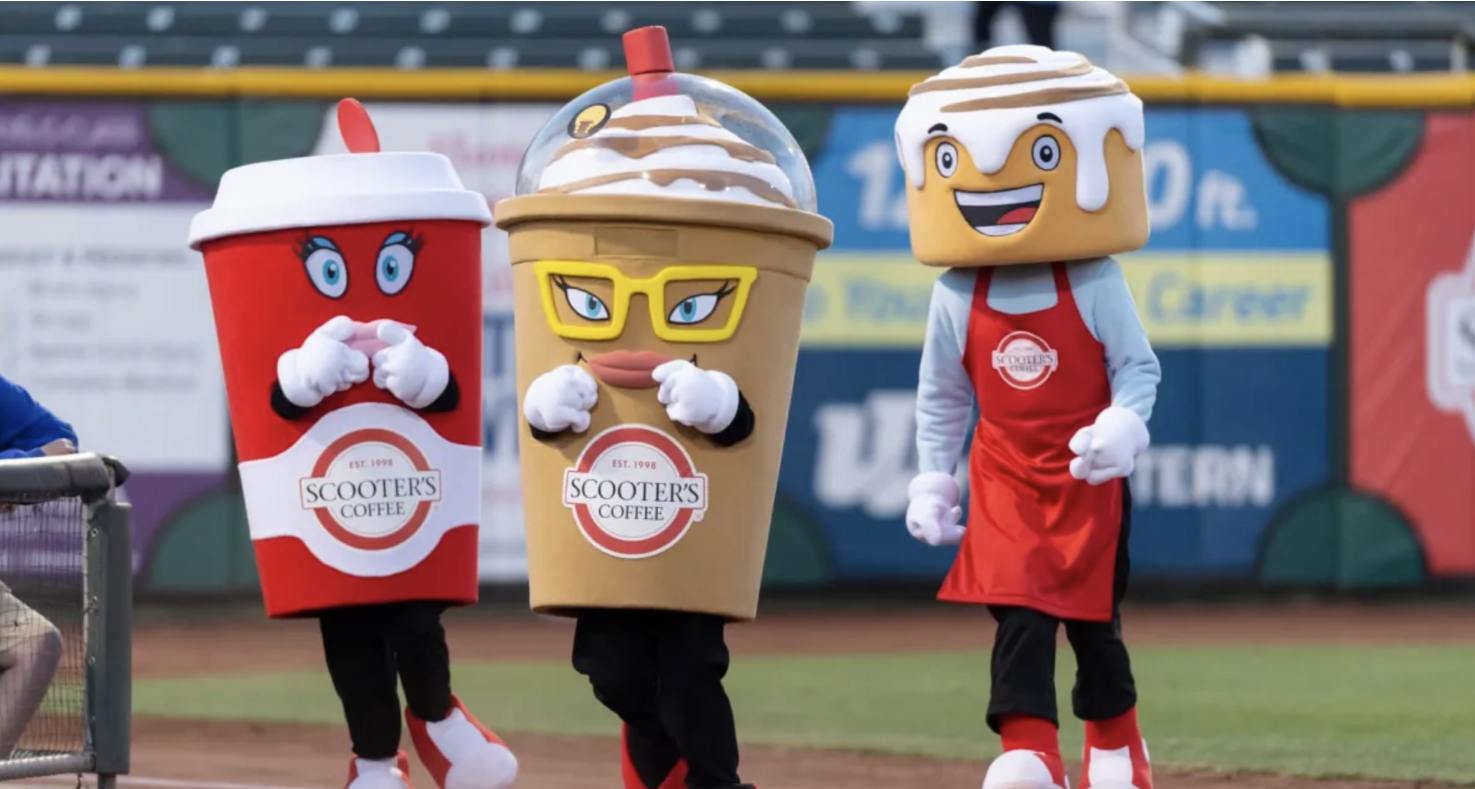
Three mascots dressed as coffee cups are standing on a baseball field.

These 10 retail brands are the fastest growing in the U.S., Yelp says


  • Chains owned by publicly traded restaurant companies accounted for half of the top 10 fastest-growing retail brands in the U.S. last year, according to a new Yelp report.
  • Jack in the Box, First Watch and Dutch Bros. were among the public restaurant chains included in the report, but they didn't crack the top 10.
  • Here are the top 10 fastest-growing brands, based on Yelp's research:

Read Full Article...

A store front for batteries plus with a sign that says now open

Batteries Plus continues aggressive expansion


Batteries Plus has ambitious expansion plans for the remainder of 2024 — including putting down roots in new territories. The consumer and business specialty battery franchise opened eight new stores in the first quarter, with locations spanning Connecticut, Nevada, California, Colorado, New York and Florida. These new stores kicked off the company's goal of opening 39 stores and signing 45 additional locations before the end of the year. 
A papa johns pizza sign hangs from the side of a building

Papa Johns to add 50 new stores through new agreement


Papa Johns will expand its footprint in several key markets through a new agreement with one of its largest franchisees. The pizza chain has announced plans to open 50 new restaurants by 2028 in partnership with franchisee Nadeem Bajwa and his company, The Bajco Group, which has grown over the past 20 years to become one of Papa Johns’ largest domestic franchisees. 
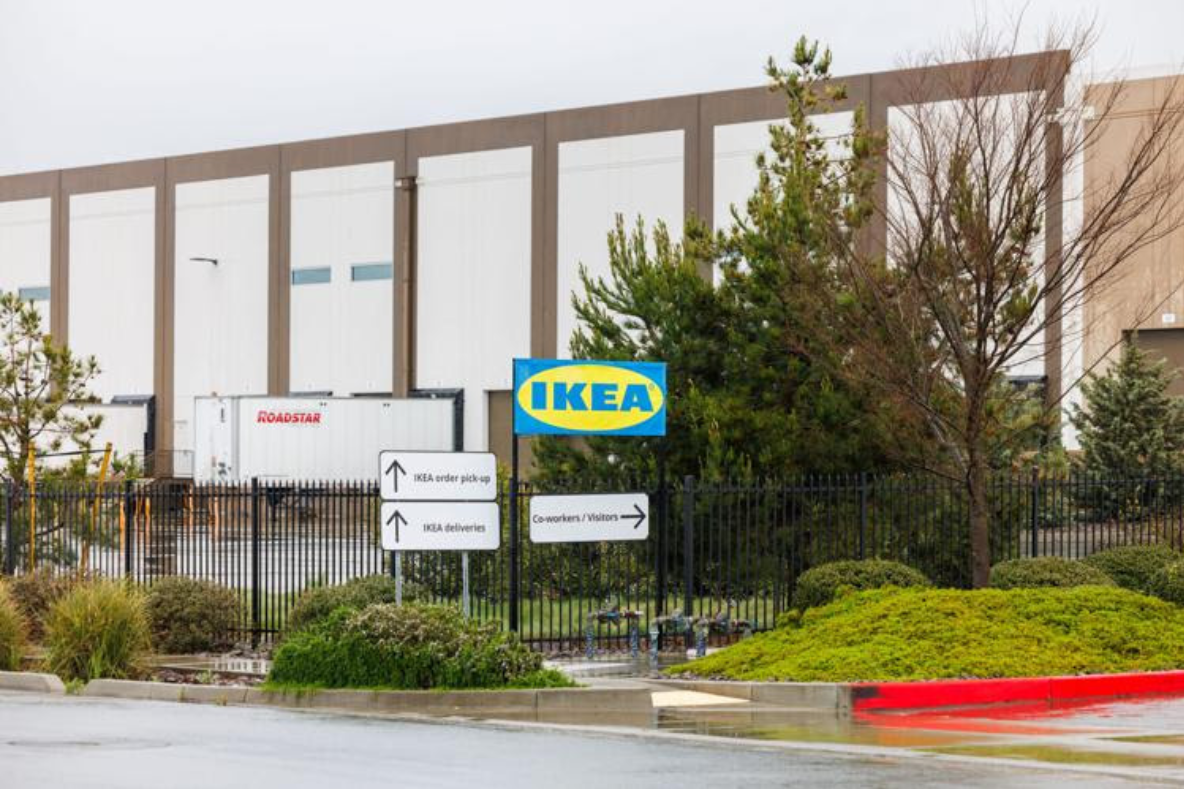
A sign for ikea is in front of a building.

IKEA to Vacate Napa Valley Distribution Center


IKEA is planning to close its 646K SF distribution center in Napa Valley as it consolidates its West Coast logistics operations and increases in-store deliveries. The Swedish home furnishings giant announced this week that layoffs will begin in June at the warehouse it has occupied since the building was delivered in 2018 at 1 Middleton Way in.
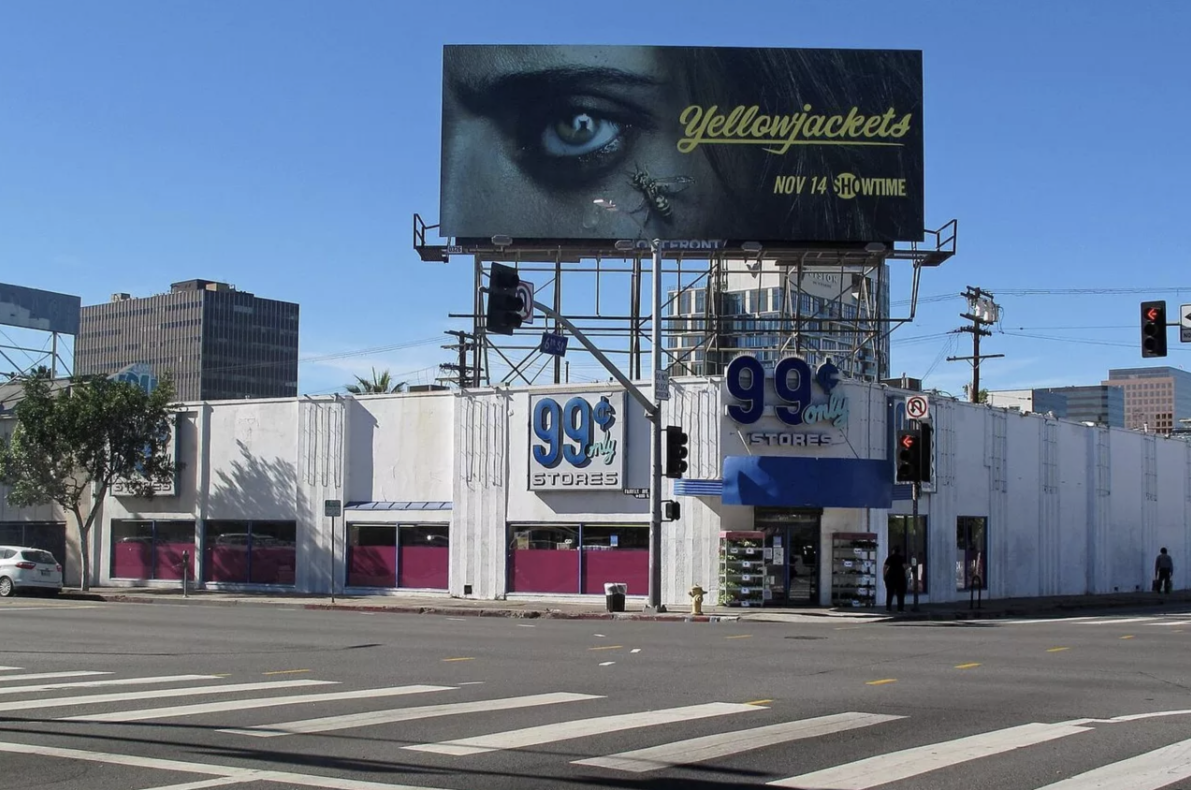
A billboard for yellowjackets is above a 99 cent store

Former Big Lots President Wants To Save SoCal 99 Cents Only Stores


Former Big Lots President Mark J. Miller told local news station ABC7 he has assembled investors, some of them former 99 Cents Only executives, with the aim of acquiring some of the Southern California locations and keeping them open. The chain has a high concentration of locations in SoCal. Of its 371 total stores, 143 are in the region. Miller has changes in mind for the store, but none that seem to deviate from the brand's core offerings. 
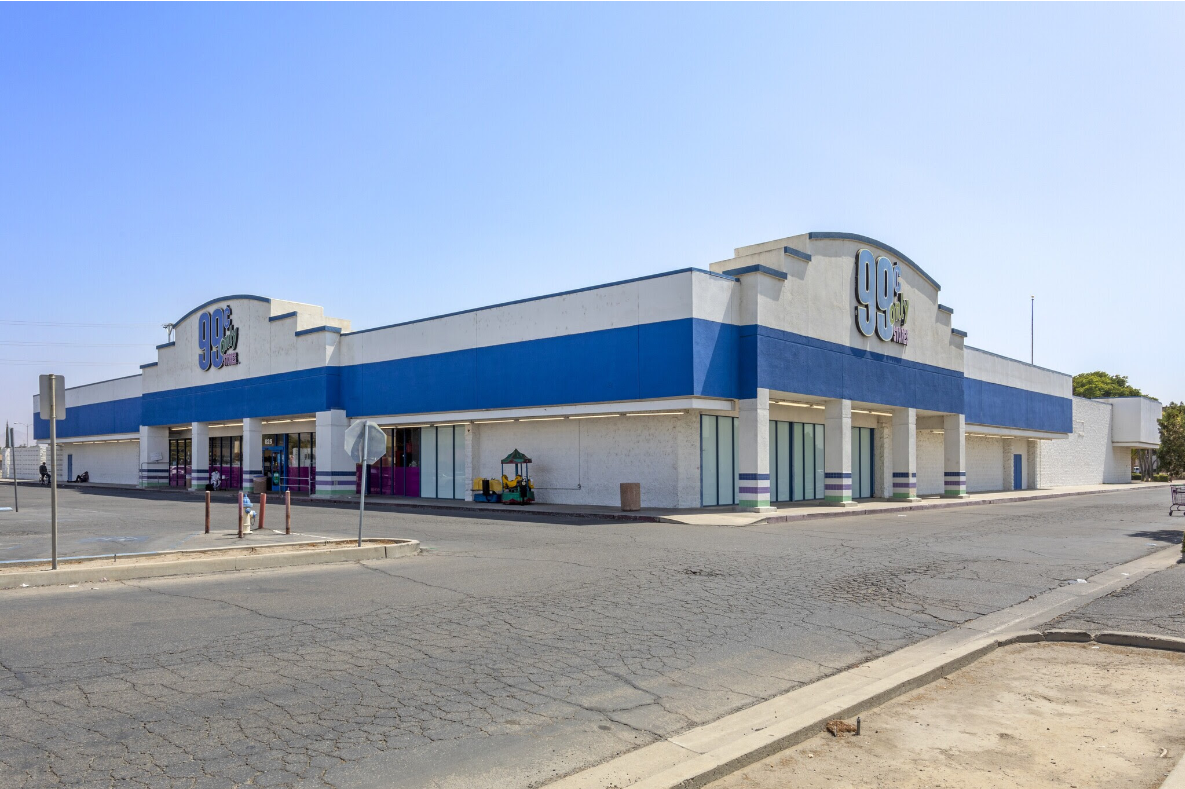
A large white and blue building with a parking lot in front of it.

99 Cents Only Files for Chapter 11, Begins Marketing Leases


Retail discounter 99 Cents Only Stores is seeking Chapter 11 bankruptcy protection and begun marketing leases for the hundreds of stores it's closing as it winds down its business and a potential buyer emerges for some of its Southern California locations. Number Holdings, the direct parent company of Commerce, California-based 99 Cents Only, on Monday said it had filed voluntary petitions for relief in the U.S. Bankruptcy Court for the District of Delaware in order to "implement the previously announced orderly wind-down of its business and pursue a value-maximizing sale of its real estate and other assets. 
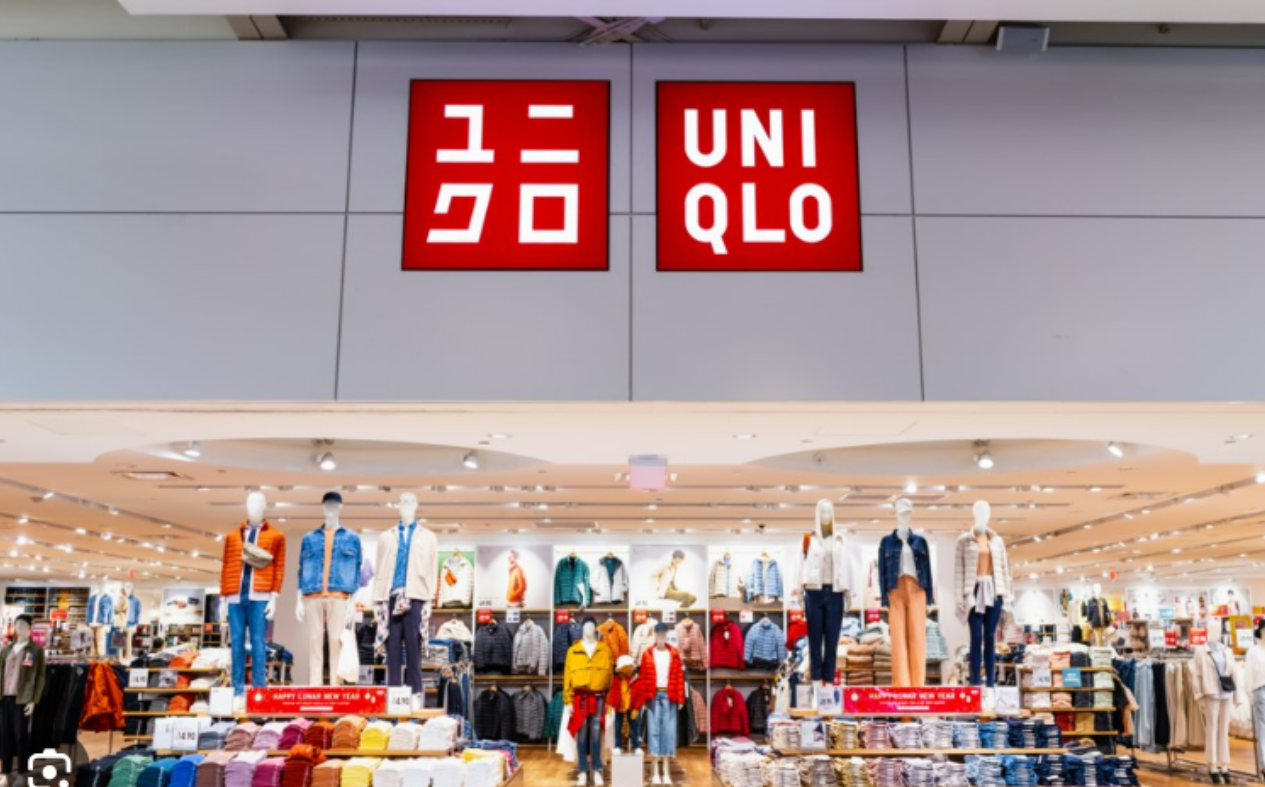
A store front of a clothing store called uniqlo.

Uniqlo To Expand This Year With 11 New Stores in California, Texas


Global apparel retailer Uniqlo is staging a comeback in the United States, with plans to open nearly a dozen stores this year by entering Texas for the first time and expanding its footprint in California after a troubled initial roll-out of the chain. Uniqlo, part of Japanese holding company Fast Retailing, said it will debut 11 new stores, with six in California and five in Texas, making up a significant number of the 20-plus new-store openings slated for North America in 2024.
A sign for randy 's donuts with a picture of a man holding a donut

Randy’s Donuts to add 7 shops with eye toward 50 locations by year-end


On the heels of opening a store in North Hollywood, the Inglewood, California-based donut chain will next expand in the Los Angeles area in Culver City.


By Marc Perlof December 15, 2025
By Marc Perlof | MarcRetailGuy December 15, 2025 If you own retail real estate, here is what the newest Federal Reserve move means for your property today. Another ¼ point reduction in interest rates was the result of the Federal Reserve's most recent decision. Jerome Powell highlighted a weakening economy, decreasing inflation, and an obviously cooling labor market in his speech. He pointed out that while services continue to soften at a gradual, steady pace, goods inflation is still sticky due to tariffs. The Fed wants to reduce inflation without overturning the labor market, and employers are cutting down on hiring. Crucially, Powell also stated that policy is already almost neutral and that future decisions will be careful and data-driven rather than instinctive. As the year draws to a conclusion, these signals now influence the actions of regular investors. What does this mean for owners right now? Property values are not increased by rate reductions alone. They accomplish this by lowering uncertainty. Investors resume underwriting as borrowing costs become more predictable. Tours pick up, buyers start modeling offers they passed on a month earlier, and lenders start pricing. Activity nearly always rises first, even if final price has not yet changed. This translates into firmer terms, more talks, and buyers who are now ready to step off the sidelines for active listings. This change is supported by recent economic data. Due to consistent consumer expenditure, services are still growing. As new orders and jobs decline, manufacturing continues to suffer. While the manufacturing PMI is below 50 for the ninth consecutive month, the Institute for Supply Management's (ISM) non-manufacturing Purchasing Managers' Index (PMI) is in expansion territory. The majority of retail tenants reside in the services sector of the economy rather than the goods-producing sector, which makes this division significant. Expect additional momentum for current listings over the following few weeks. Because the US inflation forecast is uncertain, investors continue to underwrite cautiously; yet, direction is important. The direction is getting better for the first time in months. Powell's speech and the national surveys for Q1 and Q2 2026 indicate a two-stage year with a significant warning about future rate decreases. According to the Fed's own estimates, officials anticipate at most one more rate decrease in 2026. Powell emphasized that the Fed is "well positioned to wait" and evaluate new information before taking action. This implies that the market shouldn't anticipate quick or forceful relaxation. • Q1 2026 can seem sluggish. Input prices are still high, hiring is declining, and many companies will postpone plans for growth as they wait to see if inflation continues to decline. Buyers will remain picky as the Fed is probably on hold. • If inflation continues to decline and the Fed implements small, gradual monetary policy changes, Q2 2026 may see a recovery. When paired with more precise policy guidance, even one more cut can increase transaction volume before it increases pricing. Value shopping, food, retail related to everyday necessities, and service-based tenants ought to perform well. Thin-margin businesses and merchants who sell a lot of goods may find it difficult to keep up with growing expenses. Key insights for property owners today: • Services PMI remains in expansion, showing steady consumer demand². • Manufacturing PMI continues to contract, signaling weakness in goods production². • Employers across sectors are slowing hiring, supporting Powell’s cooling labor market comments¹. • Construction and TI costs remain high due to elevated material prices, including steel, electrical components, and aluminum². • Cap rates are unlikely to compress quickly, but clearer Fed guidance helps stabilize valuations. Recent data worth noting: The ISM non-manufacturing index remained above 52 in November 2025², showing healthy service-sector activity tied to consumer spending. Powell's warning that the job market is deteriorating was reinforced when manufacturing employment dropped to one of its lowest levels this year¹. This is the time for owners to get ready. As underwriting becomes more stringent, clean rent rolls, transparent financials, current CAM reconciliations, and compelling tenant narratives become increasingly important. The owners who are ready make the first gains when activity increases before prices change. If you want to understand how today’s economic shift and the Fed’s cautious 2026 outlook impact your value, cash flow, or timing for a sale or refinance, let’s talk. Call or DM me for more information. With the Fed signaling patience in 2026, are you positioned to benefit from higher activity before pricing fully adjusts? #RetailRealEstate #FederalReserve #CREInvestment #EconomicOutlook #MarcRetailGuy
By Marc Perlof December 12, 2025
If the Fed Is Cutting Interest Rates, Why Are 10-Year Treasury Yields Rising? How Does It Affect You? Official interest rates are declining, but not the rates that could matter the most to everyday Americans. Treasury yields ticked up to a three-month high on Wednesday morning despite near certainty on Wall Street that the Federal Reserve was hours away from cutting interest rates. The 10-year Treasury yield, which influences interest rates on a variety of consumer loans including mortgages, rose Wednesday morning to 4.21%, its highest level since early September. Meanwhile, traders put the probability of a quarter-percentage-point cut today by the Fed at about 90%...
By Marc Perlof December 8, 2025
By Marc Perlof | MarcRetailGuy December 8, 2025 If you own retail real estate, here’s what just changed for you. In uncertain markets, retail property owners feel the pressure first. Daily swings in interest rates, consumer confidence, and capital flows make it hard to predict what comes next. The challenge is simple: volatility throws doubt over every decision. The action you take today determines your cash flow tomorrow. And the result can be a stronger, more resilient investment position if you know where to move. Right now, investors are navigating mixed economic signals. Retail sales grew 3.9% year-over-year in Q3, yet borrowing costs remain elevated compared to the pre-2022 cycle¹. Inflation is at a 3.0% annual rate, but pricing remains sticky in service categories². These contradictions create hesitation for many owners. The smart operators don’t freeze. They pivot. They tighten operations, sharpen underwriting, and prepare their assets for the moment clarity returns. Here’s what the most experienced ownership groups are doing: • Stress testing rents, renewals, and expense loads using conservative economic assumptions³ • Re-underwriting tenant credit and evaluating exposure to weaker retail categories • Focusing on assets in trade areas with above-average household income growth³ • Front-loading maintenance and capital planning to preserve NOI predictability • Positioning properties for refinancing when spreads tighten and lenders re-enter the market³ Data points worth watching: Retail vacancy nationwide is hovering around 4.3%-5.8%⁴. Investment sales volume is down 35% year-over-year, but cap rates widened only modestly, showing continued buyer appetite for quality⁴. When markets are noisy, the winners keep discipline. They stay focused on fundamentals that never go out of style: tenant quality, location strength, and consistent reporting. Volatility rewards the prepared, not the passive. If you want clarity on how today’s market impacts the value of your specific property, I can break it down with precision. Call or DM me for more information. What strategic move are you avoiding today that could protect your property’s value tomorrow? #RetailRealEstate #CREInvesting #MarketInsights #NetLease #CommercialProperty
More Posts