Weekly Perl: A Commercial Real Estate News Recap

Marc Perlof • November 22, 2024
A banner for weekly commercial real estate news recap
The logos for jack in the box and deltaco are next to each other on a white background.

Jack in the Box Inc. Reports Fourth Quarter and Full-Year 2024 Earnings


Jack in the Box same-store sales of (2.1%) in Q4 2024, (1.3%) for FY 2024.

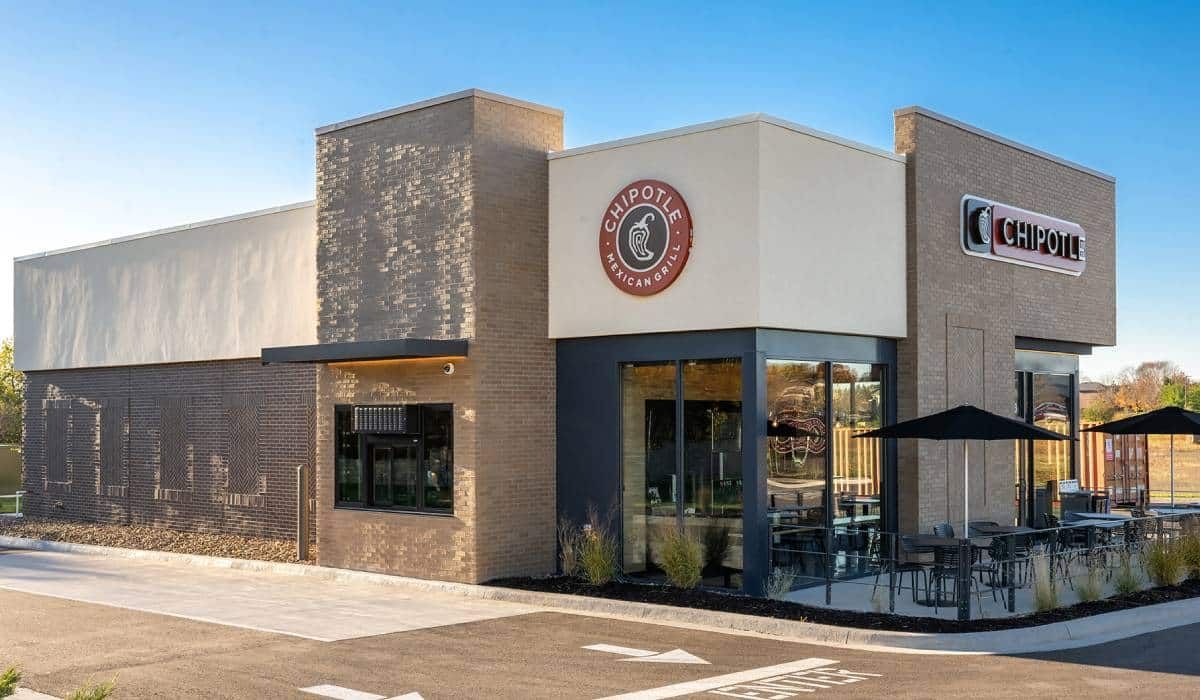
A fast food restaurant with tables and umbrellas in front of it.

It Took Chipotle Just Five Years to Build 1,000 ‘Chipotlanes’


One of the first times Chipotle spoke openly about the so-labeled “Chipotlane” was in November 2019, when former CEO Brian Niccol addressed CNBC’s Evolve Summit in Los Angeles. He claimed it was taking the brand “all of 12 seconds” to get food to customers through the format.

A jersey mikes sub shop is located in a brick building.

Sandwich chain Jersey Mike’s acquired for a reported $8 billion


Jersey’s Mike’s has been acquired by the world's largest alternative asset manager.

A sign for katz ace hardware and rental

Ace Hardware revenue grows to record $2.3B in Q3


Operating expenses also rose nearly 13% in the quarter as the company invests in store openings, marketing and more ad spending.

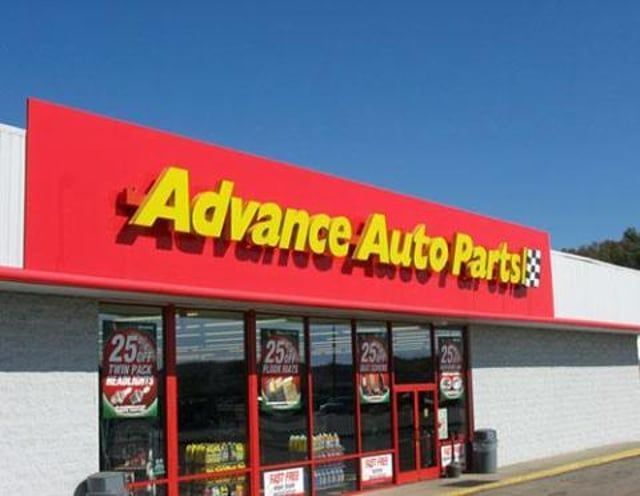
A red and white advance auto parts store with a blue sky in the background

Advance Auto Parts to close 523 corporate stores, exit 200 independent locations


Advance Auto Parts reported another quarter of declining sales and said it planned to close 700-plus stores as part of a “strategic plan to improve business performance with a focus on core retail improvements."

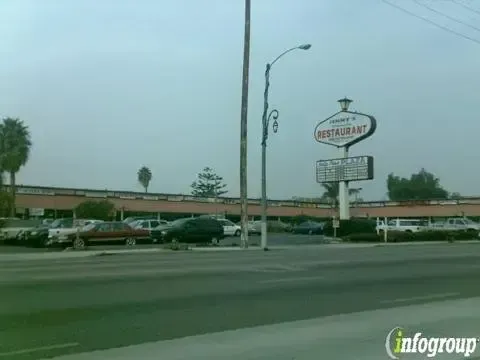
A parking lot with cars parked in front of a restaurant sign

More small businesses to close across from Inglewood Sports & Entertainment District


INGLEWOOD – The city of Inglewood is in negotiations to purchase a dilapidated strip mall across the street from the Inglewood Sports and Entertainment District (ISED) that houses Hollywood Park, Intuit Dome and SoFi Stadium.

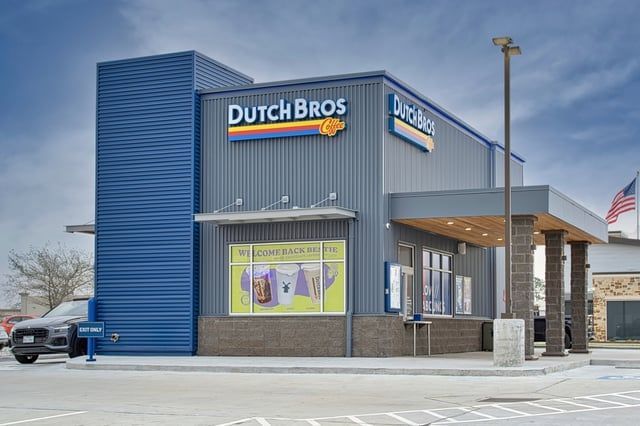
A dutch bros store with a truck parked in front of it.

Dutch Bros to accelerate openings in 2025 to 160-plus sites; testing food options


Dutch Bros. Inc. reported better-than-expected third-quarter earnings and sales, fueled in part by its new mobile ordering system and continued store growth.

By Marc Perlof • October 30, 2026
Tractor Supply Q3 sales rise 5.1%; to moderate new store openings Tractor Supply Company delivered third-quarter earnings and sales that beat analyst expectations and said it was gaining share against most categories and metrics even as its customers remain cautious. On the company’s earnings call, CEO Hal Lawton said that elevated interest rates and reduced housing mobility are weighing on property improvements and larger projects. Pet ownership headwinds, particularly new pet acquisition, continue to affect demand in certain categories...
By Marc Perlof • October 28, 2026
By Marc Perlof | @MarcRetailGuy CA #01489206 October 26, 2026 If you own retail real estate, here’s what just changed for you. A lease guaranty can become less useful if the tenant changes entities, the guaranty expires, or a later agreement releases a guarantor. That can affect your income security, refinancing options, and property value. The main owner decision is whether the guaranty still supports your planned hold, refinance, renewal, or sale. Why Should You Review a Lease Guarantee Every Few Years? Many owners review the lease when they buy the property and do not examine the guaranty again until there is a tenant problem or planned sale. During that time, the tenant may be acquired, reorganized, assigned to another entity, or operating under a guaranty that is capped, reduced, or approaching expiration. A review every few years can help you identify those issues while you still have time to respond. Annual Lease Guarantee Review Checklist 1. Confirm the Current Tenant and Every Guarantor Start with the exact legal name of the tenant currently responsible for the lease. Then identify every company or individual that signed a guaranty. Do not rely on the brand name displayed at the property. The company on the sign may not be the legal tenant or the entity supporting the rent. Confirm whether the guaranty comes from the national parent ompany, a subsidiary, an affiliate, a franchise operator, a location-specific LLC, an individual, or more than one guarantor. 2. Check What the Guaranty Covers and When It Ends A signed guaranty may not cover every lease obligation for the entire lease term. Determine whether it is full, capped, reduced over time, limited to certain lease years, or restricted to specific obligations. It may cover base rent but exclude additional rent, property expenses, repair obligations, or legal costs. Compare the guaranty term with the remaining lease term. Do not assume that a lease extension automatically extends the guaranty. 3. Review Later Documents and Ownership Changes The original lease and guaranty may have been changed by later documents. Review amendments, extensions, assignments, assumption agreements, landlord consents, estoppel certificates, ownership change notices, and any guarantor releases or replacements. A tenant may continue using the same brand while the legal tenant, ownership structure, or guarantor changes behind the scenes. When the relationship among the tenant, guarantor, parent company, and affiliates is unclear, request an organizational chart or entity structure. The chart can explain how the companies are connected, but the lease and guaranty documents still determine who is legally responsible. Qualified legal counsel should confirm unclear obligations. 4. Review the Guarantor’s Current Financial Support A guaranty is only as useful as the company or person behind it. Depending on your lease rights and the information available, review current financial information, rent payment history, operating locations, recent closures, ownership changes, and whether the guarantor still appears to own meaningful assets. The goal is not to complete a full credit analysis. It is to determine whether the support behind your rent is still consistent with what you believed when you bought the property or negotiated the lease. 5. Compare the Guaranty with Your Ownership Plan The value of a guaranty depends partly on what you plan to do with the property. If you expect to hold for several years, determine whether the guaranty lasts through your planned ownership period. If you think you are going to refinance, renew, or sell, consider whether the guaranty will still provide meaningful support at that time. You should also consider what happens if the tenant leaves. Contract rent, market rent, vacancy downtime, leasing commissions, tenant improvement costs, repairs, and replacement demand can all affect NOI, capital needs, and net sale proceeds. The central question is whether the guaranty, the underlying real estate, or both support your next major ownership decision. Owner Self Assessment Could you clearly explain who guarantees your largest tenant’s rent, what the guaranty covers, when it ends, and whether it still supports your ownership plan? Reviewing your lease guaranty every few years can help you identify income, financing, vacancy, and value risks before they limit your options. Contact me for the expanded Retail Lease Guarantee Review Checklist . It includes a more detailed document list, guarantor review questions, financial and ownership checks, vacancy and replacement cost considerations, and a one page owner summary you can use before a refinance, renewal, hold, or sale decision. Are you relying on a guaranty that will still provide meaningful support when you refinance, renew the lease, or sell the property? Based in Los Angeles. Serving Southern California. Active across California. Advising clients nationwide. #RetailRealEstate #CommercialRealEstate #RetailProperty #NetLease #LeaseGuarantee #CorporateGuarantee #TenantCredit #PropertyValue #RetailInvesting #InvestmentSales #MarcRetailGuy #MarcPerlof
By Marc Perlof • October 26, 2026
By Marc Perlof | @MarcRetailGuy CA #01489206 October 26, 2026 If you own retail real estate, here’s what just changed for you. A lease guaranty can become less useful if the tenant changes entities, the guaranty expires, or a later agreement releases a guarantor. That can affect your income security, refinancing options, and property value. The main owner decision is whether the guaranty still supports your planned hold, refinance, renewal, or sale. Why Should You Review a Lease Guarantee Every Few Years? Many owners review the lease when they buy the property and do not examine the guaranty again until there is a tenant problem or planned sale. During that time, the tenant may be acquired, reorganized, assigned to another entity, or operating under a guaranty that is capped, reduced, or approaching expiration. A review every few years can help you identify those issues while you still have time to respond. Annual Lease Guarantee Review Checklist 1. Confirm the Current Tenant and Every Guarantor Start with the exact legal name of the tenant currently responsible for the lease. Then identify every company or individual that signed a guaranty. Do not rely on the brand name displayed at the property. The company on the sign may not be the legal tenant or the entity supporting the rent. Confirm whether the guaranty comes from the national parent ompany, a subsidiary, an affiliate, a franchise operator, a location-specific LLC, an individual, or more than one guarantor. 2. Check What the Guaranty Covers and When It Ends A signed guaranty may not cover every lease obligation for the entire lease term. Determine whether it is full, capped, reduced over time, limited to certain lease years, or restricted to specific obligations. It may cover base rent but exclude additional rent, property expenses, repair obligations, or legal costs. Compare the guaranty term with the remaining lease term. Do not assume that a lease extension automatically extends the guaranty. 3. Review Later Documents and Ownership Changes The original lease and guaranty may have been changed by later documents. Review amendments, extensions, assignments, assumption agreements, landlord consents, estoppel certificates, ownership change notices, and any guarantor releases or replacements. A tenant may continue using the same brand while the legal tenant, ownership structure, or guarantor changes behind the scenes. When the relationship among the tenant, guarantor, parent company, and affiliates is unclear, request an organizational chart or entity structure. The chart can explain how the companies are connected, but the lease and guaranty documents still determine who is legally responsible. Qualified legal counsel should confirm unclear obligations. 4. Review the Guarantor’s Current Financial Support A guaranty is only as useful as the company or person behind it. Depending on your lease rights and the information available, review current financial information, rent payment history, operating locations, recent closures, ownership changes, and whether the guarantor still appears to own meaningful assets. The goal is not to complete a full credit analysis. It is to determine whether the support behind your rent is still consistent with what you believed when you bought the property or negotiated the lease. 5. Compare the Guaranty with Your Ownership Plan The value of a guaranty depends partly on what you plan to do with the property. If you expect to hold for several years, determine whether the guaranty lasts through your planned ownership period. If you think you are going to refinance, renew, or sell, consider whether the guaranty will still provide meaningful support at that time. You should also consider what happens if the tenant leaves. Contract rent, market rent, vacancy downtime, leasing commissions, tenant improvement costs, repairs, and replacement demand can all affect NOI, capital needs, and net sale proceeds. The central question is whether the guaranty, the underlying real estate, or both support your next major ownership decision. Owner Self Assessment Could you clearly explain who guarantees your largest tenant’s rent, what the guaranty covers, when it ends, and whether it still supports your ownership plan? Reviewing your lease guaranty every few years can help you identify income, financing, vacancy, and value risks before they limit your options. Contact me for the expanded Retail Lease Guarantee Review Checklist . It includes a more detailed document list, guarantor review questions, financial and ownership checks, vacancy and replacement cost considerations, and a one page owner summary you can use before a refinance, renewal, hold, or sale decision. Are you relying on a guaranty that will still provide meaningful support when you refinance, renew the lease, or sell the property? Based in Los Angeles. Serving Southern California. Active across California. Advising clients nationwide. #RetailRealEstate #CommercialRealEstate #RetailProperty #NetLease #LeaseGuarantee #CorporateGuarantee #TenantCredit #PropertyValue #RetailInvesting #InvestmentSales #MarcRetailGuy #MarcPerlof

More Posts