Weekly Perl: A Commercial Real Estate News Recap

Marc Perlof • December 26, 2025
A banner for weekly commercial real estate news recap
A blurred image of a city street with people walking down it.

Single-Tenant Retail Rebounds As Private Buyers Dominate

The STNL retail market is rebounding as private investors take center stage amid easing inflation and improved pricing alignment, reports GlobeSt. According to Marcus & Millichap’s latest report, private buyers drove a 15% increase in their market share over the past 12 months. During the same period, institutional, REIT, and entity-level activity declined. Through Q3 2025, private capital made up 71% of dollar volume, followed by foreign buyers (10%) and REITs (9%)...

A blurry picture of a clothing store with clothes on display.

May your days be merry and bright—but mostly bright


At the final City Council meeting of the year, there was a unanimous vote to have 1,000-square-foot digital signs installed at 16 locations on or near the Promenade. Santa Monica will receive a minimum of $500,000 per sign per year. Given the city’s financial distress, that’s a lot of ka-ching for a little bling...
A car is parked in front of a sign that says 223

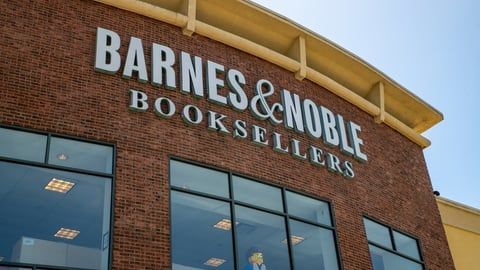
Report: Barnes & Noble to open 60 stores in 2026

Barnes & Noble is continuing to expand its retail footprint amid a resurgence in brick-and-mortar bookstores. 

The bookseller plans to open 60 new locations across the country in 2026, reported USA Today. According to a list obtained by the publication, Barnes & Noble plans to open stores in Ohio, Texas, Florida, Illinois, Colorado, Washington state, California, Virginia, Georgia and Washington D.C., with "several openings" in these states scheduled between now and June 2026...
The front of an aldi store with a sign in front of it.

Retail Outlook 2026 Market Stability Holds Amid Low Development


The US retail sector enters 2026 in solid shape, despite ongoing economic uncertainty and softening consumer demand, reports Marcus&Millichap. Muted leasing in early 2025, driven by tariff concerns, kept vacancy stable due to a limited and constrained development pipeline.

Retail vacancy hovered near 5.0% through 2025, with many metro areas falling below the 4.0% threshold. Open-air centers outperformed malls, where vacancies remain above 9.0%. The gap between anchored and unanchored centers has narrowed significantly since 2020, reflecting long-term supply constraints...
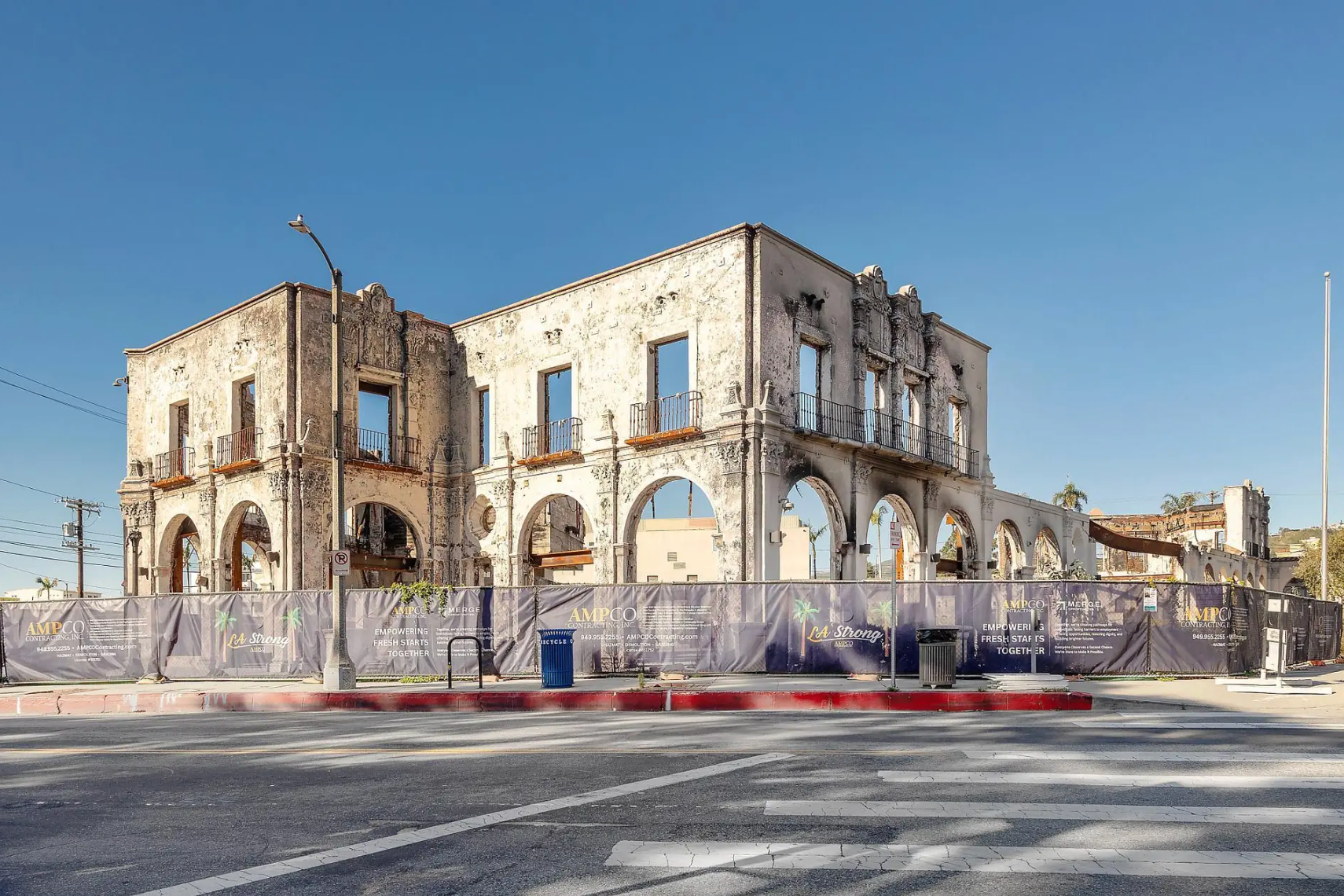
In Pacific Palisades, stores are slow to reopen after January wildfire

Thousands of Pacific Palisades and Los Angeles residents assembled this month for a Christmas tree lighting event at Palisades Village, a retail complex largely unscathed in the fires that tore through the town nearly one year ago.

The event served as a reminder of just how far the community is from recovery. Even without major structural damage, the shopping complex remains closed. Most residents have yet to return to the coastal neighborhood, where construction crews drive most daily activity...
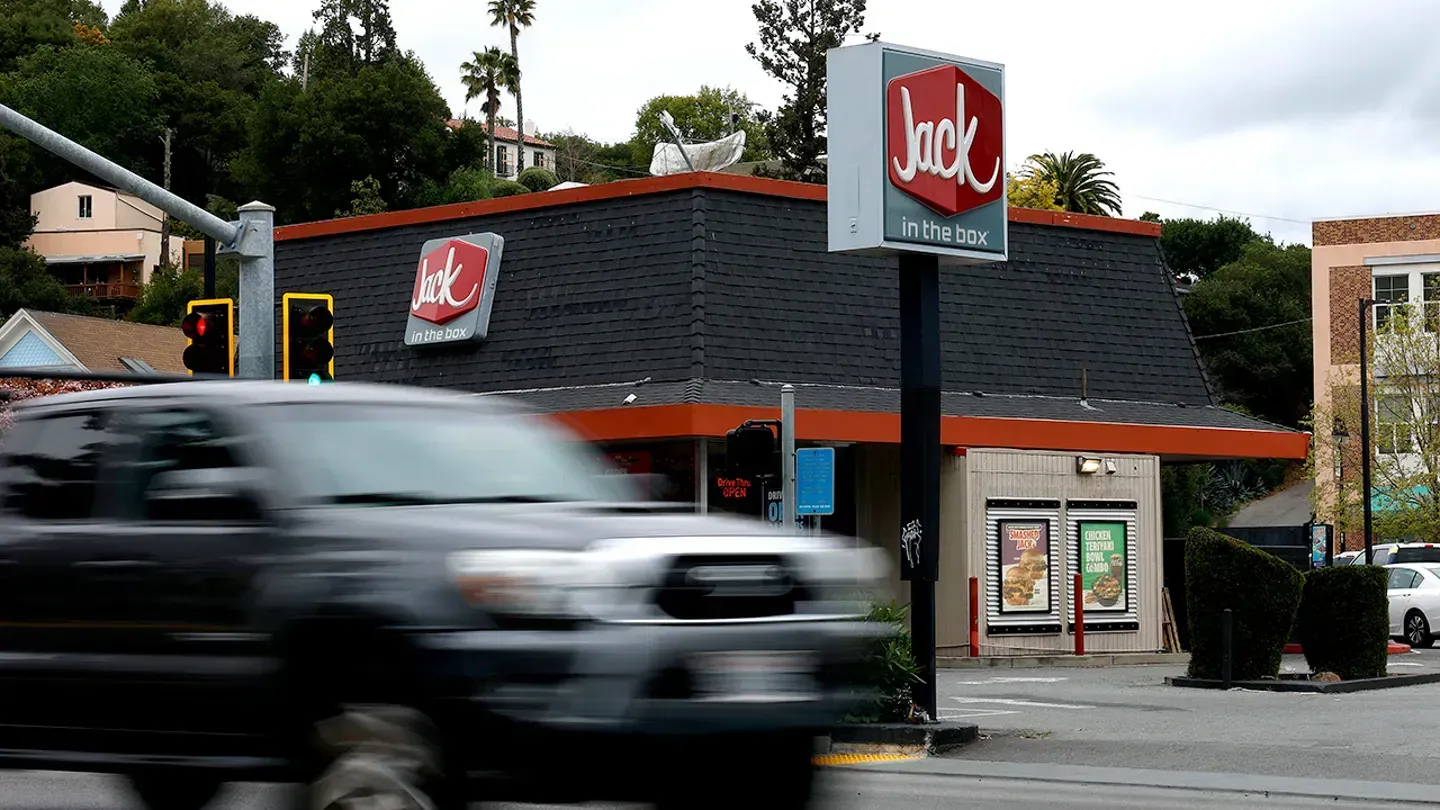
Jack in the Box shut down more than 70 stores with more expected by year's end over financial struggles


Jack in the Box plans to close dozens of restaurants by the end of the year in an effort to cut costs and boost revenue.  The franchise said earlier this year it would shutter between 150–200 underperforming stores by 2026, including 80–120 by the end of this year, under a block closure program.

In May, Jack In The Box said it had closed 12 locations, which was followed by another 13 closures by August and 47 more reported in the company's November earnings, according to the Daily Mail...

Trump reschedules marijuana; opens research on medical use, CBD


President Donald Trump has issued an executive order that eases federal regulations on marijuana without legalizing its use and loosens CBD restrictions.

In a new executive order, President Trump has directed U.S. attorney general Pam Bondi to expedite completion of the process of rescheduling marijuana to Schedule III of the Controlled Substance Act. 

Previously, marijuana (the part of the cannabis plant containing the psychoactive ingredient THC), had been classified as a Schedule I drug with high abuse potential, no accepted medical use, and lack of accepted safety. Other drugs still classified as Schedule I include heroin, LSD, and MDMA (popularly known as ecstasy)...
Done Deal: Jack in the Box sells Del Taco for $119 million


The nation’s second-largest Mexican quick-serve restaurant officially has new owners.

Jack in the Box Inc. has completed the sale of Del Taco Holdings Inc. to Yadav Enterprises for approximately $119 million in consideration, subject to post-closing working capital and other adjustments. Yadav Enterprises, which operates more than 300 franchise restaurants nationwide, now adds Del Taco’s nearly 600 locations across 17 states to its portfolio...


By Marc Perlof April 6, 2026
By Marc Perlof | MarcRetailGuy CA #01489206 April 6, 2026 If you own retail real estate, here’s what just changed for you. The U.S. is not running out of money. But debt is rising and keeping interest rates higher. That is already pushing down retail property values. Higher government debt is keeping borrowing costs high, and that lowers your property value. What Changed What is happening? A recent article from Yahoo Finance claims the U.S. is “insolvent” based on Treasury data.¹ The idea comes from comparing what the government owes to what it owns. What is causing it? The U.S. keeps spending more than it collects. Total debt keeps growing. At the same time, interest rates have gone up. That makes it more expensive for the government to borrow money. This does not mean the U.S. cannot pay its bills. It means the system is under pressure. That pressure affects interest rates across the economy. Why It Matters (Value Impact) How does this affect your property value? Retail property values are tied to income and cap rates. Cap rates follow the 10-year Treasury. When government debt keeps rates higher, cap rates stay higher. Higher cap rates mean lower property values. How are buyers underwriting this today? Buyers are using higher borrowing costs in their numbers. They are also assuming they will sell at higher cap rates later. That lowers what they can pay today. What happens if rates stay high? Your income becomes more exposed. Expenses like insurance and maintenance keep rising. If rent does not keep up, your net income drops. Lower income plus higher cap rates equals lower value. Strategic Advice for Retail Property Owners What should you do right now? Base decisions on today’s borrowing costs. Not past pricing. If you are selling, price to current cap rates. If you are holding, protect your income. What should you review in your lease? Look closely at what expenses you can pass through. Insurance, CAM, and repairs matter more now. If your lease does not fully protect your income, your value is already exposed. What should you prepare for? Plan for rates to stay higher longer. Build in margin for higher costs and slower leasing. Do not rely on rate cuts to fix your deal. Real Deal Insight Buyers are pricing retail deals today based on current debt costs and higher cap rate assumptions. A recent strip center owner in Southern California expected pricing based on a 5.25% cap rate from prior comps. Today, buyers are underwriting closer to 6.25% to 6.75% due to higher debt costs and exit assumptions. On a $1,000,000 NOI: At 5.25% cap → value ≈ $19.0M At 6.50% cap → value ≈ $15.4M That is a ~$3.6M difference, without any change in income. This is the gap sellers and buyers are working through right now. Deals are getting done, but only when pricing reflects today’s cap rates and financing reality. Market POV Pricing is a moving target right now. If you are thinking about selling or completing a 1031 exchange in 2026, looking at your property’s value sooner rather than later is optimal. Waiting for rates to drop may not bring values back to prior peaks. Buyers are already adjusting to a higher rate environment, and pricing is resetting in real time. Owner Self-Assessment If you had to sell today, would your current income support today’s higher cap rates? Market Data and Sources U.S. federal debt is over $34 trillion and continues to grow.² Interest on that debt is now one of the largest government expenses.³ The 10-year Treasury has been around the 4% range, well above prior lows.4 This shift is already showing up in pricing across Los Angeles retail deals today, and it is changing how buyers and sellers are negotiating in real time. If you own retail real estate in Los Angeles or Southern California, this is already showing up in pricing, negotiations, and deal structure across strip centers, shopping centers, and NNN assets. If you own retail real estate, I can show you what your property is worth today based on current cap rates, buyer demand, and real underwriting. Call or DM me for a current value analysis. What happens to your property value if cap rates increase 0.5% to 1.0%? Based in Los Angeles. Serving Southern California. Active across California. Advising clients nationwide. #RetailRealEstate #NNNProperties #CapRates #CommercialRealEstate #RetailInvesting #LosAngelesRealEstate #CREMarket #InvestmentProperty #StripCenters #ShoppingCenters #RealEstateStrategy
By Marc Perlof April 3, 2026
'Mild stagflation': Bank of America rips up economic forecasts, braces for $100 oil all year on Iran war disruptions Bank of America analysts are projecting slower growth, higher inflation, and $100 per barrel oil all year as a result of the Iran war — even if it ends within weeks. "The war dividend so far: mild stagflation," BofA economist Claudio Irigoyen and his team wrote in a note on Wednesday, referring to the economic phenomenon of higher inflation coupled with slower growth...
By Marc Perlof March 30, 2026
By Marc Perlof | MarcRetailGuy CA #01489206 March 30, 2026 If you own retail real estate, here’s what just changed for you. NNN retail is no longer passive income. Rising insurance and CAM costs are reducing NOI and directly impacting property value. For years, the model was simple. Tenant pays taxes. Tenant pays insurance. Tenant pays CAM. Owner collects rent. That model is now breaking in practice. What Changed Insurance premiums have increased sharply across California, driven by carrier exits and wildfire risk.¹ At the same time, CAM expenses are rising across the board. Utilities, repairs, maintenance, and vendor costs are all moving up.² On paper, these are still tenant expenses. In reality, recovery is no longer clean or guaranteed. Why It Matters When expenses rise and are not fully recovered, NOI drops. Lower NOI leads to lower value. Buyers are now underwriting this risk. They are not assuming full reimbursement. They are adjusting pricing based on uncertainty in expense recovery.³ This directly impacts: Sale pricing Refinance proceeds Buyer demand What Is Driving This Shift Three core factors: 1. Insurance volatility Carriers are exiting California or tightening coverage. Premiums are rising, and terms are less predictable.¹ 2. Operating cost pressure Labor, materials, and utilities continue to increase. Maintenance is no longer stable year to year.² 3. Tenant resistance Tenants are pushing back on expense increases. Some delay payment. Others dispute charges or request documentation. How Buyers Are Thinking Today Buyers are no longer treating NNN as clean pass-through income. They are: Stress-testing CAM and insurance assumptions Discounting recoverability of expenses Building reserves for future increases Underwriting more conservative NOI Lenders are also paying closer attention to expense stability and coverage risk. This is changing how deals are priced.³ If you own retail property, focus on your lease structure. Key areas to review: Expense recovery language Make sure insurance, CAM, and all operating costs are clearly recoverable. Control provisions Limit tenant ability to dispute or delay payment. Caps and exclusions Understand where you are exposed. Many leases have limits that reduce recovery. Documentation Keep clean records. You may need to support charges during disputes or a sale. Buyers today are discounting deals where CAM and insurance recovery is unclear. Some are retrading during escrow after reviewing expense history and tenant pushback. Example: A strip center in Los Angeles sees insurance increase by $40,000. If fully recovered, no impact. If only partially recovered, NOI drops. At a 6.5% cap rate, a $40,000 NOI loss reduces value by over $600,000. This is how buyers are underwriting today. If your lease does not fully protect your income, your value is already exposed. If you want, I will walk your lease, identify where you are exposed, and show you how it impacts your value today. What does your lease actually protect? #RetailRealEstate #NNNProperties #TripleNetLease #RetailInvesting #StripCenters #ShoppingCenters #CREInvesting #LosAngelesRealEstate #CaliforniaCRE #CommercialRealEstate #MarcRetailGuy
More Posts