Weekly Perl: A Commercial Real Estate News Recap

Marc Perlof • September 26, 2025
A banner for weekly commercial real estate news recap
A blurred image of a city street with people walking down it.

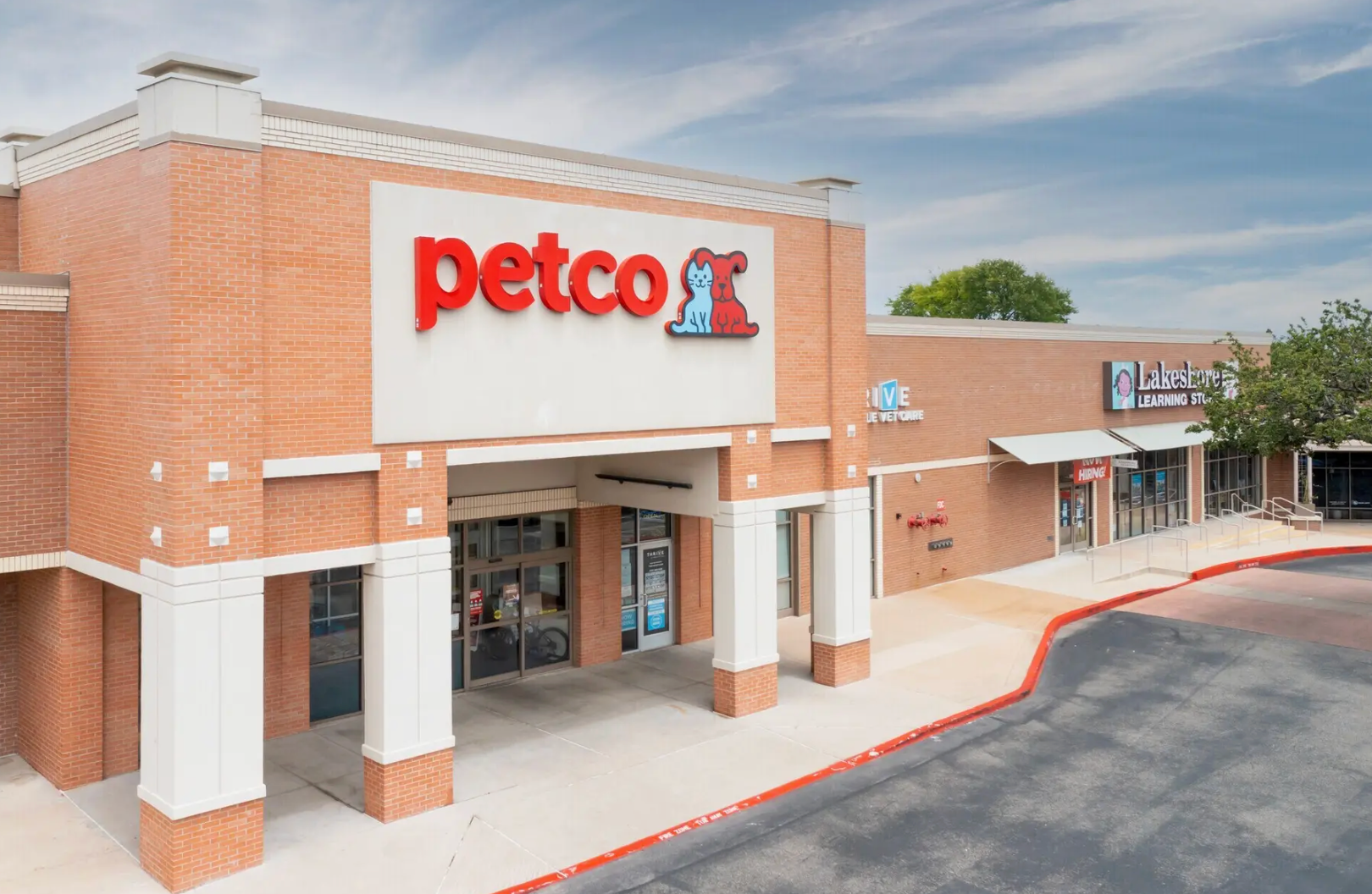
Petco thins its fleet with 25 store closings planned this year


Petco is set to close 25 stores this year, on top of the 25 it shuttered last year, as it becomes the latest retailer to trim its store fleet.

The San Diego-based company disclosed it was doing roughly two dozen closings when it reported second-quarter earnings recently. Petco's net sales of $1.5 billion decreased 2.3% compared with the prior-year period, and comparable sales dipped 1.4% year over year...

A blurry picture of a clothing store with clothes on display.

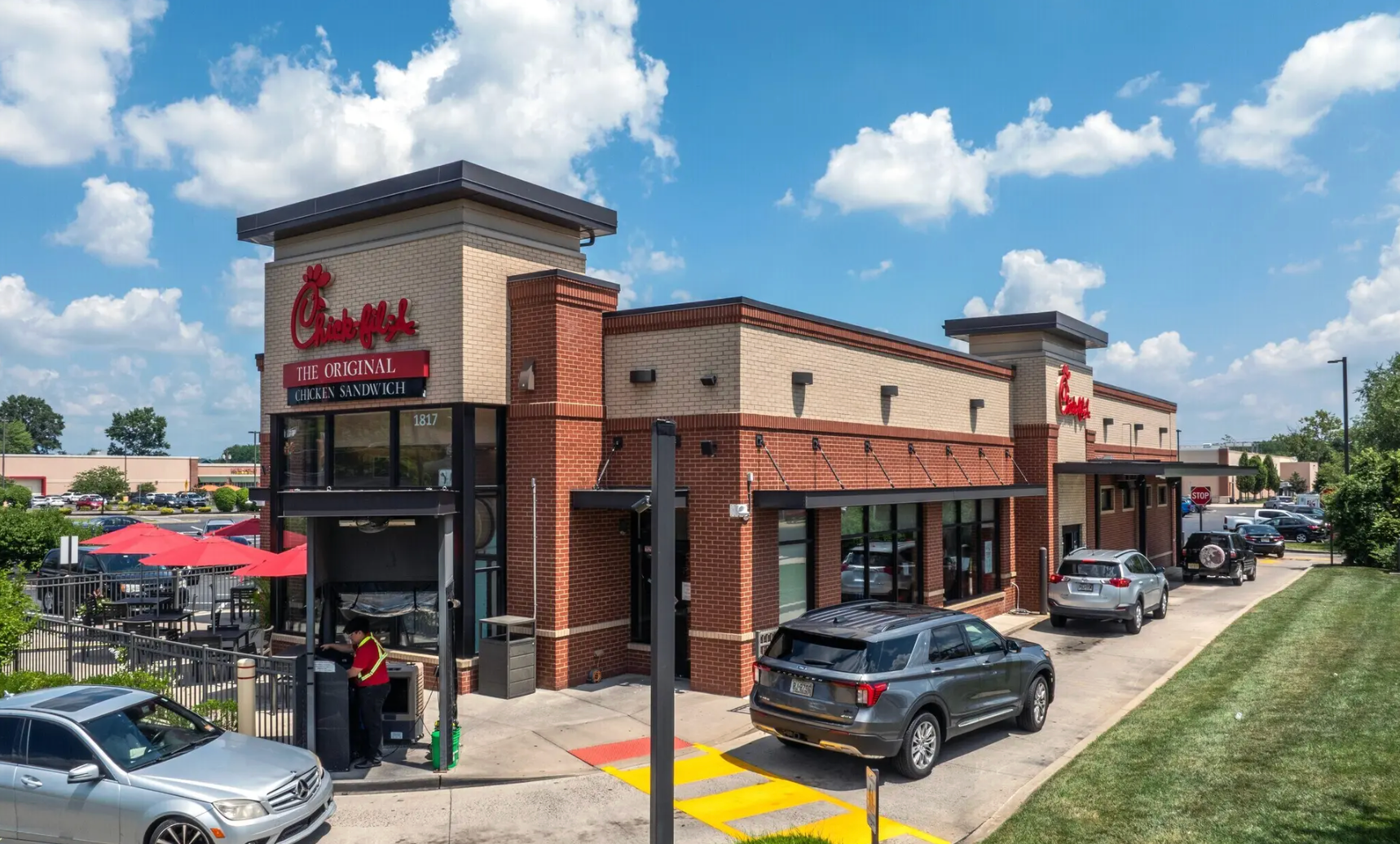
Chick-fil-A joins beverage-focused restaurant fray

Chick-fil-A is expanding way beyond sweet tea.


The Atlanta-based chicken chain said it plans to open a new beverage-focused restaurant concept, Daybright, this fall in the Atlanta area.


“Daybright is brought to you by Red Wagon Ventures LLC, which is a subsidiary of Chick-fil-A,” the chain said in a statement. “We look forward to sharing more details in the future!”...
A car is parked in front of a sign that says 223

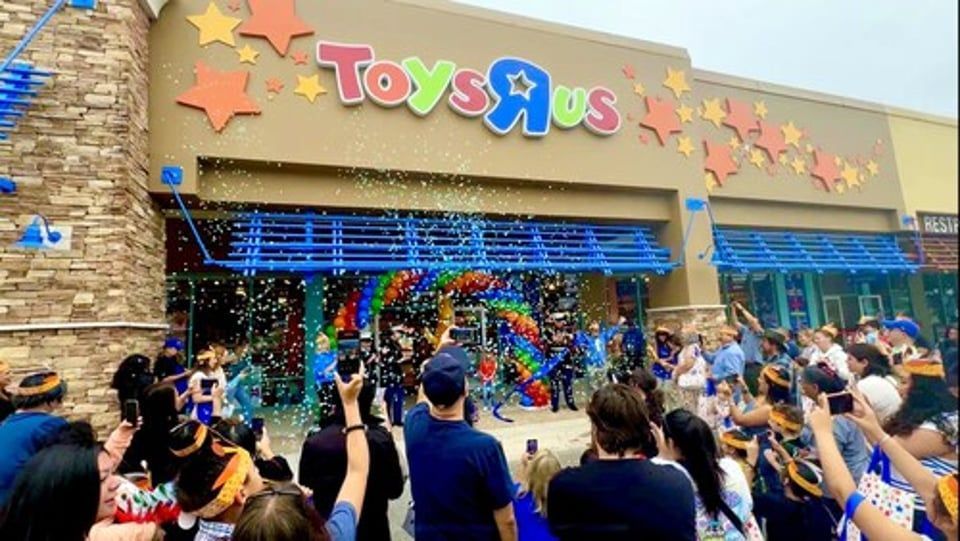
Toys”R”Us to open 10 U.S. flagships by year-end; locations include…

Toys”R”Us is expanding its footprint at home and abroad as it gears up for the toy industry's busiest season.

The toy retailer, in partnership with Go! Retail Group, said it is planning to open 10 new flagships and 20 seasonal holiday shops in the U.S. by year's end...
The front of an aldi store with a sign in front of it.

Forever 21 shifts to ‘digital-first;’ seeks U.S. partner for physical stores


Teen apparel brand Forever 21 will live on in the U.S. 


Authentic Brands Group announced new operating partners to drive the digital growth, wholesale expansion and kidswear innovation of Forever 21 as it transitions to a “digital-first” brand in the United States. (Earlier this year, Forever 21’s U.S. licensee, F21 OpCo, filed for bankruptcy. The Forever 21 IP is wholly owned by Authentic. )...
Office Depot parent company to be acquired in deal valued at $1 billion


Office Depot is going private.


The ODP Corp., whose portfolio includes Office Depot and OfficeMax, ODP Business Solutions and distribution logistics service provider Veyer, has entered into an agreement to be acquired by an affiliate of private equity group Atlas Holdings, which owns a global network of manufacturing and distribution businesses, for $28 per share in cash...
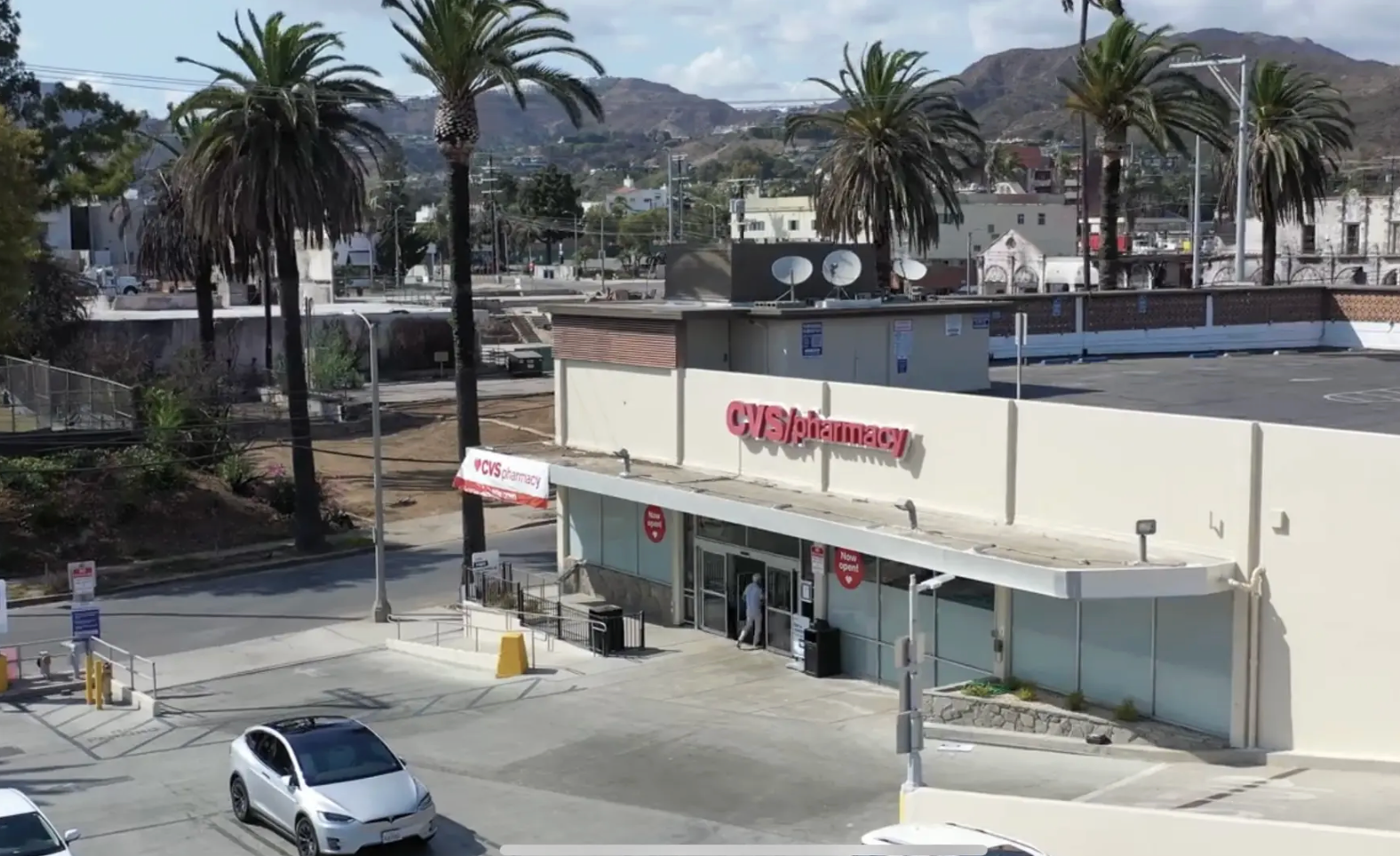
First major retailer reopens in Pacific Palisades after wildfires


CVS Pharmacy is the first major retailer to reopen in Pacific Palisades months after one of California’s worst wildfires on record tore through the area, destroying dozens of businesses.


The pharmacy celebrated the reopening of its location at 864 Swarthmore Ave. this week. It’s one of the first businesses to return since the wildfires destroyed nearly 5,500 single-family homes and dozens of apartment buildings, stores and offices...

Save A Lot spends summer reopening 27 stores

Save A Lot, based in St. Ann, Mo., has resumed operations under its brand name in 27 stores across Indiana, Ohio and Pennsylvania. The move follows a rebranding effort in 2024 that the company stated was improperly executed.


The company said it has worked to bring these locations in line with its operational and financial standards. The stores have resumed offering a range of food and household items, including private label and national brand products...
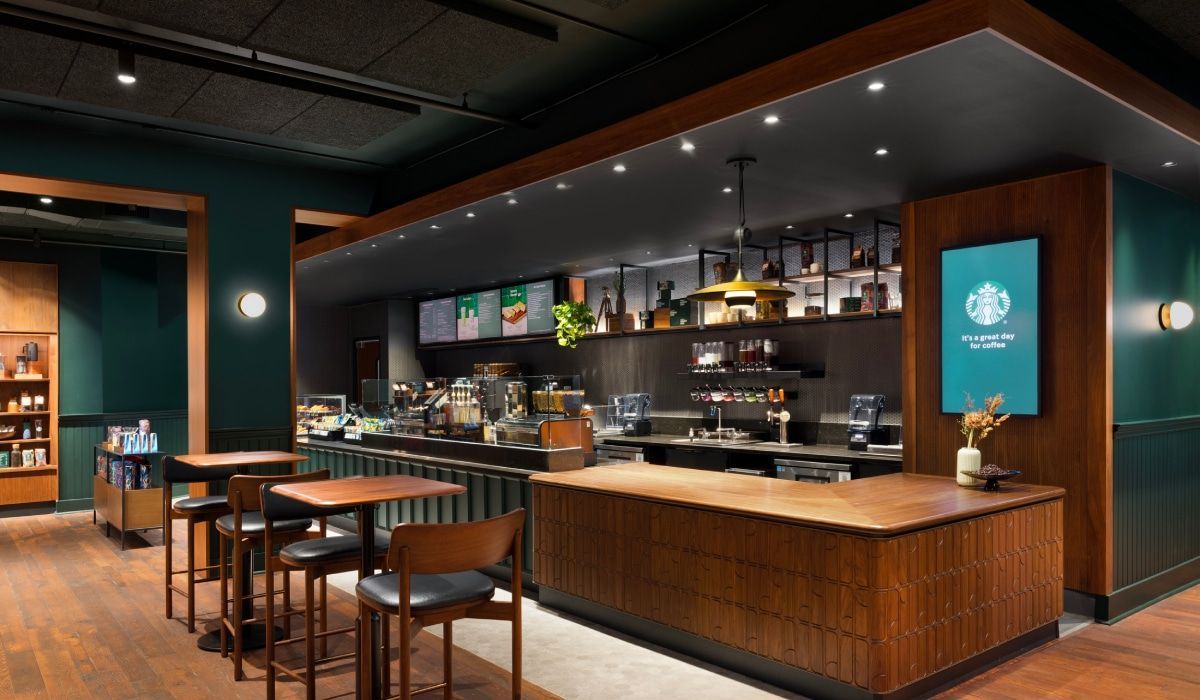
Starbucks Announces More Layoffs and Store Closures as Comeback Plan Continues


The next step in Starbucks comeback plan? Closures and more layoffs. 


The coffee giant announced Thursday that it is eliminating 900 corporate roles and closing many open positions. This comes after cutting 1,100 corporate positions earlier in 2025. These layoffs do not impact in-store employees...

Retail seasonal hiring to fall to lowest level since 2009


Retailers may be doing more than less this holiday when it comes to staffing stores and other facilities for the seasonal rush. 


Seasonal hiring announcements by retailers remain muted as the industry gears up for the holidays, according to Challenger, Gray & Christmas’ “2025 Seasonal Hiring Report..."
When it comes to securing more space, retailers keep their foot on the gas


Retailers are navigating a complex landscape marked by rising costs from elevated tariffs as increasingly cautious consumers pull back on spending. However, retailers also keep leasing space at a torrid pace, underscoring the strategic importance of securing desired locations in a supply-constrained environment...


By Marc Perlof April 6, 2026
By Marc Perlof | MarcRetailGuy CA #01489206 April 6, 2026 If you own retail real estate, here’s what just changed for you. The U.S. is not running out of money. But debt is rising and keeping interest rates higher. That is already pushing down retail property values. Higher government debt is keeping borrowing costs high, and that lowers your property value. What Changed What is happening? A recent article from Yahoo Finance claims the U.S. is “insolvent” based on Treasury data.¹ The idea comes from comparing what the government owes to what it owns. What is causing it? The U.S. keeps spending more than it collects. Total debt keeps growing. At the same time, interest rates have gone up. That makes it more expensive for the government to borrow money. This does not mean the U.S. cannot pay its bills. It means the system is under pressure. That pressure affects interest rates across the economy. Why It Matters (Value Impact) How does this affect your property value? Retail property values are tied to income and cap rates. Cap rates follow the 10-year Treasury. When government debt keeps rates higher, cap rates stay higher. Higher cap rates mean lower property values. How are buyers underwriting this today? Buyers are using higher borrowing costs in their numbers. They are also assuming they will sell at higher cap rates later. That lowers what they can pay today. What happens if rates stay high? Your income becomes more exposed. Expenses like insurance and maintenance keep rising. If rent does not keep up, your net income drops. Lower income plus higher cap rates equals lower value. Strategic Advice for Retail Property Owners What should you do right now? Base decisions on today’s borrowing costs. Not past pricing. If you are selling, price to current cap rates. If you are holding, protect your income. What should you review in your lease? Look closely at what expenses you can pass through. Insurance, CAM, and repairs matter more now. If your lease does not fully protect your income, your value is already exposed. What should you prepare for? Plan for rates to stay higher longer. Build in margin for higher costs and slower leasing. Do not rely on rate cuts to fix your deal. Real Deal Insight Buyers are pricing retail deals today based on current debt costs and higher cap rate assumptions. A recent strip center owner in Southern California expected pricing based on a 5.25% cap rate from prior comps. Today, buyers are underwriting closer to 6.25% to 6.75% due to higher debt costs and exit assumptions. On a $1,000,000 NOI: At 5.25% cap → value ≈ $19.0M At 6.50% cap → value ≈ $15.4M That is a ~$3.6M difference, without any change in income. This is the gap sellers and buyers are working through right now. Deals are getting done, but only when pricing reflects today’s cap rates and financing reality. Market POV Pricing is a moving target right now. If you are thinking about selling or completing a 1031 exchange in 2026, looking at your property’s value sooner rather than later is optimal. Waiting for rates to drop may not bring values back to prior peaks. Buyers are already adjusting to a higher rate environment, and pricing is resetting in real time. Owner Self-Assessment If you had to sell today, would your current income support today’s higher cap rates? Market Data and Sources U.S. federal debt is over $34 trillion and continues to grow.² Interest on that debt is now one of the largest government expenses.³ The 10-year Treasury has been around the 4% range, well above prior lows.4 This shift is already showing up in pricing across Los Angeles retail deals today, and it is changing how buyers and sellers are negotiating in real time. If you own retail real estate in Los Angeles or Southern California, this is already showing up in pricing, negotiations, and deal structure across strip centers, shopping centers, and NNN assets. If you own retail real estate, I can show you what your property is worth today based on current cap rates, buyer demand, and real underwriting. Call or DM me for a current value analysis. What happens to your property value if cap rates increase 0.5% to 1.0%? Based in Los Angeles. Serving Southern California. Active across California. Advising clients nationwide. #RetailRealEstate #NNNProperties #CapRates #CommercialRealEstate #RetailInvesting #LosAngelesRealEstate #CREMarket #InvestmentProperty #StripCenters #ShoppingCenters #RealEstateStrategy
By Marc Perlof April 3, 2026
'Mild stagflation': Bank of America rips up economic forecasts, braces for $100 oil all year on Iran war disruptions Bank of America analysts are projecting slower growth, higher inflation, and $100 per barrel oil all year as a result of the Iran war — even if it ends within weeks. "The war dividend so far: mild stagflation," BofA economist Claudio Irigoyen and his team wrote in a note on Wednesday, referring to the economic phenomenon of higher inflation coupled with slower growth...
By Marc Perlof March 30, 2026
By Marc Perlof | MarcRetailGuy CA #01489206 March 30, 2026 If you own retail real estate, here’s what just changed for you. NNN retail is no longer passive income. Rising insurance and CAM costs are reducing NOI and directly impacting property value. For years, the model was simple. Tenant pays taxes. Tenant pays insurance. Tenant pays CAM. Owner collects rent. That model is now breaking in practice. What Changed Insurance premiums have increased sharply across California, driven by carrier exits and wildfire risk.¹ At the same time, CAM expenses are rising across the board. Utilities, repairs, maintenance, and vendor costs are all moving up.² On paper, these are still tenant expenses. In reality, recovery is no longer clean or guaranteed. Why It Matters When expenses rise and are not fully recovered, NOI drops. Lower NOI leads to lower value. Buyers are now underwriting this risk. They are not assuming full reimbursement. They are adjusting pricing based on uncertainty in expense recovery.³ This directly impacts: Sale pricing Refinance proceeds Buyer demand What Is Driving This Shift Three core factors: 1. Insurance volatility Carriers are exiting California or tightening coverage. Premiums are rising, and terms are less predictable.¹ 2. Operating cost pressure Labor, materials, and utilities continue to increase. Maintenance is no longer stable year to year.² 3. Tenant resistance Tenants are pushing back on expense increases. Some delay payment. Others dispute charges or request documentation. How Buyers Are Thinking Today Buyers are no longer treating NNN as clean pass-through income. They are: Stress-testing CAM and insurance assumptions Discounting recoverability of expenses Building reserves for future increases Underwriting more conservative NOI Lenders are also paying closer attention to expense stability and coverage risk. This is changing how deals are priced.³ If you own retail property, focus on your lease structure. Key areas to review: Expense recovery language Make sure insurance, CAM, and all operating costs are clearly recoverable. Control provisions Limit tenant ability to dispute or delay payment. Caps and exclusions Understand where you are exposed. Many leases have limits that reduce recovery. Documentation Keep clean records. You may need to support charges during disputes or a sale. Buyers today are discounting deals where CAM and insurance recovery is unclear. Some are retrading during escrow after reviewing expense history and tenant pushback. Example: A strip center in Los Angeles sees insurance increase by $40,000. If fully recovered, no impact. If only partially recovered, NOI drops. At a 6.5% cap rate, a $40,000 NOI loss reduces value by over $600,000. This is how buyers are underwriting today. If your lease does not fully protect your income, your value is already exposed. If you want, I will walk your lease, identify where you are exposed, and show you how it impacts your value today. What does your lease actually protect? #RetailRealEstate #NNNProperties #TripleNetLease #RetailInvesting #StripCenters #ShoppingCenters #CREInvesting #LosAngelesRealEstate #CaliforniaCRE #CommercialRealEstate #MarcRetailGuy
More Posts