Weekly Perl: A Commercial Real Estate News Recap

Marc Perlof • September 18, 2026
A banner for weekly commercial real estate news recap
A car is parked in front of a sign that says 223

10-year Treasury yield hits highest level since 2007 ahead of Fed rate decision

New York —  The bond market sell-off is raising the stakes for the Federal Reserve’s monetary policy meeting this week and putting a spotlight on the central bank’s commitment to reining in inflation. Traders widely expect the Fed to raise its benchmark interest rate on Wednesday for the first time since 2023. Traders are pricing in a 92% chance of a rate hike, according to CME FedWatch, a real-time forecasting tool...



The front of an aldi store with a sign in front of it.

10-Year Treasury Yield Hit 4.8%, Highest Since 2023


Retail foot traffic shows which stores are attracting shoppers and where visits are increasing.

But showing up is not the same as spending.

A recent Placer.ai report named Costco and Dollar General among physical retail’s traffic leaders while describing Walmart’s visits as essentially flat. Facteus transaction data through June 2026 tells a very different story.

Foot traffic measures opportunity. Transaction data measures outcome...
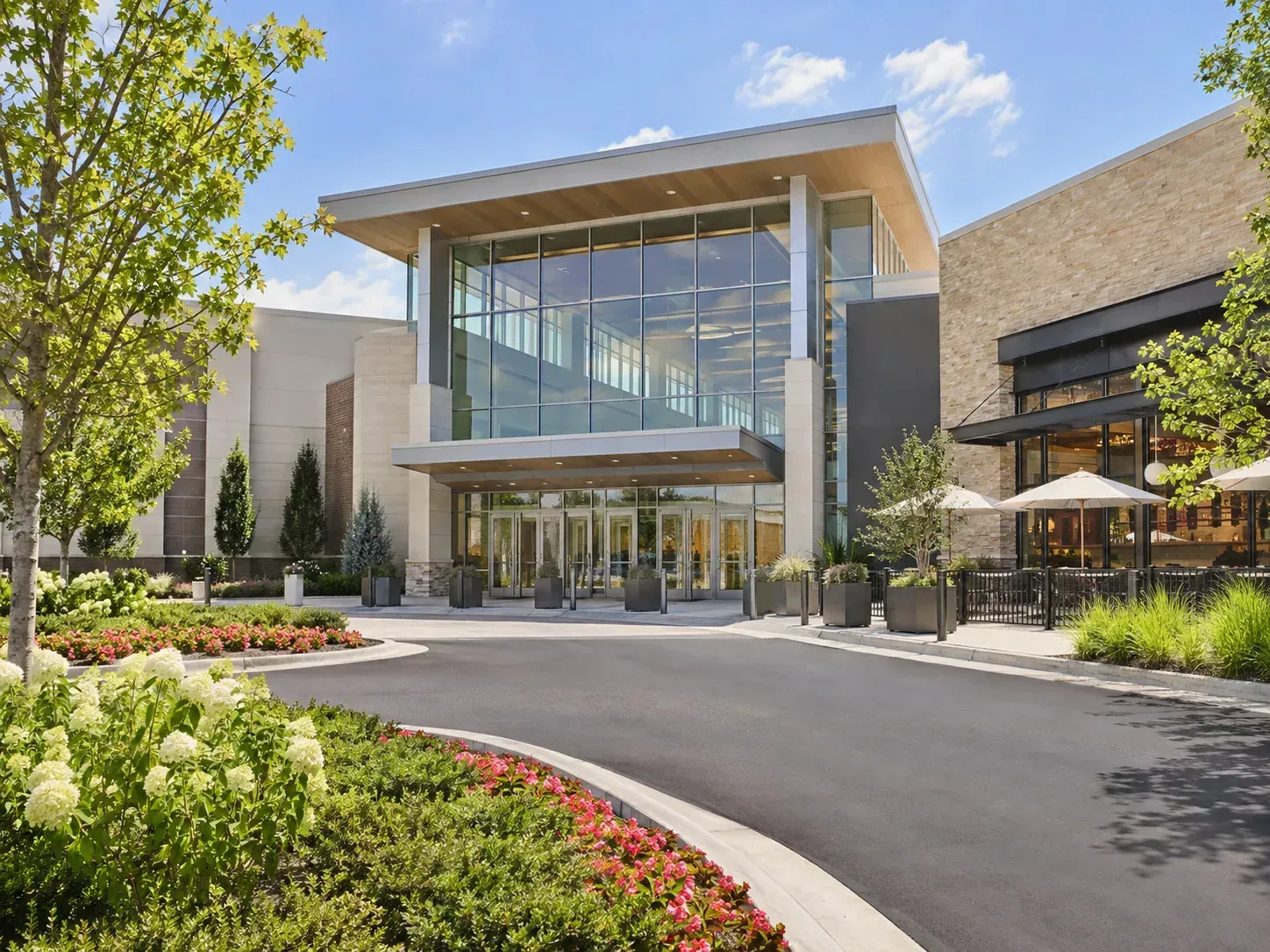

An elevated outdoor view of a modern shopping mall promenade with manicured greenery, palm trees, and pedestrians.

Mall Values Jump 13% as Retail Recovery Accelerates

Mall values rose 13% in a year, leading commercial real estate as limited supply, stronger occupancy and reinvestment revive the sector.


The Wall Street Journal reports that malls have become the top-performing commercial real estate sector after years of distress. The latest mall value data from Green Street show prices up 13% over the past year. That leads all 10 commercial property sectors. The gain is also more than double the increase in overall CRE prices. Investors are returning as occupancy and rent growth improve...


The American flag waves against a bright blue sky between towering glass skyscrapers, viewed from a low angle.

Survey: Restaurant operators raise prices amid steep cost increases

Rising food and operating costs are impacting American restaurant operators in a big way.

Over two-thirds (68%) of U.S. operators have raised menu prices in the past 12 months, and nearly one in three (30%) plan to raise them again, according to the 2026 Hospitality Operator Report from SilverChef USA, a provider of restaurant equipment financing.

During the past 12 months, the typical U.S. operator saw a median cost increase of 7.5%, consistent across every type of establishment. Operators reported the steepest cost increases in food and beverage supply (66%), labor and wages (35%) and utilities (35%). American restaurant operators were more likely to see improved margins compared to their Canadian peers (64% in the U.S. vs. 42% in Canada)...
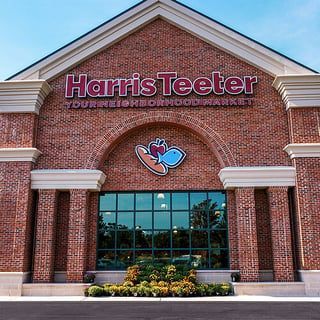

A flat, single-story retail building with a

Harris Teeter investing $250M to enhance stores, expand footprint — here's where

Harris Teeter is making a major investment across the Charlotte, N.C., area that include the opening of three new stores. 

The grocer, a wholly-owned subsidiary of The Kroger Co., said it will invest approximately $253 million over the next three years to refresh and modernize select stores across the area. The company also plans to open three new locations, in Fort Mill and Lake Wylie, S.C., and Kannapolis, N.C., further strengthening its commitment to the region...
The main entrance of the NuHAA building, featuring a modern glass and stone facade, at sunset.

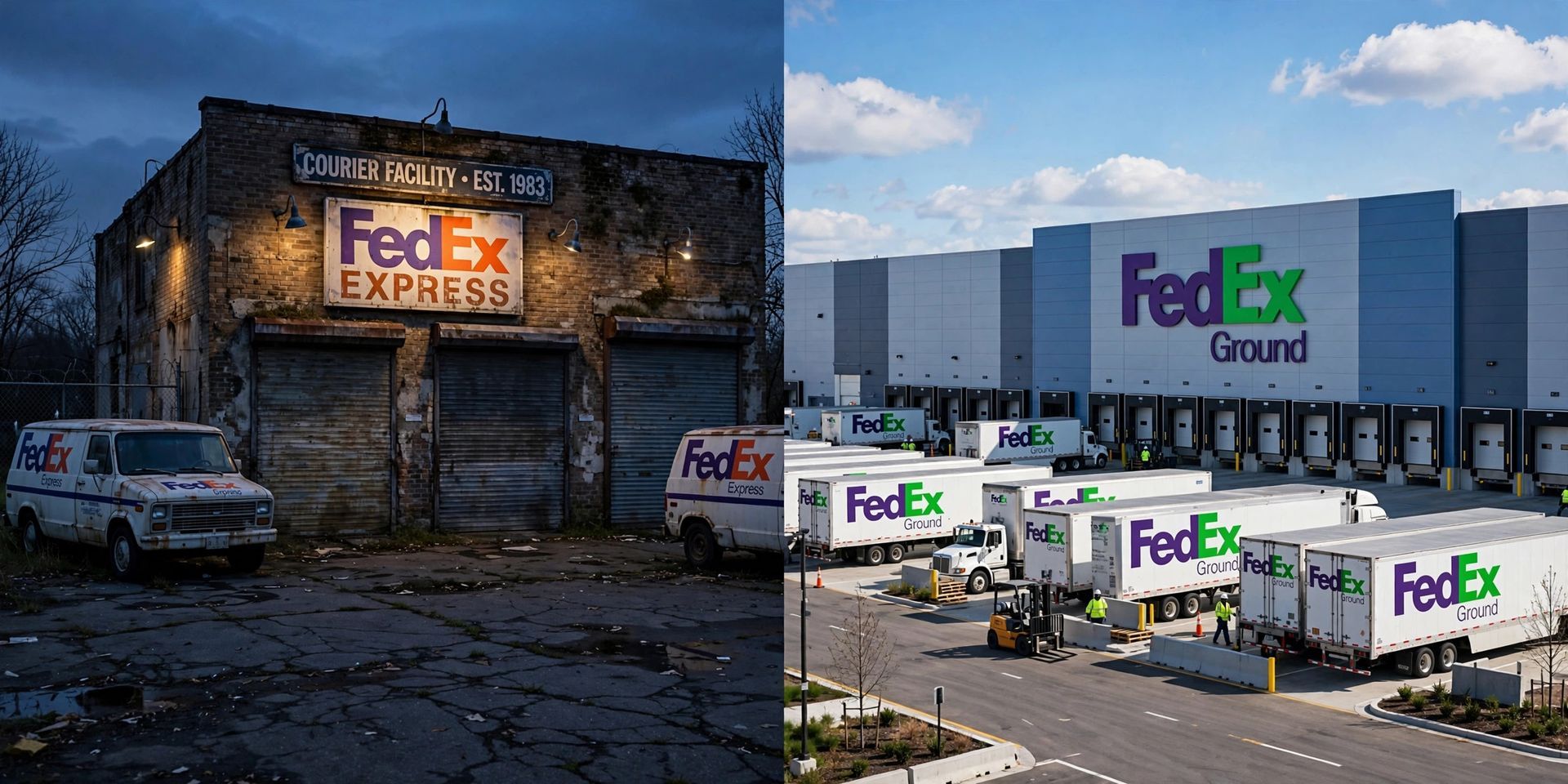
FedEx Is Closing 475 Locations. Here's What the Leases Say.


In late September, FedEx will shut down two Inland Empire locations in Victorville and Palm Springs and two more in metro St. Louis, Earth City and Maplewood. This is part of FedEx's Network 2.0 initiative, targeting $2 billion in annual savings. They will close more than 475 U.S. locations by the end of 2027, about 30% of their footprint, and have already shut down more than 200 as of February (Supply Chain Dive). Nearly 490 new "optimized" locations were already live in June, carrying 45% of eligible volume, headed to 65% before peak (Q4 call).

DealGround data highlights the exposure and paints a picture of what's changing...

August 2026 Retail and Dining Index: Retail Finds Bright Spots as Dining Slips Nationwide


Key Takeaways

  • Retail visits rose 0.3% YoY in August 2026 while dining fell 2.4%, partly because the start of the Labor Day weekend shifted into September.
  • Retail grew in the West and parts of the South but declined across most of the Midwest and Northeast, while dining fell in nearly every state.


A Cooler Close to Summer

After a July marked by retail growth and signs of improvement in dining, August brought a softer month for both. Retail visits saw just a slight year-over-year (YoY) uptick, while dining traffic slipped further...




By Marc Perlof • November 2, 2026
By Marc Perlof | @MarcRetailGuy CA #01489206 November 2, 2026 If you own retail real estate, here’s what just changed for you. One of the biggest risks to a retail property is not always one owner making a bad decision. It is multiple owners failing to make a decision at all. When family members, business partners, or other co-owners delay action, the cost can show up through lost income, higher expenses, missed opportunities, weaker financing, or a lower sale price. Retail properties are often owned by siblings, spouses, business partners, LLC members, family offices, trusts, or investment groups. Each owner may have a different financial goal, timeline, and tolerance for risk. Disagreement is normal. The larger problem is having no clear process for turning disagreement into a decision. Even if you own the property by yourself today, these same decisions often become the responsibility of a spouse, children, successor trustee, or other heirs in the future. A clear decision process today can help prevent confusion later. What Do Multiple Owners Commonly Miss? Many ownership groups assume waiting is the safest choice when they cannot agree. They delay a lease decision, postpone repairs, wait to refinance, or hold off on selling until everyone feels comfortable. That may reduce conflict in the moment, but it does not stop the property from changing. Leases move closer to expiration. Deferred maintenance grows. Financing terms and buyer demand can change. Waiting may feel neutral, but its financial effect rarely is. Good properties are often held back by poor decision processes, not poor real estate. The issue becomes harder when each owner defines success differently. One partner may want monthly income. Another may want to sell and reinvest. One sibling may want to keep the property because it has been in the family for decades, while another may need cash for retirement or other obligations. None of these goals are automatically wrong. The ownership group still needs to decide which goal should guide the property’s current strategy. Why Do Ownership Groups Delay Important Decisions? Experience does not remove emotion, fear, or personal pressure. An owner may understand leasing and property values but still resist a sale because the property belonged to a parent. Another may reject a reasonable lease because the proposed rent is below what the space achieved years earlier. Another common reason for delay is the belief that retail property values will continue increasing over time. Many properties have appreciated over long periods, but that does not automatically make waiting the best financial decision. While ownership waits, leases age, capital needs grow, financing changes, and buyer demand shifts. A property’s future value depends on much more than appreciation alone. The better question is not, “Will this property be worth more someday?” It is, “Will waiting create a better overall financial result than acting today?” Owners may also delay because they want to avoid regret. They worry that selling now could mean missing a higher price later, or that completing an improvement could waste money. That fear can cause repeated delays while income, expenses, tenant risk, and market conditions continue to change. The goal is not to make a perfect decision. It is to make the best available decision based on the property’s current income, condition, financing, leases, marketability, and ownership objectives. How Can Indecision Affect Property Value? Property value is tied closely to income, risk, and buyer confidence. If ownership delays a lease renewal, buyers may underwrite more vacancy risk. If repairs are postponed, buyers may reduce pricing for future capital costs. If owners cannot agree on a sale strategy, the property may remain exposed to tenant rollover, changing financing conditions, or new competition. Indecision can also weaken negotiations. A tenant may recognize that the owners are not aligned. A buyer may question whether the group can approve terms, respond to due diligence, or close on schedule. A lender may require clear authority before moving forward with refinancing. The cost may not appear as one large loss. It often shows up through additional vacancy, higher repair costs, reduced leverage, lost rent, or a weaker offer. Over time, those smaller consequences can materially reduce value. What Should the Ownership Group Decide First? The first decision is not whether to sell, refinance, lease, improve, or hold. It is agreeing on the ownership group’s primary objective. Is the priority current cash flow, long term appreciation, preserving the property for the next generation, reducing risk, or preparing for a sale within a defined period? Once that objective is clear, the group can compare each option using the same standard. A lease proposal can be measured by its effect on NOI, flexibility, and value. A capital improvement can be evaluated based on cost, expected rent, tenant demand, and sale impact. A sale can be reviewed based on net proceeds, taxes, timing, and reinvestment options. Without a shared objective, every discussion becomes a debate over personal preferences. With a shared objective, the group can focus on what best supports the investment. Real Deal Insight I recently advised a family that owned a retail property through multiple siblings. One wanted to sell, another wanted to continue collecting income, and another wanted to wait because they believed the property’s value would continue increasing. Before discussing pricing or marketing, I helped the ownership group compare the financial consequences of each option, including projected income, future capital needs, lease rollover, holding costs, and the risks of delay. Once everyone reviewed the same information, the discussion shifted from individual opinions to the property’s investment objectives. That allowed the group to make an informed decision based on facts instead of assumptions. Strategic Advice for Retail Property Owners If your property has multiple owners, start by defining the group’s main investment objective and expected holding period. Each owner should understand whether the current goal is income, growth, preservation, redevelopment, refinancing, or sale. Then decide how major property decisions will be reviewed. The group should know who gathers the information, who has authority, what requires a vote, and how long the group has to respond. Governance and legal issues should be reviewed with the appropriate attorney, CPA, or other licensed advisor. The goal is not more meetings. It is a process that allows the group to decide before delay limits the available options. Owner Self-Assessment If your ownership group had to decide today whether to renew a major tenant, complete a capital improvement, refinance, or sell, would every owner agree on the property’s main objective and how the decision should be made? Final Takeaway Multiple owners do not need to agree on everything, but they need a clear process for making decisions before delay reduces income, options, or value. In next week’s blog, “The Hidden Cost of Waiting: How Decision Delays Reduce Property Value,” I will explain how indecision can affect lease negotiations, repairs, financing, buyer interest, and property value. If your retail property has multiple owners, I can help your group compare the financial impact of holding, leasing, improving, refinancing, or selling before indecision limits the available choices. The quality of a retail property’s decisions often depends less on the property itself and more on the process the owners use to make those decisions. Is your ownership group protecting the property by waiting, or is waiting quietly becoming the most expensive decision? Based in Los Angeles. Serving Southern California. Active across California. Advising clients nationwide. #RetailRealEstate #CommercialRealEstate #RetailProperty #PropertyOwners #FamilyPartnership #BusinessPartners #FamilyOffice #InvestmentProperty #ShoppingCenters #MarcRetailGuy
By Marc Perlof • October 30, 2026
Tractor Supply Q3 sales rise 5.1%; to moderate new store openings Tractor Supply Company delivered third-quarter earnings and sales that beat analyst expectations and said it was gaining share against most categories and metrics even as its customers remain cautious. On the company’s earnings call, CEO Hal Lawton said that elevated interest rates and reduced housing mobility are weighing on property improvements and larger projects. Pet ownership headwinds, particularly new pet acquisition, continue to affect demand in certain categories...
By Marc Perlof • October 28, 2026
By Marc Perlof | @MarcRetailGuy CA #01489206 October 26, 2026 If you own retail real estate, here’s what just changed for you. A lease guaranty can become less useful if the tenant changes entities, the guaranty expires, or a later agreement releases a guarantor. That can affect your income security, refinancing options, and property value. The main owner decision is whether the guaranty still supports your planned hold, refinance, renewal, or sale. Why Should You Review a Lease Guarantee Every Few Years? Many owners review the lease when they buy the property and do not examine the guaranty again until there is a tenant problem or planned sale. During that time, the tenant may be acquired, reorganized, assigned to another entity, or operating under a guaranty that is capped, reduced, or approaching expiration. A review every few years can help you identify those issues while you still have time to respond. Annual Lease Guarantee Review Checklist 1. Confirm the Current Tenant and Every Guarantor Start with the exact legal name of the tenant currently responsible for the lease. Then identify every company or individual that signed a guaranty. Do not rely on the brand name displayed at the property. The company on the sign may not be the legal tenant or the entity supporting the rent. Confirm whether the guaranty comes from the national parent ompany, a subsidiary, an affiliate, a franchise operator, a location-specific LLC, an individual, or more than one guarantor. 2. Check What the Guaranty Covers and When It Ends A signed guaranty may not cover every lease obligation for the entire lease term. Determine whether it is full, capped, reduced over time, limited to certain lease years, or restricted to specific obligations. It may cover base rent but exclude additional rent, property expenses, repair obligations, or legal costs. Compare the guaranty term with the remaining lease term. Do not assume that a lease extension automatically extends the guaranty. 3. Review Later Documents and Ownership Changes The original lease and guaranty may have been changed by later documents. Review amendments, extensions, assignments, assumption agreements, landlord consents, estoppel certificates, ownership change notices, and any guarantor releases or replacements. A tenant may continue using the same brand while the legal tenant, ownership structure, or guarantor changes behind the scenes. When the relationship among the tenant, guarantor, parent company, and affiliates is unclear, request an organizational chart or entity structure. The chart can explain how the companies are connected, but the lease and guaranty documents still determine who is legally responsible. Qualified legal counsel should confirm unclear obligations. 4. Review the Guarantor’s Current Financial Support A guaranty is only as useful as the company or person behind it. Depending on your lease rights and the information available, review current financial information, rent payment history, operating locations, recent closures, ownership changes, and whether the guarantor still appears to own meaningful assets. The goal is not to complete a full credit analysis. It is to determine whether the support behind your rent is still consistent with what you believed when you bought the property or negotiated the lease. 5. Compare the Guaranty with Your Ownership Plan The value of a guaranty depends partly on what you plan to do with the property. If you expect to hold for several years, determine whether the guaranty lasts through your planned ownership period. If you think you are going to refinance, renew, or sell, consider whether the guaranty will still provide meaningful support at that time. You should also consider what happens if the tenant leaves. Contract rent, market rent, vacancy downtime, leasing commissions, tenant improvement costs, repairs, and replacement demand can all affect NOI, capital needs, and net sale proceeds. The central question is whether the guaranty, the underlying real estate, or both support your next major ownership decision. Owner Self Assessment Could you clearly explain who guarantees your largest tenant’s rent, what the guaranty covers, when it ends, and whether it still supports your ownership plan? Reviewing your lease guaranty every few years can help you identify income, financing, vacancy, and value risks before they limit your options. Contact me for the expanded Retail Lease Guarantee Review Checklist . It includes a more detailed document list, guarantor review questions, financial and ownership checks, vacancy and replacement cost considerations, and a one page owner summary you can use before a refinance, renewal, hold, or sale decision. Are you relying on a guaranty that will still provide meaningful support when you refinance, renew the lease, or sell the property? Based in Los Angeles. Serving Southern California. Active across California. Advising clients nationwide. #RetailRealEstate #CommercialRealEstate #RetailProperty #NetLease #LeaseGuarantee #CorporateGuarantee #TenantCredit #PropertyValue #RetailInvesting #InvestmentSales #MarcRetailGuy #MarcPerlof
More Posts