Weekly Perl: A Commercial Real Estate News Recap


Despite Trump, the US economy remains surprisingly resilient. But for how long?
Thanks to stockpiling, neither the markets nor consumers have been as badly affected by the trade wars as feared. But signs of trouble are looming chaotic and unpredictable, keeping up with Donald Trump’s volatile trade war – never mind his presidency – can be tough.
Back in April after his “Liberation Day” tariff announcement, the talk was of the president crashing the global economy...
Downtown Activist Group Vows to 'Dismantle' DTSM
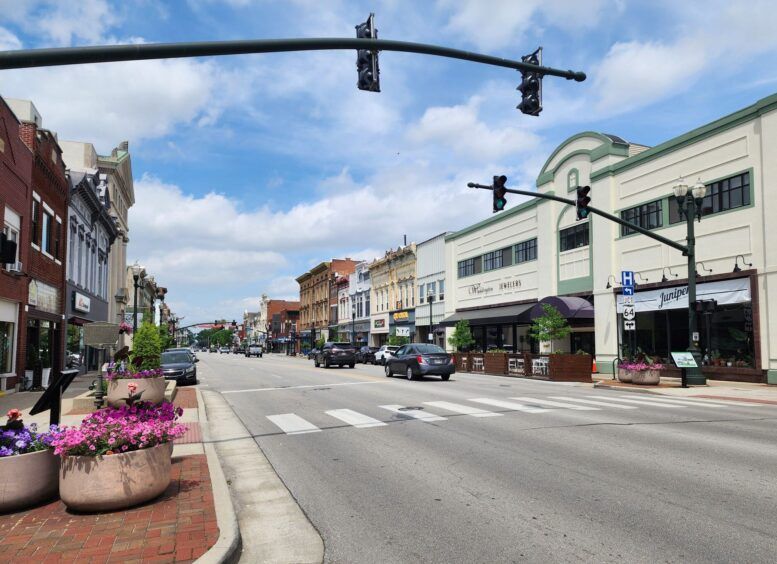
A group of Downtown property owners has vowed to fight back after the City Council Tuesday evening ousted the six Council-appointed members of the board that runs the central business district.
The Santa Monica Coalition, an activist group of property owners, is drumming up support to dismantle Downtown Santa Monica Inc. by dissolving the area's Property-Based Assessment District (PBAD), according to the group's leader, John Alle...

It’s Trump’s economy now. The latest financial numbers offer some warning signs
WASHINGTON (AP) — For all of President Donald Trump’s promises of an economic “golden age,” a spate of weak indicators this week told a potentially worrisome story as the impacts of his policies are coming into focus.
Job gains are dwindling. Inflation is ticking upward. Growth has slowed compared with last year...
Veterinary Real Estate Surges As Clinics Replace Retail Closures
Pets Replace People — And Drive Real Estate Demand
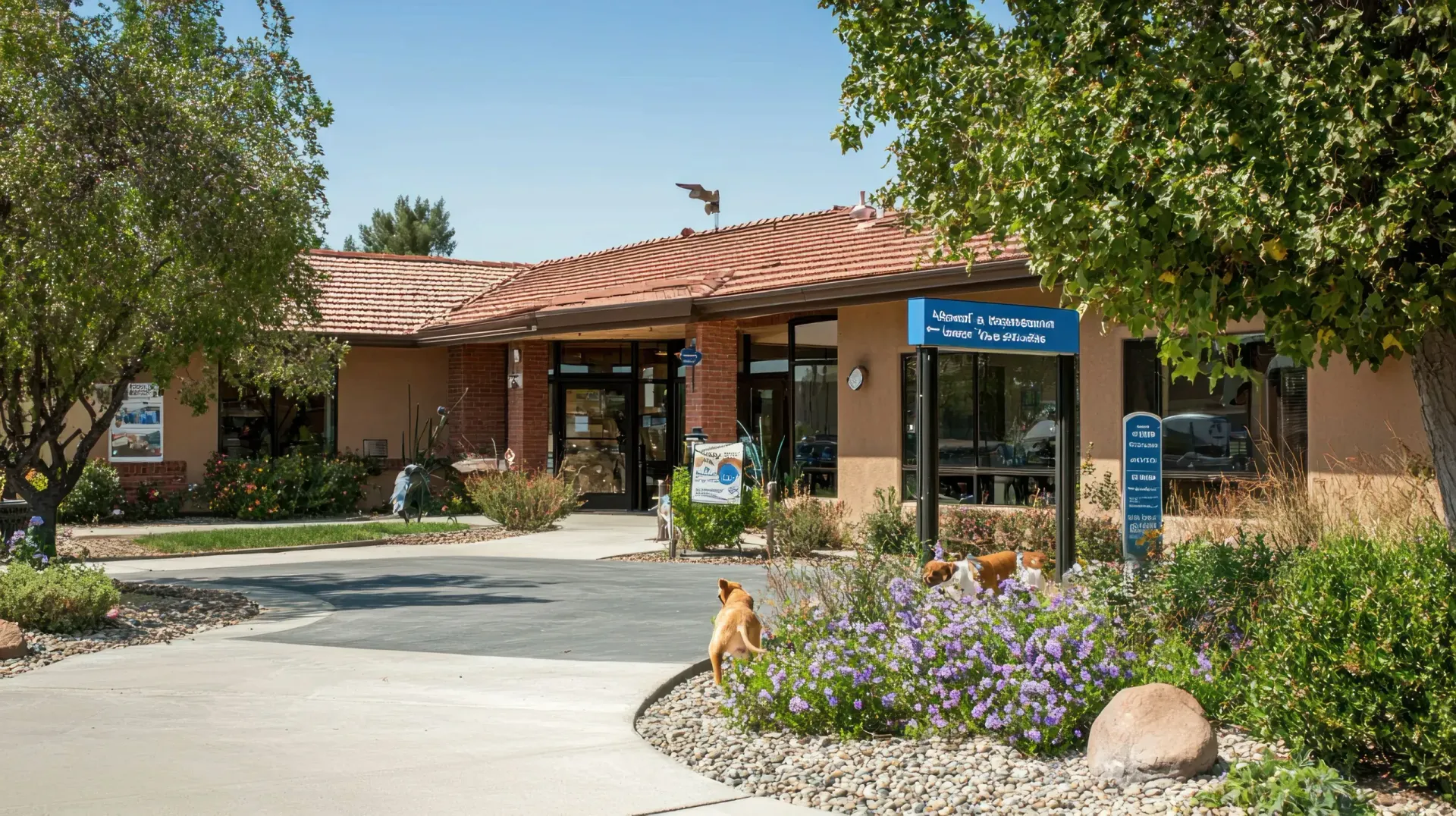
As traditional retail tenants exit suburban buildings and industrial parks, veterinary care providers are moving in. They’re no longer just converting homes into clinics, reports Bisnow. The newest wave of animal care centers resembles human hospitals, a reflection of evolving consumer expectations...
The 2025 QSR 50: Fast Food’s Leading Annual Report
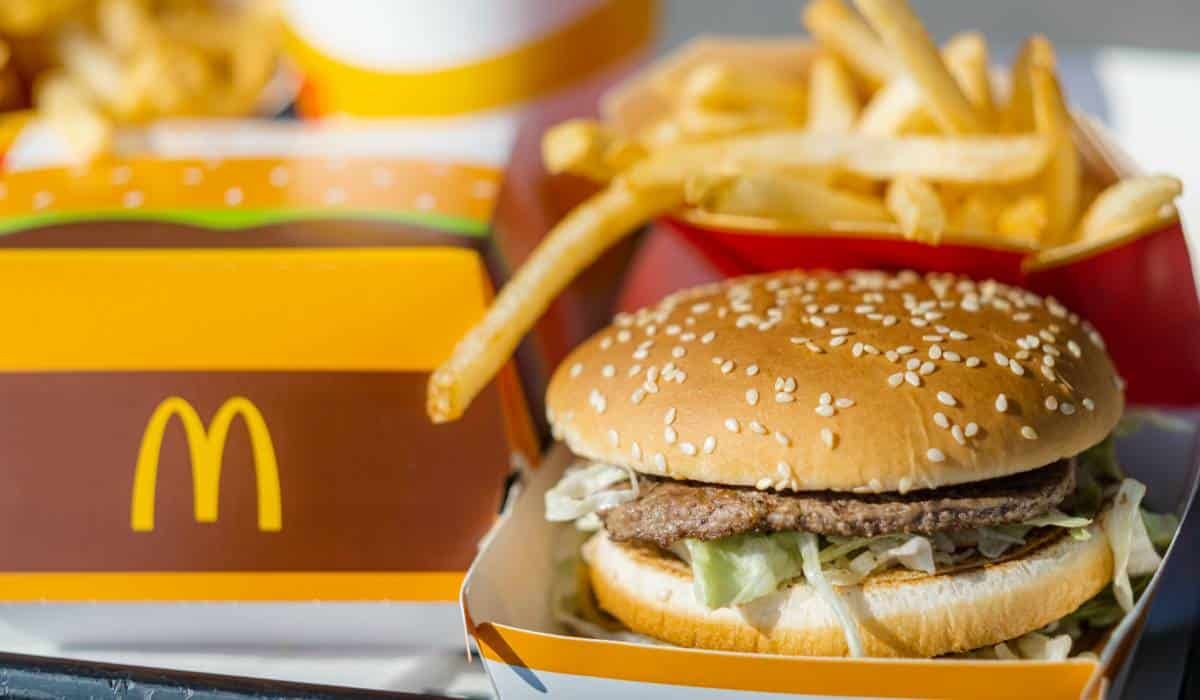
Each year, the QSR 50 provides a data-driven ranking of the largest quick-service restaurant chains in the U.S., offering insight into the strategies shaping the fast-food industry.
The latest edition reveals a sector defined by resilience, innovation, and shifting consumer expectations. Brands responded to macroeconomic pressures with renewed focus on value, using meal deals, digital promotions, and loyalty programs to retain price-sensitive guests...

Wayfair to bring large-format store concept to Denver
Wayfair Inc. continues to expand its biggest brand in brick-and-mortar.
The online home furnishings giant will open its next large-format retail location at The Shops at Northfield in Denver, in late 2026. Spanning two floors, the approximately 140,000-sq.-ft. store will showcase Wayfair's vast assortment, including "Verified" items, a program that spotlights the brand's “most-trusted” products...
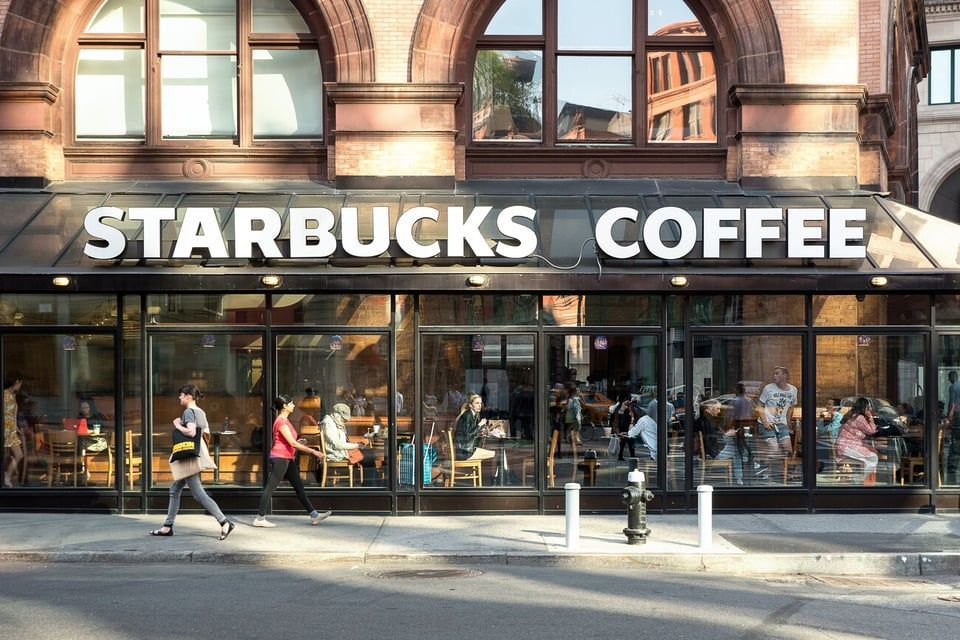
Starbucks pilots ‘coffee house of the future,’ to phase out pickup-only stores
Starbucks Corp. is investing in improving its brick-and-mortar experience as part of its turnaround strategy under CEO Brian Niccol.
The coffee giant plans to sunset its mobile order and pickup only concept in fiscal 2026, Niccol told analysts Tuesday on the company’s earnings call. The format was launched in New York City in 2019. It has since grown to approximately 90 locations nationwide...
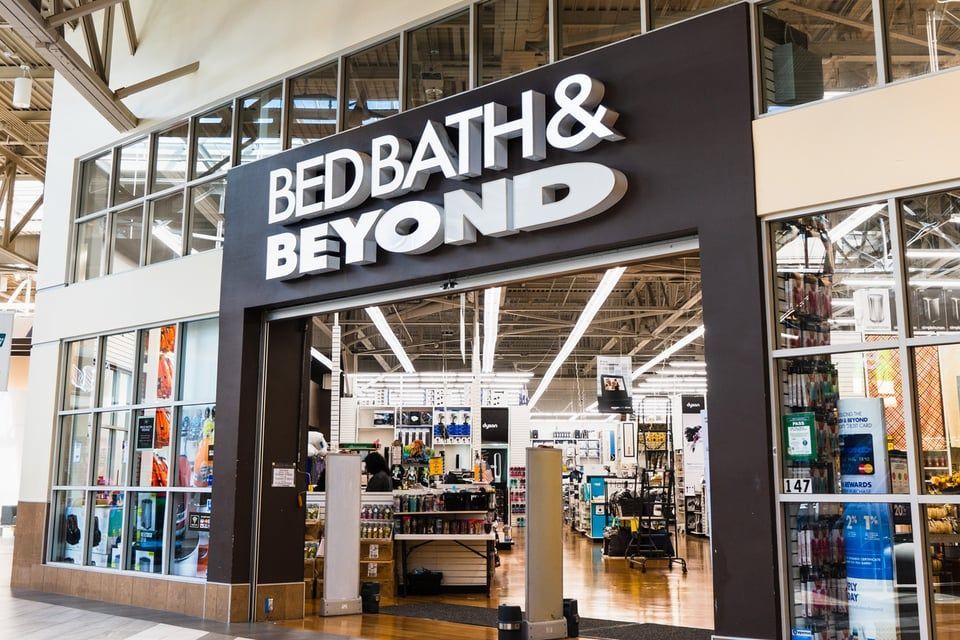
Bed Bath & Beyond Home reveals opening date, location; will accept old coupons
Bed Bath & Beyond is making its brick-and-mortar return with a new format and one of its most iconic features.
The Brand House Collective, formerly Kirkland's Inc., said that it will celebrate the grand opening of its first Bed Bath & Beyond Home location on Aug. 8, in Nashville. The store opening is the first for the company under its new name, The Brand House Collective, following its approval by shareholders at the annual meeting held on July 24...
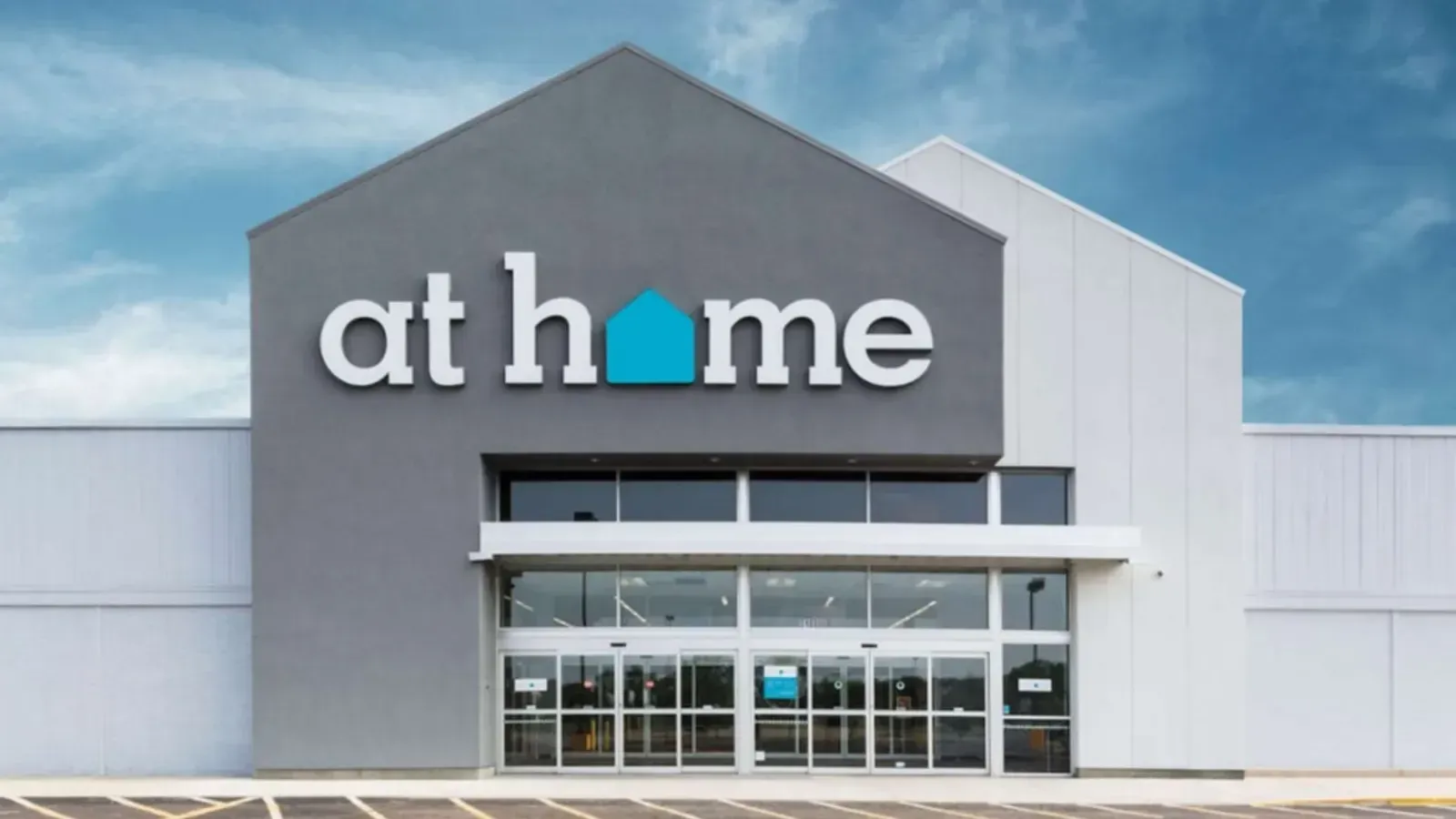
At Home store closures accelerate
The latest At Home brick-and-mortar closings add to the previously announced liquidations in June spanning 12 states. The home furniture and decor company operated about 260 stores across 40 states when it filed for bankruptcy.
For the latest closures, all sales are final on goods purchased on or after Friday. At Home gift cards, certificates, loyalty and credit card rewards will be accepted through Aug. 14 at the closing stores...

Store Expansion News: July update
Retailers and restaurants alike made headlines in July with store expansions and new formats.
Here are the major stories as reported by Chain Store Age, starting with the most recent.
- Wayfair to bring large-format store concept to Denver The online home furnishings giant will open its next large-format retail location at The Shops at Northfield in Denver, in late 2026...
7-Eleven to open 1,300 stores in North America
Seven & i Holdings Co. Ltd. has launched what it calls the “transformation of 7-Eleven,” and it includes investments in stores and expansion.
The Japanese retail giant is embarking on the strategy following the failed takeover attempt by Canadian retailer Alimentation Couche-Tard Inc. In July, Couche-Tard, whose banners include Circle K, withdrew its $46 billion proposal to acquire Seven & i Holdings Co., citing a “lack of constructive engagement” by the Japanese company...
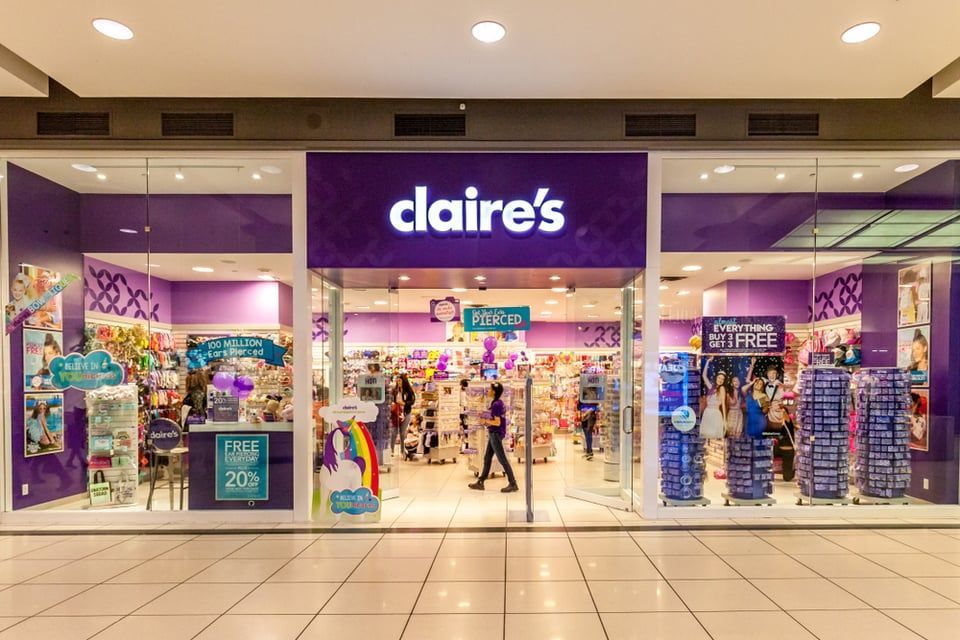
Claire’s files for bankruptcy; closing 18 stores — here's where
Claire’s Holdings has filed for bankruptcy protection for the second time in seven years.
The mall-based tween and teen accessories retailer, which operates stores under the Claire’s and Icing banners, said it filed for Chapter 11 protection “to maximize the value of its business.” The company also plans to start insolvency proceedings in Canada that would allow it to restructure...