Weekly Perl: A Commercial Real Estate News Recap

Marc Perlof • February 23, 2024
A banner for weekly commercial real estate news recap
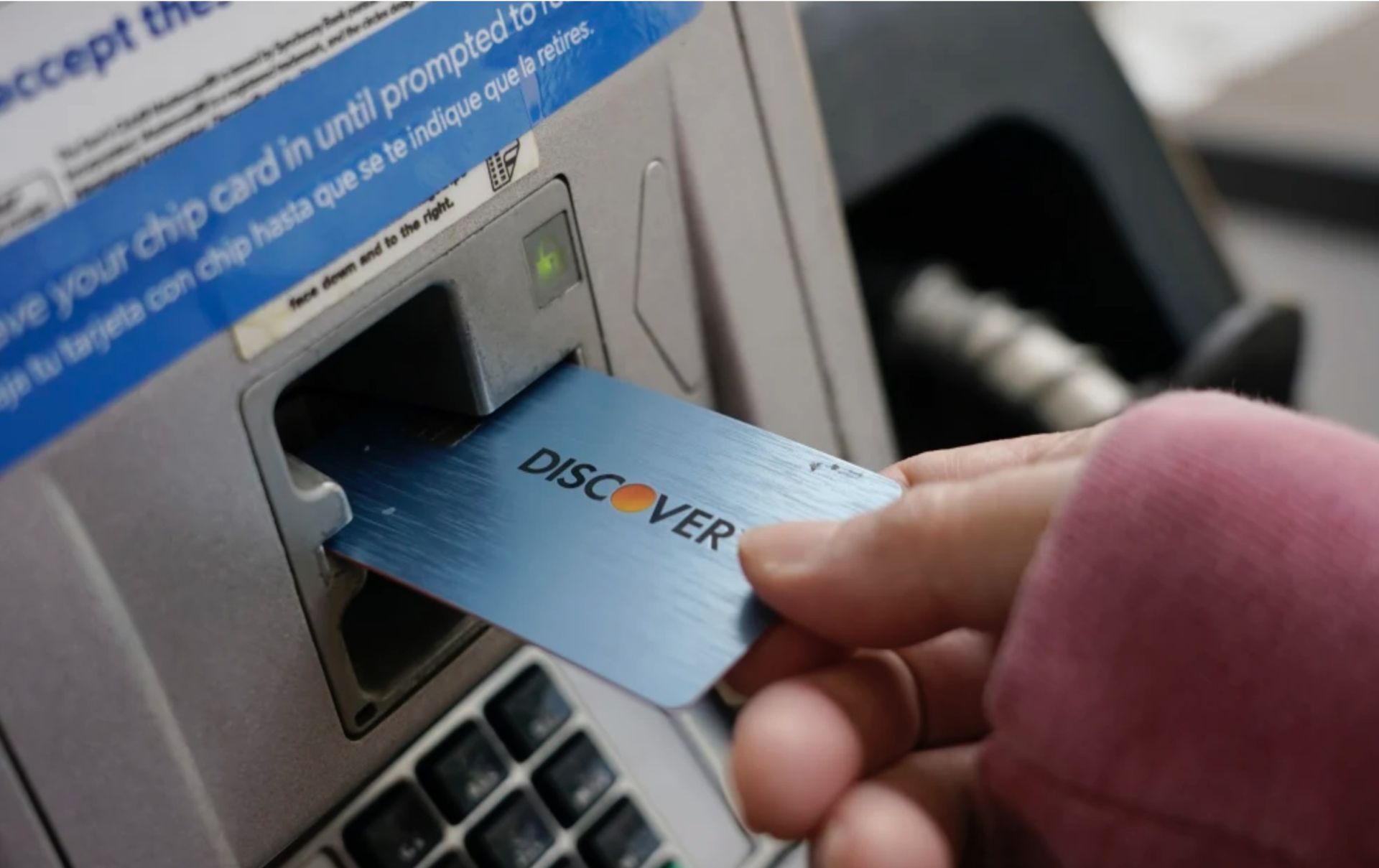
A person is inserting a discover card into an atm machine

Capital One-Discover merger could put a bigger squeeze on credit card users, experts warn


Capital One’s $35.3 billion deal to buy Discover is a long way from being completed. But consumer advocates and some lawmakers are already raising questions about how the proposed merger could affect credit-card users — many of whom are already under pressure from high interest rates and record debts. 
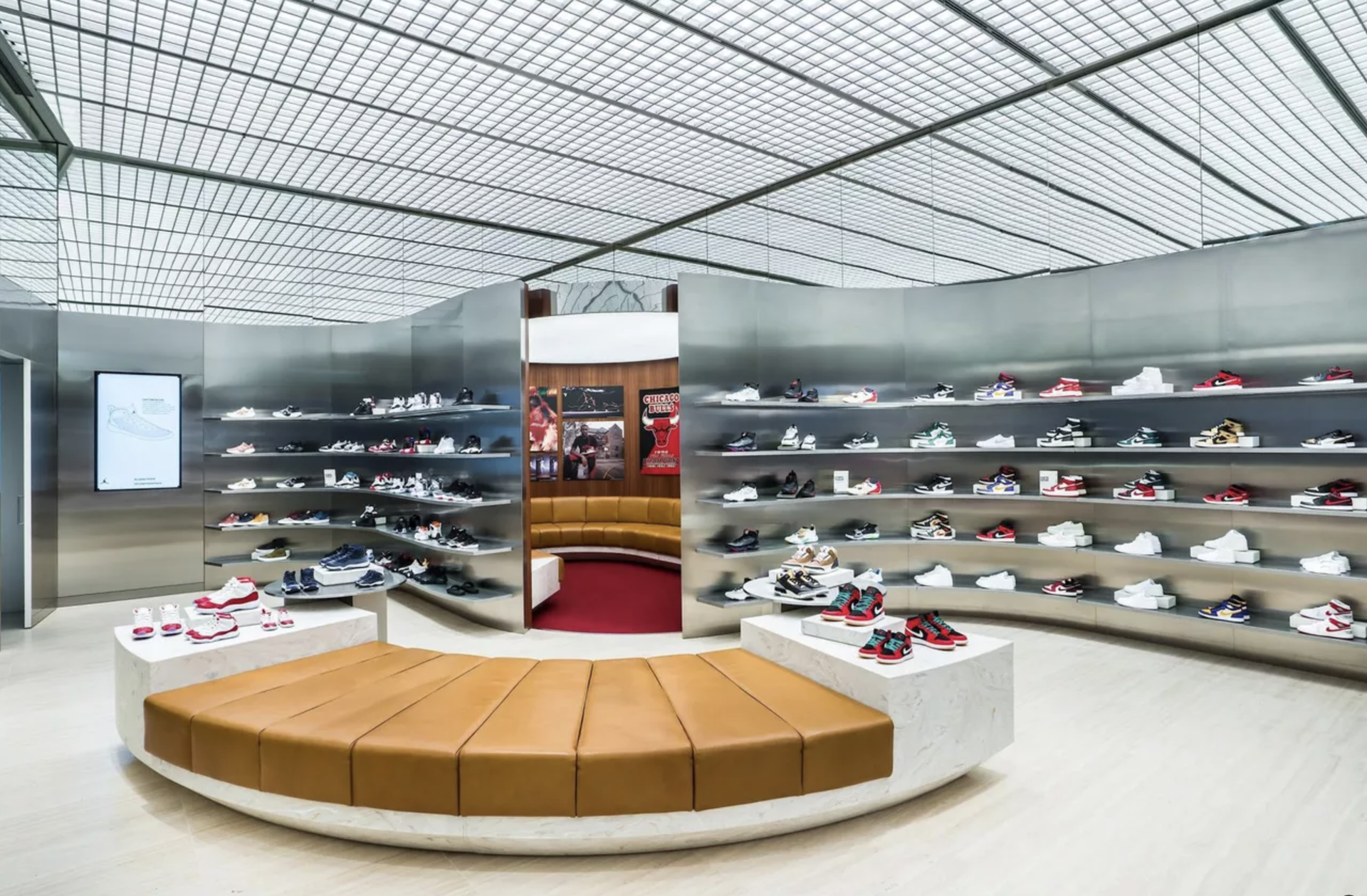
A shoe store with a round bench in the middle of the room.

Philly Could Snag First Michael Jordan-Branded World Of Flight Store In The U.S.


Nike has targeted Philadelphia as the first known U.S. market for a retail concept store dedicated to its Michael Jordan brand.The activewear giant is eyeing 1617 Walnut St. as the site of a Jordan World of Flight, the Philadelphia Business Journal first reported. The report was backed up by city records indicatingMBH Architects had applied for final permission to change signage and the facade of the building to make way for the retail venture. 
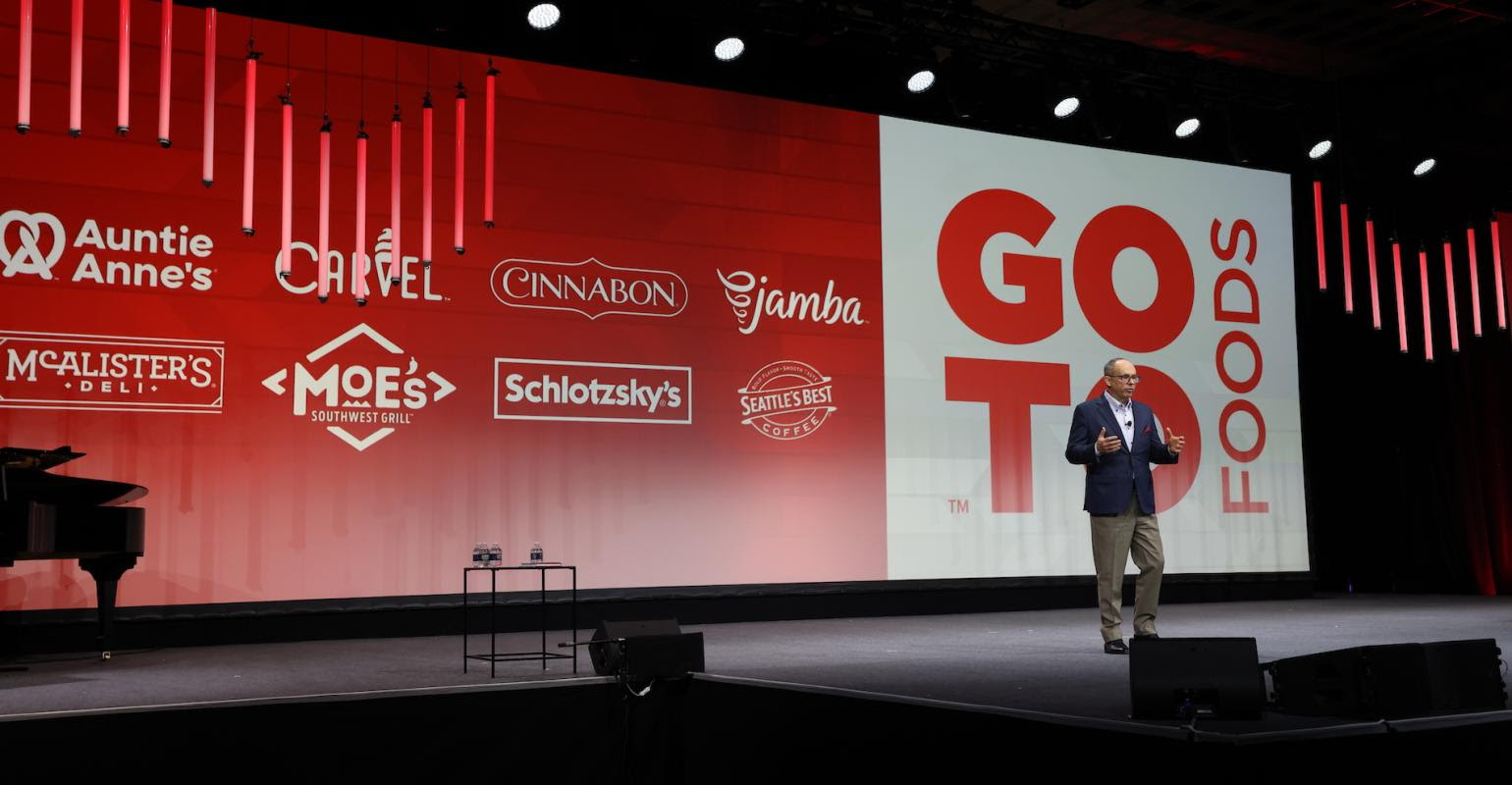
A man is standing on a stage in front of a large screen that says go to foods.

Auntie Anne’s and Cinnabon parent company Focus Brands rebrands to GoTo Foods


Auntie Anne’s, Cinnabon, and Jamba parent company Focus Brands announced Tuesday morning the company’s rebranding to GoTo Foods. GoTo Foods’ new name and identity represents its “continued transformation into a platform company,” and will also be the start of a new era of growth and change for the Atlanta-based foodservice company. 
A mcdonald 's sign against a blue sky with clouds

Fast-Food Franchising Stands Up to Economic Headwinds


It’s been a common theme in recent years for franchising to prove resilient during whatever rocky backdrop was in order. Last year, the International Franchise Association’s annual Economic Outlook report revealed job and unit growth outpacing 2019 levels. And of the myriad franchising fields, quick-service restaurants, along with “service-based industries,” projected as the highest-growth vehicles going forward.
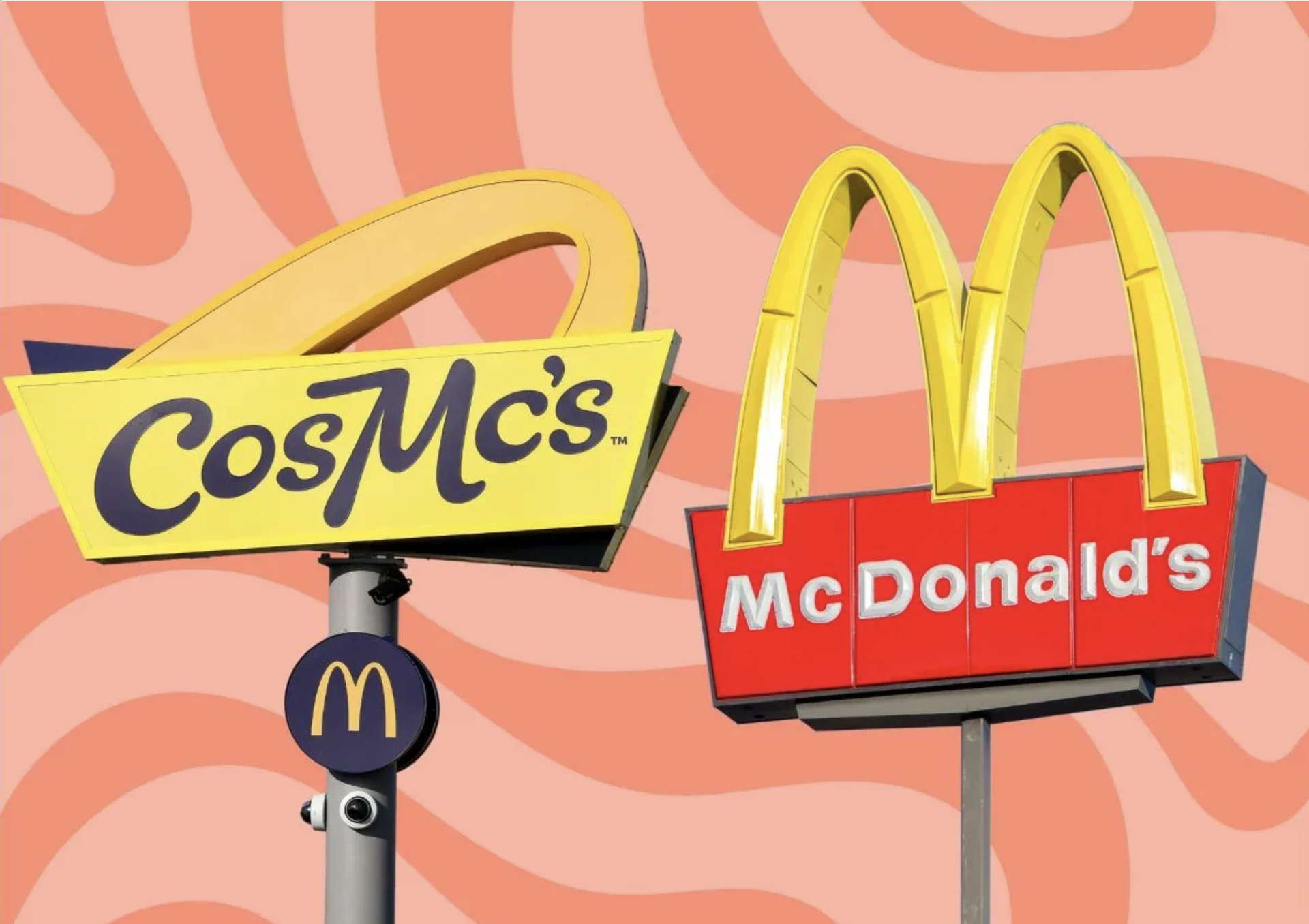
A mcdonald 's sign next to a cosmos sign

McDonald's vs CosMc's: 5 Major Differences


If you've been at all tuned in to the world of fast food in the past six months, you've probably heard lots of talk about a chain called CosMc's. This brand-new spinoff concept was created by one of the world's preeminent fast-food chains: McDonald's. So, as you can probably imagine, the buzz around CosMc's has been pretty wild.
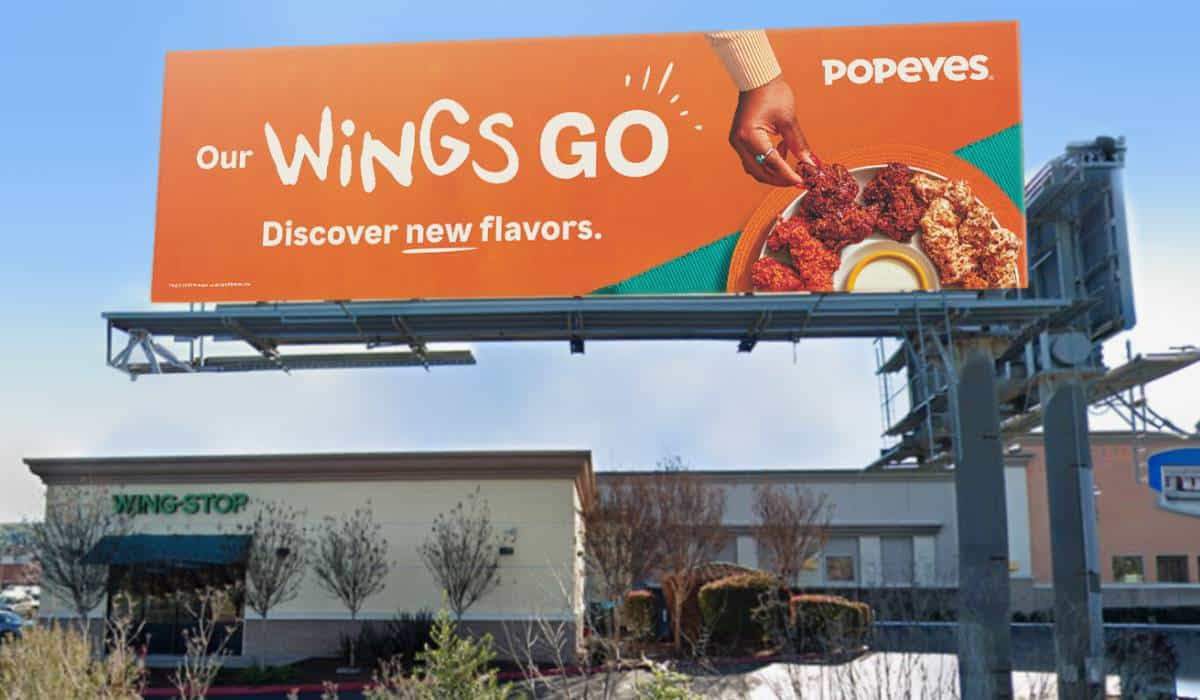
A billboard for popeye 's wings go is above a building

Popeyes Sets Sights on 800 New Locations, and a Lot More Wings


Restaurant Brands International last Thursday became the latest group to outline a massive growth agenda. In this case, the Burger King, Popeyes, Firehouse Subs, and Tim Hortons owner shared it would reach 40,000 restaurants, $60 billion in systemwide sales, and $3.2 billion in adjusted operating income by 2028. That suggests average annual same-store sales growth of 3 percent-plus, over 5 percent net unit growth, and systemwide sales expansion north of 8 percent.
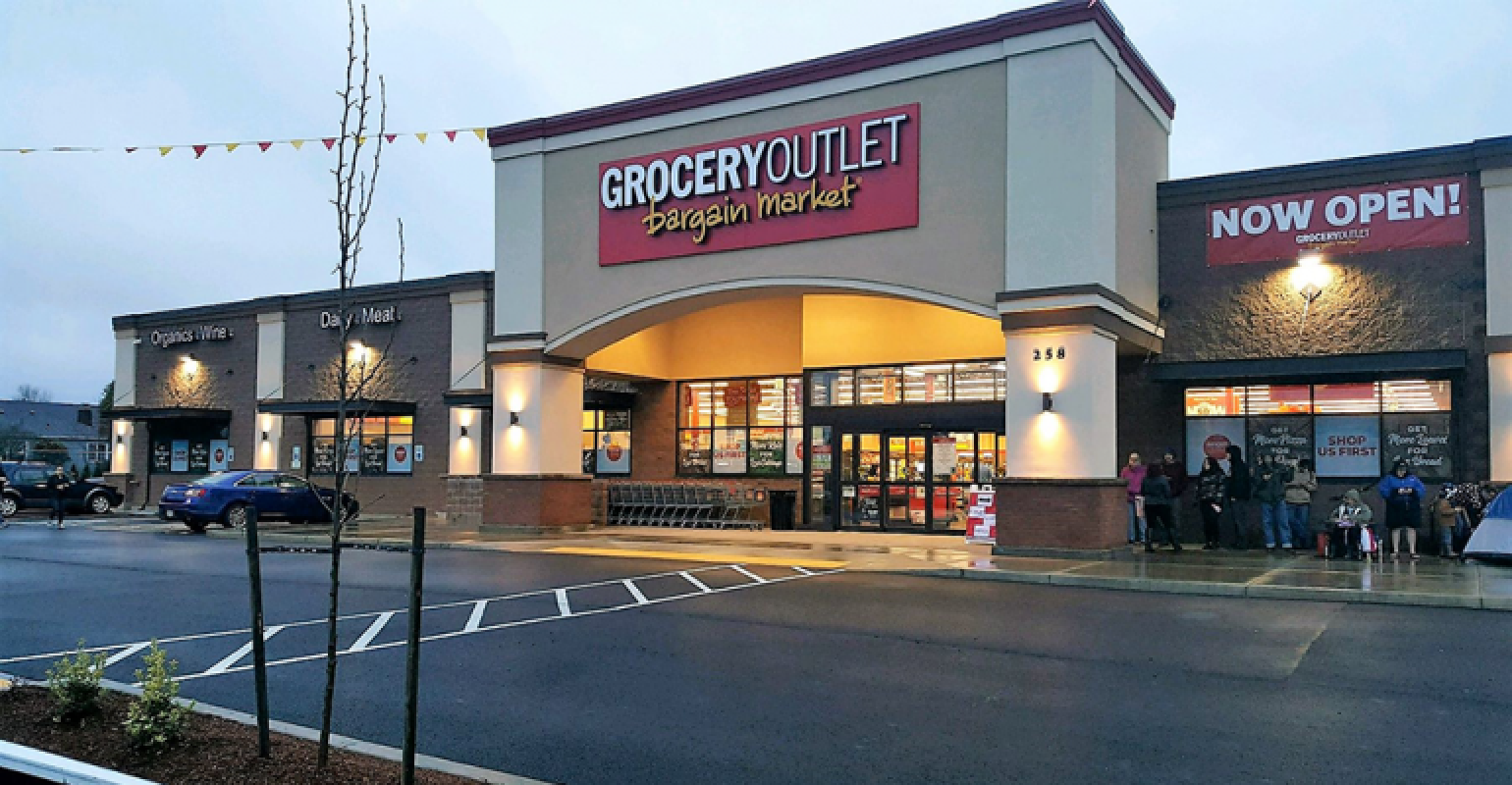
A grocery outlet store is now open in the rain.

Grocery Outlet Holding to buy United Grocery Outlet


Grocery Outlet Holding Corp. is acquiring United Grocery Outlet, a discount grocer operating in the Southeastern United States, the company reported on Friday. United Grocery Outlet’s 40 stores and distribution center will enable the grocer to expand into Tennessee, North Carolina, Georgia, Alabama, Kentucky, and Virginia.
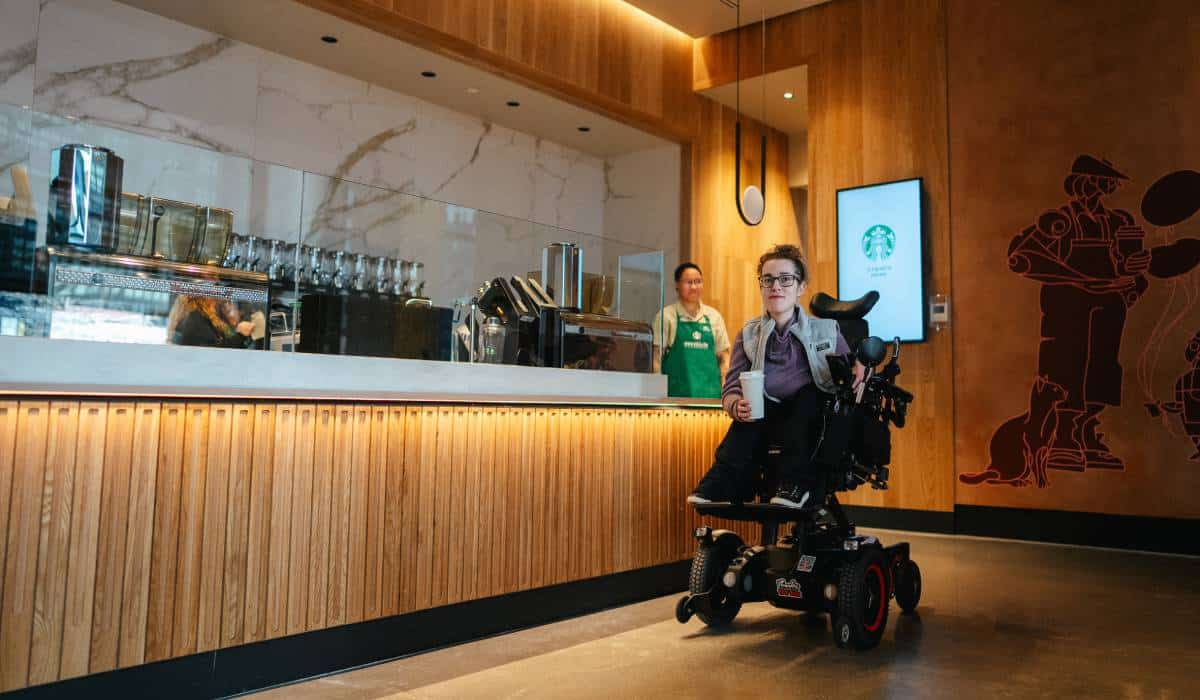
A man in a wheelchair is standing in front of a counter in a restaurant.

Starbucks Creates New Store Design to Aid Guests and Workers with Disabilities


Starbucks on Friday announced new store design standards that provide better access to employees and customers with disabilities. Called the Inclusive Spaces Framework, the guidelines will become the norm for all new and renovated U.S. stores. “At Starbucks, we have challenged ourselves to imagine what’s possible when we take a closer look at the many ways our partners and customers interact with us and experience our stores every day,” Katie Young, senior vice president of store operations, said in a statement. “Building and scaling an Inclusive Store Framework is central to our mission of connection and will lead to greater access for all.” 
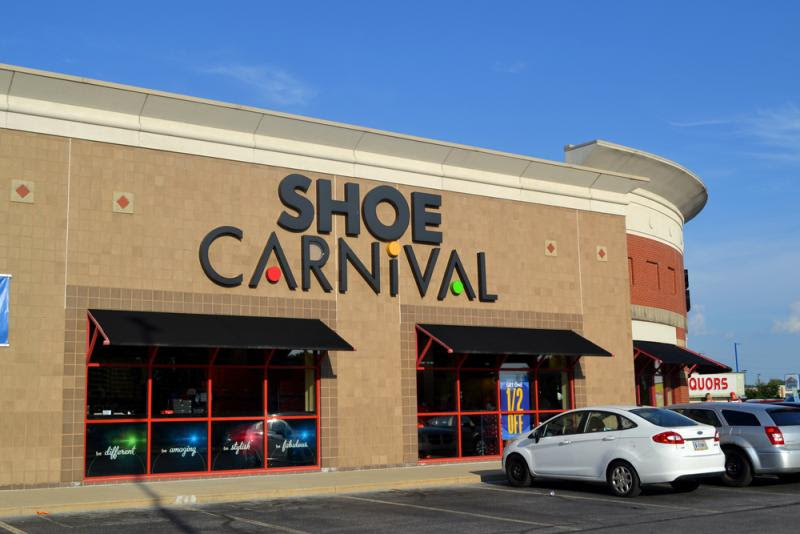
A shoe carnival store with cars parked in front of it

Shoe Carnival acquires Midwestern shoe retailer


Shoe Carnival has acquired a Midwest footwear chain, expanding its store presence. The footwear retailer has acquired Rogan Shoes, a work and family footwear company with 28 locations in Wisconsin, Minnesota and Illinois. The purchase price was put at $45 million, subject to further adjustments, with the transaction funded entirely with cash on hand. 
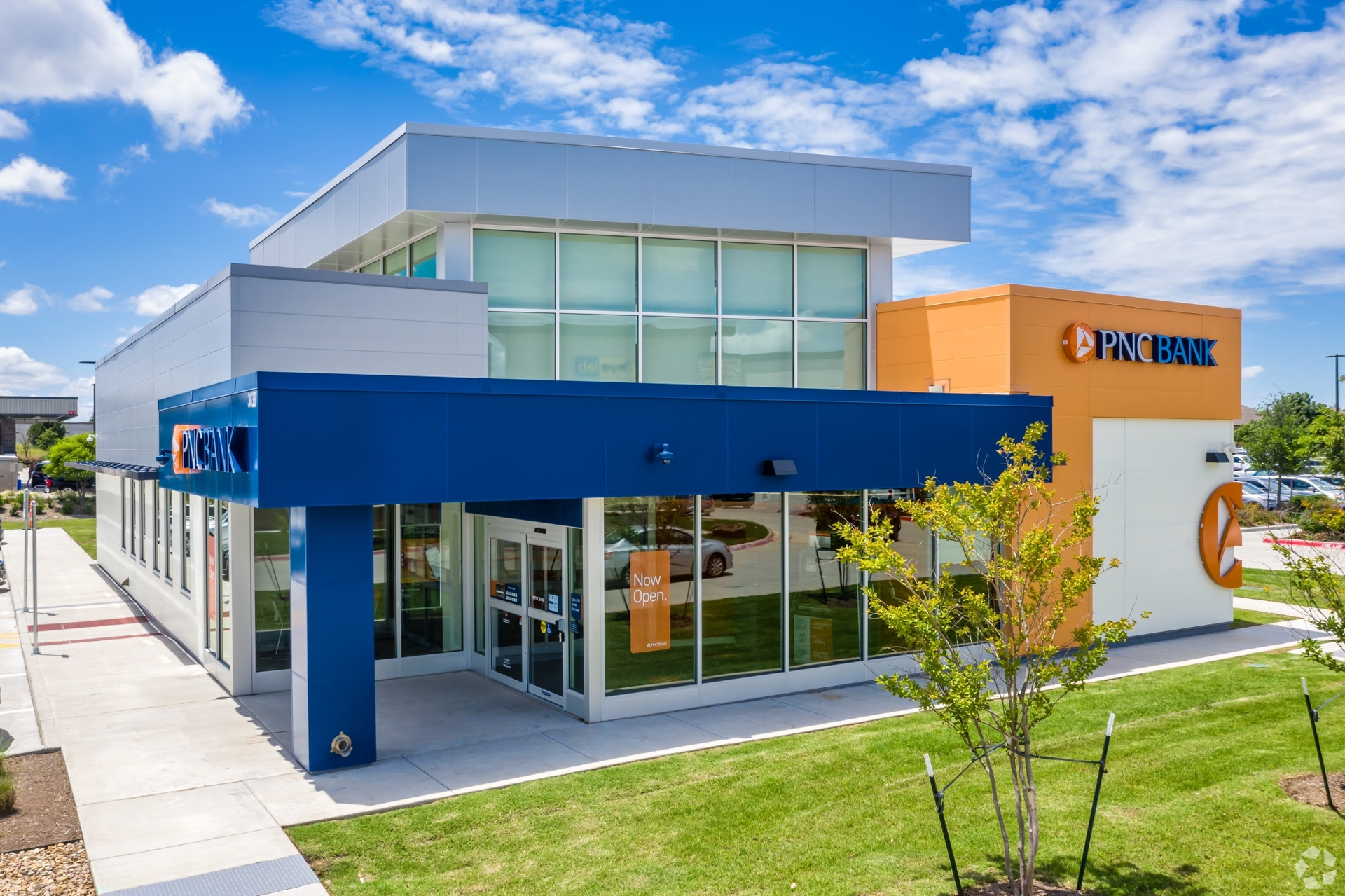
An aerial view of a bank building with a lot of windows.

PNC Bank To Invest $1 Billion To Expand, Revamp US Retail Network


PNC Bank plans to open more than 100 retail banking centers, primarily in the nation's Sun Belt, as well as renovate more than 1,200 existing locations in its national real estate portfolio through 2028.The proposed expansion by the Pittsburgh-based bank, expected to cost about $1 billion, comes as other banks have exited some of its less desirable retail branches throughout the United States.


By Marc Perlof February 2, 2026
Retail Real Estate 2026: Why Some Properties Stay Strong While Others Struggle By Marc Perlof | MarcRetailGuy February 2, 2026 If you own retail real estate, here is what just changed. Retail real estate in 2026 is no longer one market. It has split into clear winners and clear losers. Owners who understand this are protecting value. Owners who do not are feeling pressure. The biggest change is how people spend money when things feel uncertain. Interest rates are higher. Costs are up. Households are more careful. That shift shows up first at the property level. Some retail feels stress faster than others. Lifestyle centers, nightlife areas, entertainment districts, and tourist retail depend on optional spending. When people cut back, visits drop. Sales slow. Tenants push back on rent. Vacancies last longer. This is not a crash. It is a pressure issue tied to spending people can delay. Other retail performs differently. Grocery anchored centers, pharmacies, medical and dental, quick-service food, auto service, and personal care are built around daily habits. People cut wants before needs. That makes income steadier and easier to support in a cautious market. Recent retail market reports show this split clearly. National retail vacancy stayed fairly stable through late 2025, mostly in the mid-5 percent to high-6 percent range, with necessity-based centers performing better than discretionary locations¹. Leasing slowed in 2025, with longer decision times and more rent pushback, especially from non-essential tenants². Buyers are still active, but they are more careful. They now focus on tenant quality, lease length, and operating costs more than rent growth³. What retail owners should focus on right now • Daily-needs tenants reduce risk. Properties with grocery, medical, pharmacy, and quick-service food see more stable rent and fewer concession requests. That helps protect sale price and lender support in slower markets¹. • Grocery-anchored centers sell faster. Buyers still want these assets because traffic is predictable and costs are easier to pass through. These deals tend to fall apart less often³. • Discretionary retail carries pricing risk. Properties tied to optional spending face longer vacancies, rent resistance at renewal, and wider gaps between buyer and seller pricing. Waiting too long to adjust can hurt value, not just cash flow². One thing is becoming clear in early 2026. The market is not pricing retail as one category anymore. It is pricing risk. Two properties with the same income can be worth very different amounts based on tenant mix, lease terms, and rising expenses. Owners who understand this protect equity. Others only see the gap after a buyer or lender points it out. The takeaway is simple. Retail real estate in 2026 is about quality, not hype. Stable income matters. Lease terms matter. Tenant mix matters. Insurance and operating costs matter. Owners who match strategy to how their tenants actually perform stay in control. Owners who rely on old assumptions end up reacting. If you want a clear, property-specific review of how buyers and lenders would view your retail asset today, I can prepare a short market positioning summary. No templates. No guesses. Just how your property would really trade in this market. Ask yourself this. Is your property built around spending people can delay, or spending they rely on every week? #RetailRealEstate2026 #RetailMarketOutlook #EssentialServicesRetail #GroceryAnchoredRetailCenters #DiscretionaryRetailProperties
By Marc Perlof January 30, 2026
Smoothie King plots 90-plus new openings for 2026 The world’s largest smoothie franchise isn’t planning on slowing down its growth after a strong 2025.  Smoothie King says it plans to open more than 90 new store openings in 2026, in addition to launching a targeted franchisee incentive program spanning several key states, including Arizona, Illinois, Massachusetts, Michigan, Pennsylvania, Virginia and more. Through the program, Smoothie King says it is offering financial incentives to “growth-minded franchisees,” designed to accelerate brand awareness and density in these markets...
By Marc Perlof January 26, 2026
By Marc Perlof | MarcRetailGuy January 26, 2026 If you own retail real estate, here’s what just changed for you. 2026 is shaping up to be a year where retail property owners need to pay attention. Not to fear. Not to headlines. To real signals in the market. There is more global and domestic uncertainty right now. Conflicts overseas, trade tension, higher government debt, and political changes in the U.S. all affect interest rates, insurance markets, and investor behavior. This does not mean panic. It means owners need clear, reliable information. Here is where the retail market stands today. Local retail remained steady through late 2025. In Los Angeles County, vacancy ranged from about 5.6 to 6.9 percent in the second half of the year¹²³. That tells us demand is still healthy, even as some tenants adjust space needs or renew leases at new rent levels. Leasing activity slowed in some areas. Spaces are taking longer to fill, and asking rents softened slightly as owners and tenants reset pricing². This is a normal market adjustment, not a collapse. On the investment side, commercial real estate transactions increased nationally through mid 2025. Both the number of deals and total dollar volume rose, showing capital is still moving⁵. Buyers are active when pricing reflects today’s risks and returns. This is exactly what I am seeing in live pricing discussions and negotiations right now. Insurance remains one of the biggest issues for retail owners. Property insurance markets became more stable in 2025, and rate increases slowed in some areas. However, insurers are still selective. Coverage terms matter more than ever, especially for properties exposed to wildfire or coastal risk⁴. Insurance costs directly affect net income, lease negotiations, and buyer interest. Retail Outlook for Q1 and Q2 2026 In early 2026, the retail market is likely to stay steady but measured. Vacancy is expected to remain near current levels. Leasing will be deliberate, not rushed. Rents should hold close to where they ended in 2025 as owners and tenants continue to agree on realistic pricing. Capital will remain active for properties with solid income, strong tenant credit, and durable lease terms. Buyers are selective, but they are still moving forward when risk and return are properly aligned. Insurance markets will stay selective in the first half of 2026. Owners need to plan renewals carefully and understand how insurance affects operating costs, tenant negotiations, and future sale value. Here is a simple retail risk check for 2026: • Local vacancy around 6 percent, stable but uneven by location¹ • Leasing takes longer than peak years, making pricing discipline critical² • Capital remains active, but underwriting is conservative⁵ • Insurance coverage is improving in some areas, but terms still matter⁴ Not all retail performs the same. Discretionary-driven destinations like lifestyle centers, nightlife districts, and tourist-focused shopping streets feel more pressure when consumer spending slows. Retail that serves daily needs and essential services tends to perform better during uncertain cycles. The best strategy now is disciplined and data-driven. Focus on tenant credit strength. Protect lease term and income stability. Price based on real market data. Understand insurance risk clearly. This is how value is protected in changing markets. I help retail property owners position assets based on real tenant behavior and real buyer demand. Not headlines. Call or DM me if you want a clear view of how your retail property should be positioned for 2026. How will you adjust your leasing or investment strategy this year based on what the market is actually telling us? #RetailRealEstate #LosAngelesCRE #CommercialRealEstateOutlook #RetailInvestment #CRE2026 #MarcRetailGuy
More Posts