Weekly Perl: A Commercial Real Estate News Recap

Marc Perlof • March 20, 2026
A banner for weekly commercial real estate news recap
A car is parked in front of a sign that says 223

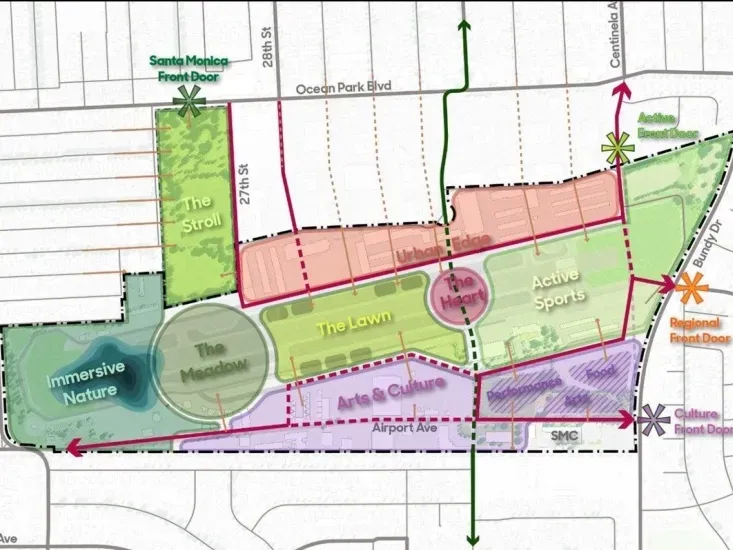
Santa Monica Airport Conversion Project Unveiled By City

SANTA MONICA, CA — Following a nearly two-year public engagement process, the city has released a 
draft Framework Diagram for the Santa Monica Airport Conversion Project.


"The Framework Diagram brings many ideas together to find common ground about what should go where and what types of uses belong in different areas of the site," the City of Santa Monica explained in a March 11 news release....
The front of an aldi store with a sign in front of it.

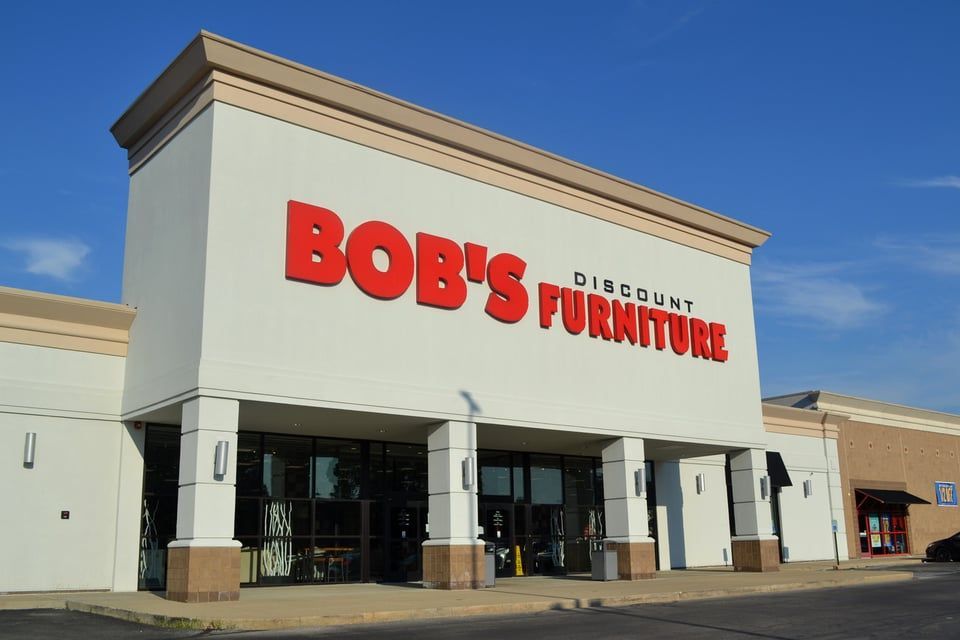
Bob's Discount Furniture targets 500-plus stores by 2035

Bob’s Discount Furniture Inc. reported a strong fourth quarter as it continued to maintain momentum in a struggling retail sector. 

In its first earnings call since going public via an IPO in February, the furniture retailer reiterated its ambitious growth plans. President and CEO Bill Barton told analysts that the company has strong pipeline visibility, with plans to open approximately 20 new stores in 2026...

Family Dollar to pilot new store format; gives 2026 outlook

Family Dollar is thinking smaller.

The extreme discounter said it is advancing new store growth initiatives, including the development of an extra small box store format designed to expand its presence in dense urban markets. Family Dollar expects to pilot the new format in 2026, with the goal of supporting unit growth beginning in 2027 and beyond...
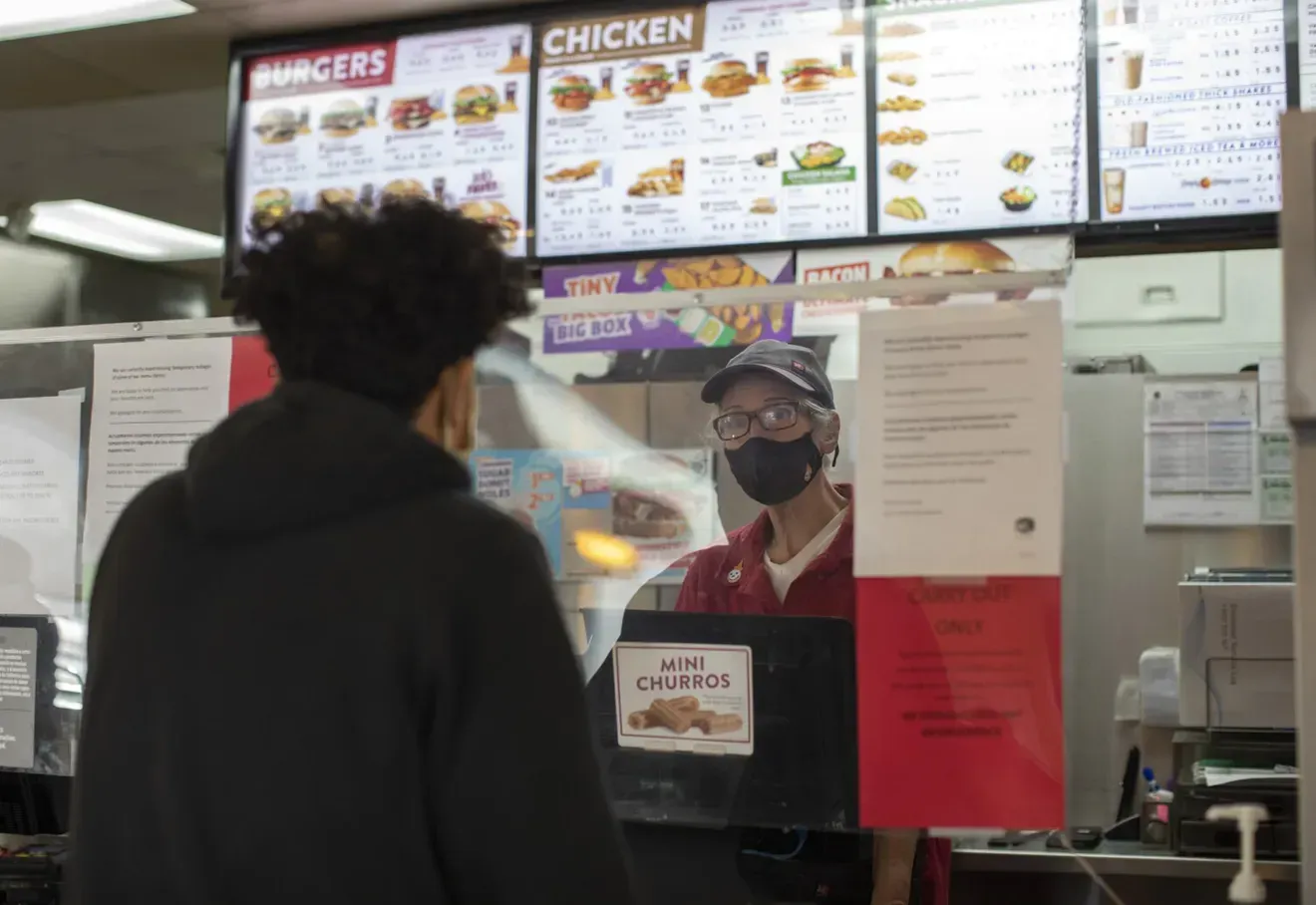
Michigan will get its first new Jack in the Box this spring

The Battle Creek Jack in the Box is the first of several stores planned for Michigan. In November 2024, the company announced it would open five Metro Detroit locations, following a previously announced five-store plan for the west side of the state...
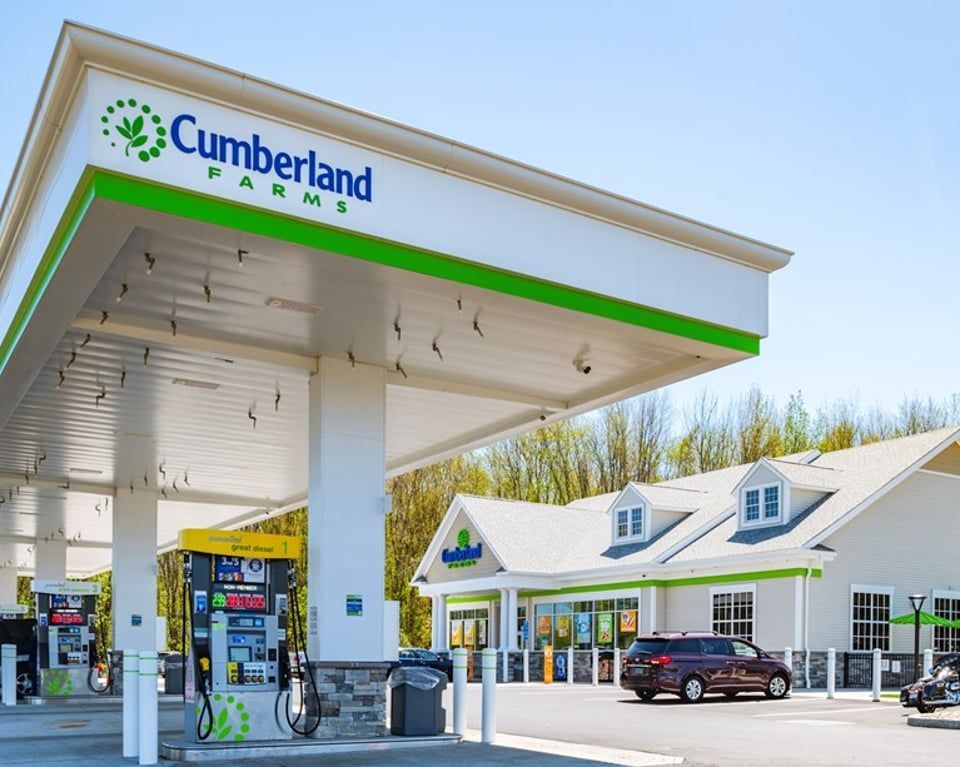
Cumberland Farms to acquire 54-store Coen Markets

Cumberland Farms is expanding its store footprint by acquiring a rival.

The convenience-store chain has agreed to acquire Pennsylvania-based Coen Markets, which operates 54 stores spanning Western Pennsylvania, Eastern Ohio, and Northern West Virginia. The deal also includes three sites currently under development...
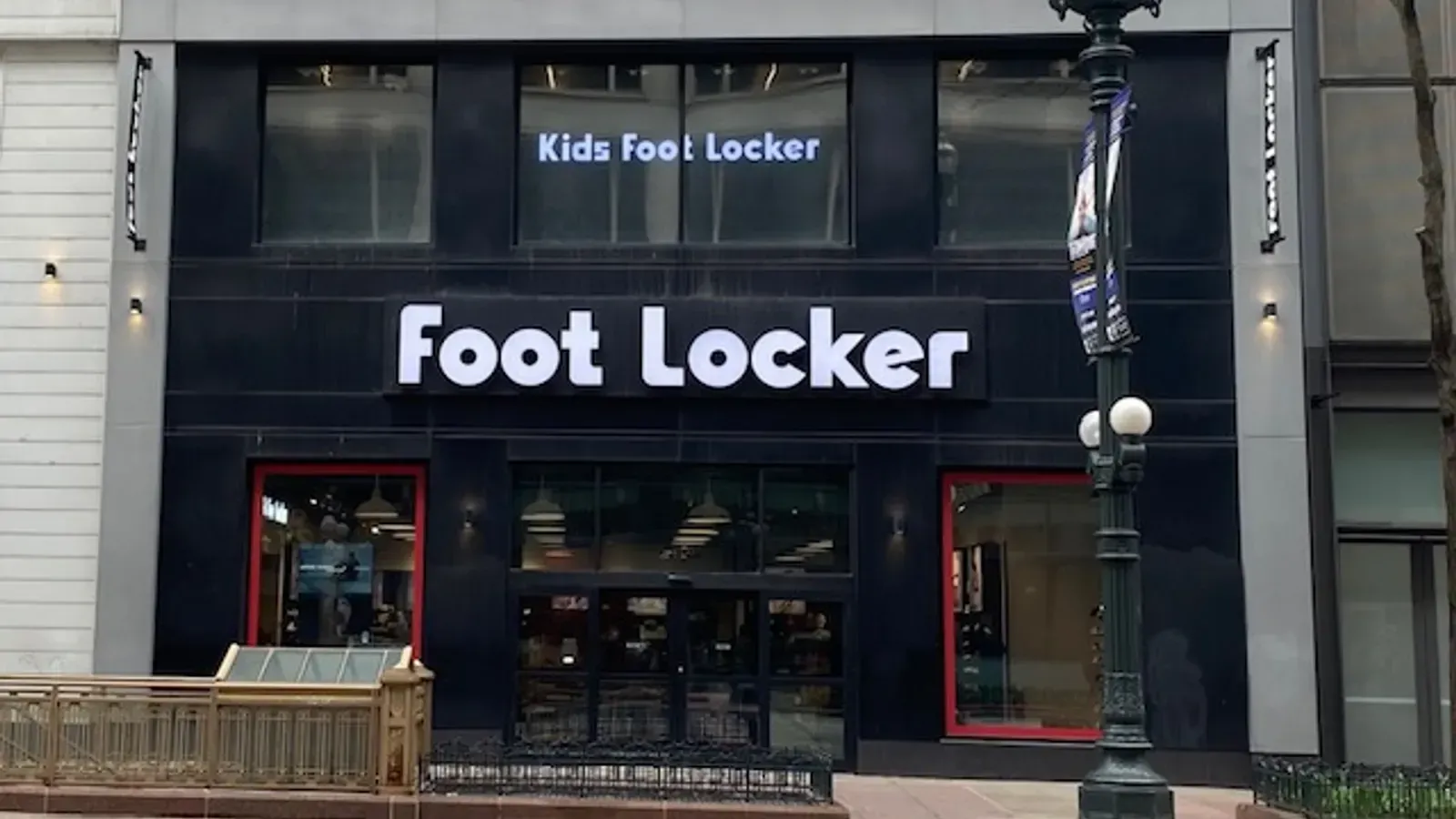
Dick’s pulls back on Foot Locker closures amid store pilot success

  • Dick’s is planning to close fewer Foot Locker stores than it initially anticipated as it sees success with a “Fast Break” store pilot at 11 locations, Executive Chairman Ed Stack said on a call with analysts Thursday.
  • The company has already expanded the concept to 10 additional stores in Los Angeles and plans to “rapidly scale” the format across its fleet this year. By back-to-school, Foot Locker plans to have renovated 250 of its locations...

Multi-price strategy drives Dollar Tree sales gains

Dollar Tree posted strong gains in the fourth quarter, driven by a 5% increase in same-store sales compared with a year ago as the company realized benefits from its multi-price strategy.

The Q4 same-store sales included a 6.3% increase in the average ticket, partially offset by a 1.2% decline in traffic. Comp-store sales were up 3.6% for consumables and 6.2% for discretionary items...
Service Tenants Dominate Retail Leasing Market


The WSJ reports that service tenants are now the main driver of US retail leasing activity, marking a 
significant shift from the historical dominance of goods-based retailers. In 2025, just over half of total retail square footage leased went to service-oriented businesses, according to CoStar data. Fifteen years ago, this figure was just 40%...
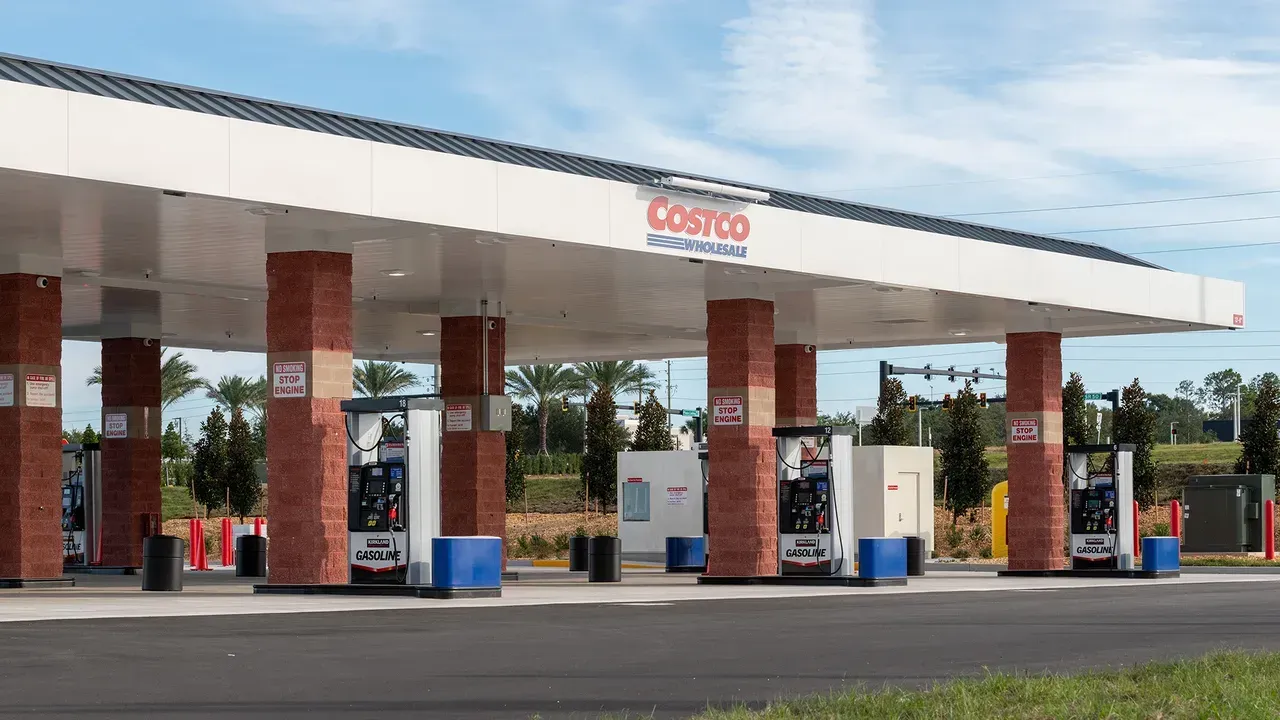
Costco to open first standalone gas station this June in California

Costco is set to open its first standalone 
gas station by the end of June in California, and it already has plans for a second one in Hawaii. 


The city of Mission Viejo, California, confirmed in June 2025 that Costco would build its first fuel-only location in the city at 25732 El Paseo. City spokesman Robert Schick told CSP Monday that Costco plans to open that location to the public by the end of June 2026. This will be Costco’s largest fuel facility, with 40 gas pumps, Schick said.

There’s also a standalone Costco gas station scheduled to open in Hawaii in 2027. The gas station will be in Kalihi, a neighborhood of Honolulu, at Dillingham Boulevard and Colburn Street...
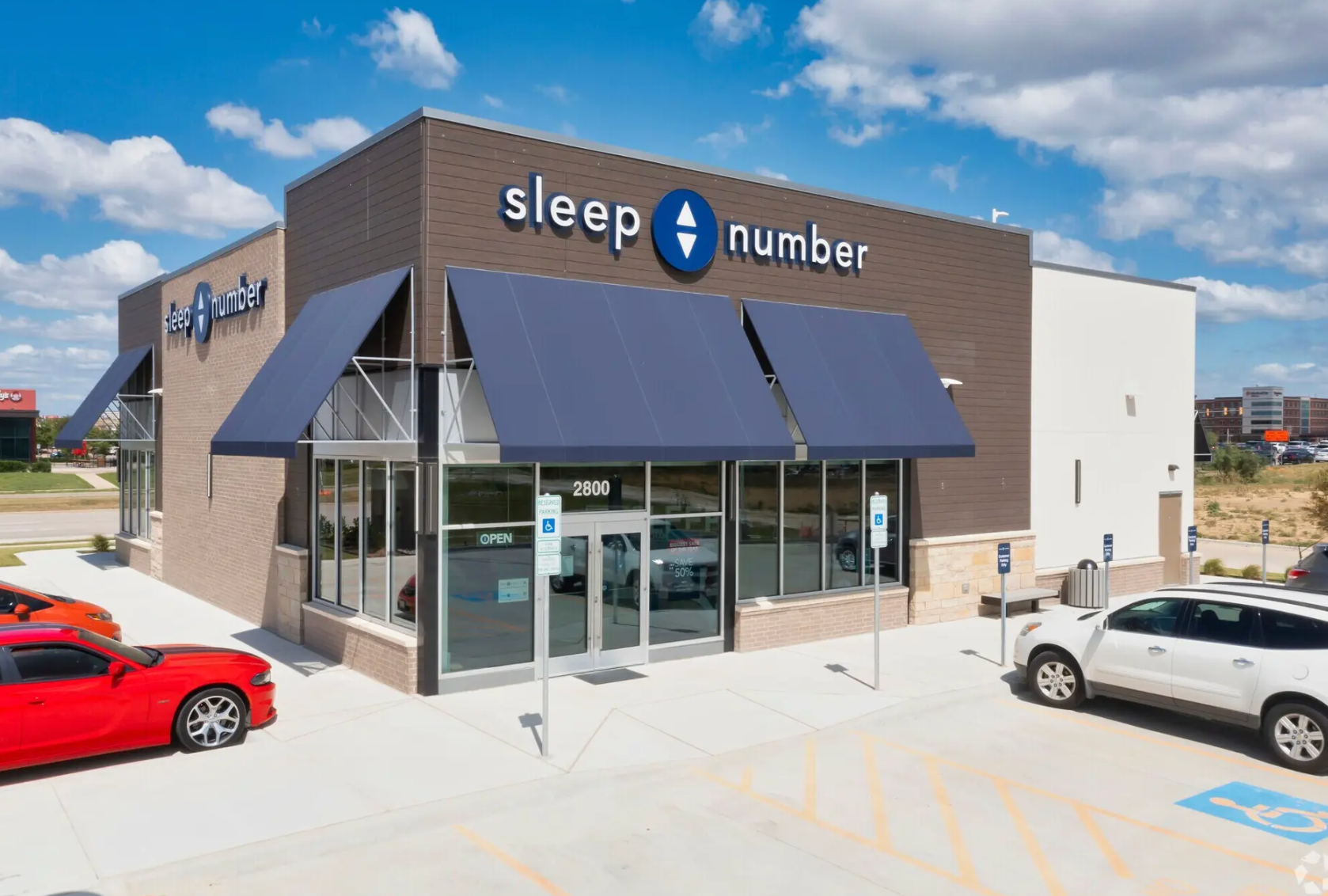
Mattress retailer Sleep Number warns it could file for bankruptcy protection


Mattress seller Sleep Number has sounded the alarm that it may be forced to file for bankruptcy, possibly joining the growing number of retailers that have sought Chapter 11 protection this year.

The Minneapolis-based company, with a fleet of 600 stores, issued the warning in a recent securities filing after reporting fourth-quarter earnings. The retailer said in its 10-K that if it can't secure sufficient financing, it "could be forced to terminate, significantly curtail or cease our operations, pursue strategic alternatives or commence a case under the U.S. Bankruptcy Code..."



By Marc Perlof March 16, 2026
By Marc Perlof | MarcRetailGuy CA #01489206 March 16, 2026 If you own retail real estate, here’s what just changed for you. Retail property owners are asking a simple question today. Is the market about to change? Several economic signals moved quickly over the past two weeks. Oil prices surged as conflict disrupted major energy supply routes. The U.S. job market also weakened unexpectedly during the same period. Financial markets have become more volatile as investors reassess economic risks. When oil prices rise and hiring slows, real estate investors begin adjusting risk assumptions. These adjustments often appear first in lender loan standards and buyer pricing. For retail property owners, these shifts can influence demand and property values. Owners of strip centers, shopping centers, store front retail, and NNN retail properties (multi-tenant and single tenant) should watch closely. Understanding these signals early can help protect property value and guide decisions. Market Analysis and Trends Energy markets reacted first. Brent crude oil recently surged above $100 per barrel. The increase followed conflict disrupting shipping routes and global oil supply.¹ Much of the concern involves the Strait of Hormuz shipping corridor. Roughly 20 percent of global oil supply normally passes through this route. Even small disruptions there can quickly affect shipping costs and supply chains.¹ Consumers often feel the impact through gasoline prices. Since late February, U.S. gasoline prices increased more than 15 percent. Prices reached roughly $3.47 per gallon in early March.¹ In Southern California, fuel prices are usually among the highest nationally. Drivers in the region are already paying significantly more at the pump. Higher fuel costs can quickly strain household budgets. This often reduces spending at restaurants and other nonessential retail businesses. The labor market also signaled caution. The U.S. economy lost about 92,000 jobs in February 2026. Unemployment rose to approximately 4.4 percent during the same period.² Slower hiring typically leads to reduced consumer spending several months later. When advising retail property owners, I track three important property risks. These include tenant margin pressure, lender loan standard changes, and buyer cap rate expectations. Key signals retail property owners should monitor include: Brent crude oil moving above $100 per barrel during Middle East supply disruptions.¹ U.S. gasoline prices rising more than 15% since late February.¹ The U.S. economy losing roughly 92,000 jobs in February while unemployment increased.² Essential Retail vs Nonessential Retail Retail categories respond differently during periods of economic stress. Essential retail includes grocery anchored centers, pharmacies, and daily service tenants. These businesses usually remain stable during economic disruptions. Consumers still need basic goods even when household budgets tighten.³ Nonessential retail categories are more sensitive to economic pressure. Restaurants, entertainment venues, and similar tenants often experience softer sales first. This usually happens when consumers reduce spending. For property owners, tenant mix becomes especially important during economic uncertainty. Centers anchored by essential tenants often remain more stable. Properties dominated by nonessential retail may experience greater sales volatility. Strategic Advice for Retail Property Owners Economic uncertainty is a good time to review several property fundamentals. 1. Review tenant stability Evaluate tenant sales performance, credit strength, and upcoming lease expirations. 2. Monitor capital markets Lenders and investors may begin tightening loan standards as risks increase. 3. Evaluate sale timing carefully Markets sometimes offer short windows before buyer pricing adjusts to new conditions. Even a 1/4% to 1/2% increase in cap rates can affect property values. For example, a $6 million retail property valued at a 6% cap rate generates about $360,000 in annual income. If buyer expectations move to a 6.5% cap rate, value could fall near $5.5 million. If you own retail property and are wondering how these economic signals could affect buyer pricing or cap rates for your asset, this is exactly the type of analysis I help owners evaluate before making a sale or hold decision. If investor cap rates in your market moved just 1/2% higher, how much would the value of your retail property change? Investor Behavior During Uncertain Markets Market volatility often changes how investors evaluate retail properties. Research shows that investors prefer assets with stable income during uncertain periods. Properties with strong tenants and longer lease terms usually attract the most buyer interest.³ Assets with predictable cash flow often perform better during market uncertainty. Properties with weaker tenants or short lease terms may face greater scrutiny. For retail property owners, tenant quality and lease structure matter even more in volatile markets. What This Means for Retail Property Owners Retail property values depend on more than location. Energy prices, employment trends, and capital markets also influence buyer demand. If oil prices stay elevated and hiring slows, investors may become more selective. Properties with weaker tenants or short lease terms may see pricing pressure first. Well located shopping centers with strong tenants and long leases usually remain more resilient. Owners who monitor these signals early often have more strategic options. If economic uncertainty continues over the next twelve months, how strong are the tenants in your retail property? #RetailRealEstate #CommercialRealEstate #NNNProperties #ShoppingCenters #RetailPropertyOwners #CREInvesting #RealEstateInvestors #CREMarketInsights #RealEstateTrends #CaliforniaRealEstate #LosAngelesRealEstate #CapRates
By Marc Perlof March 13, 2026
US consumer inflation steady before Iran conflict drives up oil prices WASHINGTON, March 11 (Reuters) - U.S. consumer prices rose moderately in February as rents maintained a steady pace of increases, though households paid more for gasoline and at the supermarket and higher costs are in store because of the escalating war in the Middle East .  The Consumer Price Index report from the Labor Department on Wednesday, which also showed underlying inflation muted ​last month, covered the period before the U.S. and Israel launched strikes against Iran. The attacks at the end of February were met with retaliation by Tehran and have boosted oil prices...
By Marc Perlof March 9, 2026
By Marc Perlof | MarcRetailGuy CA #01489206 March 9, 2026 If you own retail real estate, here’s what just changed for you. If you own retail property, the biggest change happening in today’s market is not rent levels or cap rates. It is capital. More specifically, the speed at which investment capital is being raised and deployed into retail deals. As a retail real estate agent focused on investment sales, I am seeing this shift in real time. Investors still want retail assets. But the capital behind those buyers is moving more cautiously than it did a few years ago. That change affects pricing, buyer competition, and how quickly deals close. Over the past year I have seen buyers take longer to raise equity and move deals forward. According to the 2024 Global Private Markets Report from McKinsey & Company, fundraising cycles for private real estate funds have lengthened and investors are taking more time to commit capital as they reassess risk and portfolio allocations.¹ This does not mean capital has disappeared. It means capital is moving more carefully. Retail investment activity reflects this new discipline. According to Marcus & Millichap’s 2025 U.S. Retail Investment Forecast, national retail vacancy remains near historic lows, generally ranging between approximately 4 percent and 5 percent depending on the quarter and reporting method.² Low vacancy continues to attract investors to retail assets, but they are underwriting deals more conservatively. Another key trend is the concentration of capital toward stronger assets and stronger sponsors. CBRE’s U.S. Real Estate Market Outlook reports that investors are prioritizing properties with durable tenant demand and stable income streams as uncertainty around interest rates and refinancing conditions persists.³ In practical terms, this means retail syndicators and private investors must raise capital more carefully and explain risk more clearly before closing acquisitions. Limited partners want to understand tenant durability, lease rollover risk, and income stability before they commit equity. Several trends are driving this capital caution. Investors are performing deeper underwriting before committing equity to retail acquisitions.¹ Retail vacancy remains low nationally, which keeps investor interest in the sector even while capital formation slows.² Institutional and private investors are prioritizing assets with stable tenants and predictable income streams.³ For retail property owners, this shift matters. When capital raising slows, the pool of active buyers becomes more selective. Properties with stable tenants, longer lease terms, and predictable income attract the deepest buyer interest. Properties with near-term lease rollover, weaker tenants, or uncertain cash flow may still sell, but buyers will price in more risk. That can affect value expectations and negotiation leverage. This is why understanding how investors are raising capital today is critical before bringing a retail property to market. A well-positioned asset with the right story can still attract strong buyer demand. But the strategy behind the sale matters more than ever. If you own retail real estate and want to understand how today’s capital markets affect the value of your property, let’s talk. If you are considering selling in the next 12–24 months, understanding how buyers are raising capital today can have a direct impact on your exit price. If investors are raising capital more slowly and underwriting deals more carefully, how would your property perform under the scrutiny of today’s buyers? #RetailRealEstate #RetailPropertyInvesting #CommercialRealEstate #RetailInvestmentSales #CRECapitalMarkets #RetailSyndication #RetailPropertyOwners #CommercialPropertyInvesting #RetailAssetManagement #CREInvestors #ValueAddRetail #RetailPropertyStrategy
More Posts