Weekly Perl: A Commercial Real Estate News Recap

Marc Perlof • November 28, 2025
A banner for weekly commercial real estate news recap
A blurred image of a city street with people walking down it.

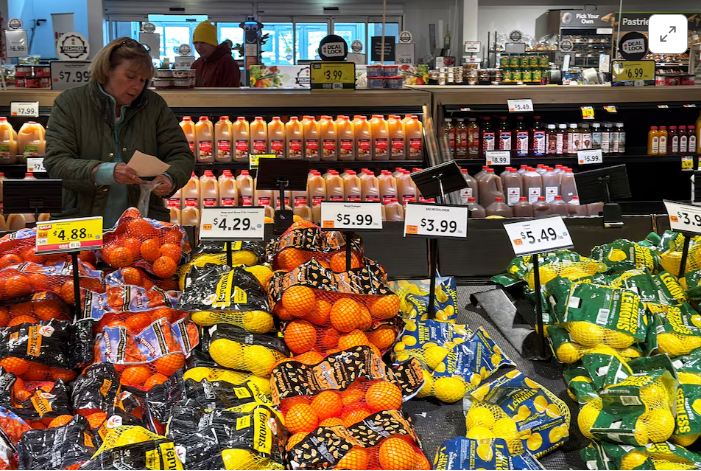
US cancels release of CPI report for October because of government shutdown

WASHINGTON, Nov 21 (Reuters) - The U.S. Bureau of Labor Statistics said on Friday it had canceled the release of October's consumer price report because the recently ended government shutdown had prevented the collection of data.

"BLS is unable to retroactively collect these data. For a few indexes, BLS uses nonsurvey data sources instead of survey data to make the index calculations," the BLS said in a statement...
A blurry picture of a clothing store with clothes on display.

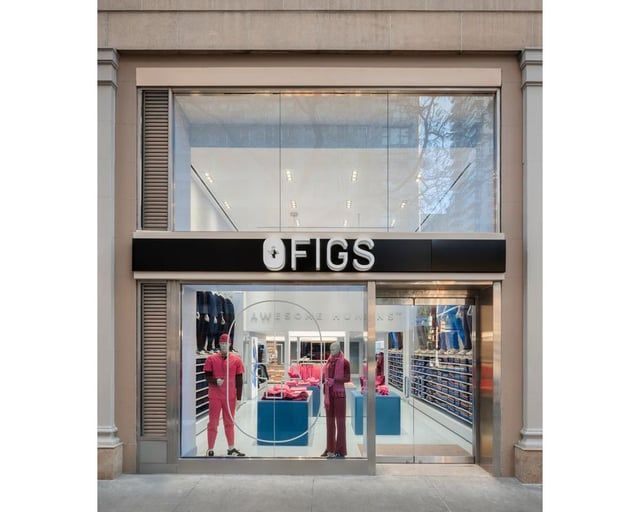
Figs opens new physical location in NYC

A popular healthcare apparel brand has opened its third brick-and-mortar location.

Figs opened its newest store, which the brand calls Community Hubs, in New York City’s Upper East Side on Nov. 15. Figs says the new store is designed to provide shoppers with an immersive experience, including a Color Clinic and a Customization Station. The store features pill chandeliers, seating areas, and “modern-meets-medical” inspired fixtures...
A car is parked in front of a sign that says 223

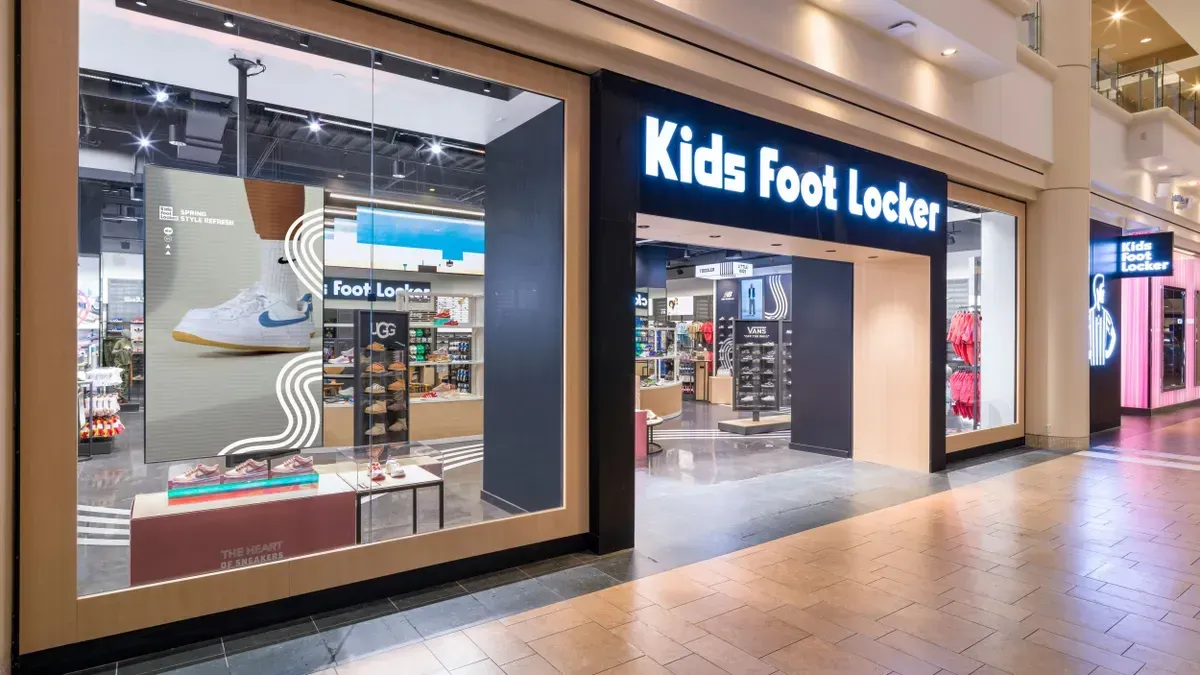
Dick’s turnaround at Foot Locker includes store closures, inventory reset

Dick’s is already testing improvements at 11 Foot Locker stores and named a new head of international for the business.


In its first quarter reporting as a combined business, Dick’s Sporting Goods Executive Chairman Ed Stack said it was time to “clean out the garage” at Foot Locker in an effort that will span stores, inventory and other assets.

For starters, the company is focused on clearing out unproductive inventory across Foot Locker’s business and will close an unspecified number of stores. The company will also rightsize assets “that don’t align with our go-forward vision,” per a release...


The front of an aldi store with a sign in front of it.

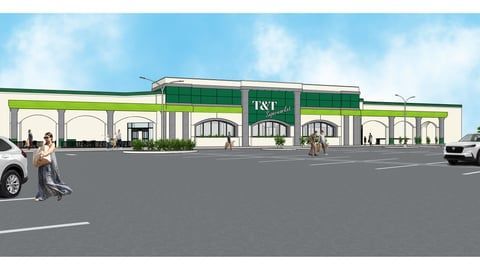
T&T Supermarket grows California expansion plans

T&T Supermarket is adding another California location to its 2026 roster.


Canada’s largest Asian grocery chain will open a 52,000-sq.-ft. store in Millbrae at Friendship Plaza in winter 2026. Located in the southern portion of the San Francisco Peninsula, the store will serve several communities in the Bay Area.

Looking ahead to 2026, T&T has several California stores underway including in San Jose, San Francisco, Irvine and Chino Hills. The retailer currently operates two U.S. stores in Bellevue and Lynnwood, Wash. It entered the U.S. market in December 2024...
Gap beats Street as same-store sales surge in Q3


Gap Inc. is crediting a viral campaign for driving revenue at its namesake brand and contributing to its strongest same-store sales in years. 

The specialty apparel retailer reported third quarter net income of $236 million, down roughly 14% from $274 million during the same period last year. Diluted earnings fell to $0.62 from $0.72, but beat Wall Street estimates of $0.59. CNBC reports that Gap CFO Katrina O’Connell attributed declining profits to the impact of tariffs, which the retailer previously warned about in its first-quarter fiscal 2025 earnings release...
Belk to open new store concept — here are the locations

Belk Inc. is going smaller.


The 136-year-old regional department store retailer will unveil a new store concept in December in two locations: The Grove at Wesley Chapel in Wesley Chapel, Fla., and The Centre at Preston Ridge in Frisco, Texas. The new Belk Market stores will offer a curated assortment of top national and private label brands in a smaller footprint of 25,000 to 30,000 sq. ft. The company is working on additonal locations to open in 2026...
Abercrombie & Fitch Q3 tops estimates, fueled by strong growth at Hollister

Abercrombie & Fitch Co. reported a better-than-expected third quarter as surging sales for its Hollister brand offset continuing softening sales at its namesake division.


Net income totaled $113 million, or $2.36 per share, for the quarter ended Nov. 2, compared with $131.98 million, or $2.50 per share, a year earlier. Analysts had expected earnings of $2.16 per share...

Bed, Bath & Buy to acquire Brand House Collective; will close 40-plus stores

Bed, Bath & Buy Inc. has entered into a merger deal that will see it acquire The Brand House Collective (formerly Kirkland’s) for $26.8 million in a move to create an “everything home” company.


The deal, which has been unanimously approved by boards of both companies, is expected to close in the first quarter of 2026 pending shareholder approval and the consent of lender Bank of America. The two companies have been working together since September 2024, when Kirkland’s entered into a deal that would result in the return of Bed Bath & Beyond brick-and-mortar stores to the U.S. retail landscape...

As holiday shopping gets underway, here are 10 features that make malls successful


This year's holiday season is expected to be a shopping record breaker.


For the first time ever, spending is projected to surpass $1 trillion, according to the National Retail Federation. And 186.9 million people are planning to shop during the upcoming Black Friday weekend, another high point.


Malls that have kept up with the times are likely to attract healthy foot traffic and revenue for the holidays, just as they do during other times of the year, according to retail analysts...


By Marc Perlof March 20, 2026
Santa Monica Airport Conversion Project Unveiled By City SANTA MONICA, CA — Following a nearly two-year public engagement process, the city has released a draft Framework Diagram for the Santa Monica Airport Conversion Project. "The Framework Diagram brings many ideas together to find common ground about what should go where and what types of uses belong in different areas of the site," the City of Santa Monica explained in a March 11 news release....
By Marc Perlof March 16, 2026
By Marc Perlof | MarcRetailGuy CA #01489206 March 16, 2026 If you own retail real estate, here’s what just changed for you. Retail property owners are asking a simple question today. Is the market about to change? Several economic signals moved quickly over the past two weeks. Oil prices surged as conflict disrupted major energy supply routes. The U.S. job market also weakened unexpectedly during the same period. Financial markets have become more volatile as investors reassess economic risks. When oil prices rise and hiring slows, real estate investors begin adjusting risk assumptions. These adjustments often appear first in lender loan standards and buyer pricing. For retail property owners, these shifts can influence demand and property values. Owners of strip centers, shopping centers, store front retail, and NNN retail properties (multi-tenant and single tenant) should watch closely. Understanding these signals early can help protect property value and guide decisions. Market Analysis and Trends Energy markets reacted first. Brent crude oil recently surged above $100 per barrel. The increase followed conflict disrupting shipping routes and global oil supply.¹ Much of the concern involves the Strait of Hormuz shipping corridor. Roughly 20 percent of global oil supply normally passes through this route. Even small disruptions there can quickly affect shipping costs and supply chains.¹ Consumers often feel the impact through gasoline prices. Since late February, U.S. gasoline prices increased more than 15 percent. Prices reached roughly $3.47 per gallon in early March.¹ In Southern California, fuel prices are usually among the highest nationally. Drivers in the region are already paying significantly more at the pump. Higher fuel costs can quickly strain household budgets. This often reduces spending at restaurants and other nonessential retail businesses. The labor market also signaled caution. The U.S. economy lost about 92,000 jobs in February 2026. Unemployment rose to approximately 4.4 percent during the same period.² Slower hiring typically leads to reduced consumer spending several months later. When advising retail property owners, I track three important property risks. These include tenant margin pressure, lender loan standard changes, and buyer cap rate expectations. Key signals retail property owners should monitor include: Brent crude oil moving above $100 per barrel during Middle East supply disruptions.¹ U.S. gasoline prices rising more than 15% since late February.¹ The U.S. economy losing roughly 92,000 jobs in February while unemployment increased.² Essential Retail vs Nonessential Retail Retail categories respond differently during periods of economic stress. Essential retail includes grocery anchored centers, pharmacies, and daily service tenants. These businesses usually remain stable during economic disruptions. Consumers still need basic goods even when household budgets tighten.³ Nonessential retail categories are more sensitive to economic pressure. Restaurants, entertainment venues, and similar tenants often experience softer sales first. This usually happens when consumers reduce spending. For property owners, tenant mix becomes especially important during economic uncertainty. Centers anchored by essential tenants often remain more stable. Properties dominated by nonessential retail may experience greater sales volatility. Strategic Advice for Retail Property Owners Economic uncertainty is a good time to review several property fundamentals. 1. Review tenant stability Evaluate tenant sales performance, credit strength, and upcoming lease expirations. 2. Monitor capital markets Lenders and investors may begin tightening loan standards as risks increase. 3. Evaluate sale timing carefully Markets sometimes offer short windows before buyer pricing adjusts to new conditions. Even a 1/4% to 1/2% increase in cap rates can affect property values. For example, a $6 million retail property valued at a 6% cap rate generates about $360,000 in annual income. If buyer expectations move to a 6.5% cap rate, value could fall near $5.5 million. If you own retail property and are wondering how these economic signals could affect buyer pricing or cap rates for your asset, this is exactly the type of analysis I help owners evaluate before making a sale or hold decision. If investor cap rates in your market moved just 1/2% higher, how much would the value of your retail property change? Investor Behavior During Uncertain Markets Market volatility often changes how investors evaluate retail properties. Research shows that investors prefer assets with stable income during uncertain periods. Properties with strong tenants and longer lease terms usually attract the most buyer interest.³ Assets with predictable cash flow often perform better during market uncertainty. Properties with weaker tenants or short lease terms may face greater scrutiny. For retail property owners, tenant quality and lease structure matter even more in volatile markets. What This Means for Retail Property Owners Retail property values depend on more than location. Energy prices, employment trends, and capital markets also influence buyer demand. If oil prices stay elevated and hiring slows, investors may become more selective. Properties with weaker tenants or short lease terms may see pricing pressure first. Well located shopping centers with strong tenants and long leases usually remain more resilient. Owners who monitor these signals early often have more strategic options. If economic uncertainty continues over the next twelve months, how strong are the tenants in your retail property? #RetailRealEstate #CommercialRealEstate #NNNProperties #ShoppingCenters #RetailPropertyOwners #CREInvesting #RealEstateInvestors #CREMarketInsights #RealEstateTrends #CaliforniaRealEstate #LosAngelesRealEstate #CapRates
By Marc Perlof March 13, 2026
US consumer inflation steady before Iran conflict drives up oil prices WASHINGTON, March 11 (Reuters) - U.S. consumer prices rose moderately in February as rents maintained a steady pace of increases, though households paid more for gasoline and at the supermarket and higher costs are in store because of the escalating war in the Middle East .  The Consumer Price Index report from the Labor Department on Wednesday, which also showed underlying inflation muted ​last month, covered the period before the U.S. and Israel launched strikes against Iran. The attacks at the end of February were met with retaliation by Tehran and have boosted oil prices...
More Posts