Weekly Perl: A Commercial Real Estate News Recap

Marc Perlof • April 24, 2026
A banner for weekly commercial real estate news recap
A car is parked in front of a sign that says 223

Lowe's continues growth with Florida, Texas stores planned

Lowe’s Companies Inc. is set to open the first of five new stores it plans to debut this year.

The home improvement giant will open its newest location in Port St. Lucie, Fla., in early June. The store will be the retailer's 133rd location in Florida, and will include approximately 94,000 square feet of retail space, a 30,000-square-foot garden center and will employ more than 100 associates...

The front of an aldi store with a sign in front of it.

Tariff refund portal opens; some retailers may be due billions

Businesses that paid tariffs imposed by President Donald Trump under emergency powers authorization can start applying for refunds.

In February 2026, the U.S. Supreme Court ruled that Trump Administration does not have the authority to unilaterally impose tariffs on imported products under the International Emergency Economic Powers Act, or IEEPA...
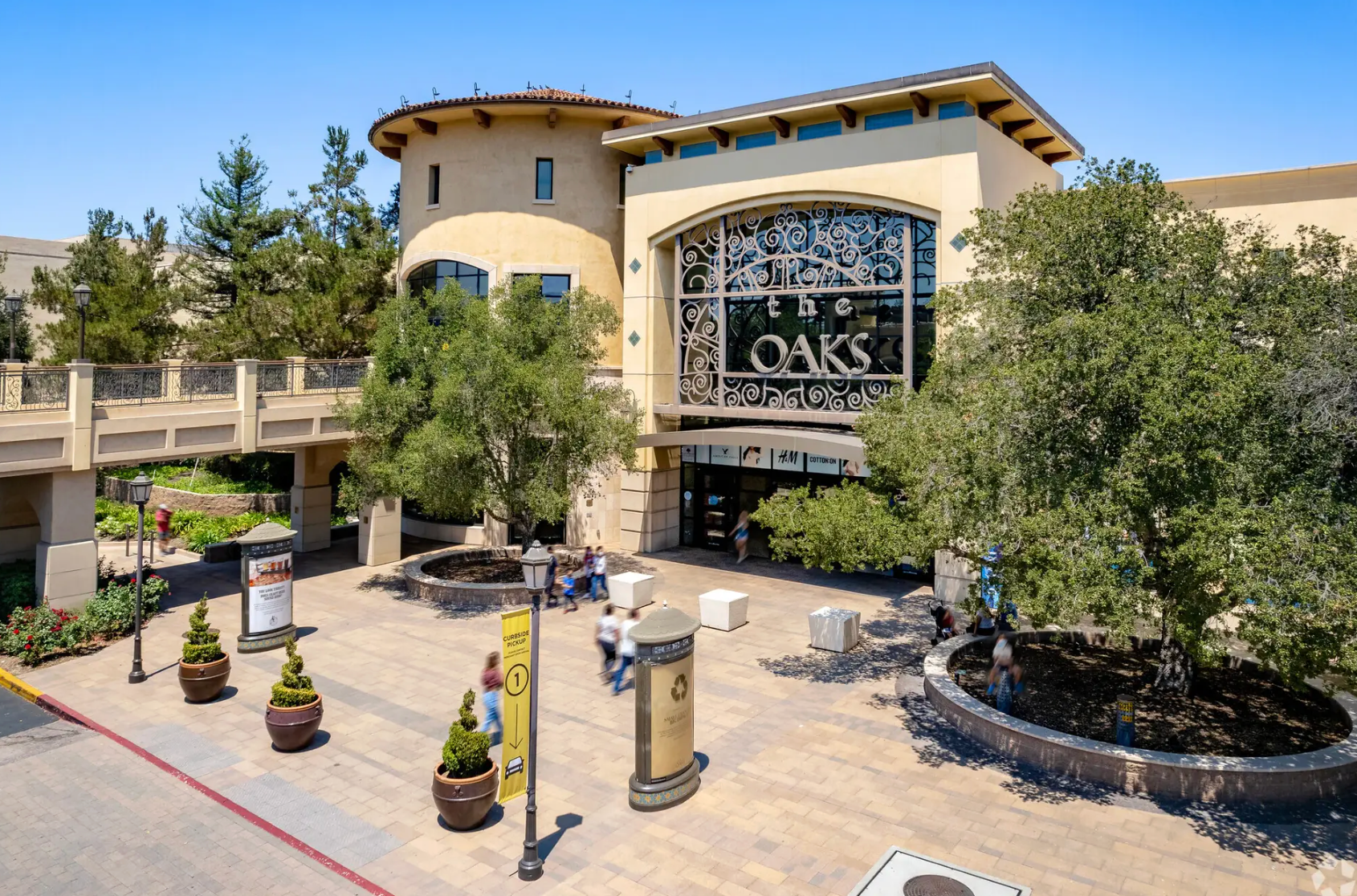
An elevated outdoor view of a modern shopping mall promenade with manicured greenery, palm trees, and pedestrians.

Why Stockdale Capital hasn’t given up on the American mall

The American mall has been hit in recent years by a pandemic, online shopping and multifamily investors prioritizing apartments over storefronts. Against that backdrop, Stockdale Capital Partners joins a growing cadre of developers betting that some of the most valuable retail hubs are being overlooked...
The American flag waves against a bright blue sky between towering glass skyscrapers, viewed from a low angle.

Aldi testing new store format in U.S.

Global grocery operator Aldi South Group is rethinking its store design with an eye to launching a singular retail concept that can be adapted to different building types and and formats.


The German-based discount grocer has been piloting a new store format in the United States for the past few months. Developed in partnership with Australian-based Landini Associates, the new Aldi design is “modularly adaptable” for different store formats and building types across each of the brand’s five diverse territories: the U.S., Australia, Germany, Hofer (Austria, Italy, Hungary, Slovenia & Switzerland) Ireland, and the U.K., according to a post on Landini’s website...
A flat, single-story retail building with a

A&G puts Walgreens leases on the market — here's where


Dozens of Walgreens store leases are now available as the drug store chain trims its footprint.

A&G Real Estate Partners is seeking offers for 60 leases and 18 fee-owned land parcels, stores and other real estate assets across 27 states and Puerto Rico (full list of leased stores at end of article). The fee-owned and leased Walgreens buildings range from 2,070 to 23,509 square feet, while the undeveloped fee owned parcels range from .12 to 20.86 acres...
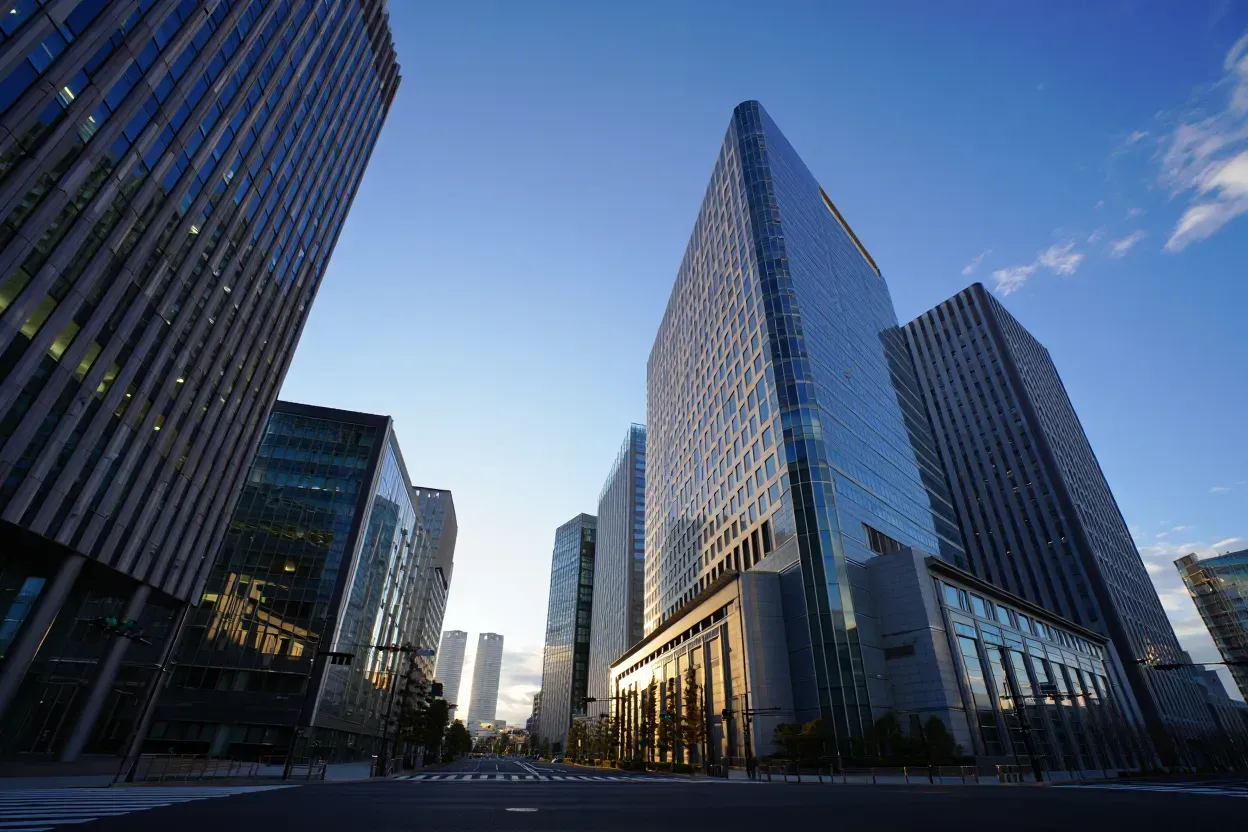
The main entrance of the NuHAA building, featuring a modern glass and stone facade, at sunset.

Commercial Loans Show Stability Across Big Banks

Commercial Loans Remain Resilient


Major US banks including Wells Fargo, Bank of America, and PNC reported that commercial loans, especially in commercial real estate, are holding up well so far in 2026, reports CoStar. Despite higher inflation, shaky consumer sentiment, and global tensions, delinquencies showed little sign of worsening among these lending portfolios. Bank of America, the nation’s second-largest bank, recorded the most visible improvement, reporting a significant decline in nonperforming commercial real estate loans compared to last year...
A modern two-story commercial office building with a stone-accented entrance at dusk, seen from a paved parking lot.

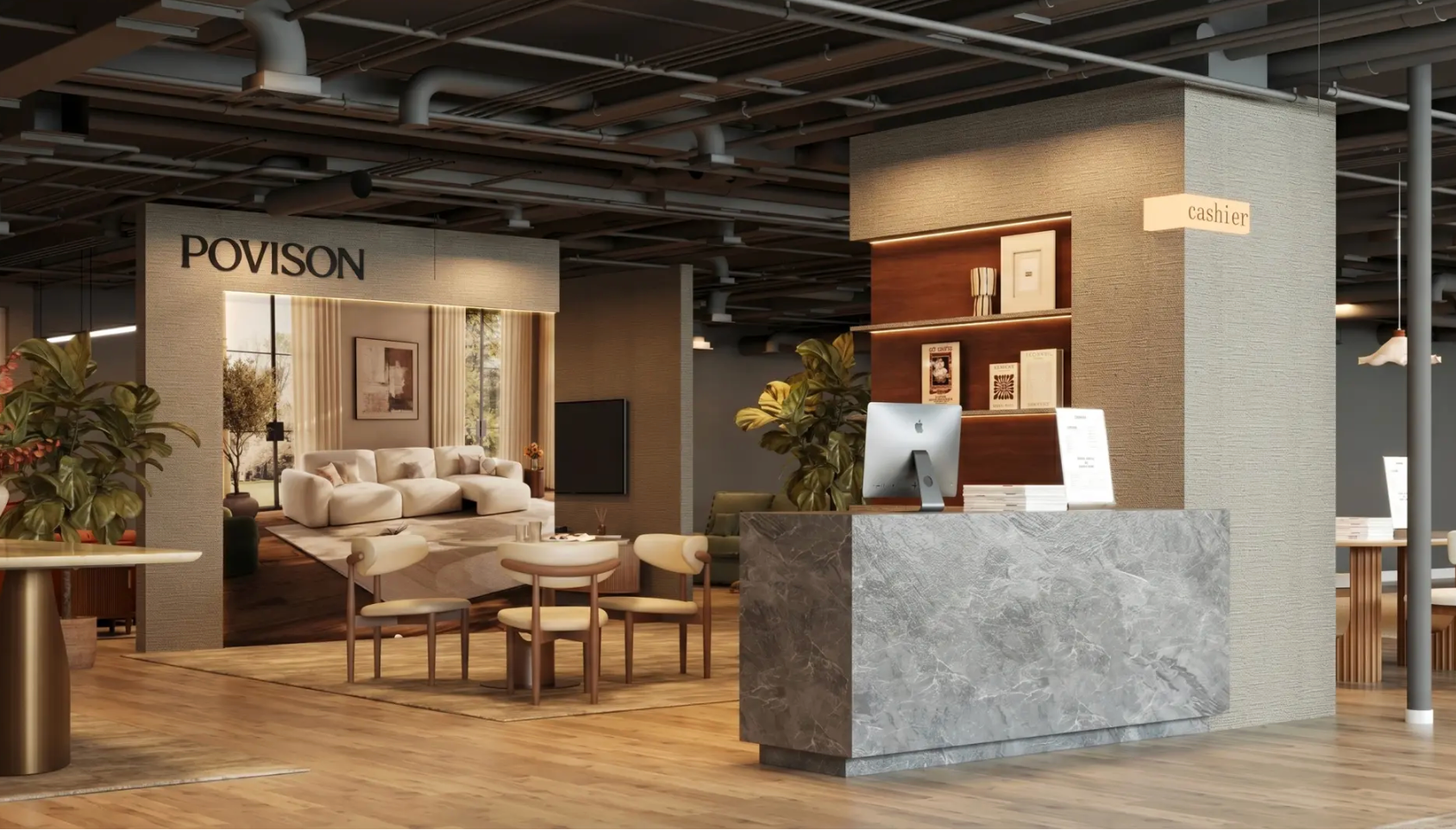
Ikea competitor is latest online retailer to go physical in Los Angeles


Digital-first furniture retailers are moving into Los Angeles’ busiest shopping streets in a bid to turn curious consumers into customers.


Povison is the latest example, with the Anaheim, California-based company planning to open its first permanent store at 500 N. La Brea Ave. in West Hollywood in June.


Founded in 2020, the retailer built its brand around midcentury modern furniture delivered fully assembled, targeting online shoppers seeking design-forward pieces without the hassle of installation...
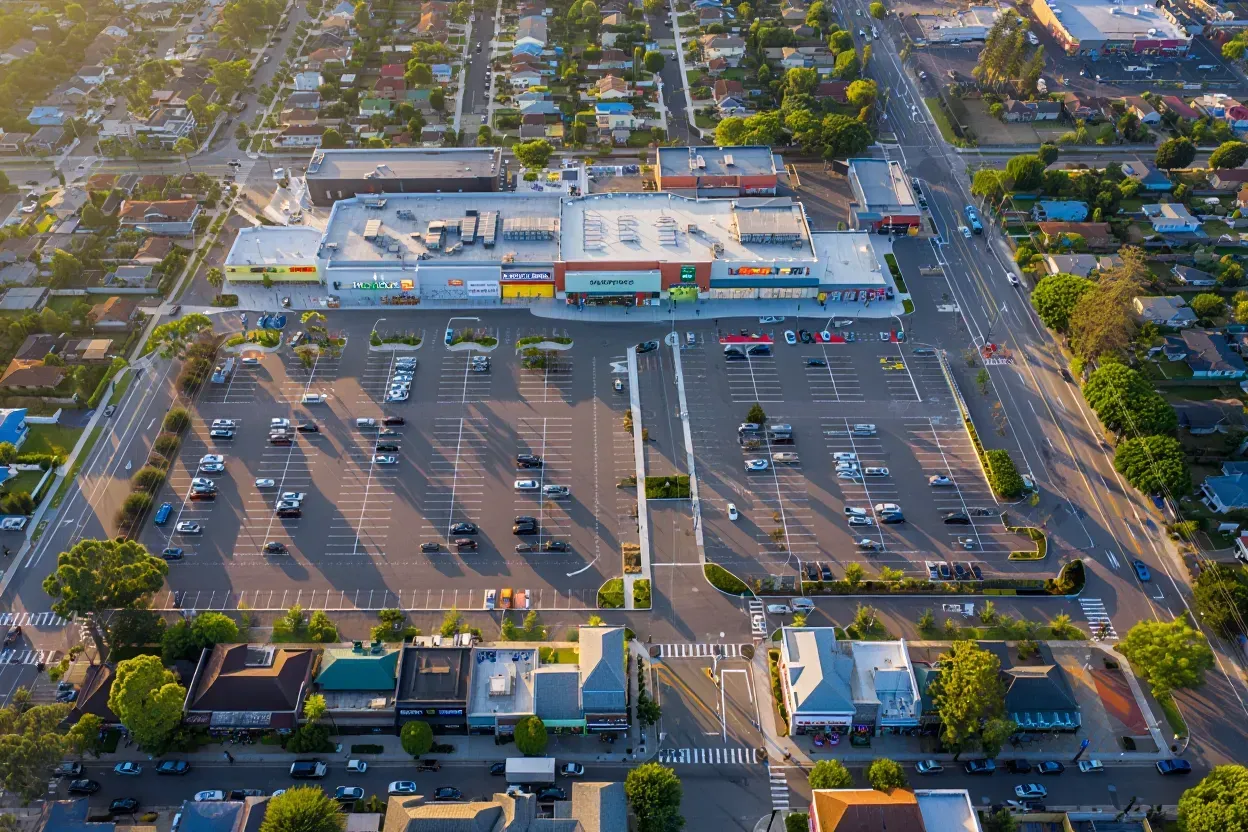

A green Publix Food & Pharmacy sign mounted on a white and beige building exterior against a blue sky.

Grocery-Anchored Retail Footprint Expands Amid K-Shaped Market

Consistent Issuance Across Diverse Markets


According to Trepp, grocery-anchored retail continues to capture steady investor attention, with 61 securitized loans totaling $1.4B closed since June 2025. While the sector accounts for only 11.7% of total retail loan balances, it represents 28% of all retail loan transactions, emphasizing smaller average deal sizes compared to other retail segments...
Two bundt cakes on small plates: one with chocolate drizzle, one with caramel drizzle, with cinnamon sticks nearby.

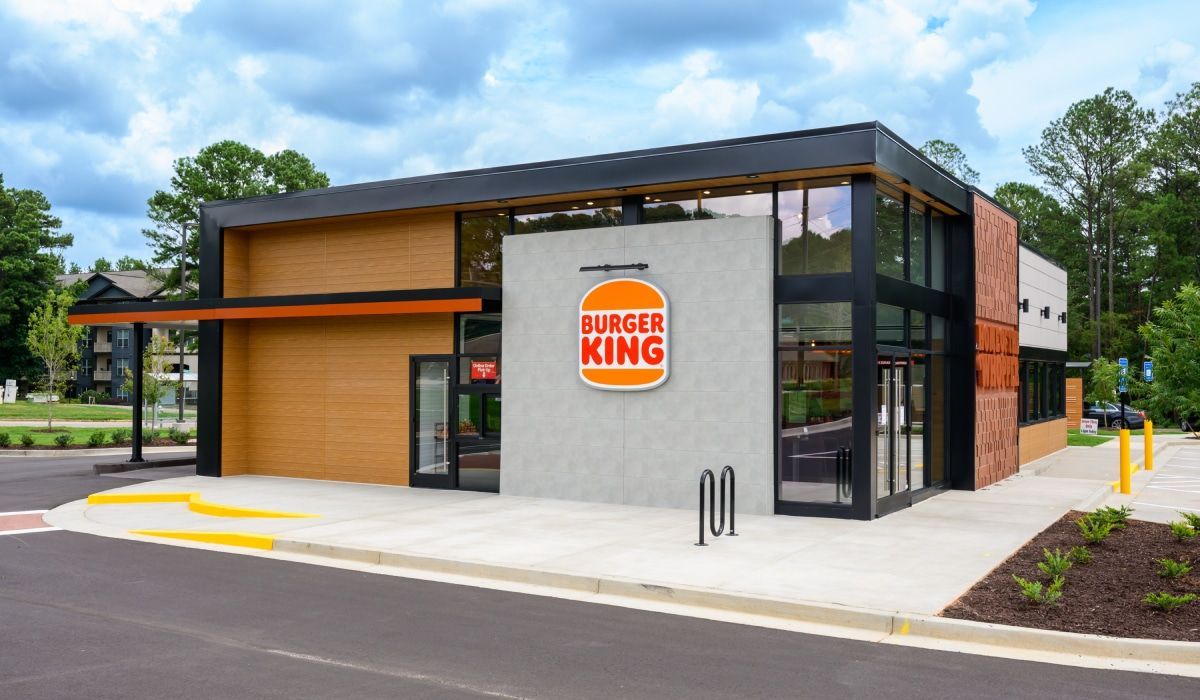
Burger King Has Spent Hundreds of Millions on Remodels. Here’s a Look at Why

If there’s one way to describe recent months for Burger King, it’s the brand began to speak up again. The past few years were a retrenching of sorts as it rolled one of the most expansive turnaround projects in fast-food history in “Reclaim the Flame.” We’re talking $700 million invested from the company to boost marketing, assets, technology, and more.


Central to the effort was Burger King needed locations to mirror what it was now saying publicly. So, when it hit media to talk about an updated Whopper—the first major upgrades in a decade—or share how it just retired “The King,” it wanted customers who came back, or visited for the first time, to see a brand that felt as refreshed as its creative...
Interior of a casual restaurant featuring blue chairs, red accents, brick walls, and a

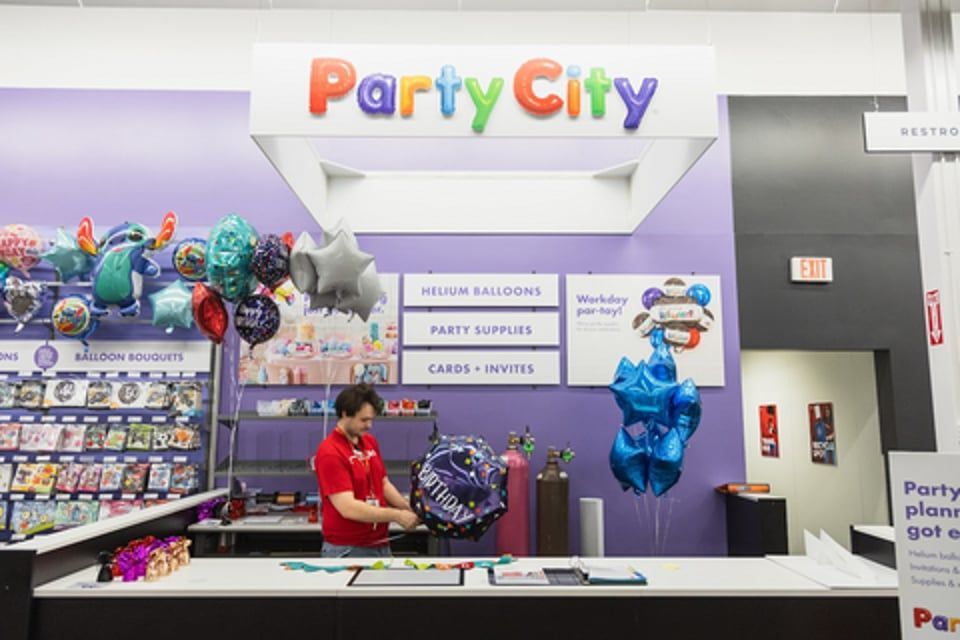
Party City in retail comeback — inside Staples stores


Staples has entered into a partnership to open Party City shops in its stores nationwide. 

The office supplies and services giant has open branded Party City shops in more than 700 stores nationwide and also on Staples.com. The company plans to expand the experience to additional stores by the end of 2026...




By Marc Perlof April 20, 2026
By Marc Perlof | MarcRetailGuy CA #01489206 April 21, 2026 If you own retail real estate, here's what just changed for you. The supply drought in retail is no longer a temporary condition. In Southern California, where available retail space was already scarce before construction costs spiked, it has become a structural advantage for owners. Fewer new competition means higher rents, tighter vacancy, and growing buyer demand for what you already own. What Is the Supply Drought? For over 15 years, developers have barely built any new retail space. That is not an accident. It is the result of rising construction costs, tighter lending, and weak developer confidence following the so-called retail apocalypse narrative. The numbers tell the story clearly. According to CBRE, annual retail construction completions from 2021 through 2023 fell by more than 80% compared to the mid-2000s. Construction starts hit all-time lows in both 2024 and 2025, according to Newmark's 2026 Sector Outlook. Colliers forecasts new retail construction will fall another 37% in 2026.¹ There is simply no new supply coming. And that matters enormously for what your property is worth today. What Is Causing It? Three forces are keeping new supply off the market simultaneously. First, construction costs remain elevated. Steel, aluminum, and copper are all subject to significant tariff pressure, which has driven up hard costs on any new development. Second, lenders are cautious. Retail lending has improved but has not fully recovered. Financing new ground-up retail is still expensive and difficult. Third, most developers who would normally deliver new product are focused on redevelopment, not new construction. Ground-up speculative retail is largely off the table for now. The result is a market where existing retail owners hold an advantage that cannot be easily replicated or replaced. Why Does This Matter for Your Property Value? How does limited supply affect rent? When tenants cannot find new space, they compete harder for existing space. That competition drives rent. According to JLL's Q2 2025 Retail Dynamics report, retail vacancy nationally sat at 4.3% at the end of the second quarter of 2025, with rent growing 2% year over year.² Colliers projects nationwide rent growth of approximately 1.5% for 2026, supported entirely by the lack of new supply. In supply-constrained markets like Southern California, rent growth at renewal has been running well above that average. Occupancy rates in REIT portfolios are holding at approximately 95%, according to Nareit analysis of Q3 2025 REIT earnings. That is not a cyclical number. That is a structural one. How are buyers underwriting retail today? Institutional capital has returned to retail in force, and they are underwriting it aggressively. According to JLL, the volume of institutional bids on retail properties being marketed for sale grew 102% over the past two years. REIT bid volume increased 117% over the same period. According to Northmarq, they are seeing sales activity and buyers paying more for the same income, which means your property is worth more today than it was two years ago across active shopping center markets. In California alone, 18 deals in the second half of 2025 exceeded $100 million, according to ICSC reporting. U.S. retail property sales rose 26% to $71.6 billion in 2025, according to MSCI.³ This is what happens when institutional money competes for a shrinking pool of quality assets. What Should You Do Right Now? Understand your rent position relative to market. If your current leases were signed two or more years ago, there is a strong probability your in-place rents are below today's market. That gap represents unrealized value. Document it. A well-presented rent roll showing rent-to-market spread is one of the strongest tools you have in a sale or refinance. Push rents at renewal. This is not the time to roll over leases at flat rates. Tenants have nowhere else to go. Demand for retail space is high and available supply is near record lows. Landlords in supply-constrained markets have real pricing power. Use it. Assess your hold vs. sell timing. Institutional capital is actively deploying into retail right now. Bid volume is at its highest level since 2016. If you have been waiting for the market to stabilize before selling, that moment is here. Cap rate compression in well-located strip centers and shopping centers is real and documented. Waiting longer depends entirely on your basis, your lease structure, and what you plan to do with the proceeds. Real Deal Insight In conversations I'm having with buyers right now, the first thing they ask for is the spread between in-place rents and current market. That number is driving offers more than cap rate right now. In active retail investment transactions today, buyers are paying close attention to the spread between in-place rents and current market rents. Properties showing significant upside to market are receiving aggressive offers. Strip centers and unanchored centers with short remaining lease terms are being underwritten with meaningful rent growth assumptions baked in, which is directly compressing cap rates and pushing values higher. Owner Self-Assessment If your leases were signed more than 24 months ago, do you actually know how far below market your rents are sitting right now? Do you know what a buyer is underwriting (How a buyer decides what your property is worth to them) your property at today, versus what you think it's worth? And if institutional capital is actively competing for assets like yours, do you have a broker with the market exposure to put your property in front of that demand? If any of those answers are unclear, that's the conversation worth having. If you couldn't answer those questions with confidence, let's talk. A 20-minute call is all it takes to tell you where your property stands today. If institutional capital is competing harder than ever for retail properties, the real question is: are you positioned to capture that demand, or are you leaving money on the table? Based in Los Angeles. Serving Southern California. Active across California. Advising clients nationwide. #RetailRealEstate #RetailREIT #ShoppingCenterInvestment #StripCenters #CommercialRealEstate #SouthernCalifornia #LosAngelesRealEstate #RetailInvestment #NNNProperties #CRE #MarcPerlof #MarcRetailGuy
By Marc Perlof April 17, 2026
NRF: Retail sales inch up for sixth consecutive month in March Retail sales rose slightly in March despite inflation and high gasoline prices as many consumers received higher-than-usual tax refunds. Core retail sales (excluding restaurants, auto dealers and gas stations) were up 0.41% month over month in March and are up 7.05% year over year, according to the CNBC/Retail Monitor released Tuesday by the National Retail Federation. That compared with increases of 0.27% month over month and 5.87% year over year in February...
By Marc Perlof April 13, 2026
By Marc Perlof | MarcRetailGuy CA #01489206 April 13, 2026 If you own retail real estate, here’s what just changed for you. Private equity ownership changes the risk profile of your tenant. Strong brands can become more efficient, but also more sensitive to costs over time. When private equity takes over retailers, your rent may become less predictable. What is changing? Private equity firms are buying or investing in retail brands. After the purchase, they often change how the business is run. One common move is selling the real estate and leasing it back. The company becomes a tenant instead of an owner. This creates fixed rent payments. They also focus on increasing profit quickly. That can include cutting costs, simplifying operations, and shifting more stores to franchisees. These changes can improve efficiency and free up capital, but they can also increase pressure on store-level performance. Why this is happening? Private equity is focused on returns within a set time frame. They use debt and operational changes to increase profits. Real estate is often treated as a source of cash, not a long-term hold. What this does to your value? How does this affect your property value? Your value depends on stable income. Higher leverage and tighter margins make your income less predictable. Uncertainty leads to higher cap rates. Higher cap rates lower your value. A 100 basis point increase in cap rate can reduce your property value by 12% to 18%, depending on income and buyer demand. How are buyers underwriting this today? Buyers are looking past the brand name. They are focusing on unit-level performance and rent levels. If rent is too high compared to sales, they apply a higher cap rate or reduce their offer. What happens if the tenant’s costs increase? When rent, labor, and food costs rise at the same time, weaker locations start to underperform. That is when closures or lease renegotiations happen. Strategic Advice for Retail Property Owners What should you do right now? Review your tenant’s ownership structure. Know if the brand is private equity backed. Do not assume brand strength equals tenant strength. What should you review in your lease? Focus on rent relative to sales, if possible. Rent that gets too high as a percentage of sales creates risk. Also review lease term, options, and guarantor strength. What should you prepare for? Plan for more tenant scrutiny at sale. Buyers will ask deeper questions about store performance and long-term viability. Be ready to support your income with real numbers. Real Deal Insight In today’s market, buyers are underwriting rent relative to store performance or sales, franchisee versus corporate structure, and margin pressure. Deals that once traded aggressively are now being discounted when rent exceeds sustainable levels or when the tenant is more leveraged after a private equity transaction. This is showing up in pricing, cap rates, and buyer demand across Southern California. Owner Self-Assessment If your tenant’s costs increase, can they still comfortably pay your rent? Market Data and Sources Sale-leasebacks are widely used in restaurant and retail sectors to free up capital and create long-term lease obligations.¹ Private equity ownership often increases leverage, which can raise financial risk during downturns.² Restaurant margins are sensitive to labor and food costs, which have increased in recent years.³ If you own retail real estate in Los Angeles or Southern California, this is already showing up in how buyers evaluate NNN properties, strip centers, and single-tenant assets. If you are thinking about selling or refinancing in the next 12 to 24 months, now is the time to evaluate your tenant strength and pricing. Small shifts in cap rates can materially impact your exit value. Is your tenant’s business strong enough to support your rent long term? #RetailRealEstate #NNNProperties #FastFoodRealEstate #CommercialRealEstate #CapRates #LosAngelesRealEstate #CREInvesting #InvestmentProperty #NetLease #RetailInvesting
More Posts