Weekly Perl: A Commercial Real Estate News Recap

Marc Perlof • October 17, 2025
A banner for weekly commercial real estate news recap
A blurred image of a city street with people walking down it.

Jack in the Box to Sell Del Taco to Franchisee for $115M

Jack in the Box announced Thursday that it will sell Del Taco to franchisee Yadav Enterprises for $115 million.


The burger giant will use money from the transaction to pay off debt. The move, which is expected to close by January 2026, will also allow Jack in the Box to focus on its core business...
A blurry picture of a clothing store with clothes on display.

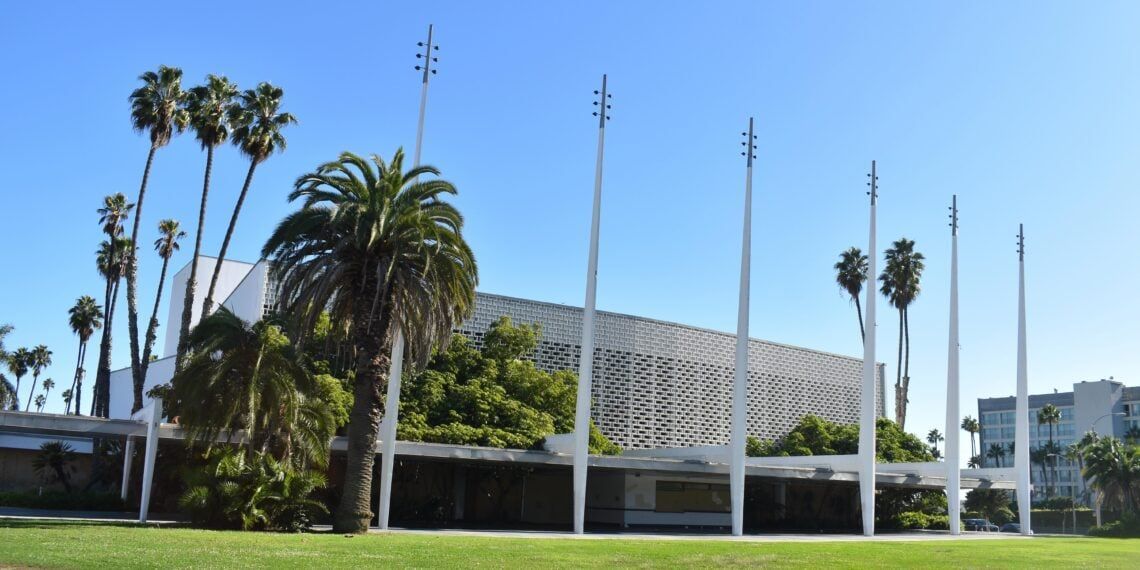
Curtain call for current Civic revitalization efforts as split Council cites economic reasons for ending negotiations

The Santa Monica City Council voted 4-3 Tuesday night to end exclusive negotiations with Revitalization Partners Group over a proposed $360 million restoration of the long-shuttered Civic Auditorium, citing frustration with the lack of financial documentation after nearly two years of discussions...
A car is parked in front of a sign that says 223

First Look: Kim Kardashian's Skims opens its largest store to date


Skims has opened its largest store yet, fittingly at North America’s biggest retail and entertainment complex.
The $4 billion-plus shapewear brand co-founded by reality TV superstar and entrepreneur Kim Kardashian has opened its 8,000-sq.-ft. space at Mall of America in Bloomington, Minn...
The front of an aldi store with a sign in front of it.

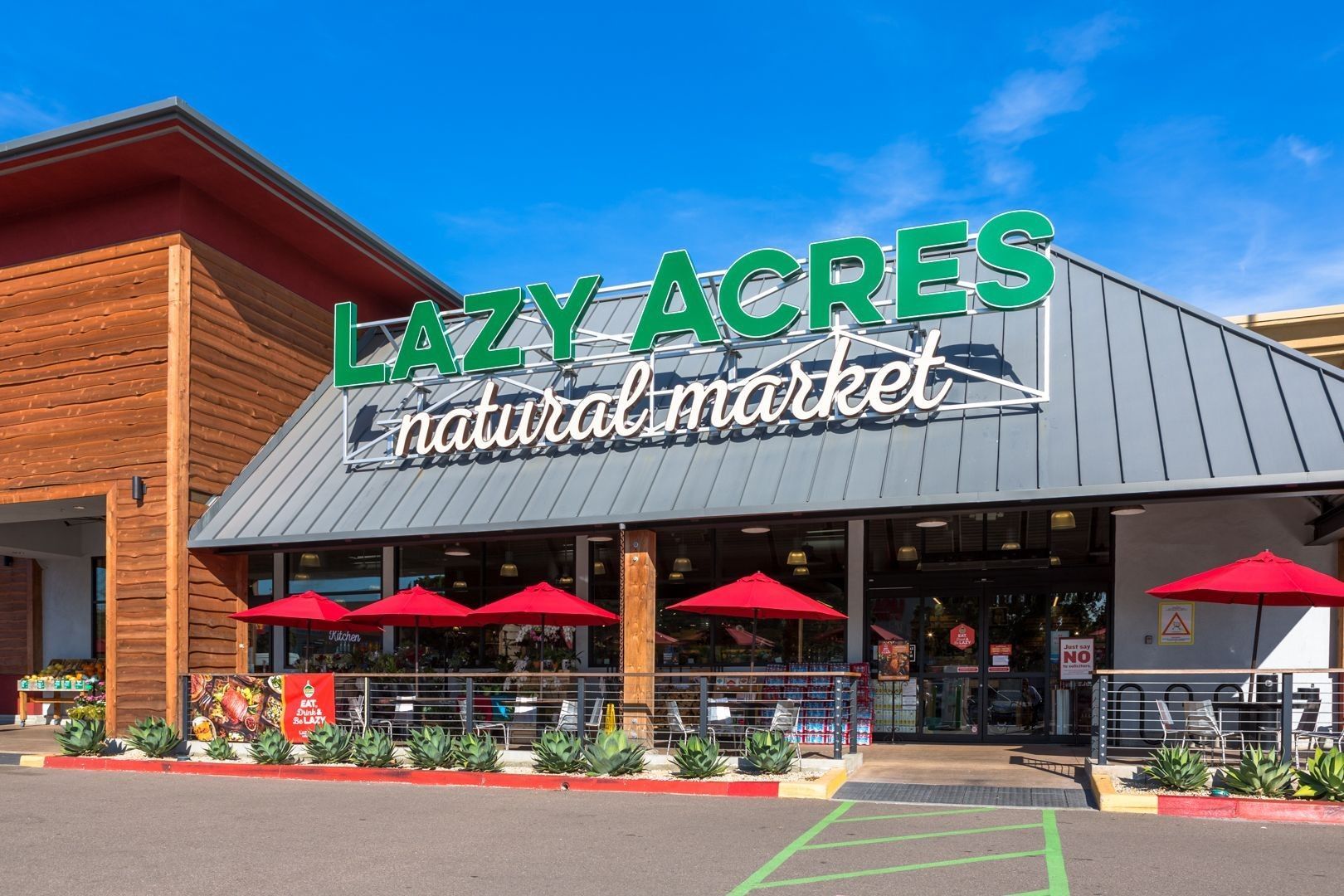
Lazy Acres Sets Opening Date For New Westside Spot


The move comes after the Whole Foods which formerly occupied the space near the 405 Freeway closed on Oct. 13


Lazy Acres Natural Market, a Southern California-based grocer specializing in organic produce and wellness products, will take over a former Whole Foods location in West Los Angeles, with construction set to begin early next year and an opening targeted for fall 2026...

Nordstrom adds 2028 location to 2026/2027 new store lineup — here is the list


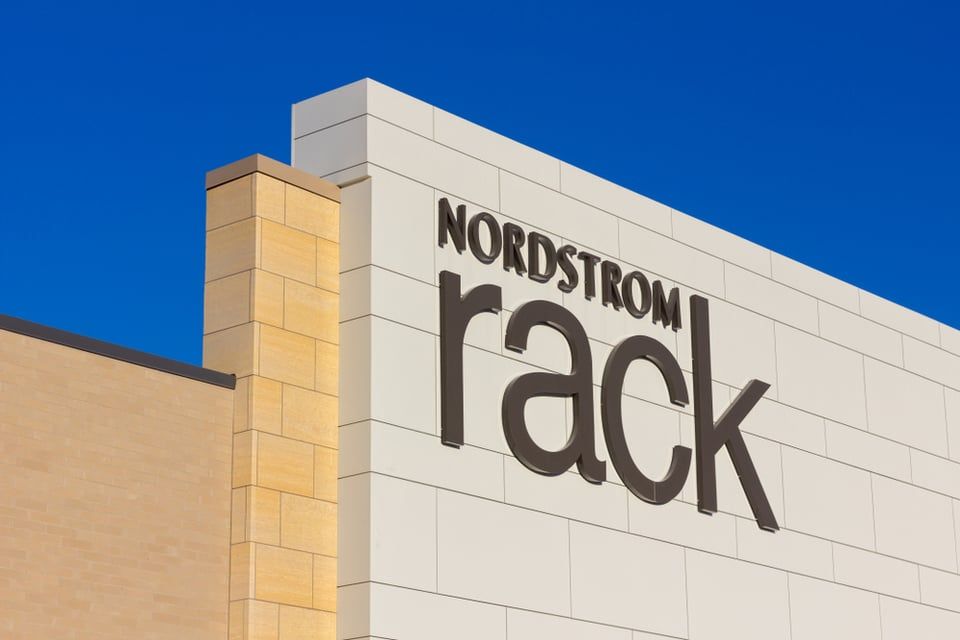
Nordstrom continues to grow the footprint of its off-price retail division.


The department store retailer plans to open a Nordstrom Rack in Rehoboth Beach, Del., in spring 2028. The 25,000-sq.-ft. store will be located in Atlantic Fields, which is owned and managed by a partnership of Southside Investment Partners and Buchanan Partners...
Wendy’s launches turnaround plan to drive growth, profitability


The Wendy's Company has unveiled a strategic plan as its deals with sluggish sales and changing consumer behavior — and continues its search for a new CEO.


Called “Project Fresh,” the new plan is designed to designed to revitalize the brand, reignite growth, accelerate profitability across the Wendy's system and enhance shareholder value. The burger chain has cut its guidance twice during the past year...
Levi’s Q3 profit tops estimates as DTC drives sales; could double U.S. store count


Levi Strauss & Co. reported another solid quarter and raised its full-year outlook as its shift from being a traditional jeans brand to a “DTC-first, head-to-toe denim lifestyle” retailer continues to win over both male and female shoppers.


The apparel giant posted its fourth consecutive quarter of high-single-digit growth and 14th consecutive quarter of positive comp growth.
Ross Stores opens 40 new locations, plans to continue expansion


Ross Stores Inc. expanded the footprint of its two off-price retail banners in both new and existing markets in recent weeks.


The company opened 36 Ross Dress for Less ("Ross") and four DD’s Discounts stores across 17 different states in September and October. The new locations complete Ross Stores’ growth plans for fiscal 2025, for a total of 90 new locations. The retailer said that it “remains confident” in its expansion plans and sees a pathway to grow to at least 2,900 Ross Dress for Less and 700 DD’s Discounts locations over time...
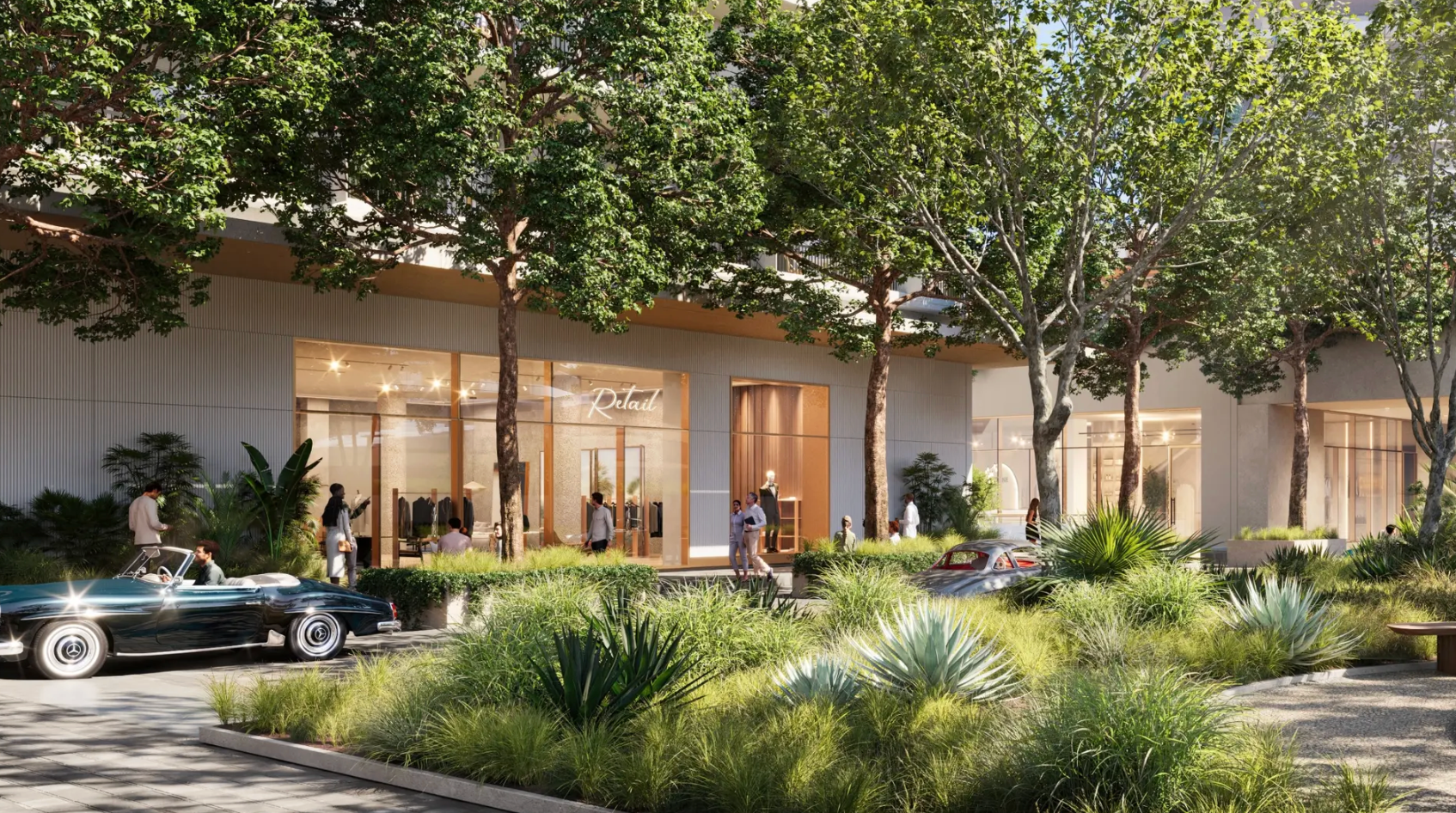

First tenants sign on for $10 billion botanical project aiming to reshape Beverly Hills retail


Three high-profile dining and retail tenants are the first to commit to One Beverly Hills, a $10 billion luxury development that aims to rethink the way people shop in Los Angeles County by adding more green space than any such project in the city.


Italian fashion house Dolce & Gabbana, Italian marketplace and food hall Casa Tua Cucina and London-based restaurant Los Mochis will anchor the 200,000 square feet of retail and dining space, according to the project’s master developer, Cain...
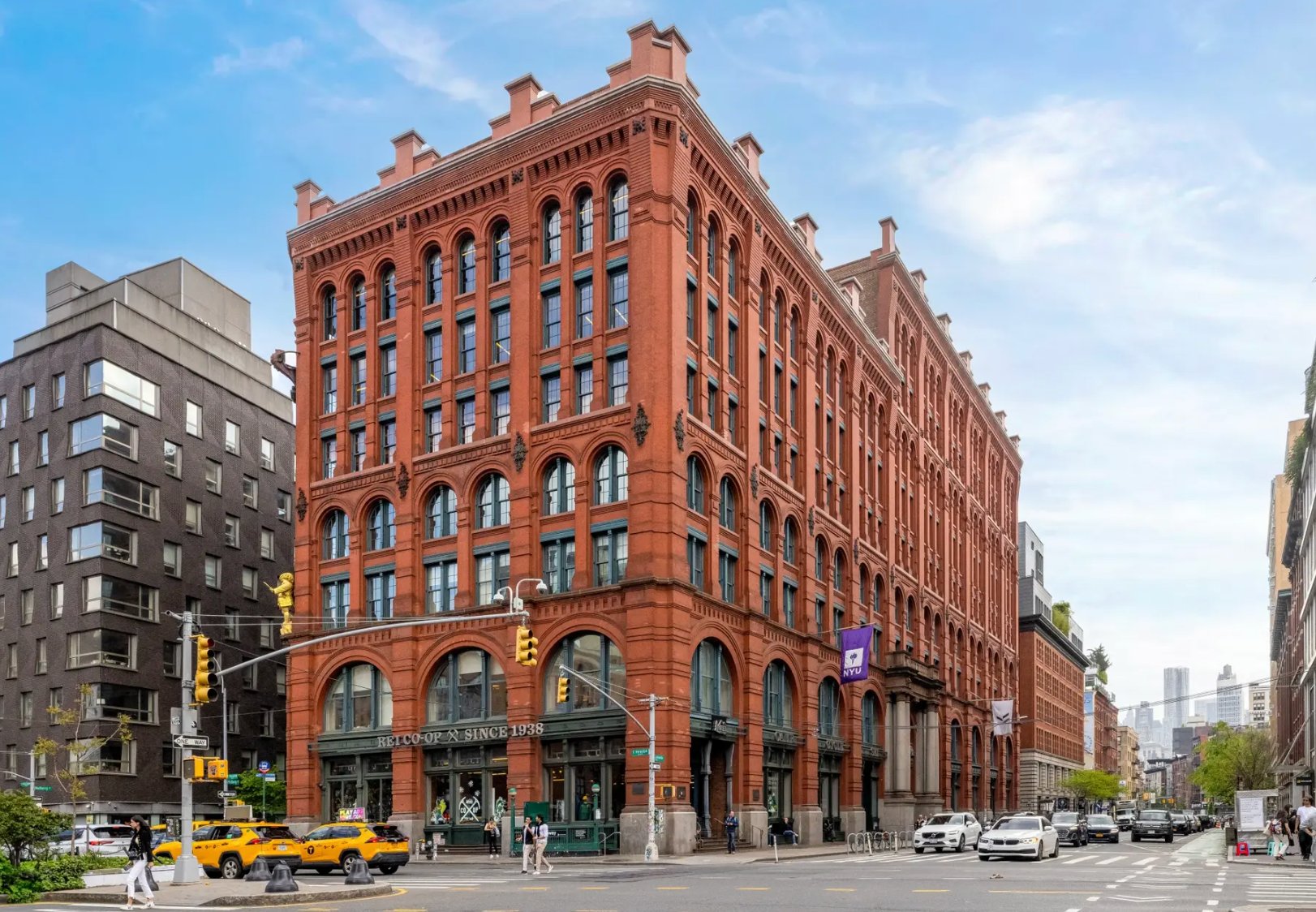
REI to shut some high-profile stores, adding to outdoor retailer closings

A year ago, outdoor retailer REI Co-op was touting its expansion plans. Now the chain plans to close three high-profile stores in New York, Boston and Paramus, New Jersey, next year.


The Sumner, Washington-based chain on Monday confirmed that it’s closing up shop in the landmark Puck Building at 295-309 Lafayette St. in Manhattan’s SoHo neighborhood; 401 Park Drive near Fenway Park in Boston; and 2200 Bergen Town Center in Paramus...



By Marc Perlof May 4, 2026
By Marc Perlof | MarcRetailGuy CA #01489206 May 4, 2026 If you own retail real estate, here’s what just changed for you. Pricing your retail property is not about picking a number. It is about choosing the right strategy to drive buyer demand and maximize your final sale price. If you use the wrong approach, you limit your buyer pool and your outcome. Retail property pricing has become more strategic. Buyers are more selective and move quickly when deals are positioned correctly. Properties that are not positioned well are being ignored. What is causing it? Higher interest rates and rising operating costs have made buyers more disciplined. At the same time, demand still exists for well-located assets, especially in Southern California. This creates a gap. Strong deals get attention. Weakly positioned deals sit. How does pricing affect your property value? Pricing determines how many buyers engage. More buyers create competition. Competition drives stronger offers and higher pricing. If your property attracts only one buyer, that buyer controls the negotiation. If multiple buyers engage, you control the process. How are buyers responding today? Buyers are prioritizing deals that feel well positioned from the start. If pricing creates hesitation, they move on quickly. If pricing creates opportunity, they act. What should you do right now? Start by understanding that pricing is a strategy, not just a number. Different approaches create different outcomes depending on your asset and buyer pool. What should you focus on? Match your pricing approach to your property. A stabilized NNN asset, a strip center with upside, and a redevelopment site should not be brought to market the same way. Buyers are actively pursuing deals that feel correctly positioned and ignoring those that feel priced without strategy. There are several ways to bring a retail property to market, including an exact asking price, pricing guidance, request for offers, submit offers, and off-market sales. Each approach attracts a different buyer mindset and leads to a different outcome. In retail real estate and select commercial opportunities, including development sites, pricing strategy plays a direct role in the final outcome. Pricing controls demand. Demand controls price. In the next three weeks, I will break down how each pricing strategy works and when to use it. Start with “Should You List Your Retail Property With an Asking Price?” (Part 2) , where I explain when pricing helps and when it hurts your result. If you listed your property today, would your pricing strategy attract multiple buyers or just one? Call or DM me for more information. If pricing drives demand, are you using the right strategy for your property? Based in Los Angeles. Serving Southern California. Active across California. Advising clients nationwide. #RetailRealEstate #CommercialProperty #NNN #StripCenters #ShoppingCenters #CRE #LosAngelesRealEstate #InvestmentProperty #PropertyValue
By Marc Perlof May 1, 2026
Fed's Powell says he'll stay on as governor after term as chair ends - as it happened Powell said he'll be staying on the Fed Board of Governors after his term as chair ends in May. He said his choice reflects his concern over a series of legal attacks on the Fed. "I worry that these attacks are battering the institution and putting at risk the thing that really matters to the public, which is the ability to conduct monetary policy without taking into consideration political factors," he said...
By Marc Perlof April 27, 2026
By Marc Perlof | MarcRetailGuy CA #01489206 April 27, 2026 If you own retail real estate, here's what just changed for you. Every warning this year has sounded the same. Oil prices are up. Jobs are slowing. Inflation is high. Cap rates are rising. If you have been paying attention, none of that is new. This is different. Ray Dalio is not warning about a recession. He is warning that the system itself is breaking. That is a bigger problem. And it should change how you think about when to sell. What Dalio Actually Said Ray Dalio runs Bridgewater Associates, one of the biggest hedge funds in the world. In interviews covered by major financial outlets in 2026, he said the U.S. is "very close to a recession." But a recession is not what worries him most. He said something bigger is happening. "We have a breaking down of the monetary order," he said. "We are going to change the monetary order because we cannot spend the amounts of money... We are having profound changes in our domestic order... and we're having profound changes in the world order."¹ He compared today to the 1930s. Not 2008. Not 2001. The 1930s, when tariffs, debt, and countries fighting over power caused a collapse that took over a decade to fix. He has also warned that rising tensions between countries could trigger a "capital war," where money is used as a weapon and the flow of global investment breaks down.² These are not warnings about next quarter. They are warnings about the next era. A Recession You Can Wait Out. This You Cannot. This is the part most retail property owners are missing. A recession is a cycle. It goes down and then it comes back up. Owners who held through 2008, through COVID, through rate hikes know how this works. You cut costs, keep tenants in place, and sell when things recover. That works when the basic system stays intact. What Dalio is describing is different. It is not a dip. It is a shift in how the whole economy is valued. When the U.S. dollar loses strength, when other countries stop buying U.S. debt, when the federal deficit is headed toward $1.9 trillion this year more than double what Dalio says is safe,³ interest rates do not fall the way they do after a normal recession. They stay high, or go higher, because the government needs to keep borrowing. That keeps cap rates up. And it does not fix itself on a normal timeline. In a recession, waiting can be smart. In a reset, waiting is the risk. A recession self-corrects because the Fed can cut rates, credit loosens, and buyers come back. A reset does not self-correct because the government cannot cut rates when it needs to keep borrowing just to stay solvent. What This Means for Your Tenants Not every tenant feels this the same way. Tenants who sell physical goods: clothes, electronics, furniture, home products, are already paying more because of tariffs. Their costs are up and their profits are shrinking. If several of your tenants are in this category, your risk is real if things get worse. Service tenants are more insulated. Food, hair salons, auto repair, medical, and personal services generate most of their income from serving people locally. Yes, some of their supplies are imported and tariffs add cost pressure, but they are not dependent on imported inventory the way a clothing store or electronics retailer is. Their business survives because people need those services every week regardless of global trade conditions. Across Los Angeles and Southern California, these tenants have held up through every major downturn. Know which type of tenants you have. In a reset, that difference matters more than ever. Net lease owners are not off the hook here. A net lease protects you from paying the bills, not from a tenant going under. In a long downturn, even strong tenants can get squeezed. If your tenant closes or restructures, you are left with an empty building in a market where finding a new tenant and selling are both harder than they were two years ago. And lease term matters too. Buyers pay more for properties with long leases remaining. Every year you hold, you burn off term you cannot get back. What This Means for Your Property Value Consumer prices rose 3.3% in the 12 months ending March 2026. Energy costs jumped 10.9%. Gas prices alone went up 21.2% in a single month, the biggest one month jump since records started in 1967.⁴ U.S. employers added just 181,000 jobs in all of 2025. That is an 88% drop from the 1.46 million jobs added in 2024. Hiring picked up a little in March 2026, with 178,000 jobs added, but unemployment is at 4.3%, the highest since 2024.¹ These numbers matter because they make it very hard for the Federal Reserve to cut interest rates. Goldman Sachs expects core inflation to still be at 2.5% by the end of 2026 and sees only one rate cut this year at best.⁵ That means buyers will keep demanding higher returns. Cap rates stay wide. And the math hits hard. If your property brings in $100,000 a year in net income and buyers are pricing it at a 5.5% cap rate, it is worth about $1.82 million. If buyers move to a 6.5% cap rate, an 18% increase in the cap rate, that same income is worth about $1.54 million. That is $280,000 gone, a 15% drop in your dollar property value. No vacancy. No bad tenants. No change in your rent roll. Just an 18% shift in how buyers price risk that wipes out 15% of what your property is worth. In a recession, you can reasonably expect that gap to close when things recover. In a reset, you are betting on a system fixing itself that Dalio says is actively breaking down. In a recession, you can reasonably expect that gap to close when things recover. In a reset, you are betting on a system fixing itself that Dalio says is actively breaking down. What You Should Do Right Now First, look at your tenants. Which ones sell goods and which ones sell services. Which ones are paying below market rent. Below market tenants are likely to stay, but buyers will discount your price because they are taking on the risk of getting rents up to market when those leases expire. In a tight capital environment, buyers want stable income, not a re-leasing project. Second, get a real valuation based on where buyers are today. Not 2022 numbers. Not 2025 numbers. Not what sold nearby 18 months ago. Today's buyers, today's cap rates, today's market. Real Deal Insight Buyers in Southern California retail are pushing cap rates wider and looking harder at tenant credit than at any point in the last two years. Properties with goods based tenants or short leases are taking longer to price and drawing fewer buyers. Necessity retail with long leases are still trading, but only when sellers price it where the market actually is, not where it used to be. The Question You Should Be Asking Right Now Cap rates are moving. Buyer pools are shrinking. Pricing windows close quietly. If you are thinking about selling in the next one to three years, now is the time to find out where you actually stand. Not next quarter. Not after the next Fed meeting. Call or DM me and let's look at your property with today's buyers and today's numbers. Don't let uncertainty make this decision for you. #RetailRealEstate #MarcRetailGuy #CommercialRealEstate #RetailInvestment #SouthernCaliforniaRealEstate #LosAngelesRealEstate #NNNProperties #StripCenters #RetailPropertyOwners #CapRates #CREInvesting #MomAndPopInvestors
More Posts