Weekly Perl: A Commercial Real Estate News Recap

Marc Perlof • November 14, 2025
A banner for weekly commercial real estate news recap
A blurred image of a city street with people walking down it.

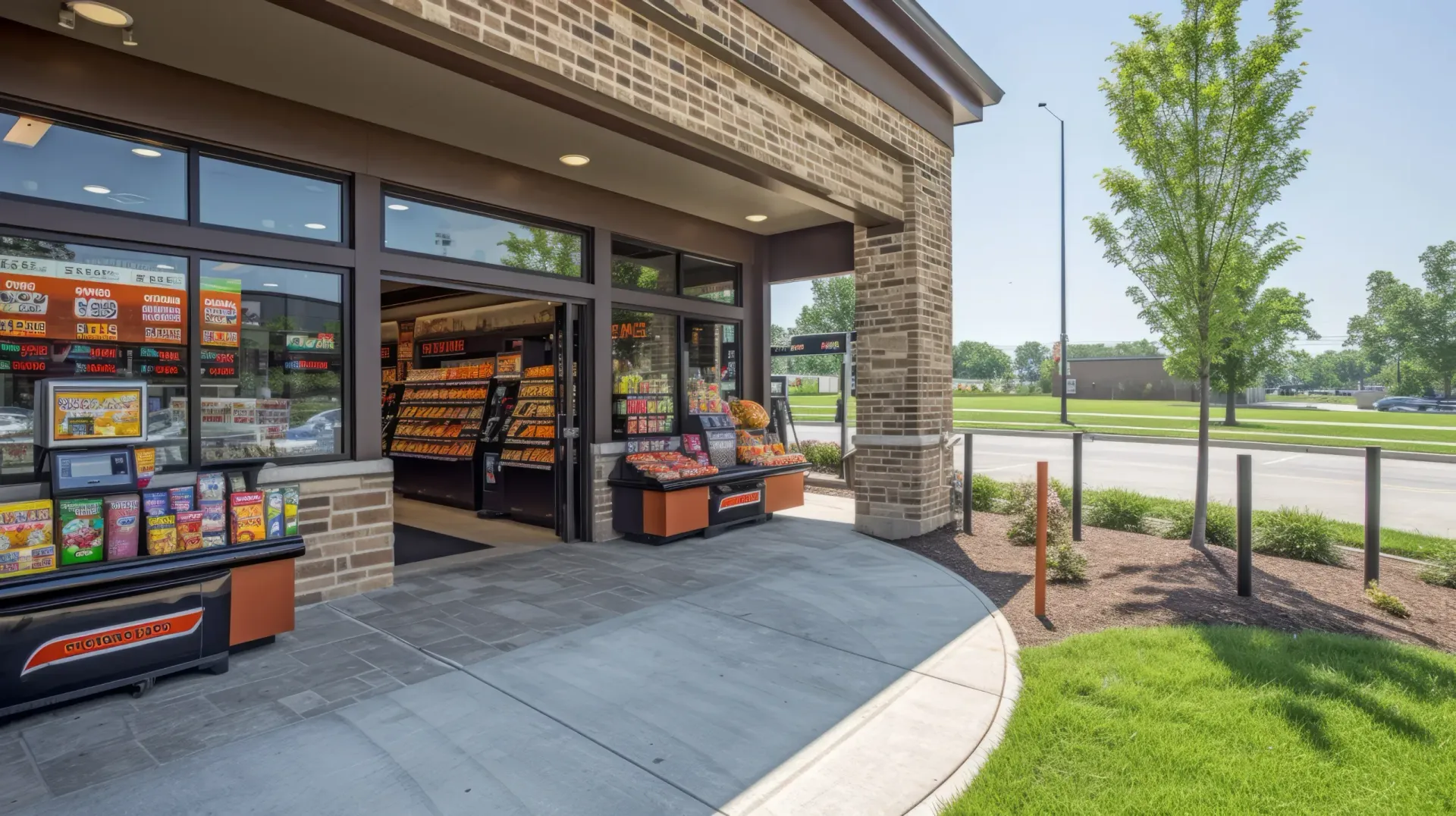
Net Lease Strength Driven By Food Tenants In Retail Market

A new Marcus & Millichap analysis highlights the resilience of the single-tenant net lease (STNL) retail market, reports GlobeSt. Food-centric tenants are playing a key role in maintaining stability. This comes despite several quarters of net relinquishment across the broader retail sector. Grocery stores, quick-service restaurants (QSRs), and convenience stores are driving that strength...
A blurry picture of a clothing store with clothes on display.

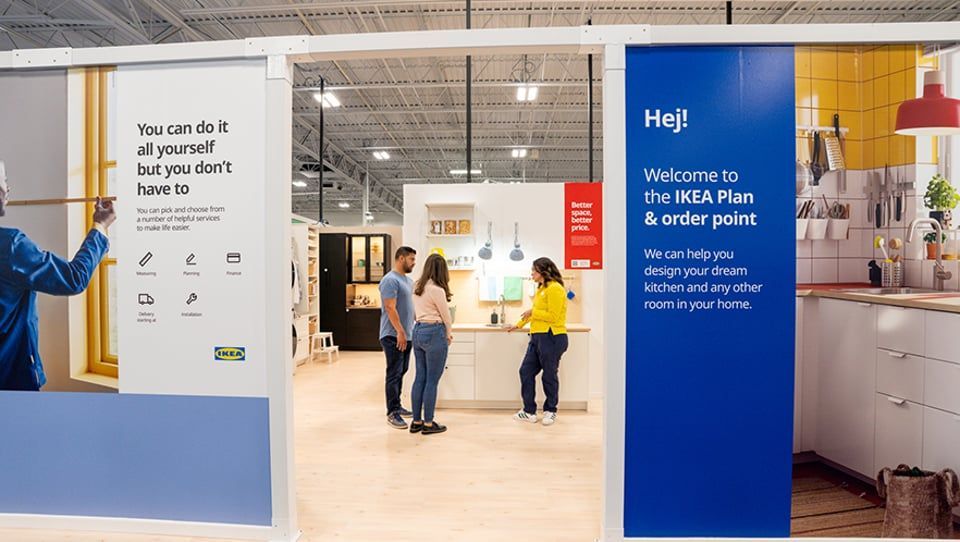
Best Buy opens first-ever in-store Ikea shops in select locations


Ikea is moving into select Best Buy stores in Texas and Florida.

The Swedish furniture giant and Best Buy Co. are partnering to open an in-store planning and shopping experience at 10 Best Buy stores. The shops are now live at six Best Buy stores, with three more to open in mid-November, and one later this winter...

A car is parked in front of a sign that says 223

Branch Expansion Fuels PNC Push Into Sun Belt Markets

PNC Financial Services Group plans to open 300+ new branches by 2030, expanding its retail banking network, reports CoStar. The bank’s latest move boosts its total investment in brick-and-mortar expansion to around $2B.


Branch banking has declined in some regions due to digital trends. Still, PNC sees physical locations as key to building deposits and relationships...
The front of an aldi store with a sign in front of it.

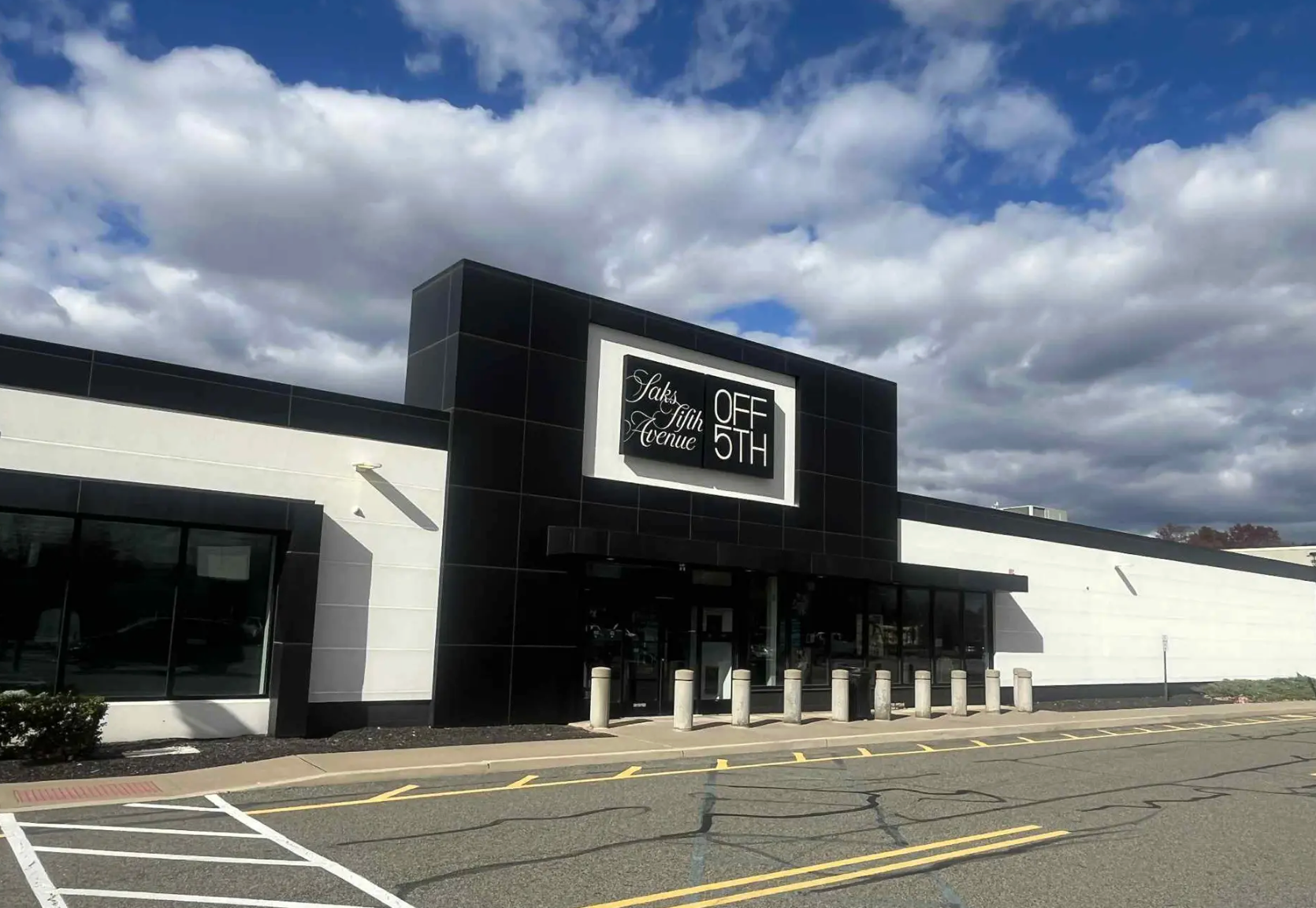
Saks Off 5th gets ready to shut select stores across country

Saks Off 5th will be closing 10 stores scattered across the United States as its parent, luxury retail giant Saks Global, looks to streamline its brick-and-mortar property.


The off-price chain with 79 locations now has slated nine stores for closing starting early next year, New York-based Saks Global confirmed in an email to CoStar News. A 10th location, at 125 E. 57th St. in Manhattan, will go dark on Dec. 31 as the building that houses it is converted from commercial to residential use. That prompted Saks Off 5th's decision to exit that retail site...

A modern Wayfair store building with a purple facade and large windows, situated in a busy parking lot with many cars.

Online retailer Wayfair’s brick-and-mortar foray leads to small-format store in Ohio


Online furniture retailer Wayfair will be testing a prototype for a small-format store in Ohio as it continues to expand its brick-and-mortar footprint.


The Boston-based company said it will open a 70,000-square-foot store, roughly half the size of its existing and previously announced namesake physical locations, late next year in the Buckeye State. It's slated for 1552 Gemini Place in Columbus, adjacent to the Polaris Fashion Mall...

Harris Teeter store front exterior with red brick walls, large glass windows, and a logo featuring bread, an apple, and fish.

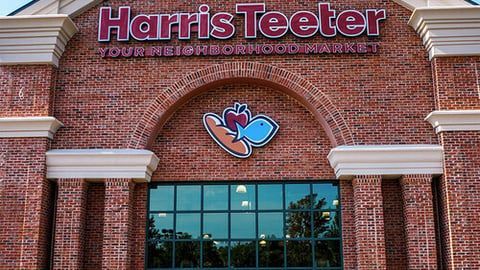
Harris Teeter to expand footprint in three states

Harris Teeter is growing its presence across the Southeast.

The grocer, a division of The Kroger Co., plans to open five stores across its region, which include expansion into new markets for the company. Harris Teeter is also planning to introduce fuel centers and pharmacies at each location...
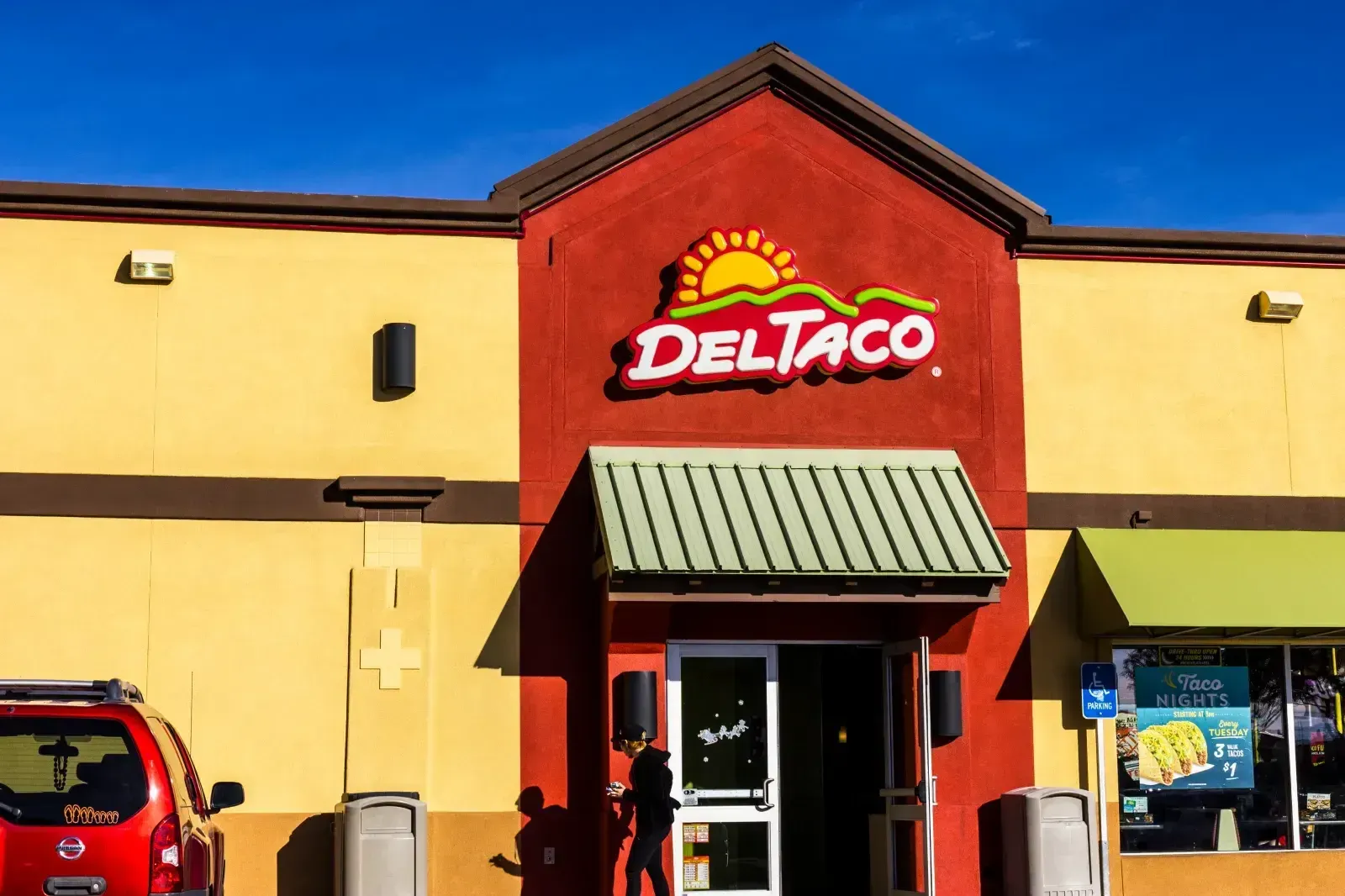
The front entrance of a Del Taco restaurant with a red and yellow facade, a green awning, and a partially visible red car.

Mexican Fast-Food Chains Closing Across US In 2025

Several Mexican fast-food chains across the U.S. have declared bankruptcy or announced the closure of multiple locations across the country, as the restaurant industry continues to face pressures.


Why It Matters

These closures highlight the ongoing pressures facing the restaurant industry, including rising labor and supply costs, shifting consumer habits since the COVID-19 pandemic, and competition from fast-casual and delivery-focused options...

A shopper holding

Store Expansion News: October update


Retailers and restaurants alike made headlines in October with store expansions and new formats. 

Here are the major stories as reported by Chain Store Age, starting with the most recent.

  • Shipley Donuts on track for 'record-setting' store expansion in 2025 The Houston-based donut chain, which was acquired by a private equity firm earlier this year, has opened 25 new shops so far this year, including eight in the third quarter alone...


A building entrance with a large red structural gate and a colorful, intricate mural featuring silhouettes and icons.

Where streaming meets shopping: Netflix unveils first immersive year-round entertainment venue

Streaming giant Netflix is playing tribute to its roots at its first permanent entertainment-and-retail venue at a mall outside Philadelphia.


A huge red envelope, a nod to the company's DVD-by-mail origins, frames the outside entrance to Netflix House at the King of Prussia mall in Pennsylvania. On the wall behind it, there's a colorful mural by a local Philadelphia artist, a mashup of characters from Netflix programming...



By Marc Perlof July 6, 2026
By Marc Perlof | MarcRetailGuy CA #01489206 July 6, 2026 If you own retail real estate, here’s what just changed for you. In last month’s blog, we looked at how retail property owners decide whether to adjust pricing, hold firm, or wait in a changing market. That decision matters, but it is only the starting point. The next decision is more important than most owners realize: choosing the right pricing strategy. This is where many owners get the market wrong. They price the property based on what they own, what they want, or what a nearby property asked for. But buyers do not all underwrite retail property the same way. A 1031 buyer, developer, syndicator, owner user, family office, and local operator can look at the same property and see completely different value. The right pricing strategy starts with knowing which buyer is most likely to believe the story, accept the risk, and close. Pricing Is Not Just About the Property The property matters. The income matters. The lease matters. The location matters. But the buyer pool determines how those items are interpreted. A short term lease may look risky to a passive 1031 buyer, but attractive to a value add investor, an owner user who wants control, or a developer. A vacant building may look like a problem to an income buyer, but like an opportunity to a developer or owner user. A strip center with below market rents may look messy to one buyer and like upside to another. Same property. Different buyer. Different value. That is why the pricing strategy cannot start with only the asset type. It has to start with the buyer most likely to see value and close. Today, buyer targeting matters more because financing is tighter, investors are more selective, and the wrong buyer pool can make a solid property look overpriced. If the property is aimed at the wrong buyer pool, the result is usually longer market time, weaker offers, and more price pressure. Different Buyers See Different Value A 1031 exchange buyer usually wants stability. They are often looking for clean income, long lease term, strong tenant credit, limited management, and a simple story. If the deal has short leases, local tenants, or unclear expenses, some 1031 buyers will either pass or price it more conservatively. A developer looks at the property differently. They may care less about current income and more about land value, zoning, density, entitlement risk, construction costs, and future exit value. To a developer, the existing building may not be the value. The land and future project may be the value. A syndicator usually needs a story that can be explained to investors. They care about return, upside, risk, financing, and whether the business plan is clear. If the story is too complicated or the numbers are too thin, they may move on. A family office may care more about long term quality, location, and risk protection. They may not need the highest return, but they usually do not want a problem asset unless the pricing clearly rewards the risk. A local investor may see value that other buyers miss. They may understand the tenants, the street, the rents, and the management upside better than an outside buyer. An owner user may look at the property through occupancy, control, and long term business use. They may not underwrite the deal the same way a passive investor does. This is why two buyers can look at the same retail property and come to very different conclusions. The Wrong Buyer Pool Leads to the Wrong Price The mistake is not just overpricing. The bigger mistake is using a pricing strategy that does not match the buyer most likely to close. For example, a retail building with short term leases may not work for a passive buyer. If the marketing is aimed at passive investors, the property may sit. But that same property may attract owner users, developers, or value add operators if positioned correctly. A strip center with below market rents may look weak if the marketing focuses only on today’s NOI. But if the buyer pool understands leasing upside, rent growth, tenant repositioning and the price accounts for these concerns, the story changes. A single tenant property with a shorter lease may not command premium net lease pricing. But if the real estate is strong and the tenant has a history at the site, there may still be a buyer pool. The strategy just needs to reflect the actual risk. The wrong buyer pool creates weak activity, low offers, and stale market time. The right buyer pool can create urgency because the buyers understand why the property matters. Pricing and Positioning Need to Work Together Pricing is not only the asking price. It is also how the property is presented. A good pricing strategy should answer: Who is the buyer? Why would they want this property? What risk will they see? What return will they need? What price range can they justify? If the likely buyer is a 1031 buyer, the story needs to be simple, stable, and income focused. If the likely buyer is a developer, the story needs to explain the land, zoning, density, timing, and feasibility. If the likely buyer is a value add operator, the story needs to show the path to higher NOI. If the likely buyer is an owner user, the story needs to focus on control, location, occupancy, and long term use. The same property may need a completely different strategy depending on the buyer. The Owner’s Goal Still Matters The buyer pool matters, but the seller’s goal still matters too. An owner who wants the highest possible price may need a longer marketing process, stronger preparation, and a buyer pool that can support premium pricing. An owner who wants certainty may need to price closer to the market from day one. An owner who only wants to sell if they hit a certain number may want to wait until the economics support their price. The problem happens when the owner’s goal and the buyer pool do not match. If the owner wants premium pricing but the buyer pool sees lease risk, financing risk, or future repair costs, the market will push back. If the owner wants a fast sale but prices above where buyers can underwrite, the property may sit. A strong strategy connects the owner’s goal with buyer reality. What Owners Should Review Before Pricing Before choosing a pricing strategy, retail property owners should review the property the way buyers will review it. That means looking at the rent roll, leases, tenant payment history, lease expirations, options, rent increases, triple net (NNN) reimbursements, expense history, roof, HVAC, parking lot, deferred maintenance, financing conditions, comparable sales, competing listings, and likely buyer pool. The goal is not just to estimate value. The goal is to identify which buyer will see the strongest reason to act and close. That is where good pricing strategy starts. Final Thought Pricing is not just asking, “What is my property worth?” The better question is, “Who is the right buyer, and what price can that buyer believe?” That is the difference between putting a number on a property and building a real sale strategy. When the price, story, buyer pool, and seller’s goal line up, the property has a much better chance of creating serious activity, stronger offers, and a cleaner closing. Next week, we will look at what happens when this strategy is wrong: Why Retail Properties Sit on the Market. If you own a strip center, shopping center, single tenant net lease property, storefront retail building, or redevelopment site, I can help you review the buyer pool, pricing strategy, risk points, and likely market response before you make a sale, refinance, or hold decision. Based in Los Angeles. Serving Southern California. Active across California. Advising clients nationwide. #RetailRealEstate #CommercialRealEstate #RetailInvestment #PropertyOwners #1031Exchange #NetLease #ShoppingCenters #CREStrategy #MarcRetailGuy
By Marc Perlof July 3, 2026
10-Year Treasury Yield Rises to 4.420% — Data Talk The 10-year yield rose 0.045 percentage point to 4.420% today. The price fell 11/32 to 99 20/32. --Largest one-day yield gain since Monday, June 22, 2026 --Yield is up for two consecutive trading days --Yield is up 0.048 percentage point over the last two trading days --Largest two-day yield gain since Monday, June 8, 2026 --Highest yield since Tuesday, June 23, 2026, --Yield is off 0.248 percentage point from its 52-week high of 4.668% hit Tuesday, May 19, 2026...
By Marc Perlof June 29, 2026
By Marc Perlof | MarcRetailGuy CA #01489206 June 29, 2026 If you own retail real estate, here’s what just changed for you. The consumer is still spending, but buyers are not treating all retail income the same. The simple answer is this: retail properties with clean, durable income are getting more attention, while properties with weaker tenants, short leases, or messy income are getting discounted. The K-shaped economy is now a pricing issue for retail property owners. What Changed The K-shaped economy is not just a consumer story anymore. It is becoming a real estate pricing story. A K-shaped economy means some consumers are doing well, while others are under more pressure. Higher income households may keep spending. Lower and middle income households may become more careful with food, gas, rent, credit cards, and discretionary purchases. Bank of America Institute reported that total credit and debit card spending per household increased 4.8% year over year in April 2026, but spending growth slowed in several discretionary “nice to have” categories.¹ That matters for retail owners. Consumers are still spending, but they are choosing more carefully. That creates a stronger market for some tenants and a weaker market for others. What is causing it? Retail sales are still positive. The U.S. Census Bureau reported that advance U.S. retail and food services sales for May 2026 were $763.7 billion, up 0.9% from April 2026 and up 6.9% from May 2025.² That is supportive for retail. But it does not mean every shopping center, strip center, or Triple Net (NNN) property is protected. CRE Daily recently reported that the K-shaped economy is also creating splits inside real estate asset classes. Investors are becoming more focused on assets tied to stronger demand, demographics, and durable income.³ That is the real change. The market is not just separating retail from other property types. It is separating stronger retail income from weaker retail income. Why It Matters How does this affect your property value? Your property value is based on income. If your tenants pay on time, reimburse NNN charges, renew leases, and serve steady customer demand, buyers have more confidence in your NOI. If your leases are short, your Common Area Maintenance (CAM) recovery is unclear, your tenants are weak, or your rent is above market, buyers will underwrite more risk. That risk shows up in price. For example, if your NOI is $250,000 and the buyer uses a 6.25% cap rate, the value is about $4,000,000. If the buyer sees more risk and uses a 6.75% cap rate, that same NOI supports about $3,703,704 in value. That is almost $296,000 of value difference. This is why income quality matters. How are buyers underwriting retail today? Buyers are looking harder at tenant durability. They want to know if the tenant sells something people need, something people want, or something people cut when money gets tight. They are looking at lease term, rent level, rent increases, options, NNN reimbursement language, CAM, insurance, taxes, roof, HVAC, parking, and future capital exposure. They are also asking one simple question. Can this income survive a more selective consumer? If the answer is yes, your property gets stronger attention. If the answer is no, the buyer will either reduce price or move on. What does this mean for Los Angeles and Southern California owners? Los Angeles retail is not one market. A grocery-anchored center in a dense trade area is not the same as a small strip center with weak parking and short leases. A NNN property with a strong tenant and limited landlord responsibility is not the same as a value add center with deferred maintenance and uncertain leasing. CBRE reported that U.S. retail availability was 4.9% in Q1 2026, with average retail asking rent up 2.4% year over year.4 That shows retail supply remains tight nationally, but local property quality still matters. In Southern California, buyers are not buying the headline. They are buying the income stream. Strategic Advice for Retail Property Owners What should you do right now? Identify which tenants benefit from a selective consumer. Daily needs, value, grocery, discount, food, service, medical, and necessity driven tenants should be separated from more discretionary tenants. Position your property around income durability, not just occupancy. A full center is not enough. Buyers want to know if the tenants can keep paying rent if consumers pull back. Price the property based on the weakest part of the income stream If one tenant has a short lease, above market rent, payment issues, or unclear reimbursements, buyers may use that risk to reprice the whole asset. Real Deal Insight This is how deals are being underwritten today. Buyers are separating durable retail income from weaker retail income and pricing each one differently. Owner Self-Assessment If a buyer reviewed your leases, rent roll, and NNN recovery today, would they see stable income or future risk? If you own a strip center, shopping center, NNN property, or retail redevelopment site, I can help you review the income, pressure test buyer underwriting, and identify where value is protected or exposed before you make a sale, refinance, or hold decision. What would a serious buyer question first if they reviewed your retail property today? Based in Los Angeles. Serving Southern California. Active across California. Advising clients nationwide. Sources 1 Bank of America Institute, Consumer Checkpoint, May 2026 2 U.S. Census Bureau, Advance Monthly Sales for Retail and Food Services, May 2026 3 CRE Daily, “K-Shaped Economy Drives Asset Class Splits in Real Estate,” June 23, 2026 4 CBRE, U.S. Retail Figures, Q1 2026
More Posts